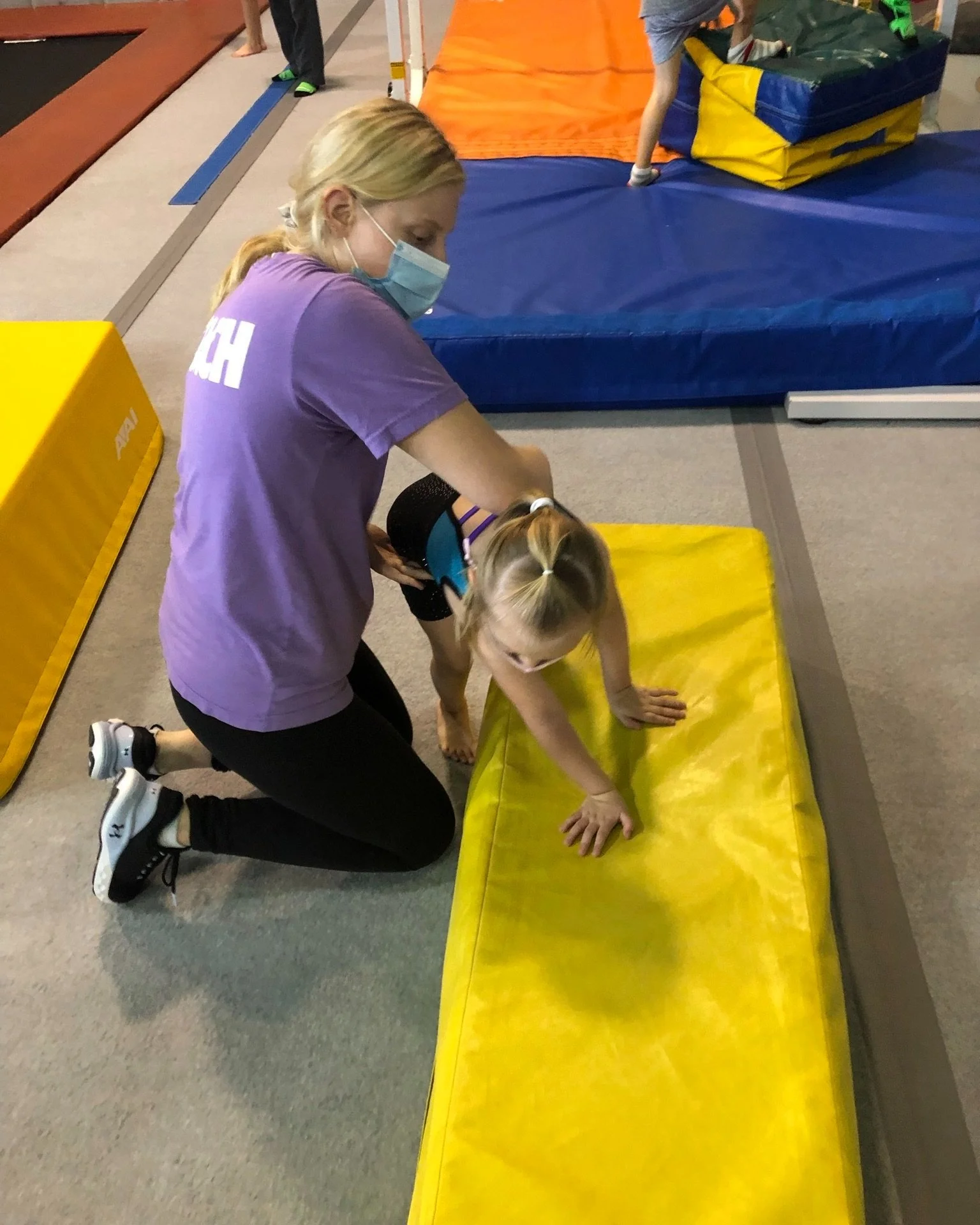
Twin Lakes Gymnastics: Class Schedules, Team Programs, and Enrollment Guide
Twin Lakes gymnastics programs provide structured recreational and competitive training for athletes ranging from toddlers to advanced competitors. Offering instruction across artistic gymnastics, tumbling, and ninja agility, these pro...
Twin Lakes gymnastics programs provide structured recreational and competitive training for athletes ranging from toddlers to advanced competitors. Offering instruction across artistic gymnastics, tumbling, and ninja agility, these programs focus on core biomechanics, progressive skill development, certified coaching, and safe training environments for both casual fitness and sanctioned athletic competition.
Contents
Program Overview and Core Disciplines
Gymnastics provides a foundational athletic base that enhances balance, power, flexibility, spatial orientation, and strength. Twin Lakes gymnastics facilities structure their curricula around age-appropriate developmental milestones, ensuring that young participants build motor skills safely while competitive athletes refine advanced skill progressions.
Programs generally divide into four primary tracks:
- Preschool and Early Childhood Development: Designed for infants, toddlers, and young children to develop fundamental movement patterns, hand-eye coordination, and social listening skills.
- Recreational Artistic Gymnastics: Skill-based classes for school-aged athletes focusing on standard olympic apparatuses without the requirement of multi-day competitive commitments.
- Competitive Team Programs: Governed tracks aligning with USA Gymnastics (USAG) or Amateur Athletic Union (AAU) standards, preparing athletes for local, regional, and national meets.
- Tumbling and Specialized Agility: Non-apparatus training tailored for cheerleaders, dancers, and ninja/obstacle course enthusiasts seeking targeted explosive strength and floor control.
Understanding the specific goals of each track helps families select the ideal entry point based on an athlete's age, athletic goals, and weekly schedule availability.
Class Structure by Age and Skill Tier
Gymnastics instruction requires strict skill sequencing. Athletes must master fundamental body shapes—such as hollow holds, arch positions, tight arch holds, and straight-body landings—before advancing to dynamic inversions or flight elements.
- Parent & Tot (18m-3y)
- Preschool (3y-5y)
- Beginner Rec (6y+)
- Intermediate Rec
- Advanced Rec
- Pre-Team / Excel
- USAG Dev Team
- Intermediate Rec
- Beginner Rec (6y+)
- Preschool (3y-5y)
Parent & Tot (Ages 18 Months to 3 Years)
Parent-assisted classes introduce toddlers to body awareness through structured exploration. Guided by certified instructors, parents assist children as they navigate incline mats, low balance beams, soft foam vaults, and single-bar hang stations.
- Focus Areas: Balance, tactile exploration, spatial orientation, basic spatial concepts (over, under, through), and group participation.
- Format: 30 to 45 minutes per week; active parent involvement required on the gym floor.
Preschool Gymnastics (Ages 3 to 5 Years)
Preschool classes mark the transition to independent learning. Instructors focus on listening discipline, turn-taking, and core physical shapes (hollow, arch, tuck, pike, and straddle).
- Focus Areas: Forward and backward rolls, elevated beam walks, cast holds on bars, straight-body jump landings, and stationary cartwheels.
- Format: 45 to 60 minutes per week; independent participation without parents on the main floor.
Recreational Gymnastics (Ages 6 and Up)
Recreational classes are segmented by ability (Beginner, Intermediate, and Advanced) rather than strict age groupings. This ensures safety and tailored instruction on four primary women's apparatuses (Vault, Uneven Bars, Balance Beam, Floor Exercise) or men's apparatuses (Floor, Pommel Horse, Rings, Vault, Parallel Bars, High Bar).
- Beginner: Focuses on foundational execution, including clean cartwheels, handstands against mats, bridge extensions, bar pullovers, and beam turns.
- Intermediate: Introduces dynamic elements such as round-offs, back handspring preparation, cast-to-horizontal on bars, handstand dismounts on beam, and vault hurdle entry dynamics.
- Advanced: Refines advanced connections, including running back handsprings, front handsprings, sole-circle bar entries, side handstands on beam, and higher-velocity vault entries.
Competitive Team Pathways
For athletes seeking formal competition, Twin Lakes gymnastics programs offer competitive pipelines governed by national sanctioning bodies. Admission to competitive teams typically occurs through instructor recommendation or formal spring/summer tryouts.
- Competitive Pathways
- USA Gymnastics (USAG) Development Program (Levels 1–10)
- Compulsory (Levels 1–5): Standardized routines nationwide
- Optional (Levels 6–10): Customized choreography & skill choices
- USAG / AAU Xcel Program
- Tiers: Bronze, Silver, Gold, Platinum, Diamond, Sapphire
- USA Gymnastics (USAG) Development Program (Levels 1–10)
USA Gymnastics (USAG) Development Program
The Development Program (formerly known as the Junior Olympic or JO program) is a rigorous track intended for dedicated gymnasts aiming for high-level regional, national, or collegiate competition.
- Compulsory Levels (Levels 1–5): All athletes perform identical, pre-choreographed routines on every apparatus. Scoring places strict emphasis on technique, body alignment, amplitude, and exact execution.
- Optional Levels (Levels 6–10): Gymnasts perform customized routines tailored to their individual strengths, fulfilling specific composition requirements and difficulty ratings determined by the USAG Code of Points.
Xcel Program (USAG and AAU)
The Xcel program offers a flexible competitive track designed to accommodate athletes who desire competitive experience with lower weekly training hour requirements. Xcel allows custom routines at every level, enabling coaches to showcase an athlete's strengths while avoiding skills that may cause undue physical stress or mental blocks.
- Divisions: Bronze, Silver, Gold, Platinum, Diamond, and Sapphire.
- Training Commitment: Typically 4 to 12 hours per week, compared to 12 to 25+ hours per week for upper-level Development Program athletes.
Facility Standards, Equipment, and Safety Protocols
Gymnastics requires high-grade equipment and rigid safety protocols to prevent acute injuries and overuse wear. Reputable facilities adhere to safety guidelines set by the U.S. Center for SafeSport and maintain equipment checked against national safety thresholds.
Equipment Specifications
A full-service gymnastics facility features specialized apparatuses designed for shock absorption and skill progression:
- Spring Floors: Constructed with multi-layer plywood, steel springs, and closed-cell foam to absorb impact during high-velocity landings.
- In-Ground Foam Pits & Resilite Mats: Soft landing pits filled with high-density polyurethane foam cubes allow athletes to practice complex flight elements before transitioning to solid competition mats.
- Adjustable Apparatuses: AAI or Janssen Fritsen uneven bars, parallel bars, and balance beams equipped with quick-release levers to quickly adjust height and width for different age groups.
- Air Tracks and Rod Floors: Dynamic training surfaces that provide added bounce for tumbling skills while reducing joint stress during high-repetition practice sessions.
Safety and Staff Credentials
Parents evaluating gymnastics facilities should verify coach qualifications and facility safety measures:
- SafeSport Compliance: Mandatory background checks and child protection training for all adult staff members having contact with minors.
- Professional Certifications: Coaching staff certified in CPR, First Aid, and USAG Safety & Risk Management.
- Spotting Protocols: Instructors trained in manual physical spotting techniques to assist athletes through complex mechanical movements safely.
- Matting Standards: Minimal mat thickness requirements under all apparatuses in compliance with regional and national governing standards.
Program Comparison Matrix
The table below outlines typical requirements, time commitments, and focus areas across standard program tiers:
| Program Tier | Target Age Group | Weekly Hours | Primary Focus Areas | Prerequisites |
|---|---|---|---|---|
| Parent & Tot | 18 mos – 3 yrs | 0.75 hrs | Motor skills, balance, parental interaction | None (Parent participation required) |
| Preschool | 3 – 5 yrs | 0.75 – 1 hr | Independent listening, body control, basic shapes | Age readiness; ability to follow directions |
| Beginner Rec | 6+ yrs | 1 – 1.5 hrs | Cartwheels, bridge ups, pullovers, beam walks | None |
| Intermediate Rec | 6+ yrs | 1.5 – 2 hrs | Round-offs, cast horizontal, back handspring drills | Mastery of Beginner Rec skill chart |
| Advanced Rec | 7+ yrs | 2 – 4 hrs | Back handspring execution, handstand dismounts | Mastery of Intermediate Rec skill chart |
| Xcel Team (Bronze–Gold) | 7+ yrs | 4 – 9 hrs | Custom routines, sanctioned competitions | Evaluation / Coach invitation |
| USAG Dev (Levels 3–10) | 7+ yrs | 9 – 20+ hrs | Elite execution, compulsory/optional routines | Formal tryout or program invitation |
Financial Considerations and Fee Structures
Enrolling in gymnastics involves recurring tuition and peripheral costs that vary depending on whether an athlete participates in recreational classes or competitive teams.
Recreational Tuition
Recreational tuition is typically billed on a monthly or session basis (e.g., 8-week or 12-week semesters). Prices depend on class duration and weekly frequency:
- 30–45 Minute Classes: Generally lower cost, covering basic administrative and coaching overhead.
- 60–90 Minute Classes: Priced proportionately higher due to lower coach-to-student ratios (typically 1:6 or 1:8).
- Annual Administrative Fee: Most gyms charge an annual facility fee ($30–$60 per student or family) to cover liability insurance and registration management.
Competitive Team Financial Requirements
Competitive programs require significant annual investment beyond monthly tuition rates:
Annual Team Costs
- Monthly Facility Tuition (Year-Round Training)
- Competition Entry Fees (per meet)
- Governing Body Memberships (USAG / AAU)
- Team Apparel (Competitive Leotard, Warm-up Suit, Bag)
- Coaches' Travel Expenses (Split among team families)
Assessment & Regional Fees: Sanctioned meets charge individual registration fees per athlete per meet, in addition to facility door fees for spectators.
Apparel: Competition-grade leotards (often featuring rhinestone embellishments) and matching team warm-up suits represent a separate upfront cost each season.
Coaching Expenses: Families split travel expenses (lodging, mileage, per diem) for coaching staff attending out-of-town or postseason competitions.
Enrollment Process and Practical Guidance
Joining a gymnastics program requires proper preparation to ensure safety, accurate class placement, and a smooth transition for the athlete.
Step 1: Schedule an Evaluation
For children older than six with previous athletic or gymnastics experience, facilities usually recommend or require a 15-minute skill evaluation. A staff coach assesses the athlete's balance, flexibility, upper-body strength, and core skill execution to place them in the correct tier, avoiding frustration or safety risks associated with improper placement.
Step 2: Acquire Proper Apparel
Safety guidelines dictate strict dress code standards inside the gym floor area:
- Girls: A snug-fitting athletic leotard is strongly recommended. Spandex shorts or leggings may be worn over the leotard. Hair must be pulled back securely into a ponytail or bun away from the face.
- Boys: An athletic t-shirt or tank top tucked into fitted shorts (without buttons, snaps, or zippers).
- Prohibited Items: Jewelry (except small stud earrings), socks without grip, loose oversized shirts, and hooded sweatshirts are prohibited on the gym floor to prevent snags and slipping hazards.
Step 3: Understand Gym Rules and Parent Protocols
Most facilities feature dedicated observation areas or parent viewing galleries. Parents should refrain from shouting instructions or distracting athletes from the viewing deck, as athlete attention must remain fully focused on class instructors to maintain safety during active movement.
Frequently Asked Questions
What is the best age for a child to start gymnastics?
Children can begin participating in structured movement classes as early as 18 months in parent-assisted programs. For independent classes, ages 3 to 5 are ideal for building fundamental spatial awareness, coordination, and group participation habits before entering formal skill levels.
What is the main difference between USAG Development and Xcel teams?
The USAG Development Program requires higher weekly training hours, follows rigid standardized compulsory skills in early levels, and emphasizes an aggressive pathway toward upper-level or college gymnastics. The Xcel Program provides more flexible schedule options, customizable routines at all levels, and allows athletes to balance gymnastics with other sports or extracurricular pursuits.
Can my child participate in gymnastics if they also play other sports?
Yes. Recreational gymnastics and lower-level Xcel programs easily accommodate multi-sport athletes. Gymnastics enhances core strength, body awareness, speed, and flexibility, serving as cross-training for sports like diving, track, martial arts, soccer, and cheerleading.
How do makeup classes work for missed practices?
Most facilities offer a makeup pass policy allowing students to attend an alternative designated makeup class or open gym session within a specific timeframe (e.g., 30 to 60 days of the absence), provided the absence was reported in advance and space permits.
Are gymnastics programs safe for older beginners?
Yes. Quality programs place older beginners in age-appropriate classes that align with their physical maturity rather than placing them in classes with toddler-aged athletes. Training emphasizes fundamental strength, core stability, and wrist/ankle conditioning prior to executing dynamic tumbling elements.
Final Recommendation
When choosing a Twin Lakes gymnastics program, begin by scheduling a facility tour or introductory trial class. Observe the clean maintenance of foam pits and landing mats, verify coach-to-student ratios, and confirm that coaches hold active credentials through USA Gymnastics. Align your choice with your family's budget and long-term athletic goals—selecting recreational tracks for balanced physical fitness, or competitive paths for disciplined, multi-day athletic development.
Image Gallery