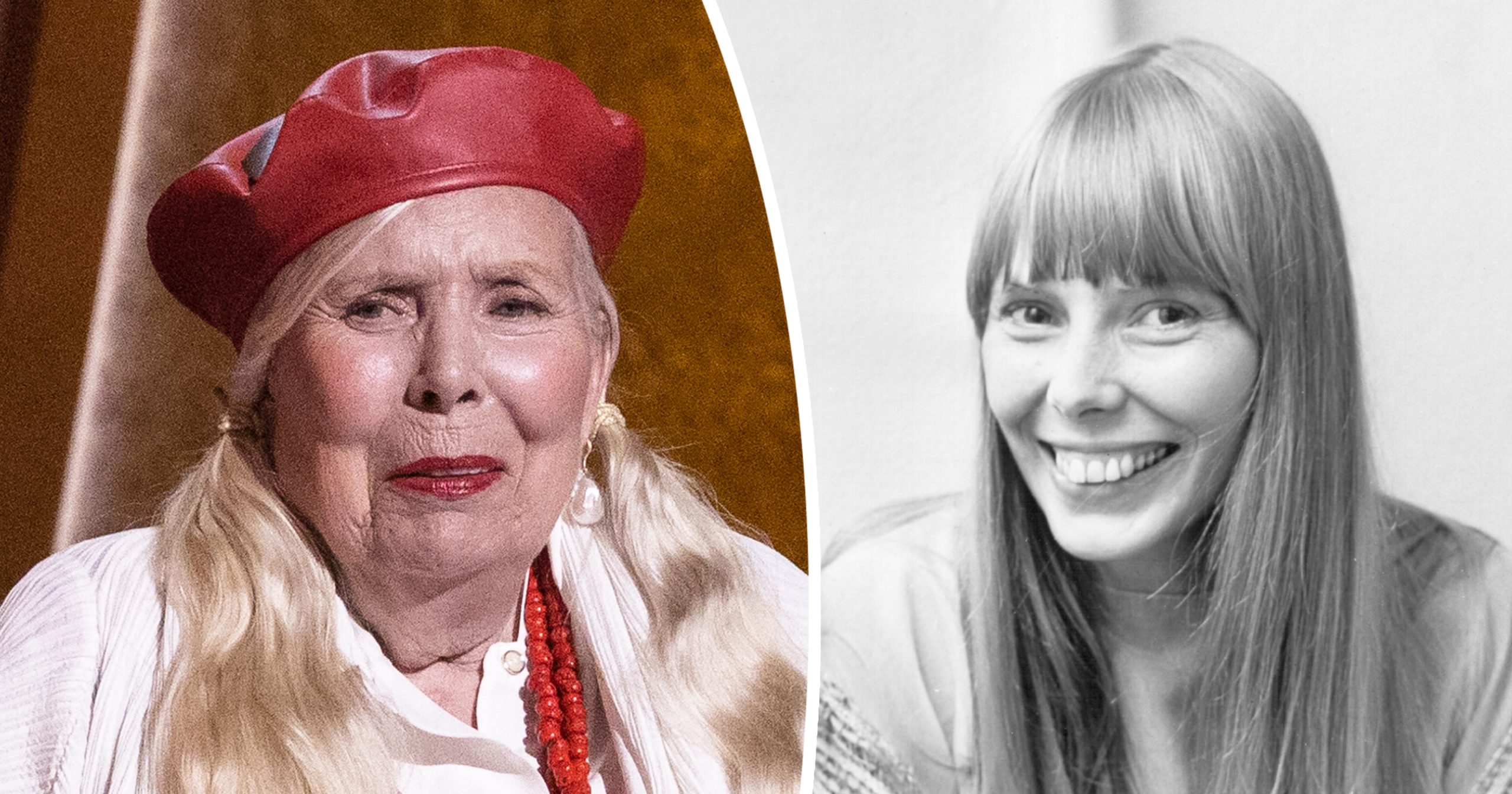
The Story of Kilauren Gibb and Joni Mitchell: A Journey of Reunion and Identity
The story of Kilauren Gibb and Joni Mitchell centers on the high-profile 1997 reunion between the legendary Canadian singer-songwriter and the daughter she surrendered for adoption in 1965. This emotional narrative highlights the compl...
The story of Kilauren Gibb and Joni Mitchell centers on the high-profile 1997 reunion between the legendary Canadian singer-songwriter and the daughter she surrendered for adoption in 1965. This emotional narrative highlights the complexities of closed adoptions, the impact of international fame on private family matters, and the challenges of forging a new relationship decades after a separation.
Contents
The Historical Context: 1965 and the Adoption
In 1965, a young Joni Mitchell, then known as Roberta Joan Anderson, was struggling as a folk singer in Toronto. During this time, she became pregnant following a brief relationship. Facing intense social stigma, financial instability, and the pressure of a budding career that lacked the support structures for single mothers, Mitchell made the difficult decision to place her daughter, born Kelly Dale Anderson, for adoption.
At the time, adoption records were strictly sealed under the laws of the era, which prioritized the anonymity of both biological parents and the adoptive family. For Mitchell, this became a profound, unspoken aspect of her personal history that she kept private for over three decades, even as she rose to global prominence as one of the most influential songwriters of her generation.
The Search for Identity
The daughter, renamed Kilauren Gibb by her adoptive parents, grew up in Ontario, Canada, with no knowledge of her biological mother’s identity. The path to their reunion began when Gibb entered her thirties. Like many individuals who have experienced adoption, Gibb sought to understand her medical history and biological origins.
In the mid-1990s, the process of finding biological parents was significantly more cumbersome than it is in the digital age. Without the benefit of modern consumer DNA testing services, which would become commonplace in the following decades, Gibb relied on persistent investigative work and the assistance of professionals specializing in adoption reunions. The search culminated when Gibb was able to piece together the details of her birth, discovering that the woman who gave birth to her was the iconic Joni Mitchell.
The 1997 Reunion: A Public and Private Intersection
When the news of their connection broke in 1997, it became a major media event. For Mitchell, the reunion was both a personal relief and a professional vulnerability. The singer had famously written about themes of loss and longing in her music, most notably in the song "Little Green," which appeared on her 1971 album Blue. For years, listeners speculated about the meaning of the track, and the 1997 reunion retroactively confirmed that the song was indeed a reflection of Mitchell’s experience surrendering her child for adoption.
The reunion was marked by a flurry of press attention, which inevitably complicated the initial months of their relationship. The shift from a private, life-altering realization to a public story required both women to navigate their newfound bond under the intense scrutiny of the global media.
Challenges of Reconnection
Reconnecting with a biological parent after 32 years presents unique psychological and practical challenges. The relationship between Gibb and Mitchell did not follow the traditional path of a mother-daughter bond. Instead, they faced the necessity of building a foundation of trust while managing the expectations of the public, the media, and each other.
Key challenges observed during the aftermath of their reunion included:
- The Power Imbalance: The disparity between Mitchell’s fame and Gibb’s life outside the music industry created an inherent tension in how their story was perceived and managed.
- Adjustment Periods: The psychological impact of realizing one’s parent is a world-renowned figure, and the corresponding realization for a mother that the child she gave away is now a fully formed adult with her own life and family, requires significant emotional adjustment.
- Media Intrusion: The pressure to define the relationship for the public meant that the most intimate stages of their bonding process were frequently subject to external commentary.
Comparative Perspective: Adoption Reunions
The story of Gibb and Mitchell is a prominent example of a broader societal shift regarding adoption. The following table illustrates the differences in the adoption landscape between the era in which Gibb was born and the present day.
| Feature | 1965 (Birth Era) | 2026 (Modern Era) |
|---|---|---|
| Record Access | Sealed; high legal barriers | Open in many jurisdictions |
| Identification | Difficult; required investigators | DNA testing and social media |
| Societal Stigma | High; often forced secrecy | Low; greater emphasis on transparency |
| Support Systems | Sparse; often punitive | Extensive, including counseling and registries |
The Legacy of "Little Green"
The song "Little Green" stands as the most enduring artistic document of this story. Released before the reunion occurred, the lyrics—which describe a child born in the "springtime" and sent away—gained a new level of poignancy after the public learned the identity of the subject. The song serves as a reminder of how art often functions as a repository for trauma and hidden truths. For scholars and fans of Mitchell, the reunion bridged the gap between the metaphorical pain expressed in her songwriting and the concrete, lived reality of the mother-daughter separation.
Understanding Adoption Reunions Today
For those interested in the dynamics of adoption reunions, it is important to understand that such processes are deeply personal and rarely linear. The public nature of the Gibb-Mitchell reunion provides a case study, but it is not necessarily reflective of the common experience. Most reunions today involve:
- Preparation: Engaging in counseling to manage expectations and potential emotional triggers.
- Verification: Utilizing professional services to confirm biological links when documentation is missing.
- Pacing: Establishing boundaries early to ensure both parties feel comfortable as they navigate a new, complex relationship.
While Mitchell and Gibb eventually experienced a cooling of their public relationship in the years that followed, their story remains a foundational narrative in the cultural discussion of adoption. It forced a conversation about the long-term emotional impact of 1960s-era adoption policies and brought the lived experience of birth mothers and adoptees into the mainstream.
Frequently Asked Questions
How did Kilauren Gibb find Joni Mitchell? Gibb utilized traditional research methods, including looking through non-identifying information provided by her adoption agency and hiring specialists to help cross-reference birth records. This search predated the widespread availability of consumer DNA platforms.
Was the song "Little Green" written about Kilauren Gibb? Yes, Joni Mitchell confirmed that "Little Green," featured on her 1971 album Blue, was written about the daughter she placed for adoption in 1965.
Did Kilauren Gibb and Joni Mitchell maintain a long-term relationship? Following the initial 1997 reunion, the two spent time getting to know each other. However, reports in subsequent years indicated that they faced difficulties in maintaining a close relationship, highlighting the inherent complexities and fragility of reconnecting after such a significant passage of time.
Are adoption records more accessible today than they were for Kilauren Gibb? In many jurisdictions, laws have been updated to allow adoptees greater access to their original birth certificates and records. Additionally, the rise of commercial DNA databases has made it significantly easier to identify biological relatives, often bypassing the need for sealed records entirely.
What should individuals seeking a biological parent consider? Individuals should prioritize their mental health and seek the support of counselors experienced in adoption issues. It is essential to manage expectations, as the reality of a reunion can range from highly positive to emotionally challenging, and the process often takes much longer than the stories seen in media suggest.
Next Steps for Interested Parties
If you are currently navigating the process of searching for biological family or studying the historical impacts of adoption, it is advisable to consult resources provided by national adoption support organizations. These groups offer legal guidance, counseling, and practical tips on how to handle the emotional labor of finding biological kin. Always verify the laws regarding adoption records in the specific jurisdiction where the birth occurred, as regulations remain highly localized and can vary significantly from one region to another.
Image Gallery