The Net Worth of Prince Michael of Kent in 2026: An Analysis of Royal Wealth
As of 2026, the estimated net worth of Prince Michael of Kent is approximately $40 million. Unlike senior "working" royals, Prince Michael does not receive funding from the Sovereign Grant. His wealth is derived from private business c...
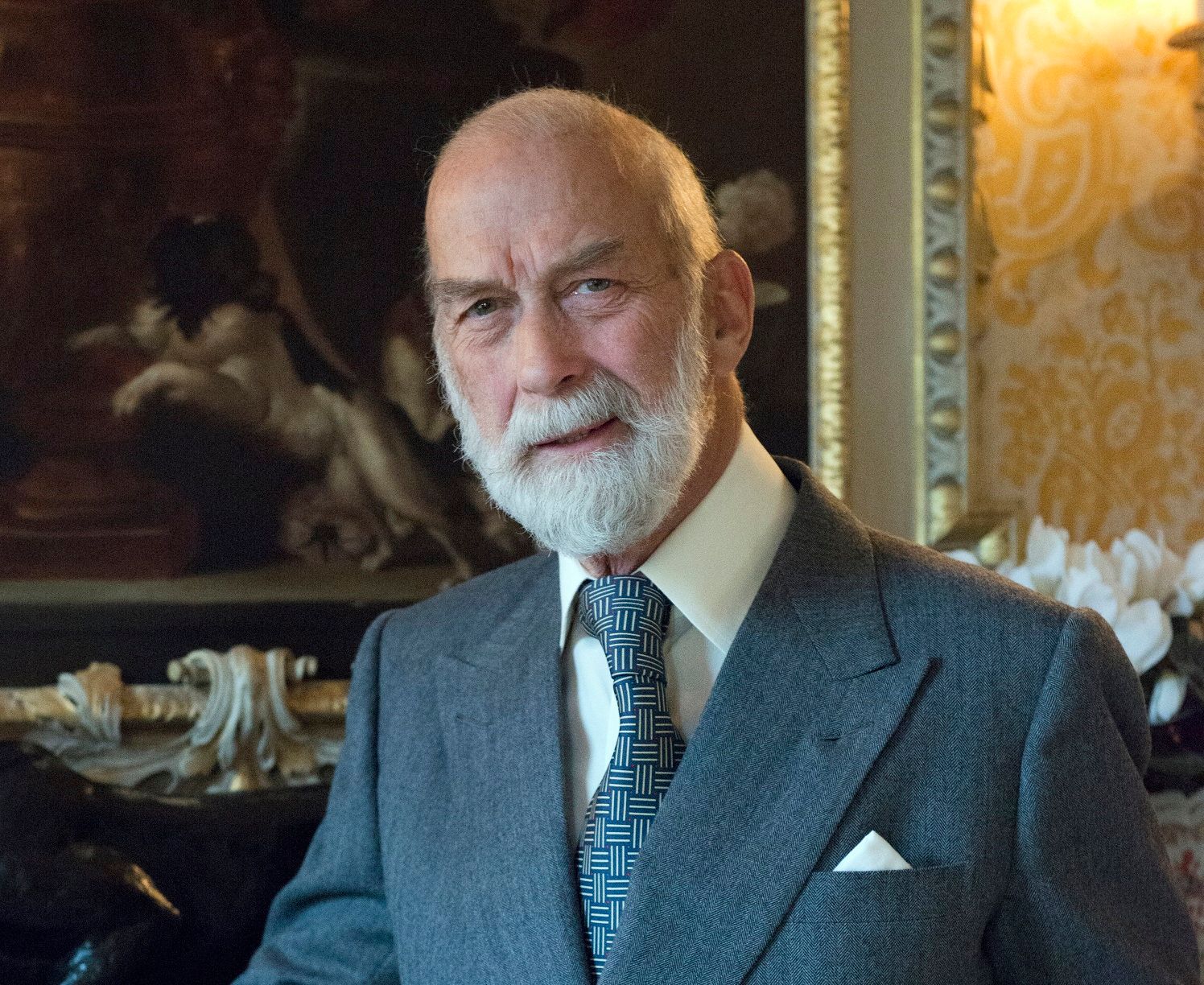
As of 2026, the estimated net worth of Prince Michael of Kent is approximately $40 million. Unlike senior "working" royals, Prince Michael does not receive funding from the Sovereign Grant. His wealth is derived from private business consultancies, inheritance, and personal investments maintained throughout his career as a non-working member of the British Royal Family.
Contents
Understanding Prince Michael’s Status as a Non-Working Royal
To accurately assess the net worth of Prince Michael of Kent, one must first understand his unique position within the British monarchy. Prince Michael is a grandson of King George V and Queen Mary, making him a first cousin of the late Queen Elizabeth II and a first cousin once removed to King Charles III. Despite his high-profile lineage, he has never been a "working royal" in the official sense.
Working royals, such as the Prince and Princess of Wales, carry out full-time official duties on behalf of the Monarch and are supported by the Sovereign Grant—the public fund that covers the costs of the monarchy’s official business. Because Prince Michael does not perform these full-time duties, he has been required to earn his own living for the majority of his adult life. This distinction is crucial because it allows him a level of financial independence and involvement in commercial activities that is strictly forbidden for those at the top of the line of succession.
This self-funded status has defined his financial trajectory. While he occasionally represents the King at functions abroad or attends major state events, these appearances are typically not funded by the taxpayer. Consequently, his net worth is a reflection of private enterprise rather than public service.
Primary Sources of Income and Private Business Ventures
The bulk of Prince Michael’s wealth has been generated through his private business, Kensington Consultancy Ltd. Through this entity, the Prince has offered consultancy services for decades, leveraging his extensive international connections and his deep understanding of global diplomacy and history.
International Consultancy and Linguistic Skills
Prince Michael is a qualified Russian interpreter and has a profound interest in Eastern Europe and Russia. Historically, much of his business involved acting as a bridge for British companies looking to navigate foreign markets. While his business ties to Russia became a point of significant media scrutiny following the geopolitical shifts in 2022, he took steps to distance himself from these associations, resigning from various boards and returning high-level honors.
His consultancy work typically involves:
- Strategic Advisory: Helping firms understand the nuances of international protocol and high-level networking.
- Public Speaking: Engaging in paid speaking tours where he discusses royal history, the evolution of the monarchy, and his own experiences in the military.
- Brand Ambassadorship: Lending his name and presence to luxury brands and heritage organizations that align with his personal interests, such as classic cars and aviation.
Military Pension and Historical Earnings
Before entering the private sector, Prince Michael had a distinguished career in the military. He served in the 11th Hussars (Prince Albert's Own) and spent 20 years in the British Army, retiring with the rank of Major in 1981. While a military pension contributes a steady stream of income, it is a modest fraction of his overall multi-million dollar valuation.
The Kensington Palace Residence: A Financial History
One of the most discussed aspects of Prince Michael’s finances is his residence at Kensington Palace. For decades, the Prince and his wife, Princess Michael of Kent, have resided in a spacious apartment within the palace grounds.
Historically, this arrangement was a source of controversy. In the early 2000s, it was revealed that the late Queen Elizabeth II had been paying the rent for the apartment out of her private funds (the Privy Purse) to recognize the Prince’s years of unpaid service to various charities. However, following public and parliamentary pressure, the arrangement changed.
Since 2010, Prince Michael has been responsible for paying the full market rent for his apartment, which was reported to be approximately £120,000 per year. In 2026, this figure remains a significant out-of-pocket expense. The ability to maintain a residence in one of the world’s most prestigious royal addresses for over 40 years suggests a robust underlying portfolio of liquid assets and investments.
Comparison of Royal Wealth and Funding Structures
To put Prince Michael's $40 million net worth into perspective, it is helpful to compare his financial structure with other members of the Royal Family.
| Royal Member | Primary Funding Source | Working Status | Estimated Wealth Category |
|---|---|---|---|
| King Charles III | Sovereign Grant / Duchy of Lancaster | Working Royal | Billionaire (Private Assets) |
| Prince William | Duchy of Cornwall | Working Royal | High Multi-Millionaire |
| Prince Michael | Private Business / Inheritance | Non-Working Royal | Mid-Tier Multi-Millionaire |
| Duke of Gloucester | Sovereign Grant (Assisted) | Working Royal | Moderate (Private Assets) |
Unlike the King, who inherits vast estates like Sandringham and Balmoral, Prince Michael’s wealth is much more aligned with that of a high-net-worth private citizen who happens to have a royal title. His wealth is "private," meaning it is subject to standard UK taxation on income and capital gains, a fact that differentiates him from the Sovereign.
Inheritance and Personal Assets
Beyond his business earnings, Prince Michael has benefited from the intergenerational transfer of wealth within the House of Windsor. While the largest portions of royal estates (like those of the Queen Mother or Queen Elizabeth II) typically pass from Monarch to Monarch to avoid inheritance tax under the "Sovereign to Sovereign" rule, minor royals often receive personal legacies.
These legacies can include:
- Jewelry and Art: The Kents possess a significant collection of family heirlooms, some of which date back to Queen Mary. These items are of immense historical and financial value.
- Trust Funds: It is widely understood that George VI and George V established various trusts for their descendants to ensure they could maintain a lifestyle commensurate with their status, even if they were not senior working royals.
- Property Investments: While the Prince's primary residence is leased, he has been involved in various real estate interests over the decades, both in the UK and abroad.
The Influence of Princess Michael of Kent
Any discussion of the Prince’s net worth must include the contributions of his wife, Princess Michael of Kent (formerly Baroness Marie Christine von Reibnitz). The Princess has been a prolific author, publishing numerous historical biographies and novels. Her career as a writer and lecturer has provided a consistent secondary income stream for the household.
Her books, such as The Serpent and the Moon and the Anjou Trilogy, have been international bestsellers, contributing significantly to the family's joint financial standing. Her success in the literary world demonstrates the "self-made" nature of this specific branch of the Kent family.
Frequently Asked Questions
Does Prince Michael of Kent receive taxpayer money?
No, Prince Michael of Kent does not receive any funding from the Sovereign Grant or the taxpayer. He is a non-working royal and earns his income through private business, consultancy, and his wife’s literary career.
How much rent does Prince Michael pay at Kensington Palace?
As of recent reports and the established agreement from 2010, Prince Michael pays approximately £120,000 per year in rent. This is the commercial market rate for his apartment at Kensington Palace, paid for from his private funds.
What is Prince Michael of Kent’s business?
His primary business is Kensington Consultancy Ltd. He provides strategic advice, international networking, and consultancy services to various global firms, utilizing his linguistic skills and diplomatic experience.
Why was Prince Michael's wealth controversial in the past?
The controversy primarily stemmed from his previous business ties to Russia and the fact that the late Queen Elizabeth II used to pay his rent. Both issues have since been resolved: he now pays his own rent and has significantly distanced himself from his former Russian business interests following the 2022 invasion of Ukraine.
Is Prince Michael still in the line of succession?
Yes, Prince Michael of Kent is in the line of succession to the British throne. Although he briefly lost his place in the line of succession when he married a Roman Catholic (Marie Christine von Reibnitz) in 1978, his rights were restored in 2015 following the Succession to the Crown Act 2013.
Final Perspective on Royal Financial Independence
The financial life of Prince Michael of Kent serves as a blueprint for the "slimmer monarchy" often discussed in 2026. He represents a tier of royalty that maintains the prestige of the crown while remaining financially autonomous. For those interested in the intersection of nobility and private enterprise, Prince Michael's career illustrates how a minor royal can successfully navigate the world of global business to build a substantial multi-million dollar net worth without relying on the public purse.
Those following the financial evolution of the British Royal Family should look to Prince Michael as a case study in transition—from a state-supported figure to a private consultant. His ability to maintain a $40 million valuation in 2026 highlights the enduring marketability of the royal brand in the private sector.
Image Gallery