Bill Elliott: An Analytical Overview of the Racing Legend and His 2026 Legacy
Bill Elliott, widely known as "Awesome Bill from Dawsonville," remains one of the most iconic figures in American motorsports history, defined by his record-breaking speed and dominance in the NASCAR Winston Cup Series during the 1980s...
Bill Elliott, widely known as "Awesome Bill from Dawsonville," remains one of the most iconic figures in American motorsports history, defined by his record-breaking speed and dominance in the NASCAR Winston Cup Series during the 1980s and 1990s. As of 2026, his legacy is preserved through his profound influence on aerodynamic engineering in stock car racing, his tenure as a 1988 series champion, and his ongoing contributions as a mentor to the next generation of drivers, including his son, Chase Elliott.
Contents
The Defining Eras of Bill Elliott’s Professional Career
The career trajectory of Bill Elliott is categorized by distinct technological and competitive milestones. His rise from the dirt tracks of Georgia to the pinnacle of NASCAR represents a fundamental shift in how team owners approached engineering and engine development.
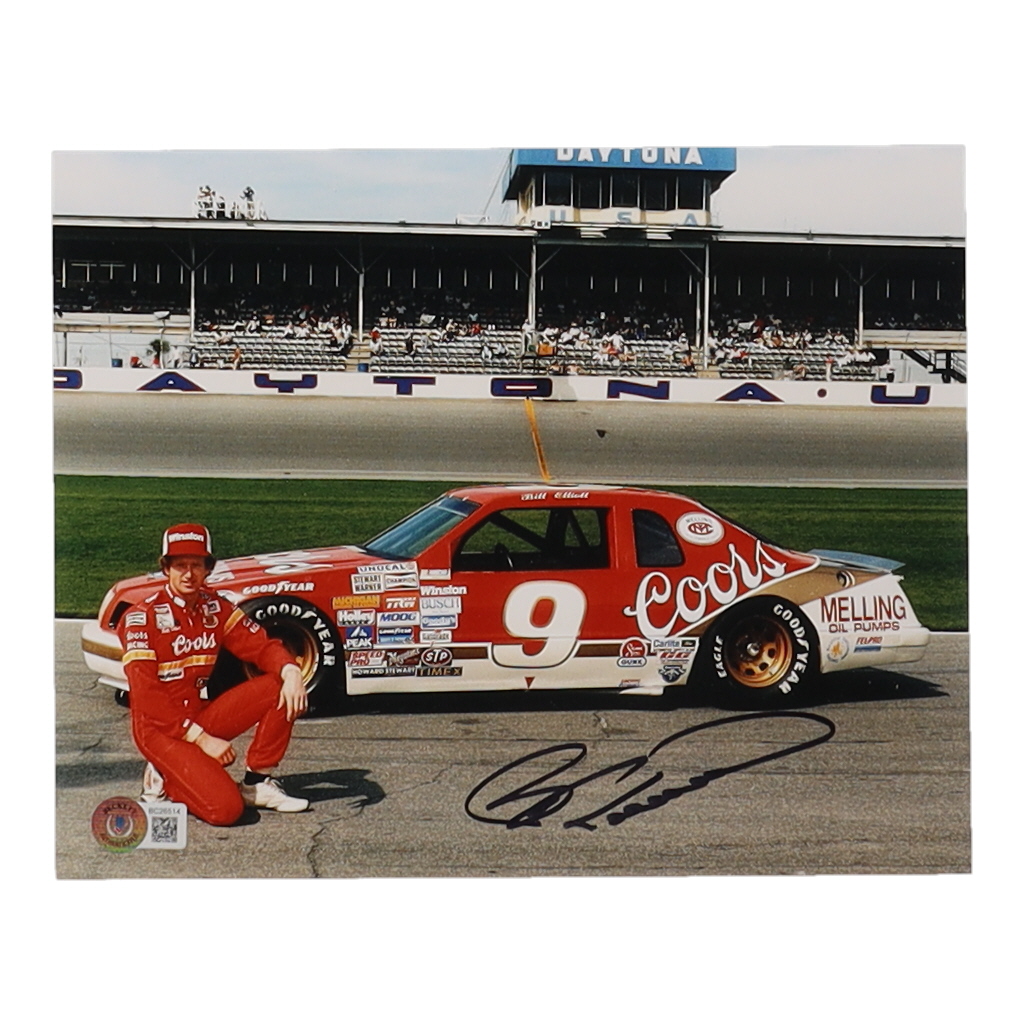
- The 1980s Dominance: This decade marked the zenith of Elliott’s technical impact. Driving for Melling Racing, Elliott famously utilized the Ford Thunderbird to achieve unprecedented speeds, most notably setting the track record at Talladega Superspeedway in 1987, reaching an average speed of 212.809 mph. This record remains a standard reference point for aerodynamic efficiency in the pre-restrictor plate era.
- The 1988 Championship Run: Winning the NASCAR Winston Cup championship in 1988 was the culmination of relentless precision. Elliott secured six victories and accumulated 22 top-ten finishes that season, showcasing a mastery of track versatility—from short tracks to high-banked superspeedways.
- Legacy and Transition: After transitioning from a primary driver to an owner-driver and eventually a mentor, Elliott’s influence evolved. In 2026, his role is primarily that of an ambassador for the sport, emphasizing the historical integrity of NASCAR while supporting modern safety and technical advancements.
Technical Contributions to Stock Car Aerodynamics
Bill Elliott’s impact on racing extends beyond his trophy case; it is rooted in the "Melling Thunderbird" era, which changed how NASCAR teams approached vehicle drag and downforce.
The following table summarizes the technical evolution of the cars driven by Elliott during his most competitive years compared to the modern standard in 2026:
| Feature | 1985 Melling Thunderbird | 2026 Next Gen Car |
|---|---|---|
| Aerodynamic Focus | Body drag reduction | Downforce and side-force balance |
| Engine Type | Pushrod V8 (Carbureted) | EFI V8 (Standardized) |
| Transmission | 4-Speed Manual | 5-Speed Sequential |
| Safety Systems | Basic roll cage, lap belts | Impact-attenuating chassis, HANS device |
| Driver Aid | Minimal telemetry | Real-time ECU data acquisition |
Engineering Philosophy
The philosophy employed during the mid-80s centered on "slippery" car designs. Bill Elliott’s team was instrumental in demonstrating that reducing the coefficient of drag was as vital as engine horsepower. By fine-tuning the front air dam and rear spoiler angles, Elliott consistently outperformed competitors who relied solely on raw engine output. This era forced NASCAR to standardize technical rules to maintain parity, directly influencing the technical regulations enforced by the sanctioning body in 2026.
Comparison of Career Achievements and Statistical Impact
When evaluating Bill Elliott’s standing against other multi-era drivers, his metrics remain elite. He stands as a two-time winner of the Daytona 500 (1985 and 1987) and the winner of the inaugural Winston Million in 1985—a feat that required winning three of the sport’s four major races in a single season.
Key Competitive Milestones
- Winston Million (1985): A seminal moment that elevated NASCAR’s national profile by creating the first "Grand Slam" style pressure environment for drivers.
- Most Popular Driver Award: Elliott holds the record for winning this award 16 times, a testament to his sustained connection with the fanbase, which remains a key metric for sponsor value in 2026.
- Hall of Fame Induction: Inducted into the NASCAR Hall of Fame in 2015, recognizing his holistic contributions as a driver, team owner, and pioneer of high-speed technical standards.
The Intersection of Legacy and Modern Mentorship
In 2026, the Elliott family name is synonymous with the Hendrick Motorsports program. Bill’s influence on Chase Elliott’s driving style—characterized by mechanical sympathy and calculated risk-taking—is widely acknowledged by crew chiefs and industry analysts. Bill continues to provide insights into track character, tire wear management, and the mental discipline required for the grueling 36-race season.
Common Misconceptions Regarding Bill Elliott’s Records
- The Talladega Record: Some fans incorrectly believe his 1987 speed record was broken during the restrictor plate era. In reality, the introduction of plates in 1988 made such speeds impossible, meaning his record stands as a "closed-course" historical benchmark that will never be challenged under current safety rules.
- Technical Rule Changes: It is a misconception that Elliott’s speed was solely due to engine size; in fact, the engines were heavily restricted by displacement rules. His success was largely derived from bodywork fabrication that pushed the limits of the rulebook.
Frequently Asked Questions
How many total wins did Bill Elliott achieve in the NASCAR Cup Series? Bill Elliott retired with 44 career victories in the NASCAR Cup Series. These wins were earned across a career that spanned over three decades, beginning in 1976 and concluding with his final appearances in the early 2010s.
Is Bill Elliott still competing in 2026? No, Bill Elliott is not a full-time competitor in 2026. He occasionally participates in exhibition events or grassroots racing to stay connected to the sport, but his primary focus remains on supporting his family’s racing interests and his personal business ventures.
Why is Bill Elliott considered a pioneer in aerodynamics? He was one of the first drivers to work extensively with aerodynamicists to understand how airflow over the car body affected cornering speed. His work with the 1985 and 1987 Ford Thunderbirds proved that reducing drag was essential for competitive advantage on high-speed ovals.
What is the significance of the Winston Million to Elliott’s career? The Winston Million, won by Elliott in 1985, was a $1 million bonus for winning three of the sport’s four "crown jewel" races. Achieving this cemented his status as a national superstar and significantly boosted the marketing reach of the sport during the mid-80s.
Does Bill Elliott provide private driving instruction in 2026? While he is not a professional driving instructor, Bill Elliott frequently shares technical advice and driving theory through official NASCAR media channels and team-sponsored development programs intended for young drivers coming up through the ranks.
How does modern telemetry compare to what Elliott had in the 1980s? In the 80s, Elliott relied on his sensory feedback and rudimentary gauges. In 2026, drivers have access to hundreds of channels of real-time data, including shock travel, brake pressure, and laser-measured ride heights, which provide a significantly more analytical approach to vehicle setup.
Strategic Recommendations for Racing Enthusiasts
For those interested in studying the mechanics of stock car racing, analyzing the career of Bill Elliott serves as an excellent introduction to the necessity of vehicle setup. To fully understand his impact, one should review the historical race data from the 1985 and 1987 seasons, specifically focusing on the qualifying speeds at superspeedways. Understanding the transition from the "DIY" engineering era of the 1980s to the highly regulated, data-driven environment of 2026 provides a comprehensive perspective on how professional motorsports have professionalized and prioritized driver safety over raw, unbridled velocity.
Image Gallery