Who is Dying from Coronavirus? Understanding High-Risk Demographics in 2026
In 2026, COVID-19 deaths primarily occur among the eldest populations (age 80+), individuals with severe immunocompromising conditions, and those with multiple advanced chronic illnesses. While overall mortality has stabilized due to w...
In 2026, COVID-19 deaths primarily occur among the eldest populations (age 80+), individuals with severe immunocompromising conditions, and those with multiple advanced chronic illnesses. While overall mortality has stabilized due to widespread hybrid immunity and the availability of antivirals, high-risk individuals remain vulnerable, particularly if their booster vaccinations are not current.
Contents
The landscape of the SARS-CoV-2 pandemic has shifted significantly from the crisis levels of 2020–2022 to the endemic stability observed today in 2026. However, the virus remains a significant cause of respiratory-related mortality. Understanding who is currently succumbing to the virus requires a look at biological vulnerability, the efficacy of pharmaceutical interventions, and the socio-economic factors that dictate access to care.
The Demographic Shift: From Pandemic to Endemic Mortality
The profile of individuals dying from COVID-19 has narrowed considerably since the early years of the pandemic. In 2020, mortality was widespread, often affecting middle-aged adults and those with even moderate health issues because the global population was "immunologically naive." By 2026, a combination of repeated vaccinations and natural infections has created a baseline of hybrid immunity that protects the vast majority of the population from severe disease.
Current mortality data indicates that COVID-19 deaths are now heavily concentrated in the "frail" population. This includes individuals whose immune systems are either naturally declining due to age or are being suppressed by medical treatments. The transition to an endemic state means that while the virus circulates year-round, its impact on the general workforce and younger demographics has plummeted. Today, the mortality rate more closely mirrors that of other severe respiratory pathogens, such as influenza or respiratory syncytial virus (RSV), though COVID-19 still maintains a higher baseline of annual fatalities in high-risk groups.
Age as the Primary Risk Factor: The 80+ Cohort
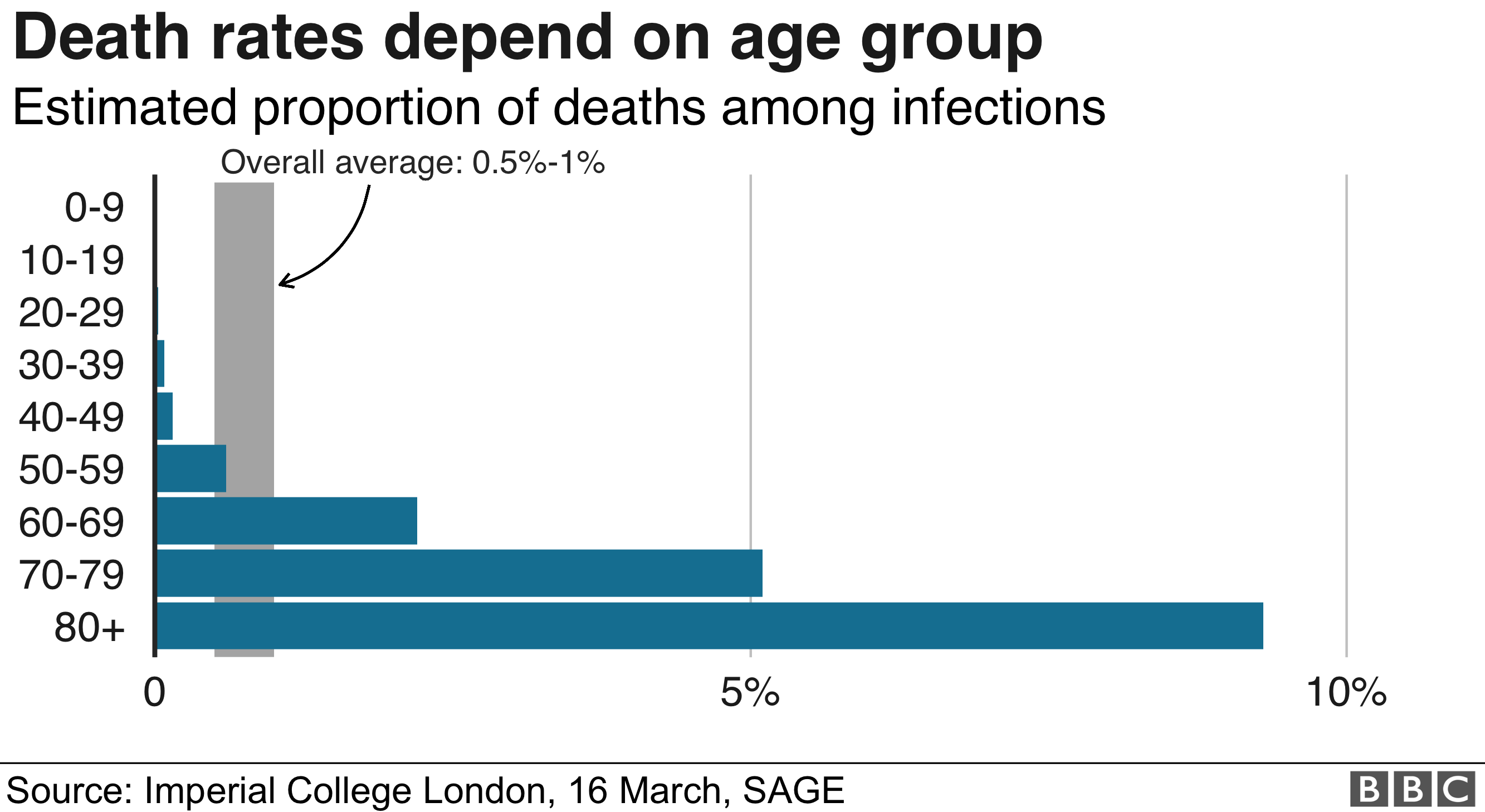
Age remains the single most significant predictor of mortality. In 2026, the risk of death from a COVID-19 infection for a person over 80 is hundreds of times higher than for a person in their 20s. This is primarily due to a biological phenomenon known as immunosenescence, the gradual deterioration of the immune system associated with aging.
As people age, their bodies produce fewer naive T-cells, which are essential for responding to new viral variants. Furthermore, the "memory" response triggered by previous vaccinations tends to wane more quickly in the elderly. Even with the current 2026 seasonal boosters, the oldest old often fail to mount a robust enough defense to prevent the virus from moving from the upper respiratory tract into the lungs.
Data from the World Health Organization and the Centers for Disease Control and Prevention continue to show that nearly 70% of all COVID-19-related deaths occur in the 75+ age bracket. In these cases, COVID-19 often acts as a "terminal event" for patients already suffering from general frailty or other age-related declines.
Clinical Vulnerability: The Immunocompromised
The second major group currently dying from coronavirus includes the immunocompromised. This is a diverse demographic that includes:
- Organ Transplant Recipients: Patients taking powerful immunosuppressants to prevent organ rejection often cannot generate a sufficient antibody response to vaccines.
- Cancer Patients: Those undergoing active chemotherapy or receiving B-cell depleting therapies (such as Rituximab) remain at extreme risk.
- Advanced HIV/AIDS Patients: Particularly those without consistent access to antiretroviral therapy.
- Autoimmune Disorder Patients: Individuals on high-dose steroids or biological modifiers.
For these individuals, the "endemic" nature of the virus is a persistent threat. While the general public has returned to 2019-era social norms, the immunocompromised must rely on "evacuative" strategies or specialized treatments like monoclonal antibodies (where they remain effective against current strains) and early-access antivirals. When these treatments fail or are delayed, the risk of viral replication in the deep lung tissue leads to the cytokine storm and organ failure seen in the early pandemic.
The Impact of Pre-existing Chronic Illness
While age and immune status are critical, comorbidities remain a decisive factor in who survives an infection. In 2026, deaths are frequently recorded among individuals with "end-stage" chronic conditions. The virus places immense strain on the cardiovascular and renal systems, often leading to death not just from respiratory failure, but from complications of underlying disease.
Cardiovascular Disease and Heart Failure
SARS-CoV-2 is known to cause systemic inflammation and vascular stress. For a patient with existing congestive heart failure, the metabolic demand of fighting a viral infection can lead to acute cardiac arrest or worsening failure.
Chronic Kidney Disease (CKD)
Patients on dialysis or with Stage 4/5 CKD represent a significant portion of hospitalizations and deaths. The kidneys are sensitive to the inflammatory markers produced during a severe COVID-19 bout, and the limited treatment options (as some antivirals must be dose-adjusted for renal function) complicate their recovery.
Advanced Diabetes
Poorly managed diabetes continues to be a major mortality driver. High blood sugar levels can impair the immune response and promote a more hospitable environment for viral replication, leading to secondary bacterial infections that contribute to the cause of death.
Vaccination Status and Waning Immunity
A critical takeaway in 2026 is that "who is dying" is often a question of "when was their last dose?" The definition of "unvaccinated" has evolved. In the current landscape, an individual who received their primary series in 2021 but has not had a booster in over 12 months is considered significantly vulnerable.
Most current deaths occur in individuals who have declined seasonal updates. The virus continues to undergo minor antigenic drifts, and while the core protection against death remains stronger than it was in 2020, the reduction in circulating antibodies over time allows the virus to gain a foothold in the lower respiratory tract. "Breakthrough" deaths in the healthy and young are nearly non-existent, but breakthrough deaths in the elderly are almost always linked to a lapse in the 6-month or 12-month booster cycle.
Geographic and Socioeconomic Disparities
The sociology of COVID-19 mortality in 2026 cannot be ignored. Mortality is increasingly concentrated in populations with:
- Limited Access to Antiviral Therapy: Medications like Paxlovid and newer 2026-gen antivirals are highly effective at preventing death if taken within 3–5 days of symptom onset. Deaths are higher in regions or neighborhoods where "pharmacy deserts" or lack of health insurance prevent rapid access to these scripts.
- Congregate Living Environments: Nursing homes and long-term care facilities remain the primary sites of "cluster deaths." Even with high vaccination rates, the sheer density of vulnerable individuals allows for high viral loads that can overwhelm individual defenses.
- Occupational Exposure: While less common than in 2020, those in low-wage frontline roles who cannot afford to isolate when symptomatic contribute to the spread within high-risk households.
Mortality Risk Comparison (2026 Data Trends)
The following table summarizes the relative risk levels for different groups based on 2026 clinical observations.
| Risk Group | Estimated Mortality Risk (Relative to Baseline) | Primary Contributing Factor |
|---|---|---|
| Healthy Adults (20-50) | Very Low (<0.01%) | Hybrid immunity from vaccines/infection. |
| Elderly (80+) | High (5% - 15%) | Immunosenescence and frailty. |
| Severely Immunocompromised | High (10% - 20%) | Failure of vaccine-induced antibody production. |
| Unvaccinated/Non-Boosted | Moderate to High | Lack of current mucosal and systemic defense. |
| Chronic Respiratory Disease | Moderate | Reduced lung reserve and secondary pneumonia. |
| End-stage Renal/Cardiac | Moderate to High | Systemic inflammatory strain on failing organs. |
The Role of Antiviral Resistance and Access
One emerging concern in 2026 is the development of resistance to first-line antivirals. In cases where the virus has evolved to bypass specific protease inhibitors, patients who would previously have been saved are now facing more difficult clinical outcomes. The medical community has responded with combination therapies, but for those in lower-income brackets or developing nations, access to these multi-drug regimens is often delayed.
Furthermore, the "Who" in the question of mortality is often defined by the speed of diagnosis. Because COVID-19 symptoms in 2026 often mimic a common cold due to existing immunity, many high-risk individuals delay testing. By the time they realize the infection is severe, the window for effective antiviral intervention has closed. This delay is a leading factor in preventable deaths among the elderly.
FAQ
Is the current 2026 variant more deadly than previous ones?
No, current variants are not intrinsically more "virulent" (deadly) than the Omicron sublineages of 2023–2024. However, they are highly transmissible and have evolved subtle ways to evade the initial "neutralizing" antibodies from older vaccine formulations. This makes them dangerous primarily to those who have not received the most recent updated boosters.
Can you still die from COVID-19 if you are fully vaccinated?
Yes, but the risk is almost exclusively confined to the "vulnerable" groups mentioned above (the very old and the severely immunocompromised). For a healthy, vaccinated person under 65, the risk of death is statistically negligible in 2026. Deaths in vaccinated individuals are usually due to the body’s inability to mount a response despite the "blueprint" provided by the vaccine.
Does "natural immunity" from a 2022 infection still protect you?
Immunity from a previous infection wanes over time, especially as the virus evolves. While a 2022 infection provides some "t-cell memory" that helps prevent total organ failure, it provides very little protection against infection or moderate illness in 2026. Relying on "natural immunity" from years ago is a significant risk factor for older adults.
Why are deaths still happening if the pandemic is "over"?
Epidemiologically, a pandemic "ends" when the virus reaches a predictable, manageable level (endemicity), not when it disappears. Like the 1918 flu, the virus that caused the COVID-19 pandemic is now a permanent part of the human respiratory landscape. It continues to claim lives among the most vulnerable, just as pneumonia and flu have done for centuries.
Are children still at risk of dying from coronavirus?
In 2026, COVID-19 mortality in children remains exceedingly rare. The few pediatric deaths recorded are almost always associated with severe underlying conditions, such as advanced pediatric cancers or rare genetic immunological deficiencies. For the vast majority of children, the virus causes a mild, self-limiting illness.
Recommended Actions for High-Risk Individuals
To minimize the risk of mortality in the 2026 landscape, individuals in high-risk categories should prioritize a proactive defense strategy. This includes maintaining a 6-month booster schedule as recommended by health authorities to keep neutralizing antibody levels high.
Additionally, high-risk patients should have a "pre-planned" treatment path: identify a healthcare provider who can call in a 2026-gen antiviral prescription the moment a positive test is recorded. Early testing—within the first 24 hours of symptoms—is the most effective way to ensure that current medical interventions can prevent a hospitalization from turning into a fatality.
Image Gallery