Understanding the Pollen Count in GA: 2026 Allergy Season Guide
Georgia's pollen count is a primary driver of seasonal allergies, largely due to the dense pine, oak, and sweetgum tree populations across the state, which create some of the highest particulate measurements in the country during sprin...
Georgia's pollen count is a primary driver of seasonal allergies, largely due to the dense pine, oak, and sweetgum tree populations across the state, which create some of the highest particulate measurements in the country during spring. Managing these allergen spikes requires understanding local environmental triggers, tracking daily metrics provided by certified reporting stations, and deploying evidence-based mitigation strategies to protect respiratory health.
Contents
Decoding Georgia Pollen Counts: Metrics and Measurement Standards
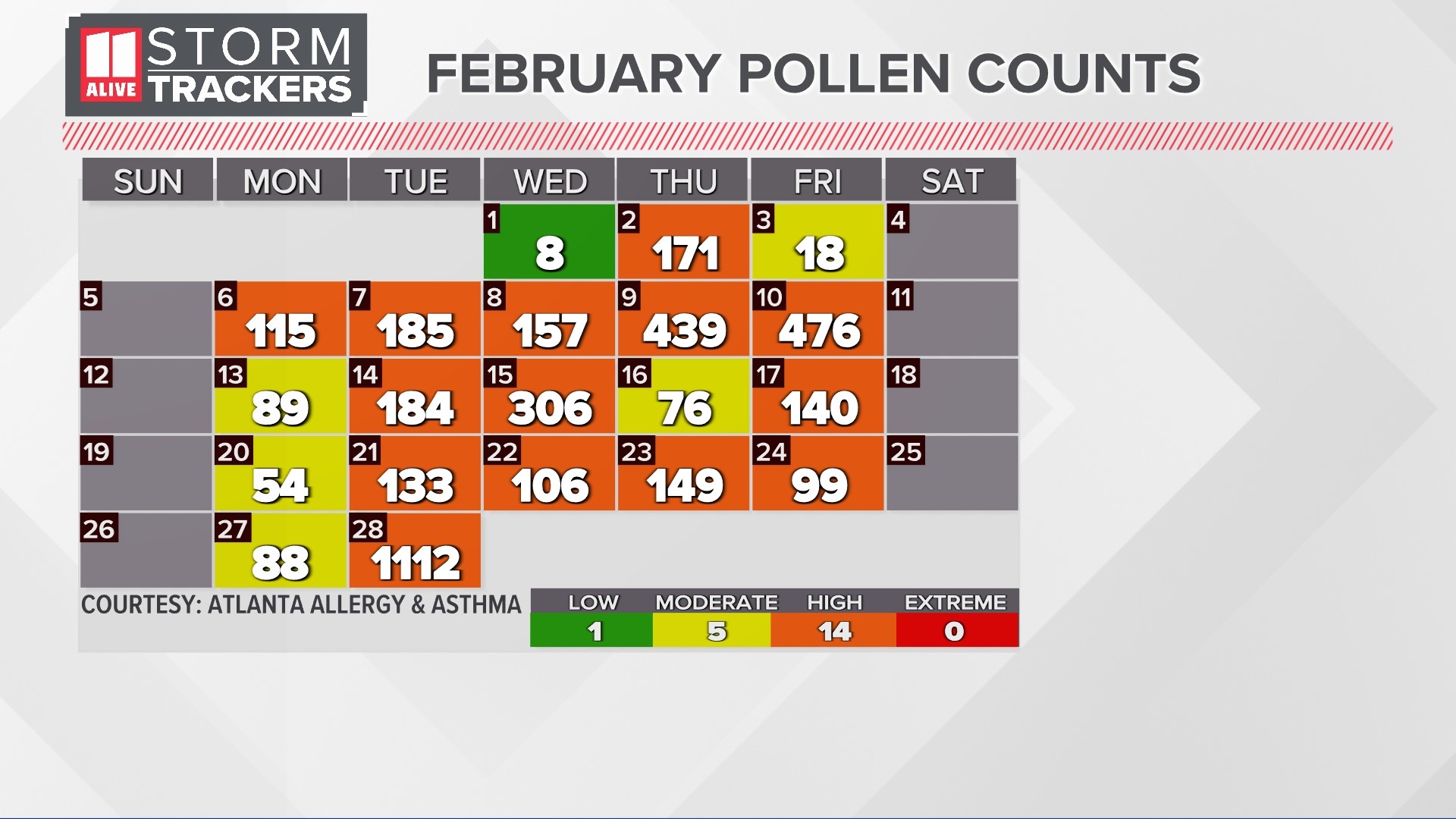
Evaluating air quality and allergen density relies on standardized measurement frameworks. The National Allergy Bureau (NAB), a section of the American Academy of Allergy, Asthma & Immunology (AAAAI), certifies pollen counting stations across the United States. In Georgia, monitoring networks—frequently operated in partnership with specialized medical centers like the Atlanta Allergy & Asthma clinic—pull air samples daily to quantify pollen grains per cubic meter of air.
Understanding these metrics prevents unnecessary panic while signaling when to initiate proactive medical defenses. The counts are categorized into specific density tiers that correlate directly with symptom severity for sensitized individuals.
- Low: 0 to 14 grains per cubic meter of air. Symptoms are typically manageable for most individuals without aggressive intervention.
- Moderate: 15 to 89 grains per cubic meter. Sensitive individuals begin experiencing mild rhinitis, sneezing, and ocular itching.
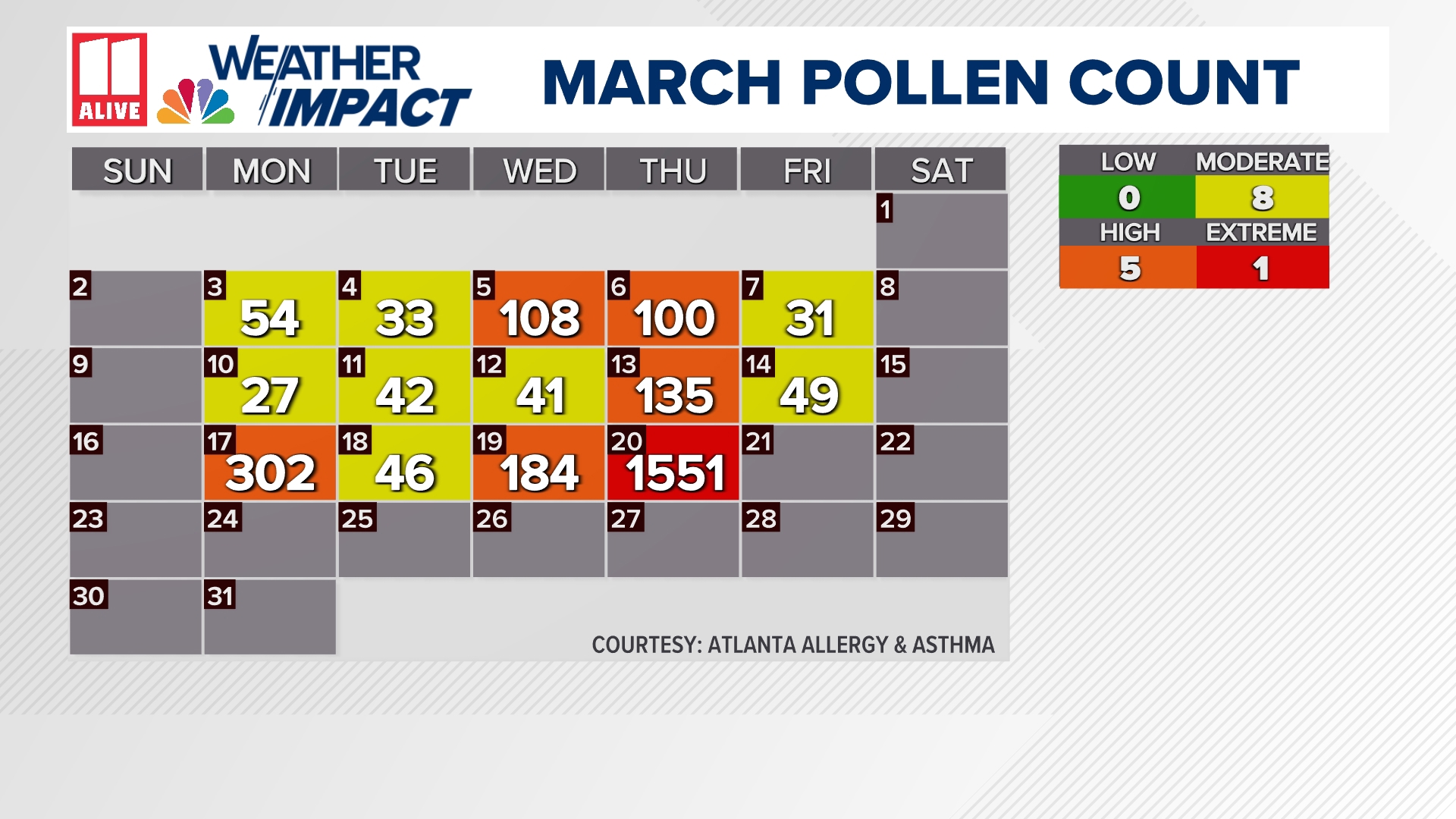
- High: 90 to 1,499 grains per cubic meter. The vast majority of people with allergic rhinitis experience pronounced symptoms.
- Very High: 1,500 or more grains per cubic meter. A standard threshold for extreme pollen events, common in peak Georgia springs when pine and oak release billions of grains simultaneously.
The visual yellow dusting that covers vehicles, porches, and sidewalks across Georgia is predominantly pine pollen. While visually overwhelming, pine pollen grains are relatively large and heavy, making them less allergenic than the microscopic, airborne pollen released by oak, hickory, pecan, and various grasses or weed species. However, the sheer volume of pine combined with invisible co-pollutants triggers significant immune responses.
Seasonal Progression of Allergens in Georgia
Allergen exposure in Georgia is a year-round phenomenon with distinct seasonal peaks. Pinpointing the exact timing of these shifts allows residents to anticipate flare-ups and adjust their exposure profiles accordingly.
| Season | Primary Allergenic Plants | Typical Timeframe | Clinical Impact |
|---|---|---|---|
| Late Winter / Early Spring | Oak, Elm, Maple, Birch, Pine | February – May | Severe allergic rhinitis, asthma exacerbations, widespread yellow surface accumulation. |
| Late Spring / Early Summer | Grasses (Bermuda, Fescue, Orchard) | May – July | Persistent nasal congestion, itchy eyes, overlapping tree residue. |
| Late Summer / Fall | Ragweed, Pigweed, Sagebrush, Dock | August – First Frost | High particulate load, exacerbated by dry autumn winds and decaying leaf mold. |
| Winter | Indoor Allergens (Dust mites, Mold, Pet dander) | November – January | Indoor concentration due to closed-house protocols and heating systems. |
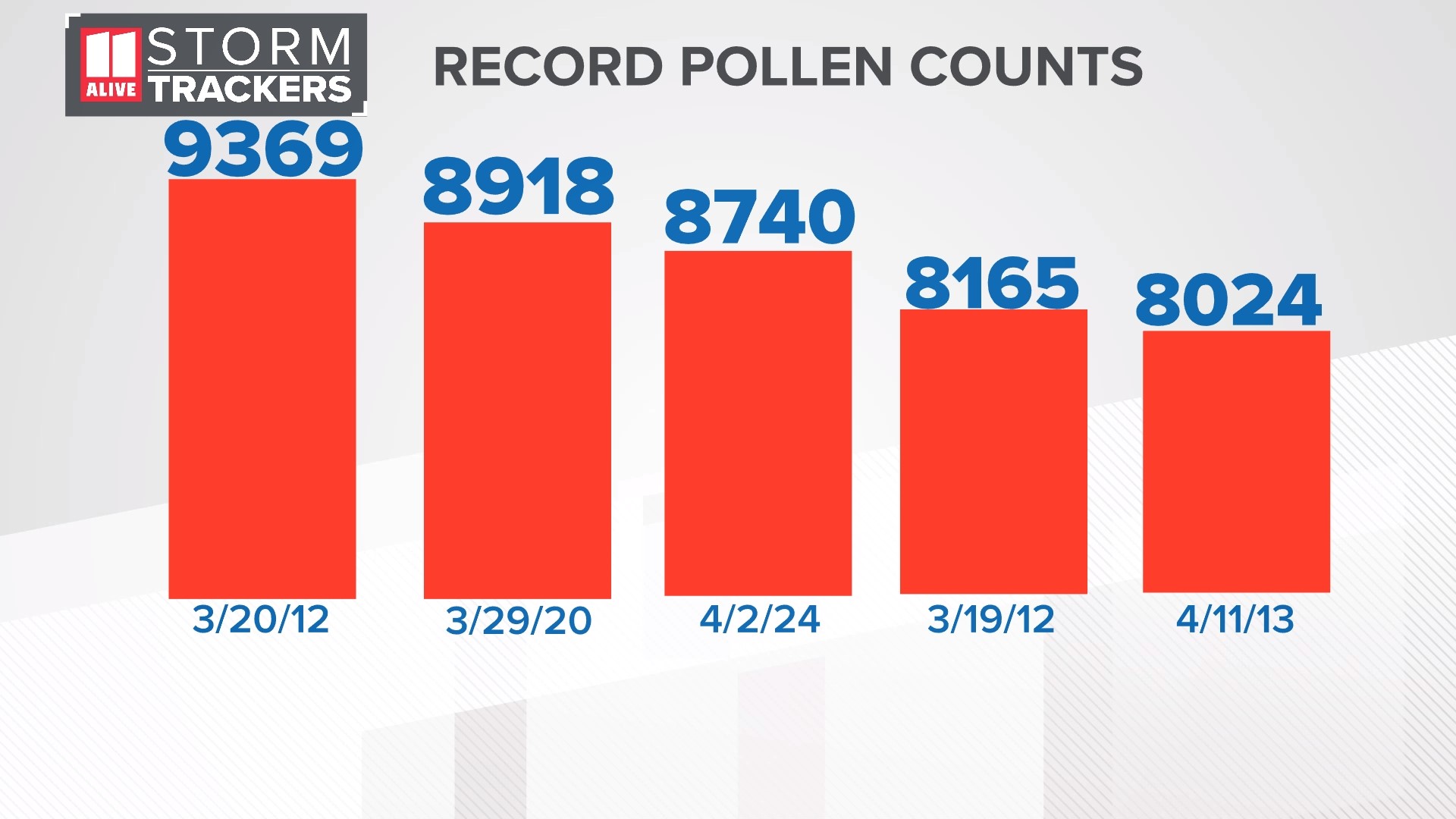
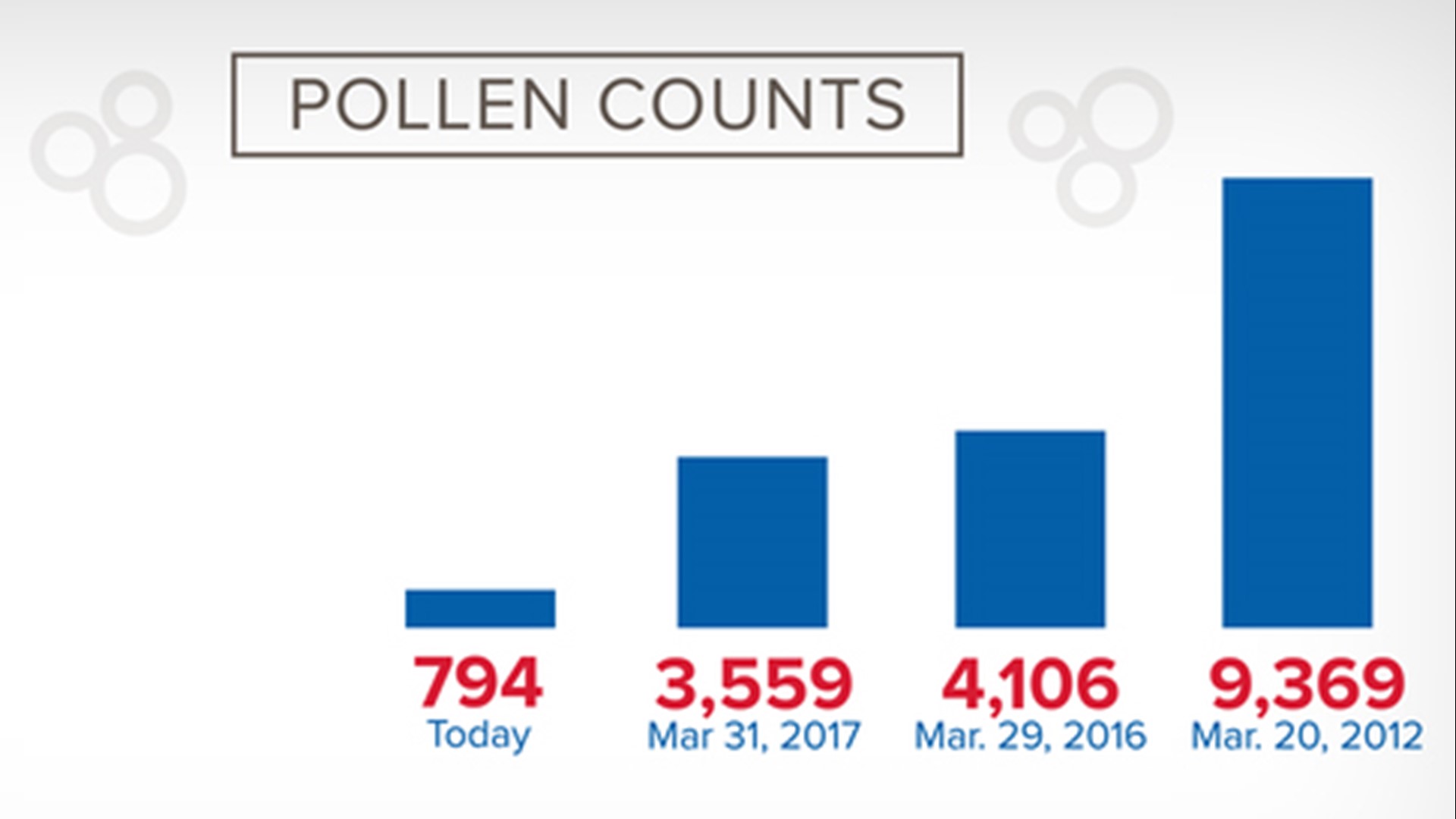
Tree pollen dominates the Georgia landscape early in the year, often pushing regional counts into record-breaking territory by late March or early April. As tree pollination subsides, warm-season grasses take over, followed aggressively by ragweed as temperatures begin to moderate in late August.
Comprehensive Mitigation Strategies for High-Pollen Days
When Georgia pollen counts surge into the high and very high categories, lifestyle modifications are essential to minimize systemic immune activation. Reducing particulate load on mucosal surfaces prevents the escalation of chronic inflammation.
- Monitor Daily Forecasts: Check certified local allergy reports before planning outdoor activities. Peak pollen release typically occurs during mid-morning and early afternoon hours.
- Optimize Home Air Filtration: Keep residential windows firmly closed during peak seasons. Utilize HVAC systems equipped with HEPA (High-Efficiency Particulate Air) filters, and run standalone HEPA air purifiers in primary bedrooms and living spaces.
- Manage Personal Decontamination: Upon returning indoors from high-pollen environments, immediately shower, wash hair, and change clothing. Pollen clings tightly to fabric and hair strands, continuing to trigger symptoms long after coming inside.
- Utilize Barrier Protection: Wear wraparound sunglasses and wide-brimmed hats when venturing outdoors to physically block wind-borne pollen from entering ocular membranes. Consider wearing a certified N95 respirator mask during mandatory outdoor chores like lawn mowing or leaf blowing.
- Establish Nasal Irrigation Routines: Flush nasal passages daily with sterile saline rinses or neti pots using distilled or boiled water to physically clear trapped allergens from the nasal mucosa before they trigger a histamine release.
Medical Treatments and Pharmacotherapy Options
When environmental controls prove insufficient, clinical interventions provide substantial relief. A structured pharmaceutical approach targets different pathways of the allergic cascade.
- Oral Antihistamines: Second-generation antihistamines (such as cetirizine, loratadine, and fexofenadine) block histamine receptors without causing the severe drowsiness associated with older formulations.
- Intranasal Corticosteroids: Sprays like fluticasone, budesonide, and mometasone represent the gold standard for controlling allergic rhinitis by reducing localized mucosal inflammation. Consistent daily use is required for maximum efficacy.
- Ocular Drops: Antihistamine/mast cell stabilizer eye drops (such as ketotifen or olopatadine) offer rapid relief for allergic conjunctivitis, soothing itchy, red, and watery eyes.
- Allergy Immunotherapy: For long-term remission, patients can consult board-certified allergists regarding Subcutaneous Immunotherapy (allergy shots) or Sublingual Immunotherapy (tablets or drops), which gradually desensitize the immune system to specific Georgia allergens.
Frequently Asked Questions Regarding Georgia Pollens
Why does Georgia have such severe pollen counts?
Georgia features a unique combination of mild winters, abundant rainfall, and vast tracts of pine and deciduous hardwood forests. This ecosystem creates an ideal environment for prolific tree pollination starting earlier in the year than in northern states.
Is the yellow dust on my car the main cause of my allergies?
No. The visible yellow powder is pine pollen, which has large grains that rarely penetrate deep into the respiratory tract. Smaller, invisible pollens from oak, birch, and other trees are the primary culprits behind severe allergy symptoms.
When does the worst of the pollen season end in Georgia?
Tree pollen season typically peaks in March and April, tapering off significantly by late May. However, grass pollen immediately follows through the summer, transitioning directly into ragweed season by August.
Can localized rain help clear the pollen out of the air?
Rain temporarily washes pollen out of the atmosphere, providing short-term relief. However, heavy downpours can rupture pollen grains into smaller, highly allergenic fragments, sometimes causing a temporary spike in severe symptoms immediately after the storm passes.
How can I verify the exact pollen count for my specific city in Georgia?
Certified counts are published daily by regional healthcare networks, allergy practices, and environmental monitoring organizations like the National Allergy Bureau. Local weather broadcasts also source real-time volumetric data from certified Rotorod samplers across the state.
Strategic Health Recommendation for Georgia Residents
Navigating Georgia's intense allergy seasons successfully requires a proactive, multi-layered defense combining daily environmental tracking, rigorous personal hygiene, and appropriate medical management. Consult a qualified allergist or primary care physician to develop a personalized treatment plan tailored to your specific sensitization profile before peak counts force reactive measures.
Image Gallery