Silver Line Metro: Comprehensive Route, Stations, and Navigation Guide for 2026
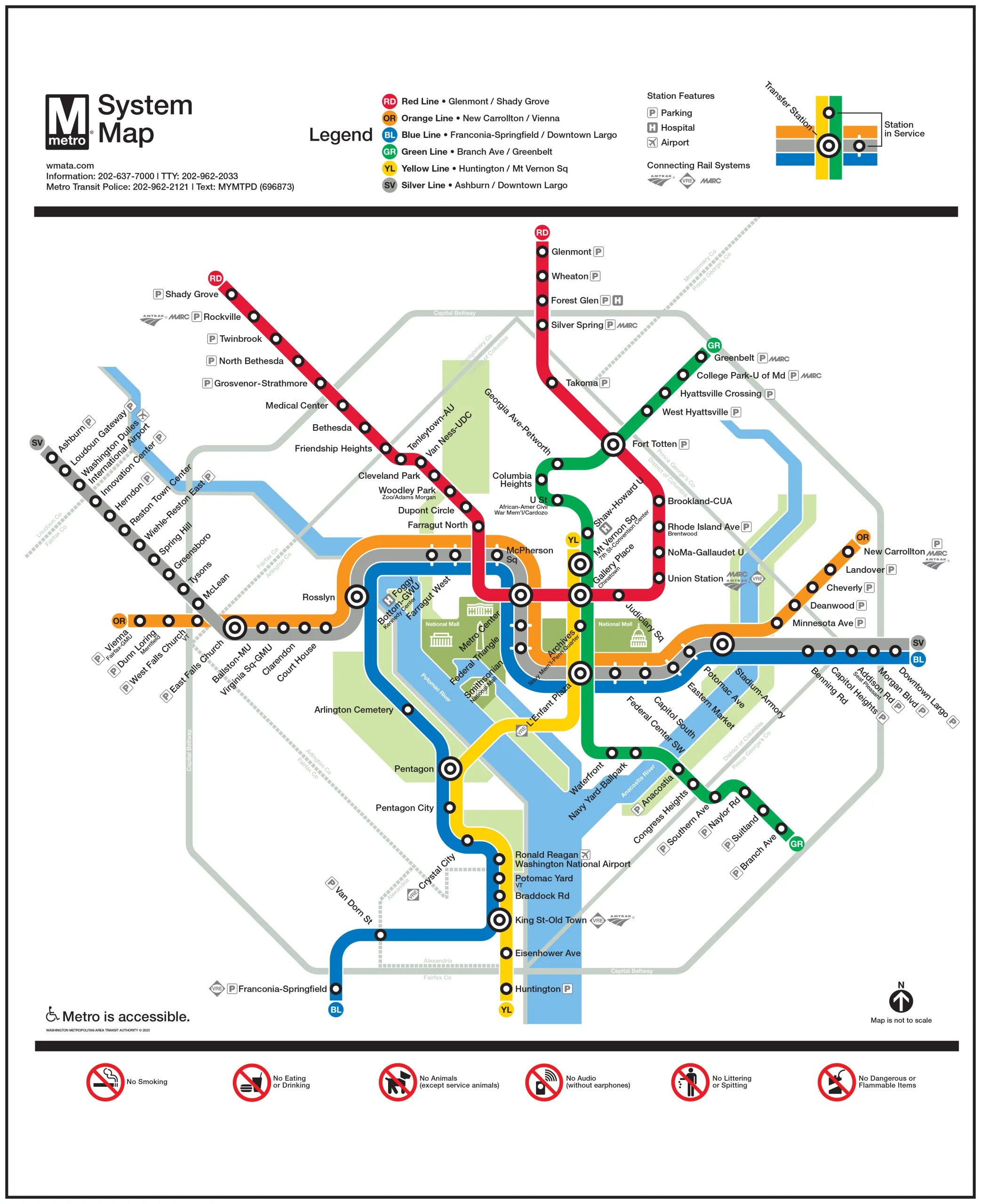
The Washington Metro Silver Line is a vital rapid transit rail system connecting Loudoun and Fairfax counties in Virginia with downtown Washington, D.C., and Largo, Maryland, featuring 28 active stations across the Dulles corridor and...
The Washington Metro Silver Line is a vital rapid transit rail system connecting Loudoun and Fairfax counties in Virginia with downtown Washington, D.C., and Largo, Maryland, featuring 28 active stations across the Dulles corridor and beyond. Navigating this modern transit corridor requires a thorough understanding of its routing, station infrastructure, fare policies, and connection options for daily commuters and air travelers alike.
Contents
Evolution and Corridor Architecture of the Silver Line
The Washington Metro Silver Line represents one of the largest infrastructure investments in the United States capital region, designed to alleviate congestion along the Dulles Corridor and integrate fast-growing suburban job centers into the core Metrorail network. Originally conceptualized to link Washington, D.C., with Washington Dulles International Airport and expanding business districts in Northern Virginia, the project was executed in two major phases by the Washington Metropolitan Area Transit Authority (WMATA).
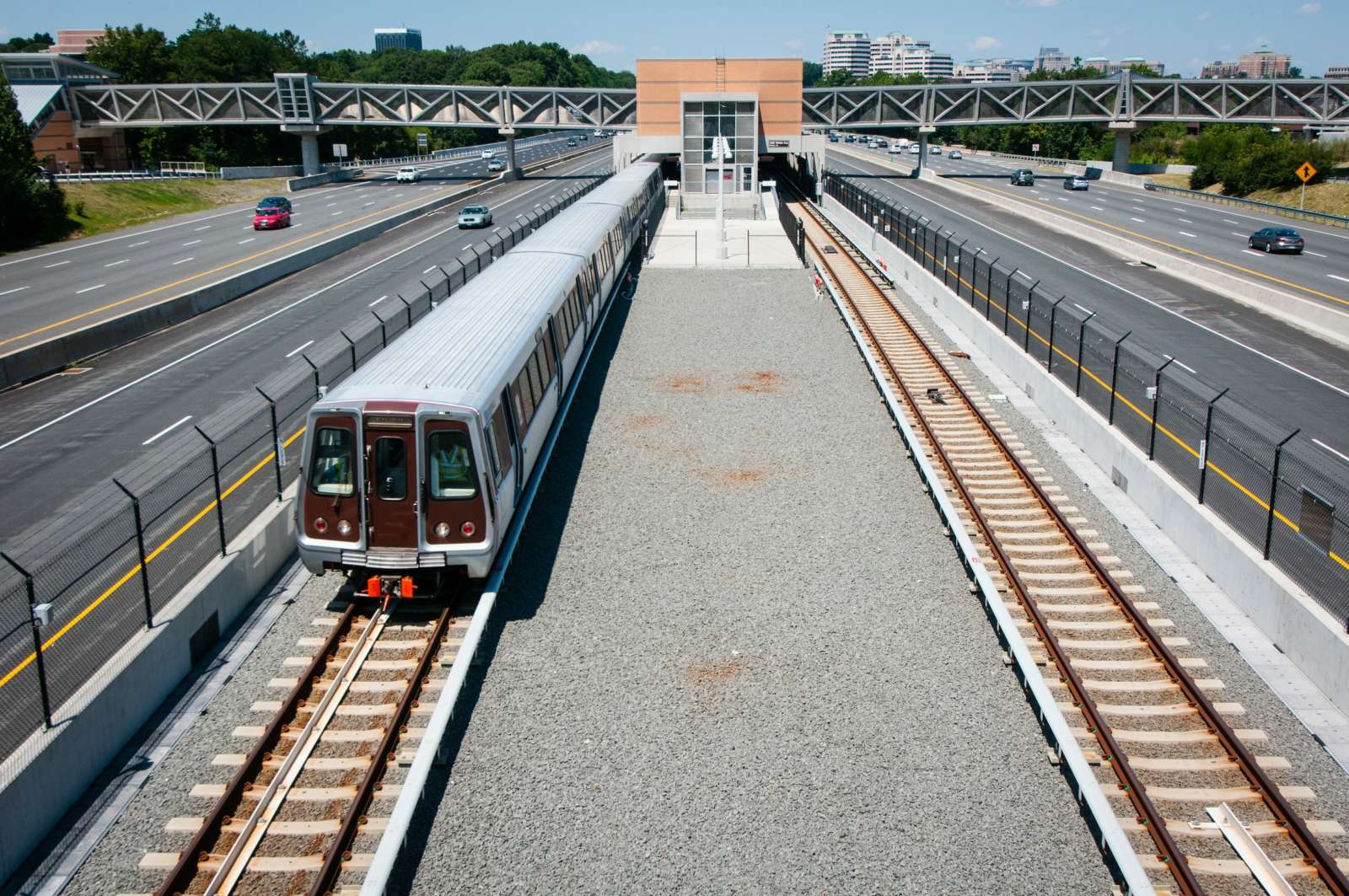
Phase 1 opened in July 2014, extending service from a newly constructed junction west of East Falls Church to Wiehle-Reston East, incorporating five stations across Fairfax County. Phase 2, which commenced passenger service in November 2022, pushed the line further west through Dulles Airport and into Loudoun County, terminating at Ashburn. This multi-phase development transformed the regional transit landscape, offering a reliable, grade-separated rail alternative to the heavily congested Interstate 66 and Virginia State Route 7 corridors.
The line shares tracks with the Orange Line from metro-system origins in D.C. and Prince George's County through the Rosslyn corridor in Arlington, before diverging westward past the West Falls Church station. This shared-track configuration demands precise operational scheduling by WMATA rail controllers to maintain headway discipline and minimize cascading delays during peak commuting periods.
Complete Station Directory and Regional Connectivity
Operating across 28 distinct stations, the Silver Line bridges urban commercial hubs, major federal employment centers, high-density residential developments, and international aviation facilities.
| Station Name | Jurisdiction | Key Connections & Features |
|---|---|---|
| Ashburn | Loudoun County, VA | Western terminus; large parking garage, regional bus connections. |
| Innovation Center | Loudoun County, VA | Direct access to emerging tech campuses and Herndon business parks. |
| Herndon | Fairfax County, VA | Multimodal transit facility, Kiss & Ride, local Fairfax Connector routes. |
| Reston Town Center | Fairfax County, VA | Serves the commercial core of Reston; urban mixed-use integration. |
| Wiehle-Reston East | Fairfax County, VA | Former Phase 1 terminus; multi-story parking garage, bus terminal. |
| Spring Hill | Fairfax County, VA | Tysons East commercial district, pedestrian skybridges. |
| Greensboro | Fairfax County, VA | Central Tysons location, high-density residential and retail access. |
| Tysons Corner | Fairfax County, VA | Direct pedestrian access to Tysons Corner Center and major retail. |
| McLean | Fairfax County, VA | Tysons West commercial zone, Capital Beltway adjacent. |
| East Falls Church | Arlington County, VA | Cross-platform transfer point to Orange Line; Kiss & Ride parking. |
| Ballston-MU | Arlington County, VA | Dense urban core, Marymount University access, Orange/Blue/Silver transfer. |
| Court House | Arlington County, VA | Government center access, high-density residential hub. |
| Rosslyn | Arlington County, VA | Major gateway station; heavy passenger volume, deep-level platform. |
| Foggy Bottom-GWU | Washington, D.C. | George Washington University campus, medical center, federal offices. |
| Farragut West | Washington, D.C. | Downtown commercial center, pedestrian tunnel to Farragut North. |
| McPherson Square | Washington, D.C. | Downtown D.C., Franklin Park proximity, dense office sector. |
| Metro Center | Washington, D.C. | Central transfer hub for Red, Orange, Blue, and Silver lines. |
| Federal Triangle | Washington, D.C. | Federal office buildings, Department of Commerce, Ronald Reagan Building. |
| Smithsonian | Washington, D.C. | National Mall museums, tourism gateway, National Air and Space Museum. |
| L'Enfant Plaza | Washington, D.C. | Major multi-line transfer hub (Yellow, Green, Orange, Blue, Silver). |
| Federal Center SW | Washington, D.C. | Federal agencies, Voice of America, congressional office buildings. |
| Capitol South | Washington, D.C. | U.S. Capitol complex, Library of Congress, residential Capitol Hill. |
| Eastern Market | Washington, D.C. | Historic public market, vibrant neighborhood commercial corridor. |
| Potomac Avenue | Washington, D.C. | Stadium neighborhood access, local residential transit hub. |
| Stadium-Armory | Washington, D.C. | Direct access to Audi Field and surrounding recreation zones. |
| Benning Road | Washington, D.C. | Northeast D.C. residential and commercial corridor. |
| Capitol Heights | Prince George's County, MD | Suburban Maryland residential access, bus transfer facilities. |
| Addrd-Largo Town Center | Prince George's County, MD | Eastern terminus; healthcare facilities, retail centers. |
Technical Specifications, Rolling Stock, and Rail Infrastructure
The Silver Line operates under strict WMATA engineering and safety standards, utilizing heavy-rail transit technology operating on standard gauge tracks (4 feet, 8.5 inches) powered by a 750-volt direct current third-rail system. Maximum design speeds reach up to 59 miles per hour on straight suburban stretches, particularly along the aerial guideways of the Dulles International Airport access highway median.
Fleet operations incorporate advanced railcar models, primarily the 7000-series stainless steel cars manufactured by Kawasaki Railcar, alongside newer equipment introduced to optimize fleet reliability. These modern trainsets feature automated train control (ATC) capabilities, real-time passenger information displays, digital audio-visual stop announcements, and maximized interior space designed to accommodate luggage for airport-bound travelers.
Signological control relies on both legacy fixed-block signaling systems and ongoing modernization programs aimed at upgrading to communications-based train control (CBTC). This technological foundation ensures safe headways between trains, precise station berthing, and continuous automated telemetry reporting to the Metrorail Operations Control Center (ROCC) located in Maryland.
Fare Structures, Payment Methods, and Ticketing Operations
Metrorail utilizes a distance-based fare structure determined by the time of day and the total mileage traveled between entry and exit gates. Riders must utilize a SmarTrip card or mobile digital wallet equivalent (Apple Wallet or Google Pay) to enter and exit the system.
Operational Fare Rules Peak vs. Off-Peak Pricing: Peak fares apply during morning and evening rush hours on weekdays, as well as late-night weekend periods, while off-peak rates offer reduced per-mile pricing for midday and weekend travel. SmarTrip Requirement: Paper farecards are completely obsolete across the Metrorail system; every passenger requires an individual active electronic SmarTrip medium or contactless smartphone ticket. Transfer Credits: Automated fare discounts apply when transferring between Metrobus and Metrorail within designated time windows, provided the same SmarTrip medium is scanned at both legs of the journey.
Comparative Analysis of Regional Transit Options to D.C.
| Transit Mode | Average Travel Time (Ashburn to Metro Center) | Typical Cost (Peak) | Luggage & Baggage Accommodation | Primary Operational Vulnerability |
|---|---|---|---|---|
| Washington Metro Silver Line | ~55 to 60 minutes | Moderate ($2.00 - $6.00+) | High (Dedicated open car layouts, wide gates) | Track maintenance delays, single-tracking |
| Interstate 66 / George Washington Pkwy | ~45 to 90+ minutes (Highly variable) | Variable (HOV/HOT Tolls up to $40+) | Moderate (Trunk space dependent) | Severe rush-hour traffic gridlock, accidents |
| Regional Bus Services (Fairfax Connector) | ~75 to 90+ minutes | Low ($2.00 base) | Low (Overhead luggage racks limited) | Surface street congestion, weather delays |
Step-by-Step Guide to Riding the Silver Line to Dulles Airport
Navigating from central Washington, D.C., to Washington Dulles International Airport via the Silver Line is a straightforward process when following a structured travel workflow.
- Verify SmarTrip Balance: Ensure your physical SmarTrip card or mobile wallet pass holds a minimum balance of $8.00 to cover potential long-distance peak travel charges from downtown D.C. to Dulles Airport station.
- Board a Silver Line Train: Enter any Metrorail station displaying Silver Line signage (such as Metro Center or L'Enfant Plaza) and board a train explicitly marked as Largo Town Center (when traveling east/south) or Ashburn (when traveling west/north). Double-check overhead electronic destination signs or train audio announcements.
- Monitor Route Progression: If boarding from D.C., remain on the train as it traverses Rosslyn, crosses into Virginia, and splits past East Falls Church onto the dedicated Dulles corridor tracks through Tysons and Reston.
- Arrive at Dulles Airport Station: Exit the train at the Washington Dulles International Airport station. Follow the clearly marked, climate-controlled pedestrian underground walkway equipped with moving moving sidewalks directly into the main terminal baggage claim area.
- Exit the System: Tap your SmarTrip card or mobile device at the exit faregates. The system automatically calculates the correct distance-based mileage fare from your origin station.
Operational Limitations, Service Disruptions, and Maintenance Protocols
While the Silver Line provides exceptional regional connectivity, riders must account for scheduled maintenance windows and occasional operational disruptions. WMATA executes routine track maintenance, signal inspections, and infrastructure renewal primarily during late-night hours, weekend closures, and mid-day single-tracking windows.
Commuters should monitor official WMATA alert feeds, mobile applications, and station advisory boards before embarking on cross-jurisdictional journeys. Delays can occasionally propagate from the shared-track segments in Arlington and downtown D.C., where Orange, Blue, and Silver line trainsets merge into common bottleneck corridors. Familiarity with alternative local bus routes—such as Fairfax Connector or Loudoun County Transit—serves as an effective contingency plan during unexpected service suspensions.
Frequently Asked Questions About the Silver Line Metro
How long does it take to travel from Ashburn to downtown Washington, D.C., on the Silver Line?
The complete trip from the western terminus at Ashburn to Metro Center in downtown D.C. takes approximately 55 to 60 minutes. This reliable, traffic-free duration makes the rail line significantly faster than driving during peak rush-hour highway congestion periods.
Is there direct baggage access from the Silver Line station to Dulles Airport?
Yes, the Dulles Airport Metrorail station connects directly to the airport terminal via a weather-protected underground pedestrian tunnel featuring automated moving walkways. The walk takes approximately five to seven minutes from the train platform to the main terminal ticketing and baggage claim levels.
Do I need a special ticket to ride the Silver Line, or does standard fare media work?
Standard Metrorail SmarTrip cards and mobile wallet NFC payment equivalents work seamlessly across the entire Silver Line. No specialized premium ticket or surcharge is required beyond standard distance-based electronic fare deduction.
What are the standard operating hours for the Silver Line?
The Silver Line operates from approximately 5:00 AM to midnight on weekdays, with extended hours closing around 1:00 AM on Friday and Saturday nights. Sunday service generally runs from 7:00 AM to midnight, though hours are subject to adjustment during scheduled track maintenance modifications.
How do parking facilities work at Silver Line suburban stations?
Stations such as Ashburn, Innovation Center, Herndon, and Wiehle-Reston East feature large multi-story parking garages managed by local county transportation authorities. Daily parking fees are automatically paid using your SmarTrip card upon exiting the garage facility, offering discounted rates for registered local transit users.
Strategic Commuting Recommendation
For daily commuters, frequent flyers, and visitors navigating the Dulles technology corridor or exploring the capital region, incorporating the Washington Metro Silver Line into your transit routine guarantees predictable travel times and bypasses regional roadway bottlenecks. Always verify real-time train tracking dashboards before departure and ensure your SmarTrip account maintains adequate funds for seamless gate transitions.
Image Gallery