Fort Leonard Wood Missouri: Complete Relocation, Military Guide, and Regional Overview
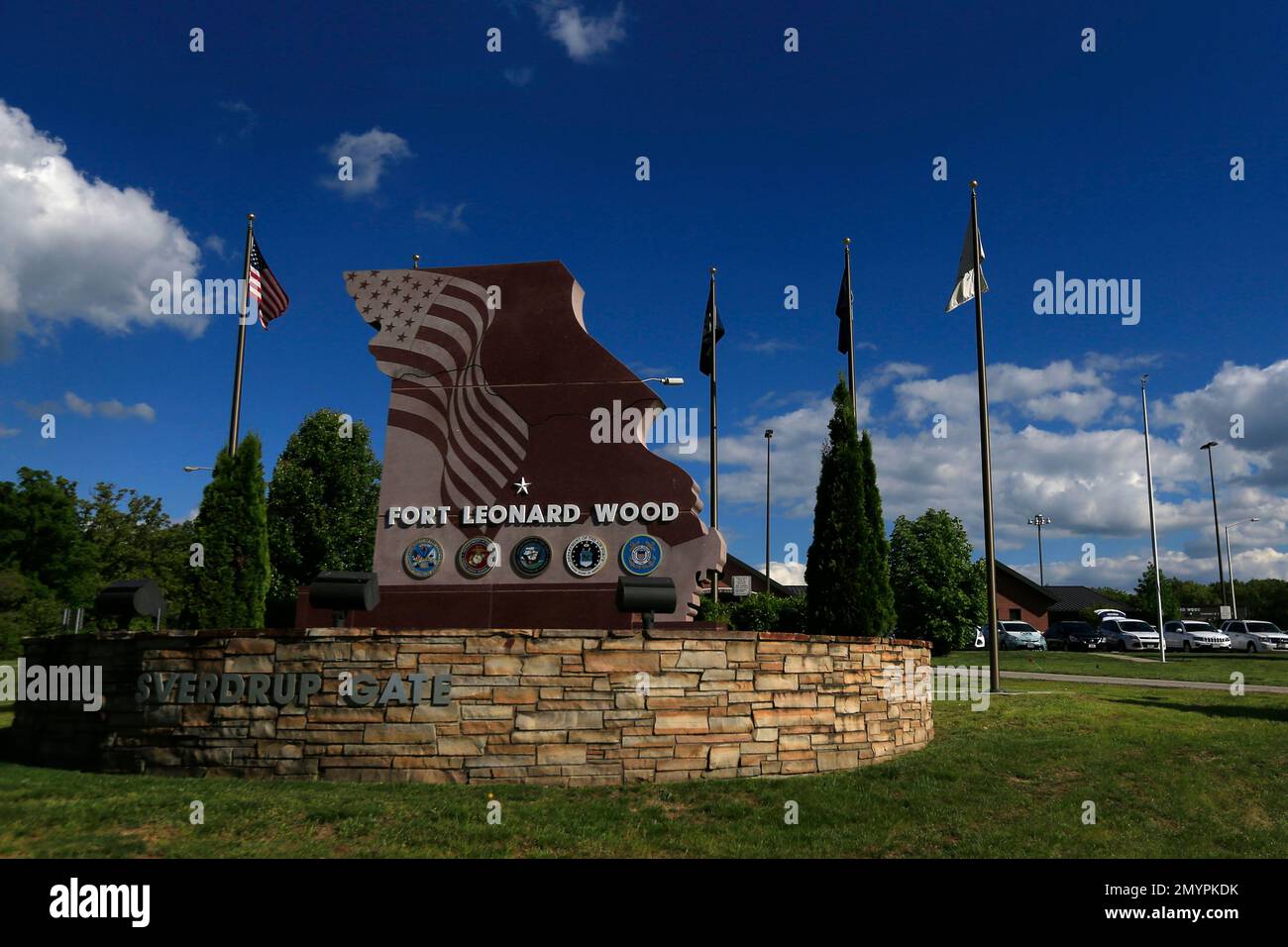
Fort Leonard Wood is a major United States Army installation located in the Ozarks of Pulaski County, Missouri. Originally established in 1940, the base serves as a premier training center for the Maneuver Support Center of Excellence,...
Fort Leonard Wood is a major United States Army installation located in the Ozarks of Pulaski County, Missouri. Originally established in 1940, the base serves as a premier training center for the Maneuver Support Center of Excellence, hosting the U.S. Army Engineer, Chemical, and Military Police Schools, alongside extensive basic combat training infrastructure.
Contents
Understanding the Foundation and Geography of Fort Leonard Wood
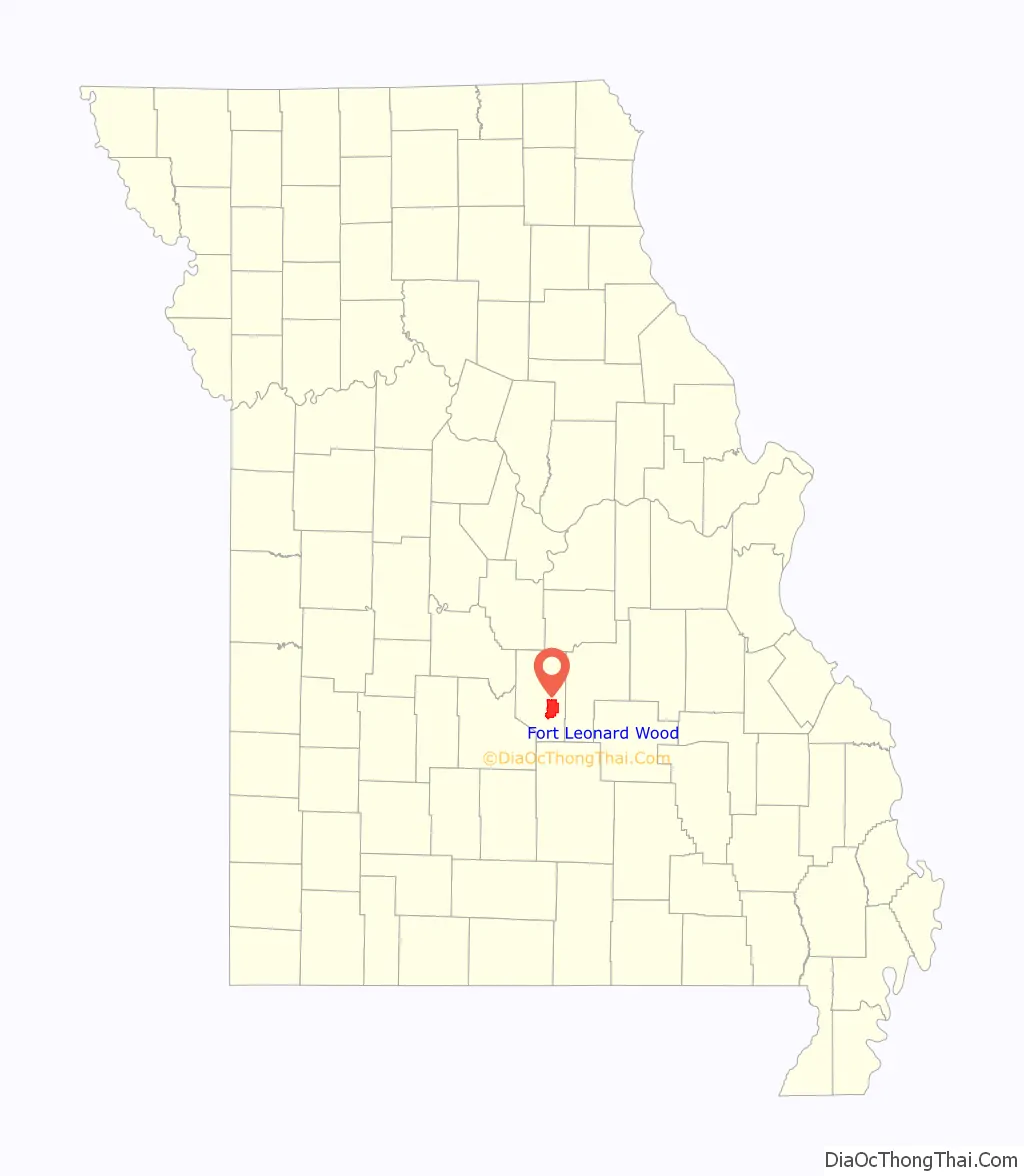
Fort Leonard Wood occupies over 60,000 acres of rugged terrain in the southern Missouri Ozarks. Situated entirely within Pulaski County, the installation directly impacts local municipalities including St. Robert, Waynesville, and Dixon. The region is characterized by steep hills, dense forests, and numerous spring-fed rivers, which provide ideal terrain for tactical military training exercises and field maneuvers.
Geographically, the installation sits just south of Interstate 44, approximately 130 miles southwest of St. Louis and 90 miles east of Springfield. This strategic placement connects the base directly to regional commerce and transportation corridors, making it accessible via major trucking and passenger routes. The climate features distinct four seasons, with hot, humid summers and moderately cold winters featuring occasional ice and snow events.
Core Operational Missions and Training Schools
The primary mission of Fort Leonard Wood revolves around the training and development of combat support specialties. The Maneuver Support Center of Excellence (MSCoE) unifies three vital branches of the United States Army, ensuring synchronized doctrine and training for modern combat environments.
- U.S. Army Engineer School: Focuses on mobility, counter-mobility, survivability, and general engineering tasks required across all echelons of modern warfare.
- U.S. Army Chemical, Biological, Radiological, and Nuclear (CBRN) School: Trains service members to detect, identify, mitigate, and decontaminate CBRN hazards in tactical scenarios.
- U.S. Army Military Police School: Instructs personnel in law enforcement, investigations, internment, resettlement, and tactical security operations.
- Basic Combat Training (BCT): Serves as one of the primary gateways for civilians entering the United States Army, transforming recruits into disciplined soldiers ready for operational units.
Installation Infrastructure and Support Services
Life on and around Fort Leonard Wood relies on a robust network of installation support facilities managed by the Directorate of Public Works, the Garrison Command, and external regional partners. Service members, civilian employees, and military families utilize a comprehensive infrastructure designed to sustain a permanent population of tens of thousands of trainees, active-duty personnel, and retirees.
Healthcare and Medical Infrastructure
Medical care on the installation centers around the General Leonard Wood Army Community Hospital (GLWACH). This facility provides inpatient, outpatient, emergency, and specialty care services to active-duty service members, family members, and eligible military retirees.
- Emergency Services: 24-hour emergency room care equipped to handle acute trauma and standard medical emergencies.
- Primary Care: Family medicine and pediatric clinics assigned through TRICARE Prime models.
- Specialty Clinics: Orthopedics, physical therapy, behavioral health, and preventative medicine services.
- Dental Health: Multiple dental clinics supporting both permanent party personnel and initial-entry trainees.
Education and Child Development
Educational resources on the installation cater to military dependents while partnering with local school districts in Pulaski County. The Waynesville R-VI School District operates several elementary and secondary schools directly on the installation property under federal assistance frameworks.
- Child Development Centers (CDCs): Offer full-day and hourly care options for infants, toddlers, and preschool-aged children.
- School Age Services (SAS): Provides before- and after-school programs, along with seasonal camps.
- Higher Education Partners: Institutions such as Columbia College and Drury University maintain local campuses on base to support continuing education for service members and adults.
Off-Post Housing and Surrounding Communities
While many junior service members and trainees reside in the barracks or on-post housing managed by Corvias Military Living, a significant portion of permanent party personnel and civilian staff live off-post. The surrounding communities offer varied suburban and rural living options.
| Community | Approximate Distance | Average Commute Time | Key Characteristics |
|---|---|---|---|
| St. Robert | 0 - 5 miles | 5 - 10 minutes | Commercial hub, extensive lodging, retail, and apartment complexes. |
| Waynesville | 5 - 10 miles | 10 - 15 minutes | County seat, historic downtown, river recreation, and residential neighborhoods. |
| Dixon | 15 - 20 miles | 20 - 25 minutes | Rural setting, quiet atmosphere, and agricultural properties. |
| Lebanon | 30 - 35 miles | 30 - 40 minutes | Larger regional manufacturing and healthcare center west of the base. |
Permanent Party and Newcomer Relocation Guide
Moving to Fort Leonard Wood requires methodical planning, particularly given the high volume of incoming trainees and rotating permanent party staff. Transitioning to the installation involves clearing administrative hurdles, securing housing, and registering vehicles in the state of Missouri.
Step-by-Step Relocation Checklist
- Orders and In-Processing: Review permanent change of station (PCS) orders and report to the installation's welcome center or military personnel division upon arrival.
- Housing Selection: Decide between on-post housing through the private partnership provider or off-post renting/buying in St. Robert, Waynesville, or surrounding areas.
- Vehicle Registration and Licensing: Register motor vehicles with the Missouri Department of Revenue within designated timelines and secure required state safety inspections.
- TRICARE Enrollment: Transfer TRICARE Prime or Select enrollments to the South Region network and establish primary care managers through GLWACH or local network providers.
- School Registration: Enroll school-age children in the Waynesville R-VI School District or alternative local private and parochial institutions using immunization records and transcripts.
Recreational Opportunities and Regional Attractions
Beyond military training, the Ozarks region surrounding Fort Leonard Wood provides extensive outdoor recreation. The Mark Twain National Forest surrounds the installation, offering miles of trails for hiking, hunting, and off-road exploration.
- Big Piney River and Roubidoux Creek: Popular waterways for canoeing, kayaking, and trout fishing.
- The Old Route 66: Historic alignment passes directly through St. Robert and Waynesville, featuring vintage motels, diners, and roadside attractions.
- Cave Exploration: Numerous state parks and managed caves provide insights into the unique karst topography of southern Missouri.
Comparative Overview of Living Environments
| Feature | On-Post Living (Corvias) | Off-Post Living (St. Robert / Waynesville) |
|---|---|---|
| Commute Time | Minimal (0-15 minutes to most duty stations) | 10-30 minutes depending on exact location |
| Utilities | Generally included with allowance caps | Paid directly by tenant to regional utility providers |
| Community Integration | Heavily military-centric neighborhood demographic | Mixed demographic of military, local civilians, and retirees |
| Property Options | Townhomes and single-family style detached units | Rental houses, apartments, and rural acreage |
Common Challenges and Mitigation Strategies
Relocating to a rural military installation presents specific logistical hurdles. Understanding these challenges in advance prevents unnecessary delays during transitions.
- Limited Public Transit: The immediate area lacks robust mass transit networks. Accessing shopping, healthcare, and employment requires reliable personal transportation.
- Rental Market Fluctuations: Influxes of basic training graduates and permanent party personnel can tighten local rental inventories during peak summer PCS seasons. Initiating housing searches early mitigates availability issues.
- Weather Preparedness: Missouri experiences severe convective storms and winter precipitation events. Securing comprehensive insurance and maintaining emergency kits ensures safety during sudden weather shifts.
Frequently Asked Questions
What is the primary purpose of Fort Leonard Wood?
Fort Leonard Wood serves as a premier U.S. Army training installation hosting the Maneuver Support Center of Excellence, which trains engineers, chemical corps specialists, military police, and basic combat trainees.
How do I access the installation as a visitor?
Visitors must pass through designated security checkpoints with valid government-issued photo identification, vehicle registration, and proof of insurance for background screening.
What healthcare facilities are available on base?
General Leonard Wood Army Community Hospital (GLWACH) provides inpatient, outpatient, and emergency services for eligible military beneficiaries, active-duty personnel, and retirees.
Which school district serves military families on the installation?
The Waynesville R-VI School District operates several public schools directly on Fort Leonard Wood property and provides comprehensive education for military dependents.
What are the closest major cities to Fort Leonard Wood?
St. Louis is located approximately 130 miles northeast, and Springfield is located approximately 90 miles west along Interstate 44.
Image Gallery