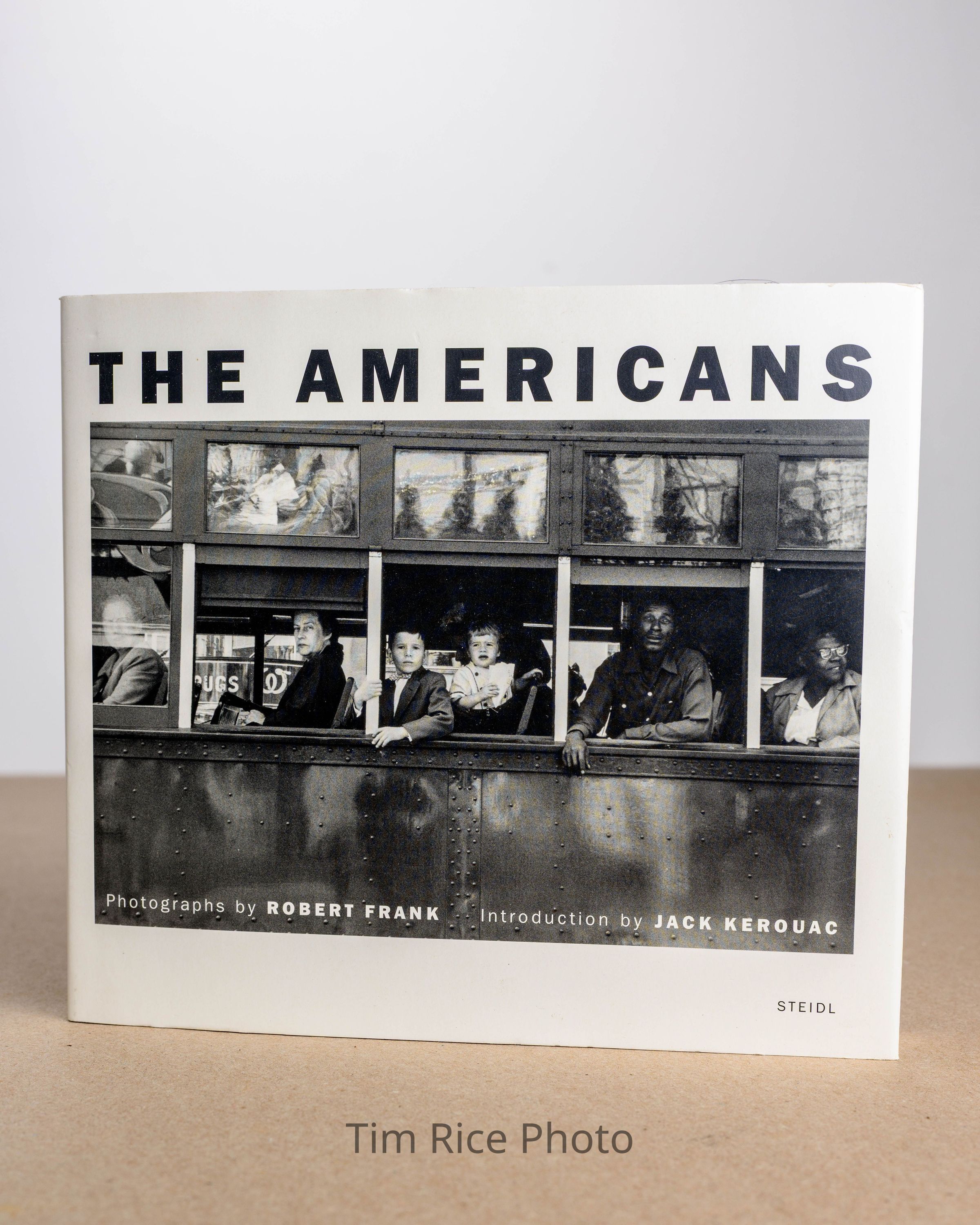
The Robert Frank Camera in Photographic History: The Leica and the Birth of a Modern Aesthetic
Robert Frank primarily used the Leica IIIf and later the Leica M2 to revolutionize photography. These small, 35mm rangefinders allowed him to capture raw, unposed moments across 1950s America, moving away from traditional technical per...
Robert Frank primarily used the Leica IIIf and later the Leica M2 to revolutionize photography. These small, 35mm rangefinders allowed him to capture raw, unposed moments across 1950s America, moving away from traditional technical perfection toward a grainy, subjective, and deeply influential "snapshot" style that changed the medium forever.
Contents
The Tool of Choice: Why the Leica Defined Frank’s Vision
To understand the Robert Frank camera in photographic history, one must first understand the state of photography in the mid-1950s. At that time, professional photography was dominated by large-format cameras and the "Life" magazine aesthetic, which favored sharp focus, balanced lighting, and clear, heroic narratives. Robert Frank, a Swiss-born photographer, chose a different path by embracing the 35mm Leica.
The Leica IIIf, a screw-mount (LTM) rangefinder, was Frank’s primary companion during his initial travels across the United States for his seminal project, The Americans. In 2026, we look back at this choice as the definitive moment when "street photography" separated itself from formal journalism. The Leica was small, discreet, and fast. It didn't require a tripod, and it didn't intimidate subjects. This portability allowed Frank to photograph people in bars, at funerals, and on the sides of highways without the "staged" feel of traditional 1950s portraits.
Later, Frank adopted the Leica M2. While the Leica M3 was the flagship of the era, it was designed primarily for a 50mm lens. The M2, however, featured built-in frame lines for the 35mm focal length. For Frank, the 35mm lens was essential; it provided a wider field of view that captured the environment surrounding his subjects, adding a sense of chaotic realism that a tighter 50mm lens often missed.
Technical Specifications and Comparative Evolution
The cameras used by Robert Frank were not merely recording devices; they were extensions of his physical presence. The transition from the IIIf to the M series represented a significant leap in usability and speed, which directly impacted the "look" of Frank's work.
| Feature | Leica IIIf (Frank's Early Work) | Leica M2 (Frank's Later Work) |
|---|---|---|
| Mount Type | Leica Thread Mount (M39) | Leica M-Bayonet |
| Viewfinder | Separate Window for Focus/Composing | Integrated Bright-Line Viewfinder |
| Film Advance | Knob Wind | Rapid Advance Lever |
| 35mm Framelines | Requires External Finder | Built-in |
| Shutter Speed | 1s to 1/1000s | 1s to 1/1000s |
| Historical Role | Used for the majority of The Americans | Preferred for wide-angle 35mm work |
The Leica IIIf required a certain level of technical deliberation. Loading film was a slow process through the bottom of the camera, and the separate windows for focusing and framing meant the photographer had to move their eye between two apertures. Despite these hurdles, Frank used the IIIf to produce images that felt spontaneous and accidental. By the time the Leica M2 arrived in 1957, Frank had already established his style, but the M2’s integrated viewfinder allowed for even faster reaction times in the crowded streets of New York and Chicago.
Breaking the Rules: Grain, Blur, and Tilted Horizons
The Robert Frank camera in photographic history is often discussed alongside the technical "failures" he embraced. When The Americans was first published in 1958 (France) and 1959 (USA), critics were appalled. They called his work "sloppy," "muddy," and "un-photographic."
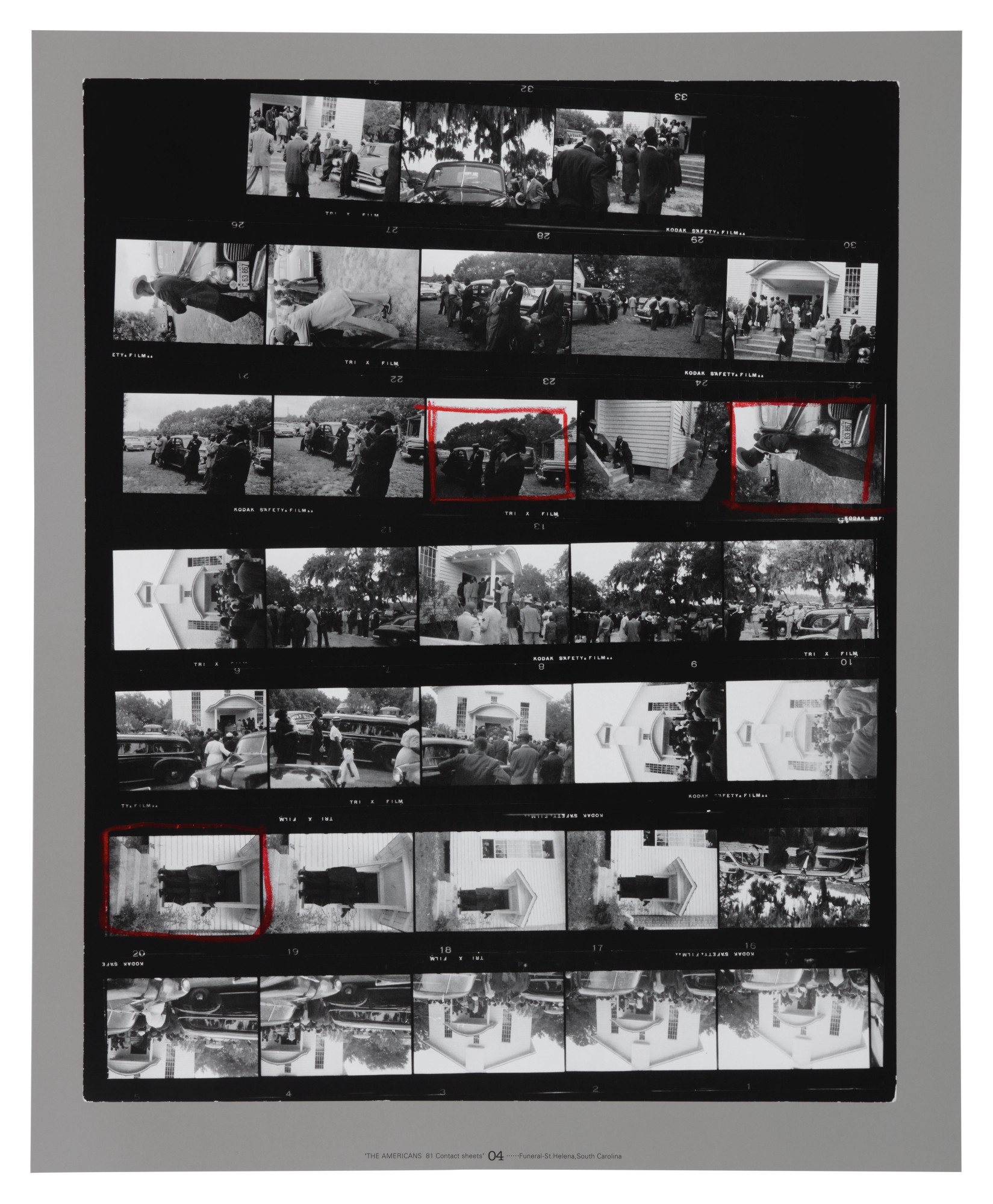
Frank utilized high-speed film, primarily Kodak Tri-X, which had been introduced in 1954. By pushing this film (developing it longer than standard), he increased the contrast and the grain. This wasn't a mistake; it was an intentional rejection of the polished, commercial look of the era. The Leica’s small negative size (35mm) already carried more grain than the larger formats used by his contemporaries, and Frank leaned into this.
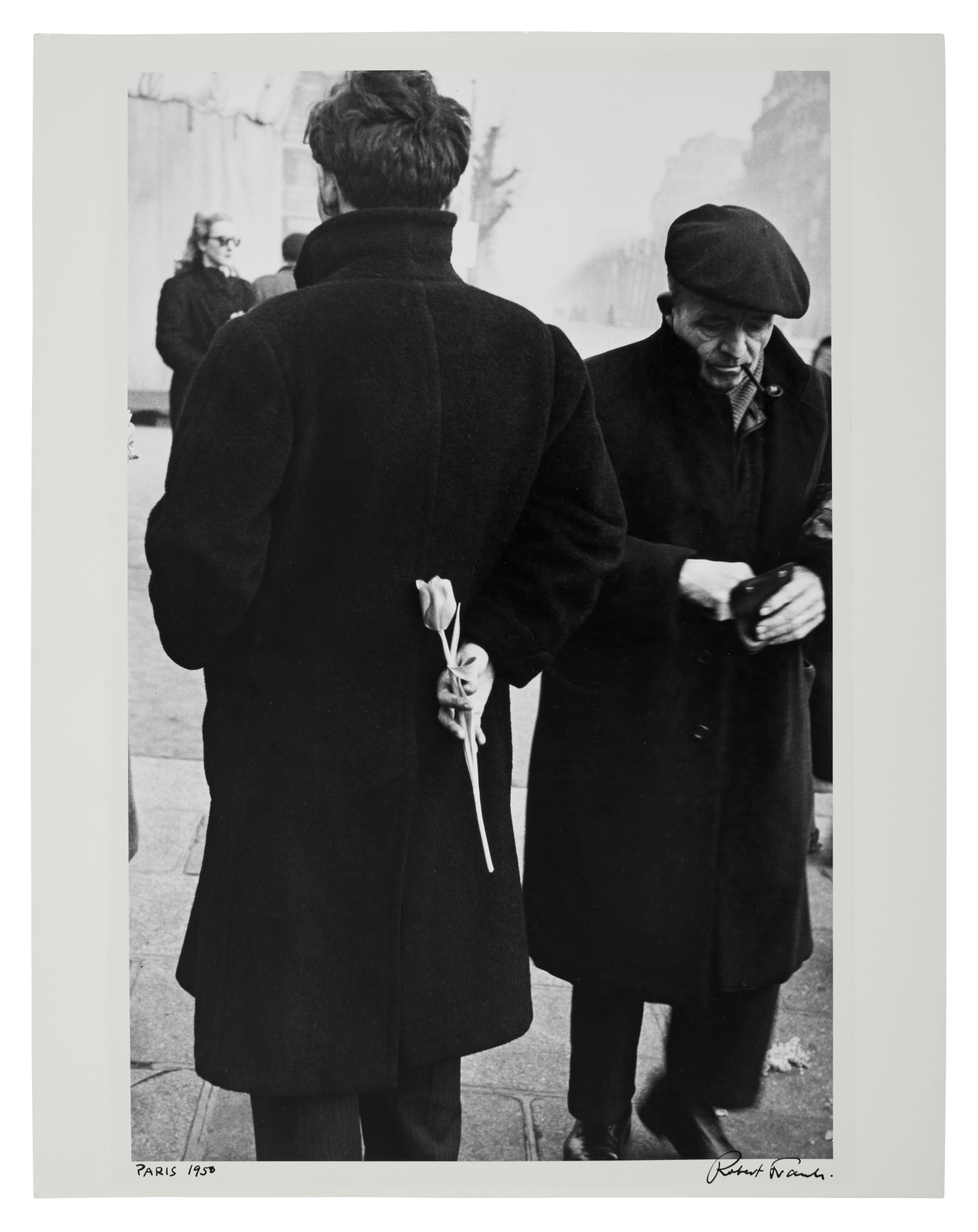
His use of the 35mm lens on his Leica cameras also introduced a perspective that felt intimate yet distant. He often shot from the hip or at odd angles, leading to "tilted horizons." This broke the cardinal rule of photography at the time—that the horizon must be level. In 2026, this "snapshot aesthetic" is ubiquitous, but in Frank’s time, it was a radical statement of subjectivity. He wasn't showing the world as it "should" be; he was showing it as he felt it to be.
The 35mm Lens: The Wide-Angle Perspective of America
While many photographers of the era, such as Henri Cartier-Bresson, favored the "standard" 50mm lens, Frank’s legacy is inextricably tied to the 35mm focal length. This lens offered a slightly wider view than the human eye’s central focus, allowing him to capture the "American scene" in its entirety—the jukebox, the flag, the car, and the person all occupying the same frame.
The 35mm Summicron and Summaron lenses used by Frank were prized for their rendering of light and shadow. On the Leica M2, the 35mm lens became a permanent fixture. This focal length required him to get physically closer to his subjects, creating a sense of immersion. When you look at Frank’s photos, you don't feel like an observer from afar; you feel like you are standing in the middle of the crowd at a political rally or sitting in the booth of a lonely diner.
The Legacy of the "Snapshot" in 2026
As of 2026, the influence of Robert Frank’s camera choices remains a cornerstone of photographic education. Modern digital cameras often include "grain" filters and "film simulation" modes that specifically attempt to replicate the look Frank achieved with his Leica and Tri-X film.
However, the true legacy of the Robert Frank camera isn't just about the hardware; it’s about the philosophy of the "un-decisive moment." Unlike Cartier-Bresson, who looked for the perfect geometric alignment of a scene, Frank looked for the emotional resonance of the mundane. His camera was a tool for social commentary. It captured the racial segregation, the loneliness of the road, and the hollow promise of the American Dream during the post-war boom.
Contemporary photographers still flock to the Leica M-system (such as the digital M11 or the film-based M6 and MP) because of the lineage Frank helped establish. The rangefinder design allows a photographer to see outside the frame, anticipating movement before it enters the shot. This "peripheral vision" was essential to Frank’s ability to capture the flow of life.
Navigating the Robert Frank Aesthetic: A Guide for Photographers
For those looking to emulate the technical approach of Robert Frank, several key elements must be combined. It is not enough to simply own a Leica; one must understand the interaction between the lens, the film, and the philosophy of the shot.
- Focal Length Consistency: Stick to a 35mm or 50mm prime lens. Zoom lenses encourage a detachment from the subject that Frank explicitly avoided.
- Embrace High ISO/Grain: Whether using film or digital, do not fear noise. In 2026, digital sensors are incredibly clean, but "Frankian" photography thrives on the texture that grain provides to shadows and skin tones.
- Subjectivity over Perfection: Allow the camera to tilt. Focus on the emotion of the scene rather than the technical sharpness of the corners. Frank proved that a blurry, grainy photo of a significant moment is more powerful than a sharp photo of a boring one.
- Discretion: The small footprint of the Leica was its greatest asset. Use a camera that doesn't draw attention to itself, allowing you to blend into the environment.
Common Misconceptions About Frank's Gear
Despite his association with Leica, many enthusiasts mistakenly believe Frank used a wide array of specialized equipment. In reality, his kit was remarkably simple. He didn't use flash, he rarely used tripods, and he didn't carry a bag full of lenses. This minimalism was a choice. By limiting his technical options, he freed himself to focus entirely on the social landscape of America.
Another misconception is that Frank only used the Leica M3, the most famous rangefinder of the time. While he may have handled one, the M2 was his preferred M-series body precisely because of the 35mm framelines. For a photographer who lived and breathed the wide-angle view, the M2 was the superior tool.
Frequently Asked Questions
What camera did Robert Frank use for The Americans? Robert Frank primarily used a Leica IIIf for the majority of the photographs in The Americans. This was a 35mm screw-mount rangefinder. He also began using the Leica M2 toward the end of the project and in the years immediately following its publication.
Why did Robert Frank prefer the Leica over other cameras of the 1950s? The Leica offered a combination of portability, durability, and silence that larger cameras could not match. It allowed Frank to be a "fly on the wall," capturing candid moments of American life without the subjects being aware of the camera.
What film did Robert Frank use? Frank primarily used Kodak Tri-X 35mm film. Introduced in 1954, Tri-X became famous for its high contrast and visible grain, especially when "pushed" in development—qualities that Frank used to create his signature gritty aesthetic.
Did Robert Frank use a 35mm or 50mm lens? While he used both, Frank is most famously associated with the 35mm focal length. This wider perspective allowed him to capture more of the environment and social context surrounding his subjects, which was a departure from the tighter, more focused style of his contemporaries.
Is Robert Frank’s camera style still relevant in 2026? Yes. His "snapshot aesthetic"—characterized by grain, motion blur, and subjective framing—remains a foundational influence on modern street photography, documentary filmmaking, and even contemporary social media aesthetics that value authenticity over polished perfection.
Practical Recommendation for Modern Enthusiasts
If you wish to experience the tactile process that defined Robert Frank's career, consider acquiring a Leica M2 or a modern analog equivalent like the Leica M-A. Pair it with a 35mm Summicron lens and Kodak Tri-X 400 film. Practice shooting in available light without a meter, trusting your intuition to capture the "feel" of a scene rather than its mathematical exposure. This return to "slow" photography provides a direct connection to the methods that birthed one of the most important photographic works in history.
Image Gallery