CVS Free Flu Vaccine Guide: Insurance Coverage and Pharmacy Rules for 2026
Getting a free flu vaccine at CVS is widely accessible for most adults and children through standard health insurance, Medicare, and Medicaid plans under preventive care mandates. Under federal guidelines, participating commercial insu...
Getting a free flu vaccine at CVS is widely accessible for most adults and children through standard health insurance, Medicare, and Medicaid plans under preventive care mandates. Under federal guidelines, participating commercial insurers and government programs cover the annual influenza immunization with a $0 copay when administered in-network by a qualified pharmacist or clinician.
Contents
Understanding Preventive Care Mandates and Vaccine Eligibility
Annual influenza immunization stands as a cornerstone of public health, designed to reduce hospitalizations and community transmission. For the 2026 respiratory virus season, regulatory frameworks under federal healthcare provisions continue to mandate that most private health insurance plans, Medicare Part B, and state Medicaid programs cover ACIP-recommended immunizations entirely out-of-pocket free for the patient.
Eligibility for a zero-cost vaccine at CVS depends heavily on plan structures rather than age alone, though age-specific vaccine formulations dictate which clinical tier a patient receives. Children, adults, and older demographics all qualify, provided their specific plan contract is active and accepted by the pharmacy's administrative system.
- Commercial Insurance: Employer-sponsored and marketplace plans typically cover 100% of the vaccine cost when processed through an in-network pharmacy benefit manager (PBM).
- Medicare Part B: Covers the seasonal flu shot completely with zero coinsurance or deductible requirements, provided the provider accepts Medicare assignment and bills Part B directly rather than Part D.
- Medicaid: Varies significantly by state jurisdiction, but federal guidelines mandate coverage for eligible adults and children enrolled in expansion and traditional programs.
Insurance Verification and Coverage Tiers at CVS Pharmacy
Navigating pharmacy benefit verification requires understanding how CVS systems process medical versus prescription drug coverage. When arriving for an immunization, presenting both a primary health insurance card and a government-issued photo ID ensures the correct billing stream is utilized.
Most standard health insurance plans process immunizations through the pharmacy benefit card rather than the medical card. However, complex plans or secondary coverages may require specific National Provider Identifier (NPI) billing protocols.
| Insurance Category | Billing Mechanism | Typical Patient Out-of-Pocket Cost | Mandatory Documentation |
|---|---|---|---|
| Commercial PPO / HMO | Pharmacy Benefit Card (PBM) | $0 (In-Network) | Insurance Card, Photo ID |
| Medicare Part B | Medical Insurance Billing | $0 (No Deductible/Coinsurance) | Red, White, and Blue Medicare Card, Photo ID |
| State Medicaid | Managed Care / Fee-for-Service | $0 (In Participating States) | State Medicaid Card, Photo ID |
| Uninsured / Cash Pay | Out-of-Pocket Point of Sale | Standard Retail Rate (Varies) | Photo ID |
Step-by-Step Process to Claim Your Zero-Cost Vaccine at CVS
Securing a flu shot efficiently at CVS involves pre-appointment preparation, digital scheduling, and onsite verification to prevent unexpected billing issues. Completing these steps beforehand streamlines the clinical encounter at the MinuteClinic or pharmacy counter.
- Review Insurance Policy Details: Check your current insurance portal or call the customer service number on the back of your card to confirm that CVS Pharmacy or MinuteClinic is listed as an in-network participating vaccination provider.
- Schedule an Appointment Online: Navigate to the official CVS website or use the CVS mobile application. Select the seasonal flu vaccine option, enter your zip code, and choose a preferred local store or MinuteClinic location alongside an available time slot.
- Complete Intake Forms Digitally: Fill out the mandatory pre-vaccination questionnaire regarding your current health status, egg allergies, history of Guillain-Barré syndrome, and acute illnesses. Doing this in advance reduces wait times onsite.
- Bring Required Credentials: Arrive with your primary insurance card, prescription benefit card, and a valid government-issued photo ID. If utilizing Medicare Part B, ensure you present your official Medicare card.
- Consult with the Immunizing Pharmacist: Discuss any underlying medical conditions or specific vaccine formulations (such as high-dose formulations designed for adults aged 65 and older) with the administering clinician before receiving the injection.
- Complete the Post-Vaccination Observation: Remain in the designated waiting area for 15 minutes following the injection to monitor for rare acute hypersensitivity reactions.
Clinical Safety Notice: Patients with a history of severe, life-threatening allergic reactions to any component of the influenza vaccine or to a previous dose of any flu vaccine should consult their primary care physician before scheduling a retail pharmacy immunization.
Vaccine Formulations Available at CVS Locations
CVS stocks a diverse inventory of influenza vaccines tailored to different age groups and immunological needs. Selecting the appropriate formulation ensures optimal immune response, particularly for vulnerable populations.
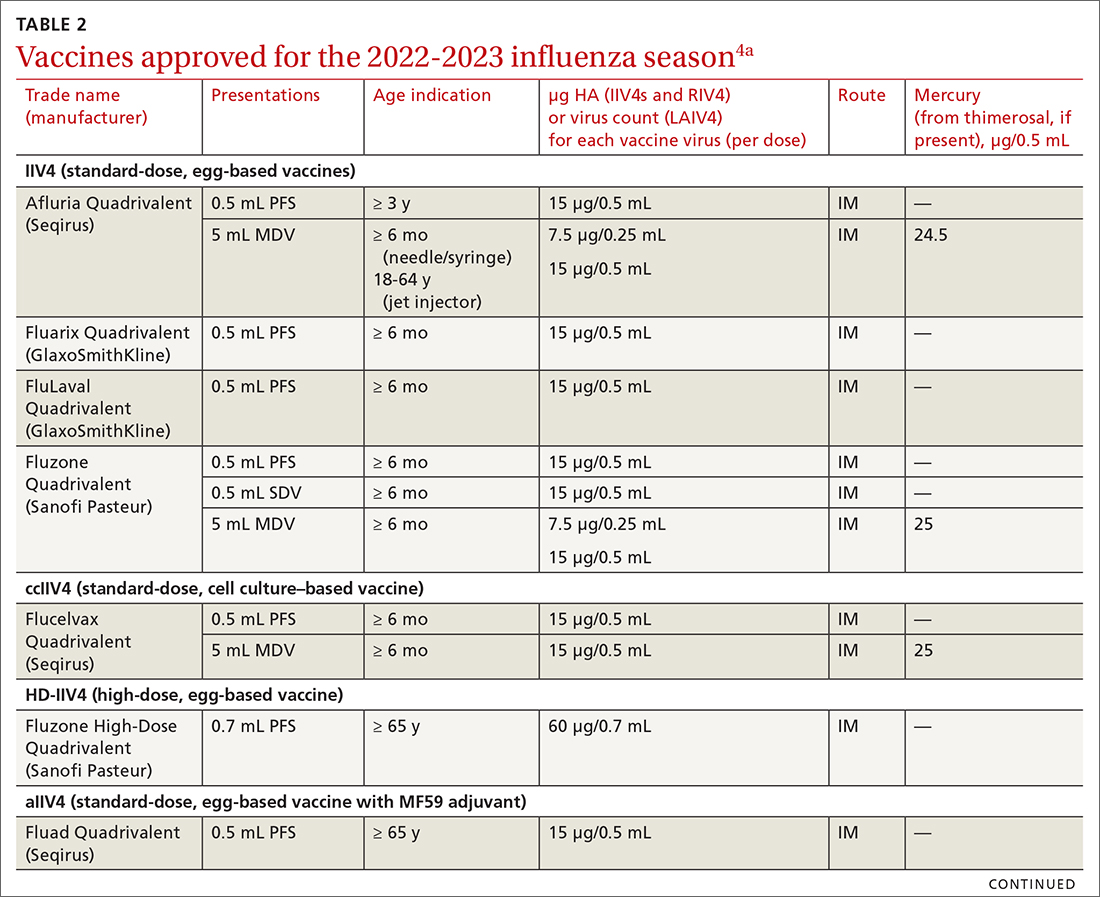
- Standard-Dose Inactivated Influenza Vaccine: Standard quadrivalent formulation approved for individuals aged 6 months and older, administered via intramuscular injection in the deltoid muscle.
- High-Dose Quadrivalent Vaccine: Specifically engineered for adults aged 65 and older, containing four times the antigen content of standard doses to stimulate a stronger immune response in aging immune systems.
- Adjuvanted Inactivated Vaccine: An alternative high-potency option for older adults utilizing an immune-boosting adjuvant (MF59) to enhance protection.
- Intranasal Live Attenuated Influenza Vaccine (LAIV): Administered as a nasal spray, indicated primarily for healthy non-pregnant individuals aged 2 through 49 years.
Financial Realities and Potential Out-of-Pocket Expenses
While federal mandates ensure free coverage for the vast majority of insured individuals, specific scenarios can trigger unexpected charges. Understanding these variables prevents billing disputes after service delivery.
- Out-of-Network Status: If your specific insurance plan does not contract with CVS for immunizations, you may be required to pay the full cash price upfront and submit a manual claim form to your insurer for partial or full reimbursement.
- Lapsed Coverage: Inactive or terminated insurance policies will reject at the point of sale, shifting the financial responsibility entirely to the consumer at standard retail cash rates.
- Administrative Fees: Some specialized or travel-related vaccines carry administration fees, though standard seasonal influenza immunizations covered under preventive care mandates do not.
Frequently Asked Questions
Is the flu vaccine truly free at CVS without insurance?
No. Without insurance coverage or qualifying government programs, individuals must pay the standard retail cash price for the vaccine and administration. However, uninsured patients can often utilize low-cost community health programs or state-sponsored immunization initiatives.
Do I need an appointment to get a flu shot at CVS?
Appointments are strongly recommended and can be scheduled easily online or via the CVS mobile app to guarantee vaccine availability and minimize wait times. Walk-ins are accommodated based on daily vaccine supply and pharmacist availability.
Which insurance plans are accepted at CVS for free flu shots?
Most major commercial insurance carriers, Medicare Part B, and state-specific Medicaid managed care plans are accepted for zero-copy preventive immunizations. Always verify network participation directly with your insurer prior to your visit.
Can children receive a free flu vaccine at CVS pharmacies?
State regulations dictate the minimum age requirement for pharmacy-administered vaccinations. While MinuteClinics and select CVS pharmacy locations employ certified nurse practitioners or immunizing pharmacists capable of vaccinating young children, age limits vary by state law.
What should I bring to my CVS vaccination appointment?
You must bring your primary insurance card, your prescription benefit card, and a valid government-issued photo ID. If you are covered under Medicare, bring your official Medicare Part B card.
Will getting a flu shot at CVS affect my medical records?
CVS automatically transmits immunization records to your primary care physician or state immunization registry with your consent, ensuring your comprehensive medical history remains up to date.
Practical Recommendations for Your Visit
To maximize efficiency and ensure a seamless experience, schedule your appointment during off-peak pharmacy hours, typically mid-morning or early afternoon on weekdays. Confirm your insurance network tier online beforehand, and wear loose-fitting clothing that allows easy access to your upper arm. If you have complex medical considerations or take multiple immunosuppressive medications, consult your primary care provider prior to receiving any retail vaccination.
Image Gallery