The Size of a Kodiak Bear: Dimensions, Weight, and Growth Demographics
The size of an adult male Kodiak bear (Ursus arctos middendorffi) typically ranges from 600 to 1,400 pounds (272 to 635 kilograms), reaching standing heights up to 10 feet (3 meters) when upright. Females are substantially smaller, wei...
The size of an adult male Kodiak bear (Ursus arctos middendorffi) typically ranges from 600 to 1,400 pounds (272 to 635 kilograms), reaching standing heights up to 10 feet (3 meters) when upright. Females are substantially smaller, weighing between 300 and 700 pounds (136 to 318 kilograms). Peak weights occur in late autumn prior to winter hibernation.
Contents
Kodiak Bear Physical Dimensions: Weight, Height, and Span
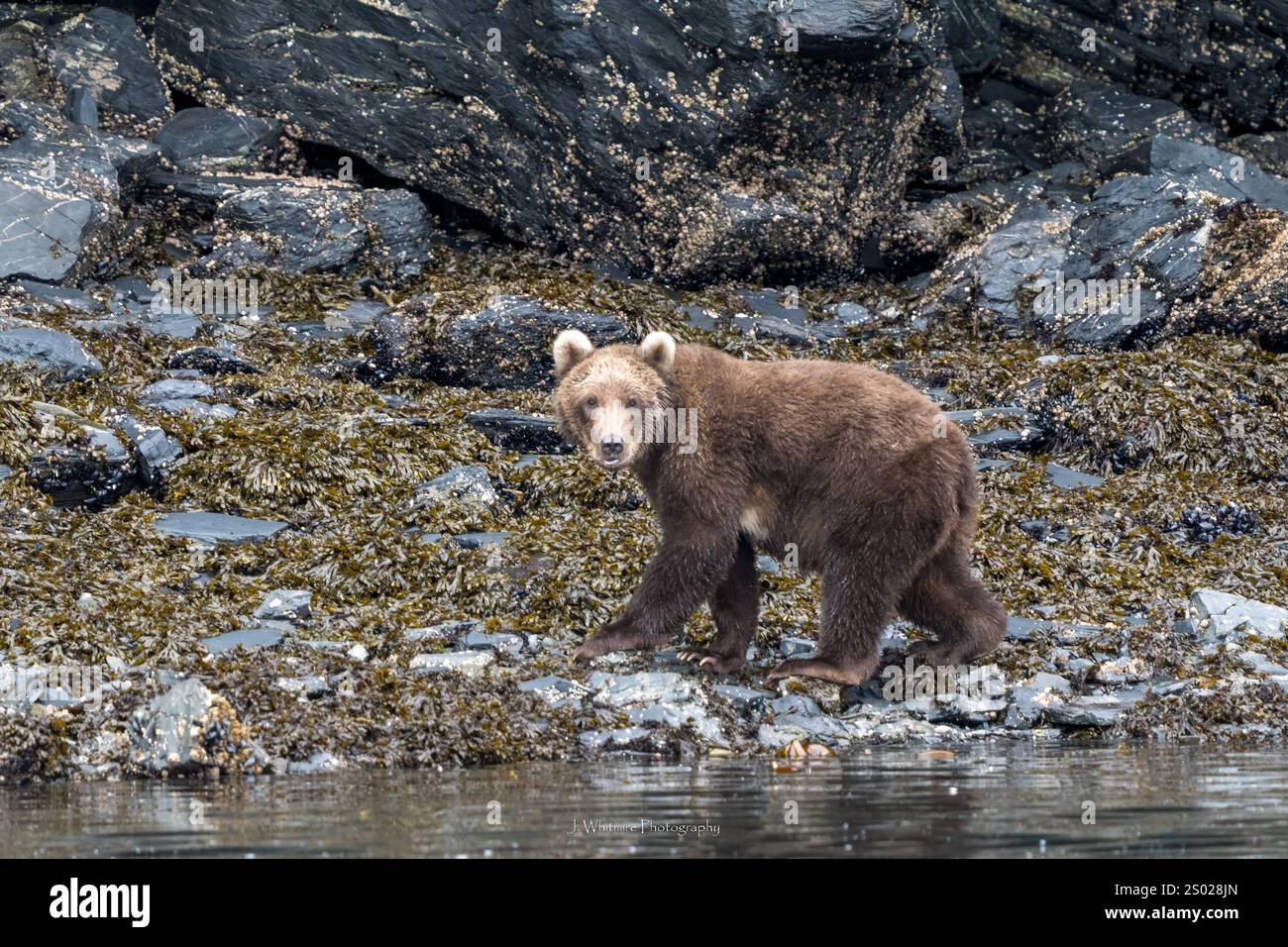
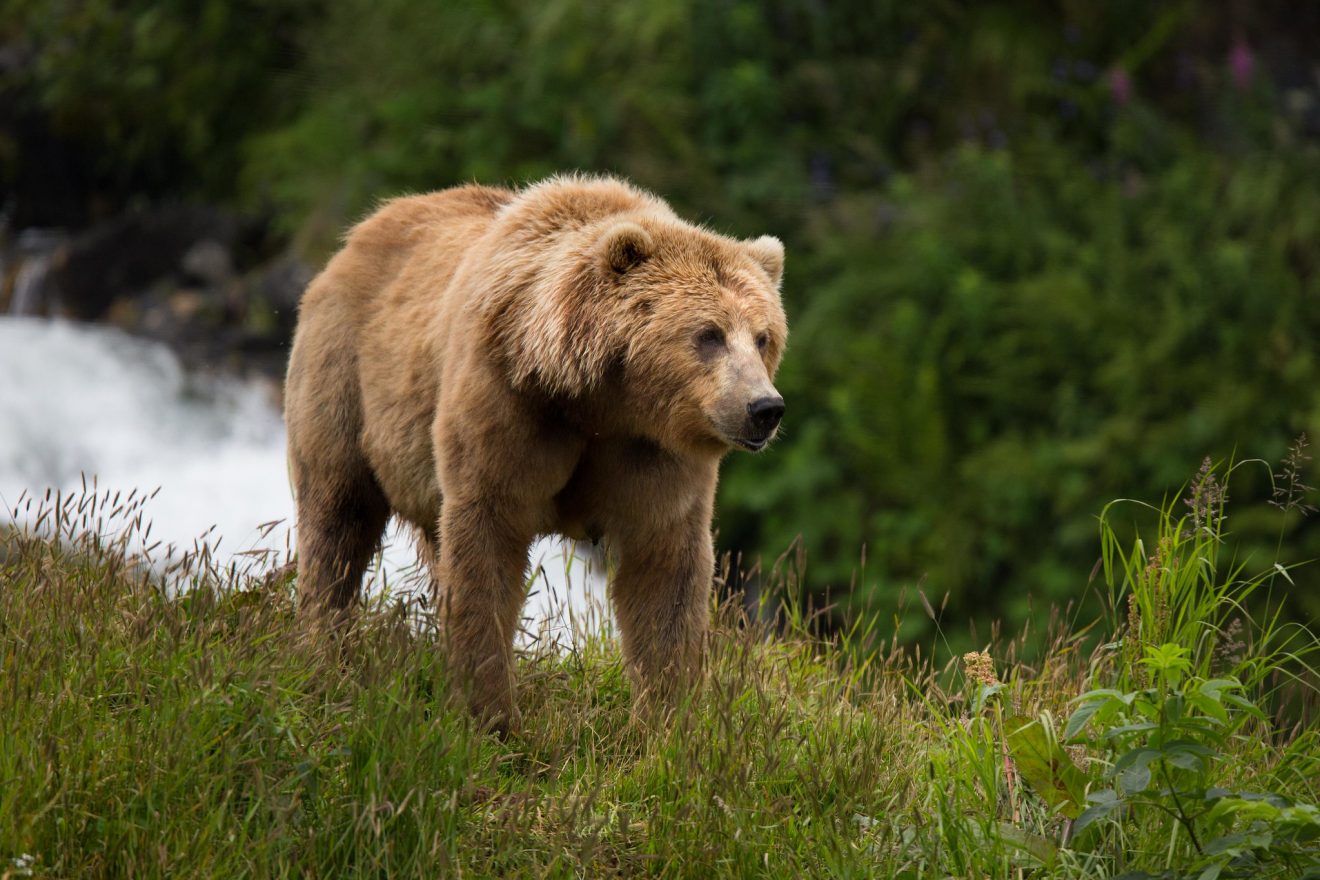
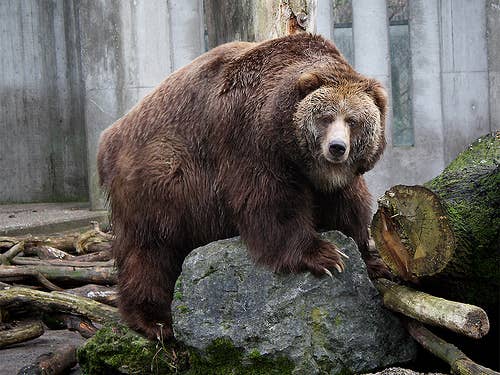
The Kodiak bear is recognized as the largest recognized subspecies of the brown bear (Ursus arctos). Endemic exclusively to the islands of the Kodiak Archipelago in southwestern Alaska, these brown bears have evolved distinct physical characteristics and massive anatomical proportions over roughly 10,000 years of geographic isolation from mainland brown bear populations.
When evaluating the physical dimensions of a Kodiak bear, biologists measure three primary metrics: overall body mass (weight), standing height when upright on hind legs, and shoulder height when standing on all four limbs.
| Upright Height (Hind Legs) | Shoulder Height (All Fours) |
|---|---|
| 8.0 to 10.5+ Feet (2.4 to 3.2+ Meters) | 3.5 to 5.0 Feet (1.0 to 1.5 Meters) |
Male vs. Female Kodiak Bear Sizes (Sexual Dimorphism)
Kodiak bears display extreme sexual dimorphism, meaning adult males (boars) and adult females (sows) differ dramatically in physical size and structural framework:
- Adult Males (Boars): Fully mature males average between 600 and 1,000 pounds (272 to 454 kilograms) throughout most of the active spring and summer months. However, during late autumn, hyperphagic feeding drives healthy adult males to reach weights ranging from 1,100 to over 1,400 pounds (499 to 635 kilograms). Exceptional wild specimens have been documented exceeding 1,500 pounds (680 kilograms).
- Adult Females (Sows): Mature females are noticeably smaller, generally weighing between 300 and 600 pounds (136 to 272 kilograms) during spring emergence and peaking at 500 to 700 pounds (227 to 318 kilograms) in late autumn. This size differential serves an ecological purpose: smaller body mass allows sows to direct excess calories toward gestation, milk production, and cub rearing rather than maintaining an immense muscular frame.
Standing Height vs. Shoulder Height
To conceptualize the sheer scale of a Kodiak bear in the wild, researchers evaluate both quadrupeds (four-legged stance) and bipedal (standing) measurements:
- Shoulder Height (Quadrupedal Stance): When walking or standing on all four legs, an adult male Kodiak bear measures between 3.5 and 5.0 feet (1.0 to 1.5 meters) high at the shoulder hump. The pronounced shoulder humped structure consists of powerful muscle attachments that operate the massive front forelimbs used for digging, pushing heavy obstacles, and capturing spawning salmon.
- Upright Standing Height (Bipedal Stance): When rearing up on its hind legs to survey terrain, assert dominance, or inspect scent trails, a fully grown boar stands between 8.0 and 10.5 feet (2.4 to 3.2 meters) tall. Exceptional specimens can reach vertical stretches approaching 11 feet (3.35 meters).
- Head and Body Length: Measured from the tip of the snout along the spinal contour to the tail, adult Kodiak bears span between 7.5 and 9.5 feet (2.3 to 2.9 meters) in total body length.
Seasonal Weight Dynamics: How Hyperphagia Transforms Kodiak Bear Mass
Unlike static physical measurements such as bone length or skull width, a Kodiak bear's body mass fluctuates dynamically across the calendar year. Wildlife management data published by the Alaska Department of Fish and Game confirms that a healthy adult bear can experience body weight swings of 30% to 50% between spring emergence and autumn denning.
- Spring (Emergence): Leanest period (400 - 800 lbs)
- Summer (Salmon Runs): Rapid mass accumulation
- Autumn (Hyperphagia): Peak weight (600 - 1,400+ lbs)
- Winter (Hibernation): Fat reserves consumed (20-40% lost)
Spring Emergence (Post-Hibernation)
When Kodiak bears emerge from their winter dens between April and May, they are at their leanest annual body weight. During the 4 to 6 months of winter sleep, bears rely entirely on stored subcutaneous and visceral fat for metabolic energy, burning through hundreds of pounds of body reserve without eating, drinking, or excreting waste. Upon emergence, a large boar that weighed 1,200 pounds in October may weigh only 750 to 800 pounds.
Late Autumn Peak (Pre-Hibernation)
From July through October, bears enter a physiological state known as hyperphagia—a period driven by hormonal shifts that compel the animal to consume massive quantities of calories daily. During autumn, an adult boar can gain between 3 and 6 pounds of fat per day. This fat accumulation is crucial for survival through the upcoming winter and, for sows, for supporting embryonic implantation and milk production for nursing cubs.
Nutritional Sources Driving Rapid Mass Gain
The extraordinary weight accumulation of Kodiak bears is powered by the ecological richness of the Kodiak Archipelago:
- *Pacific Salmon (Oncorhynchus spp.):* Five species of Pacific salmon—Sockeye, Pink, Chum, Coho, and Chinook—spawn sequentially in Kodiak’s rivers from June through October. Bears target lipid-rich brain tissue, skin, and roe, consuming up to 30 to 40 pounds of fish per day.
- Subalpine Vegetation and Berries: In early summer, tender sedges, roots, and grasses provide protein and roughage. By late summer, dense fields of elderberries, salmonberries, and blueberries offer easily digestible carbohydrates that trigger rapid fat deposition.
Comparative Analysis: Kodiak Bear vs. Grizzly Bear vs. Polar Bear
Understanding the true magnitude of a Kodiak bear requires direct comparison with other apex ursids in North America: the mainland interior grizzly bear (Ursus arctos horribilis) and the polar bear (Ursus maritimus).
| Bear | Weight | Height |
|---|---|---|
| Kodiak Bear (Ursus arctos middendorffi) | 600-1400 lbs | 8-10.5 ft |
| Grizzly Bear (Ursus arctos horribilis) | 300-800 lbs | 6.5-8.5 ft |
| Polar Bear (Ursus maritimus) | 800-1500 lbs | 8-11 ft |
Key Anatomical Differences
While Kodiak bears and interior grizzlies belong to the same species (Ursus arctos), their geographic isolation and dietary disparities have resulted in major phenotypic differences:
- Kodiak Bear vs. Interior Grizzly: Mainland grizzlies living in interior Alaska or the Rocky Mountains face harsher winters, shorter feeding windows, and scarce animal fat sources. Consequently, interior grizzly boars rarely exceed 500 to 700 pounds. Kodiak bears are roughly 50% to 100% heavier than their inland counterparts due to unlimited access to high-protein salmon runs and mild coastal maritime winters.
- Kodiak Bear vs. Polar Bear: The polar bear is widely cited as the world's largest land carnivore, but the Kodiak bear rivals it closely in mass. Polar bears feature longer necks, narrower skulls, and longer limbs adapted for seal hunting on sea ice. Kodiak bears possess broader skulls, wider muscular frames, and denser bone structures. At peak autumn weight, an adult Kodiak boar can match or exceed the mass of an average adult male polar bear.
| Bear Subspecies / Species | Average Adult Male Weight | Average Adult Female Weight | Standing Height (Upright) | Shoulder Height (All Fours) | Primary Habitat Range |
|---|---|---|---|---|---|
| Kodiak Bear (U. a. middendorffi) | 600 – 1,400+ lbs (272 – 635 kg) | 300 – 700 lbs (136 – 318 kg) | 8.0 – 10.5 ft (2.4 – 3.2 m) | 3.5 – 5.0 ft (1.0 – 1.5 m) | Kodiak Archipelago, Alaska |
| Interior Grizzly (U. a. horribilis) | 300 – 800 lbs (136 – 363 kg) | 250 – 450 lbs (113 – 204 kg) | 6.5 – 8.5 ft (2.0 – 2.6 m) | 3.0 – 4.0 ft (0.9 – 1.2 m) | Interior Alaska, Canada, US Rockies |
| Coastal Brown Bear (U. arctos) | 500 – 1,100 lbs (227 – 499 kg) | 300 – 600 lbs (136 – 272 kg) | 7.5 – 9.5 ft (2.3 – 2.9 m) | 3.5 – 4.5 ft (1.0 – 1.4 m) | Katmai, Lake Clark, Southeast Alaska |
| Polar Bear (Ursus maritimus) | 800 – 1,500 lbs (363 – 680 kg) | 350 – 700 lbs (159 – 318 kg) | 8.5 – 11.0 ft (2.6 – 3.4 m) | 4.0 – 5.2 ft (1.2 – 1.6 m) | Arctic Circle, Sea Ice Margins |
Growth Milestones: Development from Cub to Apex Giant
A Kodiak bear’s journey from a helpless neonate to a massive apex predator represents one of the most extreme growth trajectories in the mammalian world.
Birth Weight and Early Life Growth Rates
Kodiak bear cubs are born inside the den during January or February while the mother is hibernating. At birth, a newborn cub exhibits the following physical characteristics:
- Weight at Birth: Less than 1 to 1.5 pounds (0.45 to 0.70 kilograms)—less than 1% of the mother's body weight.
- Physical State: Blind, hairless, toothless, and entirely dependent on the sow’s high-fat milk (which contains roughly 30% to 35% milk lipids).
- Emergence Growth: By the time the sow leads her cubs out of the den in May, the cubs have transformed into active, fur-covered juveniles weighing between 15 and 25 pounds (6.8 to 11.3 kilograms).
Maturation Curve: Peak Size Timeline
Unlike smaller mammals that reach full size within a year, Kodiak bears undergo a protracted growth phase lasting over a decade:
Cub (0-1 yr): 1.5 to 25 lbs
Juvenile (1-4 yrs): 30 to 300 lbs
Young Adult (5-8 yrs): 400 to 800 lbs
Mature Adult (9-11+ yrs): 600 to 1,400+ lbs
Yearling Phase (1–2 Years Old): Cubs remain with their mother for 2 to 3 years. By their second summer, yearlings weigh between 80 and 150 pounds.
Subadult Phase (3–5 Years Old): After weaning, young bears expand their frame rapidly, weighing between 250 and 500 pounds. During this stage, skeleton and bone length expand faster than muscle mass.
Adult Maturation (6–10 Years Old): Females reach full skeletal growth around 6 to 8 years of age. Males, however, continue to add significant bone mass, skull width, and muscle girth until they are 10 to 12 years old. Peak muscular development coincides with their prime reproductive years, during which top-tier boars dominate feeding sites along salmon streams.
Ecological Factors Influencing Kodiak Bear Gigantism
The extraordinary size of the Kodiak bear is not an accident of genetics alone; it is the direct result of unique ecological conditions present on the islands of southwestern Alaska. Biological research monitored by the National Park Service identifies several key drivers behind island gigantism in Ursus arctos middendorffi:
1. Island Isolation and High Population Density
Separated from the Alaska mainland at the end of the last Ice Age (~10,000 to 12,000 years ago), Kodiak bears evolved without competition from other large terrestrial predators such as wolves or cougars. High bear densities on the island created intense natural selection for larger body size, as larger males secured exclusive mating access and primary rights to optimal fishing spots along river corridors.
2. High-Calorie Dietary Diversity
The Kodiak Archipelago features an extraordinary concentration of nutrient-dense food sources within a compact geographic footprint:
- Uninterrupted Salmon Streams: Multiple overlapping salmon runs ensure an abundant supply of fats and proteins from June through October.
- Lush Forage Meadows: Ocean-buffered weather yields rich, dense vegetation, including nutrient-rich forb meadows and berry-producing scrublands.
- Marine Mammal Stranding Opportunities: Whales, walruses, and seals occasionally wash ashore along the archipelago’s coastline, offering rich calorie caches that sustain multiple bears for weeks.
3. Mild Maritime Climate
The Pacific Ocean exerts a moderating influence on the Kodiak Archipelago. Winters are significantly milder than those in interior Alaska or northern Canada. Shorter, less severe hibernation periods reduce metabolic strain on fat reserves, allowing bears to retain more body mass year-round and allocate calories toward skeletal development.
Field Safety and Observation Distance Metrics
Encountering an animal of this magnitude requires strict adherence to wildlife safety protocols. Because of the bear's immense mass, explosive speed (reaching up to 35 mph or 56 km/h over short distances), and physical leverage, visual distance assessment is critical for field researchers, photographers, and outdoor recreationists.
| Encounter Scenario | Minimum Safe Distance |
|---|---|
| General Wildlife Observation | 100 yards (91 meters) |
| Active Feeding Site (Salmon River) | 150 yards (137 meters) |
| Sow with Dependent Cubs | 200+ yards (183+ meters) |
Protocol Guidelines for Kodiak Island Visitors
When traveling within the Kodiak National Wildlife Refuge, adhere to standard guidance established by federal and state managers:
- Maintain Recommended Clearances: Never approach a Kodiak bear within 100 yards (91 meters). If a bear changes its behavior in response to your presence—such as stopping to stare, swinging its head, huffing, or shifting foot placement—you are too close and must slowly retreat.
- Understand Visual Size Illusions: A bear's thick winter coat, prominent muscle hump, and long guard hairs (up to 4–5 inches) can make an animal appear 20% larger than its actual anatomical frame. Never rely on visual distance estimation without binocular or rangefinder verification.
- Carry Certified Bear Spray: Deterrents such as EPA-approved bear spray should be accessible on a hip or chest holster, not stored inside a backpack.
Frequently Asked Questions
How big is a Kodiak bear standing on its hind legs?
An adult male Kodiak bear standing on its hind legs reaches between 8 and 10.5 feet (2.4 to 3.2 meters) tall. Exceptional mature boars can reach a vertical stretch approaching 11 feet (3.35 meters). Females typically reach between 7 and 8.5 feet upright.
What is the largest Kodiak bear ever recorded?
The largest verified wild Kodiak bear recorded in official records weighed approximately 1,657 pounds (751 kilograms). In captive settings, where food access is unrestricted year-round, Kodiak bears have been documented weighing over 2,000 pounds (907 kilograms), such as the famous specimen "Clyde" at the Dakota Zoo.
Why are Kodiak bears larger than inland brown bears?
Kodiak bears are larger due to three main factors: an abundant, high-fat diet consisting of sequential Pacific salmon runs and berry crops; a mild maritime island climate that reduces energy loss during winter; and evolutionary isolation that favored larger physical frames for competing over rich feeding territories.
Are Kodiak bears bigger than polar bears?
Polar bears are, on average, slightly longer and taller at the shoulder than Kodiak bears, holding the title for average maximum frame size. However, during late autumn pre-hibernation hyperphagia, a mature male Kodiak bear can match or exceed the body weight of an adult male polar bear, making them comparable in peak physical mass.
How heavy is a Kodiak bear cub at birth?
A newborn Kodiak bear cub weighs between 1 and 1.5 pounds (0.45 to 0.70 kilograms) at birth during mid-winter hibernation. The cub gains weight rapidly by consuming milk containing over 30% butterfat, weighing between 15 and 25 pounds by the time it leaves the den in spring.
Practical Recommendations for Field Wildlife Observers
If you plan to visit the Kodiak Archipelago or coastal brown bear habitats in Alaska for research, photography, or guided wildlife viewing, follow these established best practices:
- Utilize Professional Guidance: Book trips through licensed wildlife guides certified by the Kodiak National Wildlife Refuge or Alaska Department of Fish and Game. Professional guides understand bear body language, spatial boundaries, and site-specific behavior patterns.
- Equip Telephoto Optics: Never attempt close-range photography with standard smartphones or wide-angle lenses. To capture detailed imagery while maintaining a 100-yard safety buffer, utilize camera lenses with focal lengths of at least 400mm to 600mm.
- Respect Feeding Zones: Avoid camping, cooking, or setting up travel corridors within 200 yards of active salmon streams, berry patches, or dense alder brush lines where bears rest during midday hours.
Image Gallery