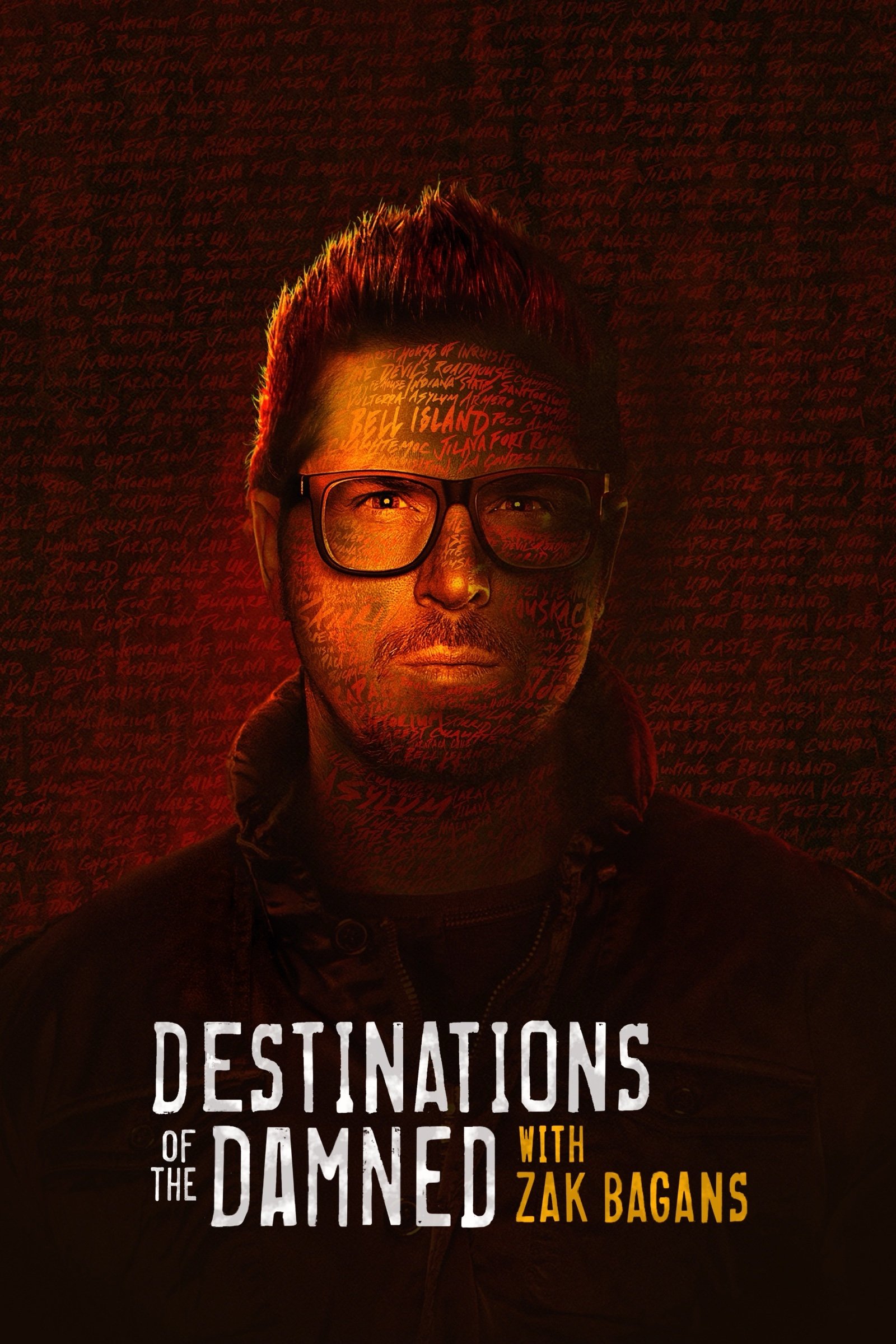
Zak Bagans Legal Disputes: A Comprehensive Review of Litigation and Business Liabilities
As of 2026, Zak Bagans remains a dominant figure in paranormal media and location-based entertainment. His legal landscape is primarily defined by the complexities of operating a high-traffic museum in Las Vegas and managing multi-mill...
As of 2026, Zak Bagans remains a dominant figure in paranormal media and location-based entertainment. His legal landscape is primarily defined by the complexities of operating a high-traffic museum in Las Vegas and managing multi-million dollar production contracts with major networks like Warner Bros. Discovery. Most legal disputes involving Bagans are civil in nature, revolving around breach of contract, premises liability, and intellectual property rights rather than personal criminal issues.
Contents
The Evolution of Zak Bagans’ Legal Profile
Zak Bagans, the creator and lead investigator of the long-running series Ghost Adventures, has transitioned from a reality television personality to a significant business mogul. This evolution has necessitated a more robust legal infrastructure to manage his primary assets: the Ghost Adventures brand and The Haunted Museum in Las Vegas.
In the high-stakes world of paranormal investigation and "dark tourism," legal disputes often arise from three distinct areas:
- Production and Intellectual Property: Conflicts over documentary rights, footage ownership, and distribution agreements.
- Premises Liability: Personal injury claims from visitors navigating the intentionally dark and claustrophobic environments of his physical museum.
- Employment and Contractual Law: Disputes with former collaborators, crew members, or museum staff regarding compensation, workplace conditions, or non-disclosure agreements (NDAs).
For fans and legal observers in 2026, understanding "what is happening" requires looking at the outcomes of past litigation and the ongoing regulatory requirements that govern his current operations.
The "Demon House" Litigation: Stratten vs. Bagans
One of the most significant legal hurdles in Bagans' career involved the 2018 documentary Demon House. This case serves as a primary example of the professional risks inherent in independent documentary production.
Filmmaker Richard Stratten filed a lawsuit against Bagans alleging breach of contract and defamation. Stratten claimed that Bagans had failed to credit him properly and had interfered with his creative contributions during the filming of the Gary, Indiana "Exorcist House" project. The dispute highlighted the necessity of clear "work-for-hire" agreements in the entertainment industry.
The resolution of this case established a precedent for Bagans’ future productions. While many details were settled behind closed doors, the litigation emphasized the importance of chain-of-title documentation—the legal record that proves who owns a creative work. In 2026, Bagans' production companies are known for utilizing rigorous contractual standards to prevent similar "he-said, she-said" disputes over creative credit and revenue sharing.
The Haunted Museum and Premises Liability
Zak Bagans' Haunted Museum, located in the historic Wengert Mansion in Las Vegas, is a focal point for frequent legal scrutiny. Operating a museum that encourages "spiritual encounters" and features narrow hallways, stairs, and strobe lighting presents a unique challenge for premises liability law.
The 2021 Personal Injury Suit
A notable case that gained public attention involved a visitor who claimed she suffered injuries after falling during a tour. The plaintiff alleged that the museum’s environment—specifically the low lighting and atmospheric effects—created a hazardous condition that the museum failed to mitigate or warn against.
In Nevada, premises liability cases often hinge on whether the property owner exercised "reasonable care" to protect visitors. Bagans’ legal team typically defends these cases by pointing to the extensive liability waivers every visitor must sign before entry. These waivers specifically outline the risks of physical and psychological distress, fainting, and tripping.
The Role of Liability Waivers
As of 2026, the museum's entry protocols are a case study in risk management. The waivers have become increasingly detailed, covering:
- Physical Hazards: Low light, uneven flooring, and confined spaces.
- Psychological Impact: Potential trauma from viewing "cursed" objects like the Dybbuk Box.
- Medical Exclusions: Warnings for those with heart conditions, epilepsy, or pregnancy.
While a waiver does not grant a business absolute immunity from gross negligence, it serves as a powerful deterrent and a primary defense in civil court, often leading to the dismissal of minor slip-and-fall claims before they reach trial.
Contractual Stability with Warner Bros. Discovery
A major turning point for Bagans occurred in 2022 when he signed a massive multi-year deal with Warner Bros. Discovery. This contract solidified his presence on Discovery+ and the Travel Channel, ensuring that Ghost Adventures and its spin-offs remained flagship content.
From a legal perspective, this deal was designed to prevent the "network hopping" often seen in reality TV. The exclusivity clauses in these contracts are ironclad, meaning Bagans cannot produce content for competing streaming services without explicit permission. In 2026, the absence of major disputes between Bagans and the network suggests a highly symbiotic relationship where legal teams on both sides have aligned their interests regarding merchandising, international distribution, and digital rights.
Workplace Environment and Employment Law
Like many reality television sets, the production of Ghost Adventures has faced occasional scrutiny regarding workplace culture and safety. Employment disputes in this niche often revolve around the long, irregular hours required for overnight investigations.
While Bagans has not faced a high-profile class-action lawsuit from his crew, the industry as a whole has seen a trend toward stricter union compliance (via IATSE). Bagans has had to navigate these evolving labor standards to ensure his productions are not sidelined by strikes or grievances related to "hazardous" filming conditions in supposedly haunted or structurally unsound buildings.
Regulatory Compliance in Las Vegas
Beyond civil litigation, Bagans must manage ongoing regulatory and zoning requirements. The Haunted Museum is a "special use" property in a historic district.
| Legal/Regulatory Category | Primary Concern | Current Status (2026) |
|---|---|---|
| Zoning & Land Use | Compliance with Las Vegas "Historic District" ordinances. | Fully compliant; frequent renewals of special use permits for tourism. |
| Business Licensing | Maintaining a valid privileged business license for a high-traffic attraction. | Active; requires regular safety inspections by the fire marshal. |
| Intellectual Property | Trademarks for Ghost Adventures and "The Haunted Museum." | Heavily guarded; frequent "cease and desist" orders issued to unauthorized merch. |
| Tort Defense | Handling slip-and-fall or injury claims from museum guests. | Managed via comprehensive insurance policies and liability waivers. |
The Las Vegas City Council has, at various times, reviewed the impact of the museum on the surrounding neighborhood, including parking issues and noise. Legal counsel for Bagans’ LLCs frequently interacts with local government to ensure the business remains in good standing with the city's master plan.
FAQs: Zak Bagans Legal Inquiries
Has Zak Bagans ever been arrested?
No, Zak Bagans has no record of major criminal arrests. His legal history is entirely comprised of civil matters related to his businesses, production contracts, and property management. He maintains a professional relationship with law enforcement, often hiring off-duty officers for security at his high-profile locations.
Is the "Demon House" lawsuit still ongoing?
As of 2026, the primary litigation regarding the Demon House documentary and the demolition of the Gary, Indiana home has been resolved. Most disputes involving creative credits or breach of contract were either settled out of court or dismissed by a judge. The house itself was demolished by Bagans in 2016 to "prevent further evil," a move that was legally permitted as he owned the property outright.
Can you sue the Haunted Museum if you get "cursed"?
While visitors sign waivers acknowledging the risk of spiritual or psychological distress, "cursing" is not a legally recognized injury in a court of law. A plaintiff would need to prove tangible physical or financial harm caused by the museum's negligence. Suits based on supernatural claims are generally dismissed for lack of "triable issues of fact."
Who owns the rights to Ghost Adventures?
The intellectual property is primarily owned by Warner Bros. Discovery, through its subsidiary Travel Channel, in partnership with Bagans' production company, MY Entertainment. This joint ownership is governed by complex licensing agreements that dictate how the show is aired, streamed, and sold internationally.
How does Zak Bagans handle "Cease and Desist" orders?
Bagans is known to be very protective of his brand. His legal team actively monitors the internet for unauthorized use of the Ghost Adventures name or the likeness of museum artifacts. These disputes are typically handled through private "Cease and Desist" letters and rarely escalate to full-scale courtroom battles, as most small vendors comply immediately.
Recommended Next Actions for Researchers
If you are tracking a specific legal filing involving Zak Bagans or his entities (such as Zak Bagans' Haunted Museum LLC), the most reliable method is to use the Clark County District Court records search (for Las Vegas matters) or the PACER system (for federal or copyright matters).
For fans concerned about the future of his shows, the 2022 multi-year contract renewal remains the most important legal document in his portfolio, as it secures his professional output through the mid-2020s. Always distinguish between tabloid rumors of "legal trouble" and actual court filings, as the former rarely reflects the stable corporate reality of Bagans' business operations.
Image Gallery