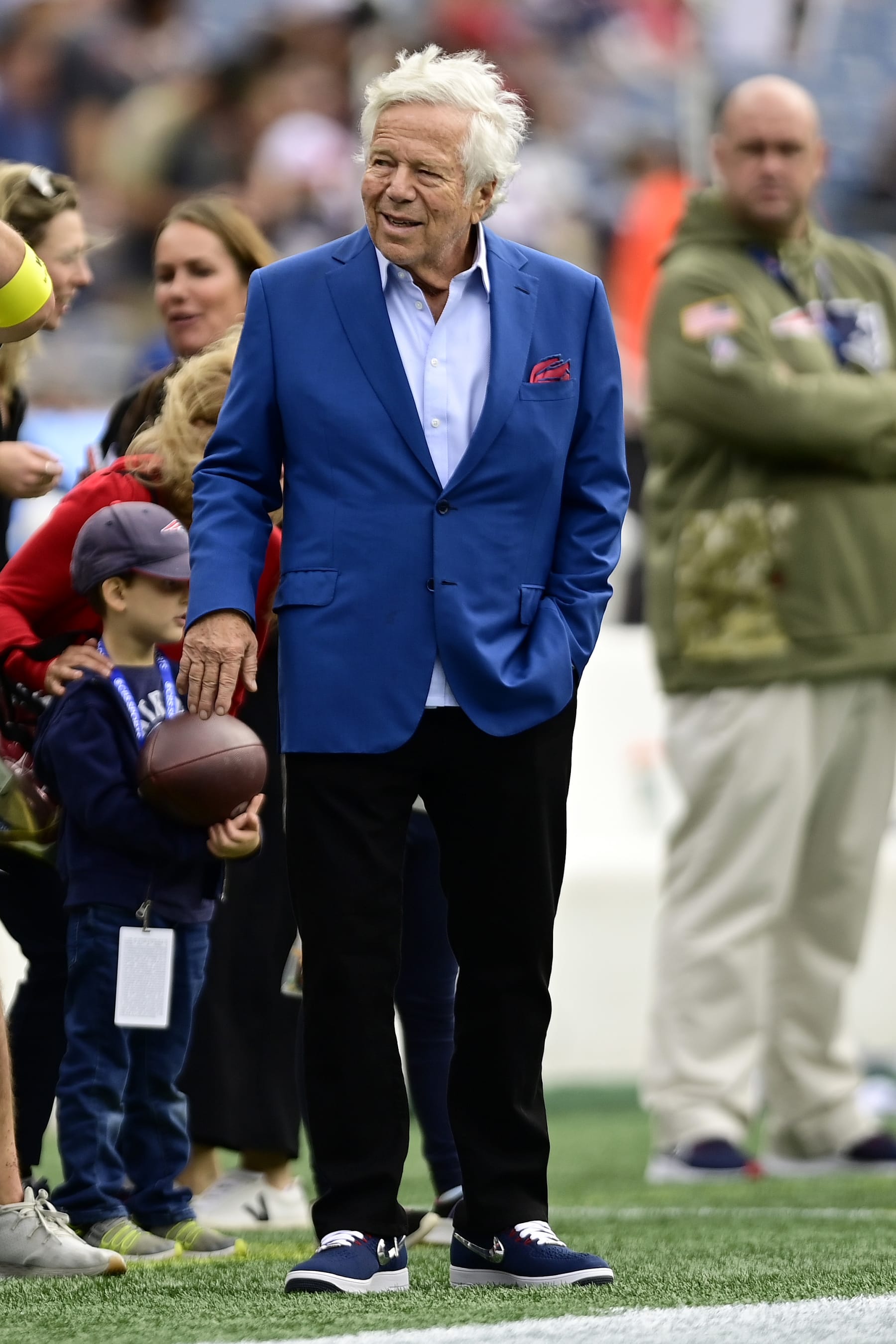
Robert Kraft: Business Profile, Acquisition, and Legacy of the New England Patriots Owner
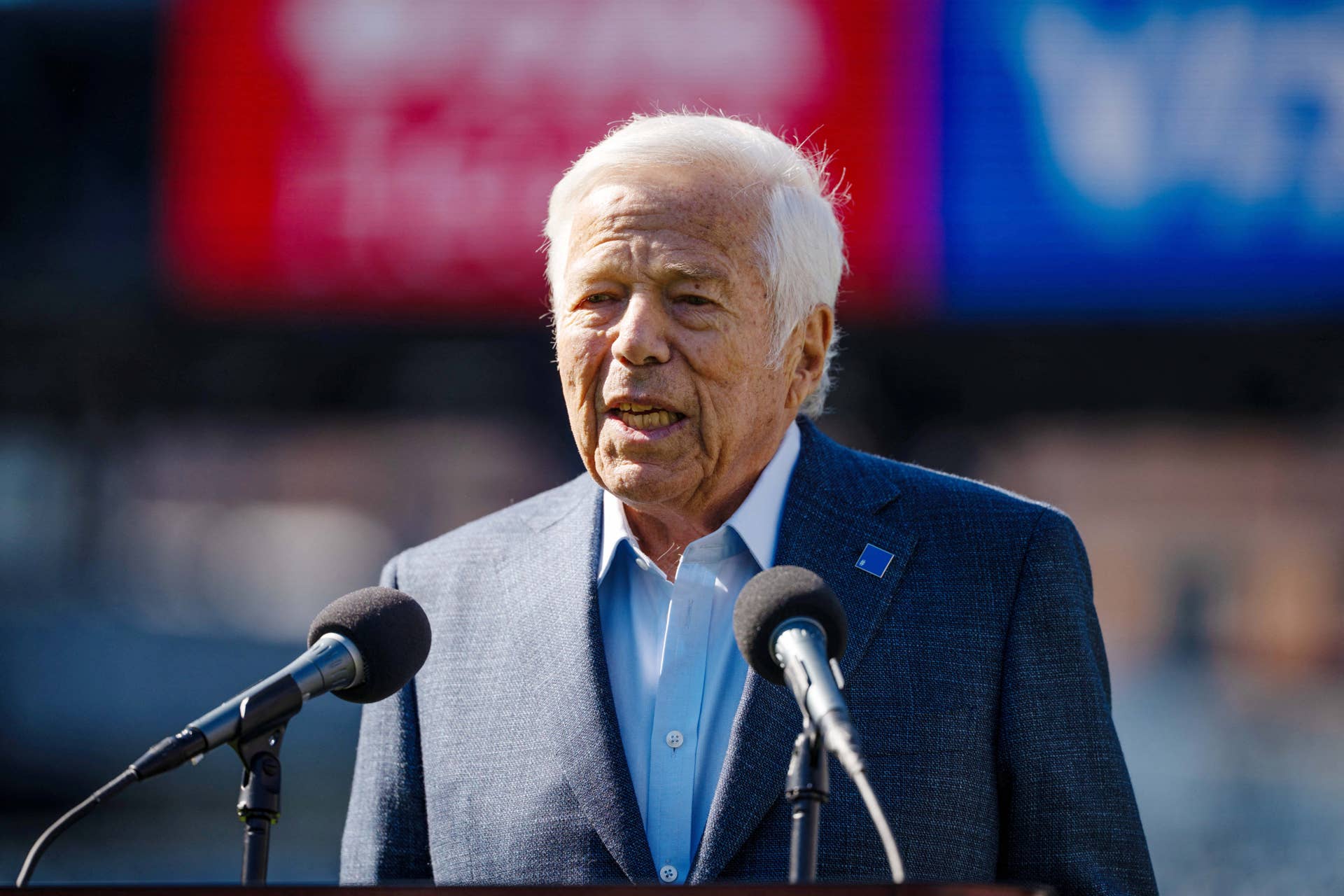
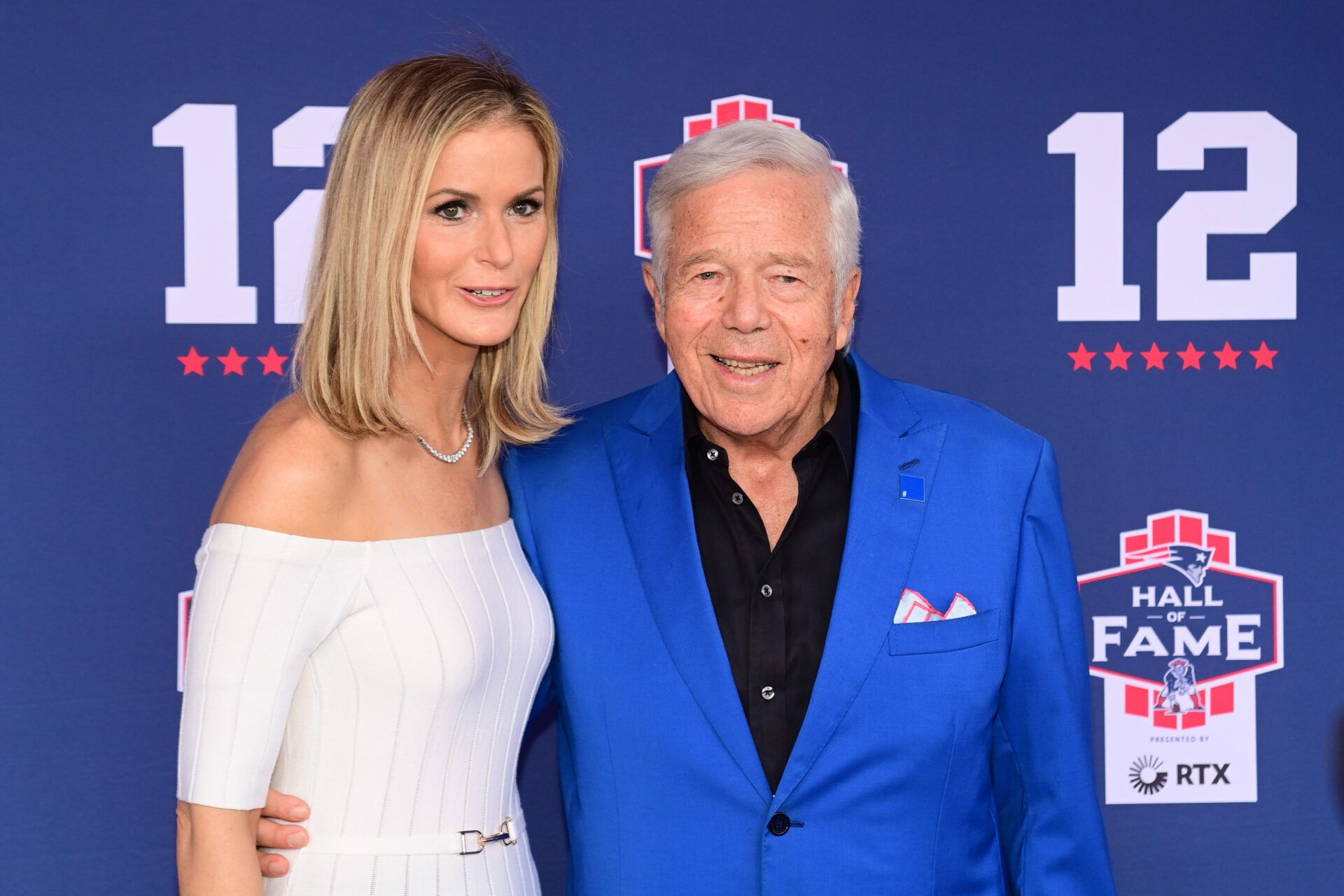
Robert Kraft is an American billionaire businessman and the chairman and chief executive officer of The Kraft Group. He is best known as the owner of the New England Patriots, an National Football League (NFL) franchise he purchased in...
Robert Kraft is an American billionaire businessman and the chairman and chief executive officer of The Kraft Group. He is best known as the owner of the New England Patriots, an National Football League (NFL) franchise he purchased in 1994 for $172 million. Under Kraft's stewardship, the Patriots transformed into one of the most valuable and successful sports franchises in modern history, winning six Super Bowl titles.
Contents
Early Life, Education, and Business Empire (The Kraft Group)
Robert Kenneth Kraft was born on June 5, 1941, in Brookline, Massachusetts. Raised in a modern Orthodox Jewish family, he attended Columbia University on a scholarship, graduating in 1963. He later earned a Master of Business Administration from Harvard Business School in 1965.
Kraft began his business career at the Rand-Whitney Group, a Worcester-based packaging company owned by his father-in-law, Jacob Hiatt. In 1968, Kraft executed a leveraged buyout to gain control of Rand-Whitney. Recognizing expanding global opportunities in the paper and packaging industry, he founded International Forest Products (IFP) in 1972. IFP specialized in trading physical paper and packaging commodities globally, eventually becoming one of the largest physical traders of forest products in North America.
To consolidate his holdings, Kraft created The Kraft Group as a private holding company. Over the decades, The Kraft Group diversified beyond paper products into four primary sectors:
- Paper and Packaging: Core industrial operations including Rand-Whitney and IFP.
- Sports and Entertainment: The New England Patriots, New England Revolution (Major League Soccer), Boston Uprising (Esports), and Gillette Stadium operations.
- Real Estate Development: Commercial real estate development, including the 1.3-million-square-foot Patriot Place complex surrounding Gillette Stadium.
- Private Equity and Venture Capital: Investments spanning technology, healthcare, renewable energy, and consumer goods.
Through systematic reinvestment of industrial profits into real estate and sports enterprise assets, Kraft established a resilient financial backbone that ultimately enabled his acquisition of the New England Patriots.
Acquisition of the New England Patriots: The Battle for Foxboro
The process by which Robert Kraft acquired the New England Patriots is widely cited as a case study in strategic real estate and contract acquisition. Kraft had been a Patriots season-ticket holder since 1971, watching the team battle financial instability and inconsistent performance under early ownership groups.
By the late 1980s, the Patriots franchise faced severe financial distress under founder Billy Sullivan. In 1988, Sullivan was forced into bankruptcy due to unsuccessful business investments outside football, including backing the Michael Jackson Victory Tour. Seizing an entry point, Kraft purchased Foxboro Stadium out of bankruptcy court for $22 million in 1988. Crucially, the purchase included the stadium lease, which bound the Patriots to play inside Foxboro Stadium through 2001.
1988: Kraft buys Foxboro Stadium ($22M) -> Holds binding stadium lease through 2001 1992: James Orthwein buys Patriots -> Plans relocation to St. Louis 1994: Kraft refuses lease buyout -> Buys Patriots for record $172M to keep team in New England
In 1992, St. Louis businessman James Orthwein bought the Patriots with the explicit intention of relocating the team to Missouri. Orthwein offered Kraft millions of dollars to break the Foxboro Stadium lease. Kraft refused all buyout offers, understanding that without an alternative venue, the franchise could not legally move before 2001 without incurring crippling legal liability.
Faced with an unyielding landlord and no immediate path to relocation, Orthwein opted to sell the franchise. On January 17, 1994, Kraft purchased the New England Patriots for $172 million—the highest price ever paid for an NFL team at that time. The acquisition kept the franchise in New England permanently.
Building the Patriots Dynasty: Era of Unprecedented NFL Success
When Kraft assumed control of the franchise in 1994, he introduced a corporate structure emphasizing alignment between executive management, football operations, and business strategy. The franchise immediately saw renewed competitiveness, reaching Super Bowl XXXI following the 1996 season under head coach Bill Parcells.
The Belichick-Brady Architectural Era
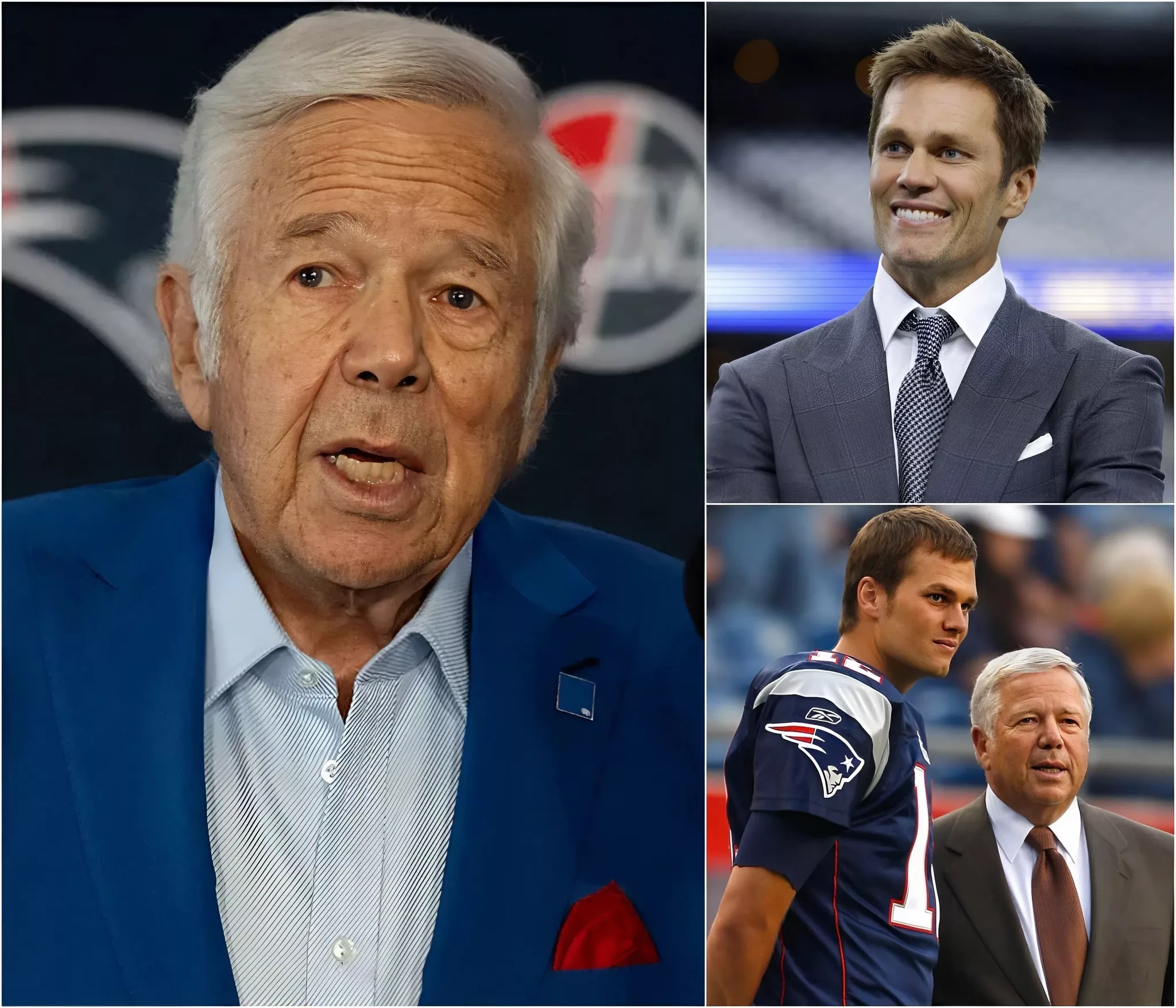
Kraft made his most consequential organizational decision in January 2000 by hiring Bill Belichick as head coach, surrendering a first-round draft pick to the New York Jets as compensation. Later that spring, the Patriots drafted quarterback Tom Brady in the sixth round (199th overall) of the 2000 NFL Draft.
This partnership created the most dominant multi-decade dynasty in modern professional sports history, marked by:
- Six Super Bowl Championships: Titles in Super Bowl XXXVI (2001), XXXVIII (2003), XXXIX (2004), XLIX (2014), LI (2016), and LIII (2018).
- Nine AFC Titles: Reaching eleven overall franchise Super Bowl appearances, ten of which occurred during Kraft’s ownership.
- 17 Division Titles in 18 Years: Winning the AFC East consecutively from 2009 through 2019.
- Sustained Operational Consistency: Maintaining an elite winning percentage during salary-cap parity in the NFL.
Kraft’s hands-off approach toward roster decisions, paired with firm oversight of budget allocation and organizational culture, allowed Belichick and Brady to execute their game plans with minimal executive interference.
Organizational Transitions
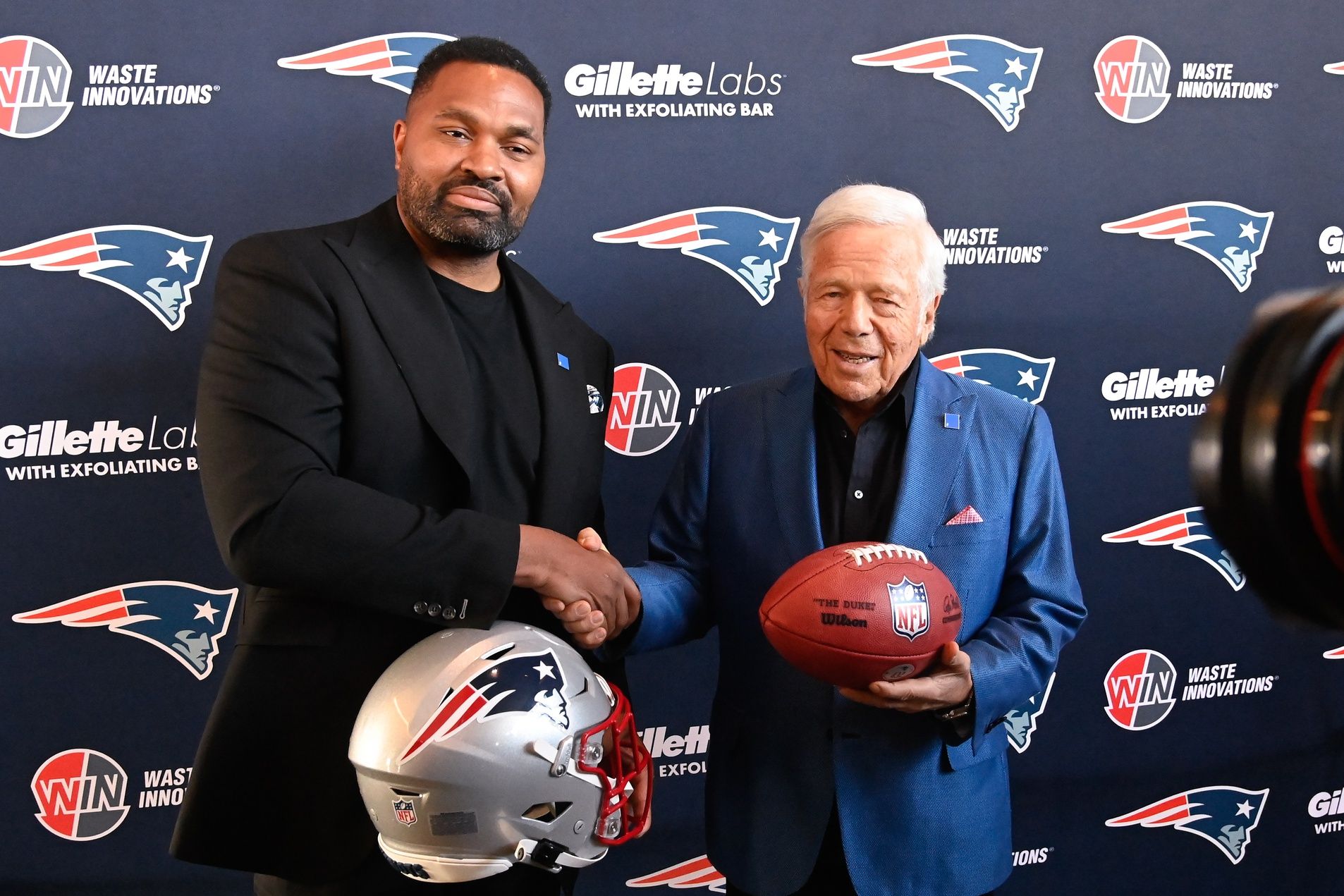
Following Tom Brady’s departure in free agency in 2020 and subsequent seasons of declining team performance, Kraft oversaw a major organizational reset. In January 2024, Kraft and Bill Belichick mutually agreed to part ways after 24 seasons. Kraft immediately named former Patriots linebacker Jerod Mayo as the franchise's 15th head coach, initiating a new era focused on roster modernization, draft capital execution, and structural adaptation.
Financial Breakdown and Franchise Valuation
Under Kraft's ownership, the Patriots evolved from a financially troubled team playing in an outdated stadium into one of the world's most valuable sports entities. According to estimates by Forbes, the enterprise valuation of the Patriots consistently ranks among the top five worldwide across all professional sports.
| Financial Milestone | Year / Era | Operational & Capital Details |
|---|---|---|
| Foxboro Stadium Purchase | 1988 | $22 million acquisition out of bankruptcy court; secured ground control. |
| Patriots Franchise Acquisition | 1994 | $172 million purchase price; world record for an NFL team at the time. |
| Gillette Stadium Construction | 2000–2002 | $325 million initial cost; 100% privately financed by Kraft without taxpayer money. |
| Patriot Place Expansion | 2007–Present | $300+ million mixed-use retail, dining, and healthcare complex adjacent to stadium. |
| Super Bowl Championships | 2001–2018 | 6 Lombardi Trophies secured across two distinct championship decades. |
| Franchise Enterprise Value | Mid-2020s | Valued at over $6 billion to $7 billion enterprise mark. |
Unlike many sports owners who rely on municipal bonds or local taxation to construct venues, Kraft privately funded the construction of Gillette Stadium, which opened in Foxborough in 2002. This financial independence allowed The Kraft Group to retain all ancillary revenue streams, including parking, concessions, non-NFL events, and naming rights sales.
Business Operations Beyond Football: Revolution and Patriot Place
Kraft’s sports and real estate footprint extends well beyond the NFL gridiron:
New England Revolution (MLS)
In 1995, Kraft became an inaugural investor-operator in Major League Soccer (MLS) by founding the New England Revolution. The team began play in 1996 and shares Gillette Stadium with the Patriots. Kraft's investment played an important role in keeping North American professional soccer viable during the league's early, financially turbulent years.
Patriot Place Complex
In 2007, The Kraft Group opened Patriot Place, an open-air center covering over 1.3 million square feet surrounding Gillette Stadium. The development features:
- National retail chains, restaurants, and entertainment venues.
- Medical centers operated in partnership with Mass General Brigham.
- The Hall at Patriot Place, an interactive museum preserving franchise history.
This integration of sports, real estate, and retail ensures consistent cash flow throughout the calendar year, independently of the NFL regular season schedule.
League Influence, Labor Leadership, and Philanthropy
Labor Relations and NFL Governance
Kraft exerts significant influence within NFL governance, serving on influential league committees, including the Finance Committee and the Broadcast Committee. His key moment as a league leader occurred during the 2011 NFL Lockout. Kraft acted as an essential mediator between franchise owners and the NFL Players Association (NFLPA), helping negotiate a 10-year Collective Bargaining Agreement (CBA) that prevented lost games and secured labor peace through 2020.
Philanthropic Initiatives
Kraft’s charitable activities operate primarily through the Kraft Family Foundation. Major initiatives include:
- Foundation to Combat Antisemitism (FCAS): Established by Kraft in 2019 to counter rising antisemitism and hate speech through national media campaigns, including public advertisements during major sporting events.
- Academic and Healthcare Giving: Multi-million dollar donations to Harvard Business School, Columbia University, Brandeis University, Tufts University, and Massachusetts General Hospital.
- Community Philanthropy: Funding youth sports facilities, educational access programs, and social justice reform efforts across New England.
Kraft’s impact on sports management and ownership led to his induction into the American Academy of Arts and Sciences and his frequent consideration for the Pro Football Hall of Fame in the contributor category.
Frequently Asked Questions
How did Robert Kraft purchase the New England Patriots?
Robert Kraft acquired the Patriots in 1994 for $172 million after buying Foxboro Stadium out of bankruptcy in 1988. Because he held the stadium lease, he refused to let the previous owner relocate the team to St. Louis, eventually compelling the owner to sell the franchise to him.
How much did Robert Kraft pay for the Patriots compared to their current value?
Kraft bought the Patriots for $172 million in 1994. Through stadium development, marketing, and six Super Bowl victories, the franchise's enterprise valuation has grown to over $6 billion.
Was Gillette Stadium publicly or privately funded?
Gillette Stadium was 100% privately financed by Robert Kraft and The Kraft Group. Opened in 2002 at an initial construction cost of $325 million, it did not rely on local public tax bonds for its primary stadium construction.
What other sports teams does Robert Kraft own?
In addition to the New England Patriots, Robert Kraft owns the New England Revolution of Major League Soccer (MLS) and the Boston Uprising, a professional esports franchise.
What is The Kraft Group?
The Kraft Group is the private holding company for the Kraft family’s business interests. Its operational divisions encompass paper manufacturing and packaging trading (Rand-Whitney and International Forest Products), sports and entertainment, real estate development (Patriot Place), and private equity.
Practical Takeaway for Business and Sports Analysts
Robert Kraft’s ownership of the New England Patriots demonstrates how control of foundational real estate assets—specifically stadium leases and land rights—can yield decisive leverage in corporate acquisitions.
Investors, sports executives, and corporate strategists analyzing Kraft's success point to three distinct practices:
- Secure Land and Infrastructure First: Buying Foxboro Stadium gave Kraft complete leverage long before the team itself was listed for sale.
- Control Revenue Streams: Privately funding Gillette Stadium allowed Kraft to retain 100% of ancillary revenues, from parking to year-round retail operations at Patriot Place.
- Align Leadership and Delegate Operations: Empowering football experts while maintaining fiscal discipline established a operational environment that sustained success for over two decades.
Image Gallery