The Most Iconic Disney Channel Couples: Storylines, Dynamics, and Pop Culture Legacy
Disney Channel couples have shaped youth television tropes for decades, blending comedy, musical performances, and coming-of-age emotional stakes. From classic friends-to-lovers arcs like Lizzie McGuire and Gordo to high-energy musical...
Disney Channel couples have shaped youth television tropes for decades, blending comedy, musical performances, and coming-of-age emotional stakes. From classic friends-to-lovers arcs like Lizzie McGuire and Gordo to high-energy musical pairings like Troy Bolton and Gabriella Montez, these relationships defined adolescent entertainment across the 2000s and 2010s, establishing romantic storytelling standards that persist in modern teen media.
Contents
The Evolution of Romantic Storytelling on Disney Channel
The portrayal of romantic relationships on Disney Channel underwent a structural evolution between the late 1990s and the late 2010s. During the network's early live-action era, romances were typically secondary plot points or episodic crushes designed to highlight personal growth, moral dilemmas, or comedic misunderstandings. Network censors and programming executives enforced strict standards regarding physical affection and mature themes, pushing writers to rely heavily on emotional subtext, eye contact, shared goal-oriented teamwork, and sharp banter.
As serialized storytelling became more prevalent in youth media, Disney Channel narrative structures expanded. Shows began building multi-season relationship arcs that allowed characters to mature, experience breakups, navigate career choices, and address real-world adolescent anxieties. Romantic pairings shifted from static sitcom devices into core narrative engines that drove viewer retention, soundtrack sales, and franchise continuity.
| Late 1990s - Early 2000s | Mid 2000s - Early 2010s | 2010s - Present |
|---|---|---|
| Episodic crushes | Multi-season arcs | Genre-hybrid arcs |
| Unrequited friendship | Musical duets & DCOMs | High-concept stakes |
| Secondary plotlines | Core narrative engines | Serialization |
This evolution created distinct eras of Disney Channel couples: the grounded, relatable sitcom pairings of the early 2000s; the theatrical, musical-driven romances of the mid-to-late 2000s; and the fantasy, sci-fi, and genre-bending relationships of the 2010s.
Golden Era Couples of the 2000s
The 2000s established the core blueprint for Disney Channel romances, emphasizing relatable adolescent challenges within both grounded school settings and extraordinary circumstances.
Troy Bolton and Gabriella Montez (High School Musical)
Troy Bolton (Zac Efron) and Gabriella Montez (Vanessa Hudgens) stand as the central romantic pairing of Disney Channel's movie franchise era. Introduced in 2006's High School Musical, their dynamic centered on breaking traditional high school social hierarchies—the athletic jock versus the academic scholar—through a shared passion for music.
Their narrative arc across three films dealt directly with peer pressure, long-distance relationships, individual ambitions, and college choices. Rather than prioritizing romance over personal identity, their storyline repeatedly emphasized supporting each other's individual goals, best exemplified in songs like "Gotta Go My Own Way" and "Everyday." Their on-screen dynamic proved foundational to the network's soundtrack sales and established the standard for Disney Channel Original Movie (DCOM) romantic leads.
Lizzie McGuire and David "Gordo" Gordon (Lizzie McGuire)
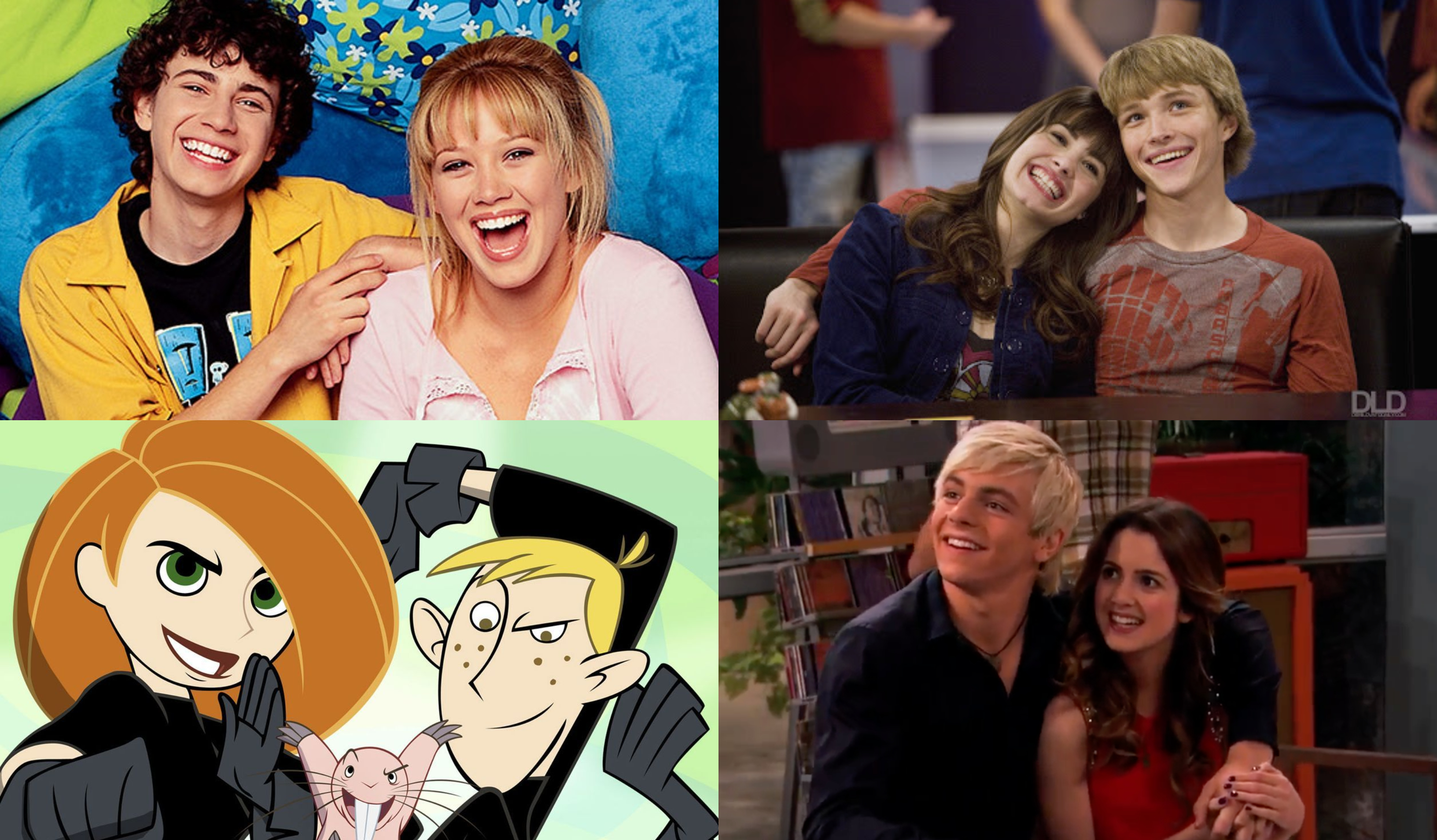
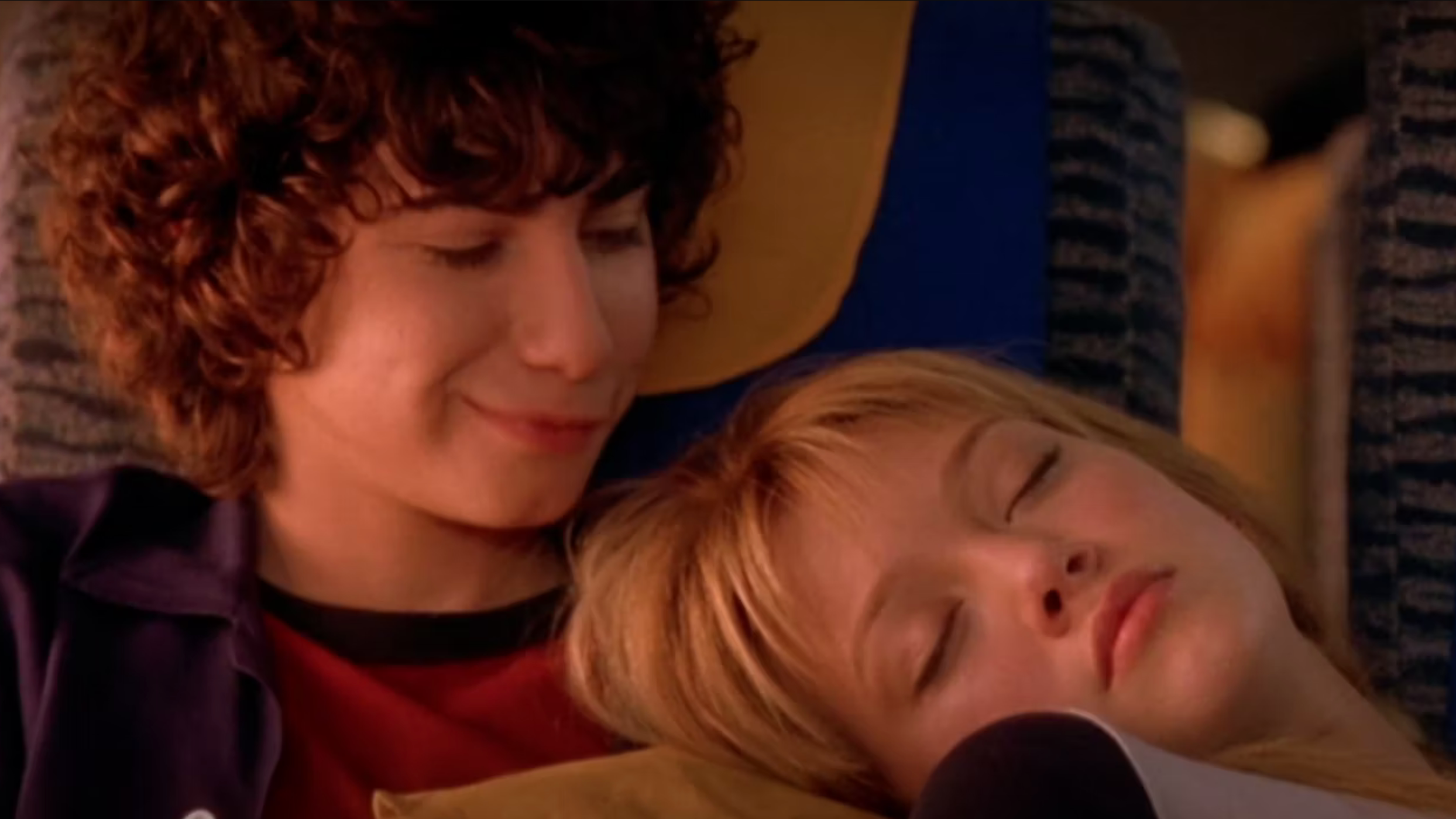
Lizzie McGuire (Hilary Duff) and David "Gordo" Gordon (Adam Lamberg) set the standard for the "best friends to romantic partners" trope on multi-camera youth sitcoms. Throughout two seasons of Lizzie McGuire, Gordo harbored silent romantic feelings for Lizzie while supporting her through episodic crushes, middle school embarrassments, and personal milestones.
The series resisted rushing their romance, preserving their friendship as the narrative core. The payoff occurred in The Lizzie McGuire Movie (2003), where Gordo prioritized protecting Lizzie from an opportunistic Italian pop star over his own feelings. Their quiet balcony kiss at the end of the film served as a milestone moment for network viewers, demonstrating how long-term character development enhances romantic payoffs.
Kim Possible and Ron Stoppable (Kim Possible)
As an animated feature pairing, Kim Possible (voiced by Christy Carlson Romano) and Ron Stoppable (voiced by Will Friedle) provided an energetic subversion of classic hero-and-sidekick dynamics. Kim was the hyper-competent secret agent, while Ron served as the chaotic, clumsy emotional anchor.
Their relationship evolved gradually from early childhood friendship to a mutual partnership grounded in trust. The television movie Kim Possible: So the Drama (2005) brought their romance to the forefront, addressing the fear of ruining a lifelong friendship by introducing romantic competition before bringing them together at senior prom. Fan demand was so substantial that the series was renewed for a fourth season specifically to explore their dynamic as an established high school couple balancing crime-fighting duties.
Phil Diffy and Keely Teslow (Phil of the Future)
Phil of the Future introduced a sci-fi spin on adolescent romance. Phil Diffy (Raviv Ullman), a teenager from the year 2121 stranded in 2004, relied on 21st-century native Keely Teslow (Aly Michalka) to keep his family's secret.
Their relationship developed through mutual reliance and emotional honesty. Keely served as Phil's confidante, while Phil offered Keely a broader perspective on the world. The series highlighted the emotional weight of temporal displacement, culminating in the series finale where they officially decided to date just before Phil's family unexpectedly repaired their time machine.
The 2010s Renaissance: Complex Arcs and Genre Dynamics
As Disney Channel expanded into high-concept sitcoms, fantasy series, and genre mashups during the 2010s, romantic pairings became more complex, incorporating career friction, supernatural elements, and serialized plotlines.
| Couple | Show / Franchise | Primary Tension Dynamic |
|---|---|---|
| Cody & Bailey | The Suite Life on Deck | Academic competition & personality clashes |
| Alex & Mason | Wizards of Waverly Place | Magical constraints & supernatural instinct |
| Austin & Ally | Austin & Ally | Creative collaboration vs. romantic partnership |
| Mal & Prince Ben | Descendants | Duty, legacy, & social upheaval |
Cody Martin and Bailey Pickett (The Suite Life on Deck)
Moving away from the brief crushes seen on The Suite Life of Zack & Cody, The Suite Life on Deck developed a complex, multi-year relationship between Cody Martin (Cole Sprouse) and Bailey Pickett (Debby Ryan). Both academically driven and detail-oriented, their relationship was defined by elaborate plans, romantic gestures, and fierce intellectual competition.
Unlike many youth sitcom couples, Cody and Bailey experienced a realistic, high-stakes breakup at the end of Season 2 during an anniversary trip to Paris. The writers spent the majority of Season 3 exploring their grief, boundaries, and eventual reconciliation in the "Twister" episode trilogy, providing viewers with a mature depiction of teenage conflict resolution.
Alex Russo and Mason Greyback (Wizards of Waverly Place)
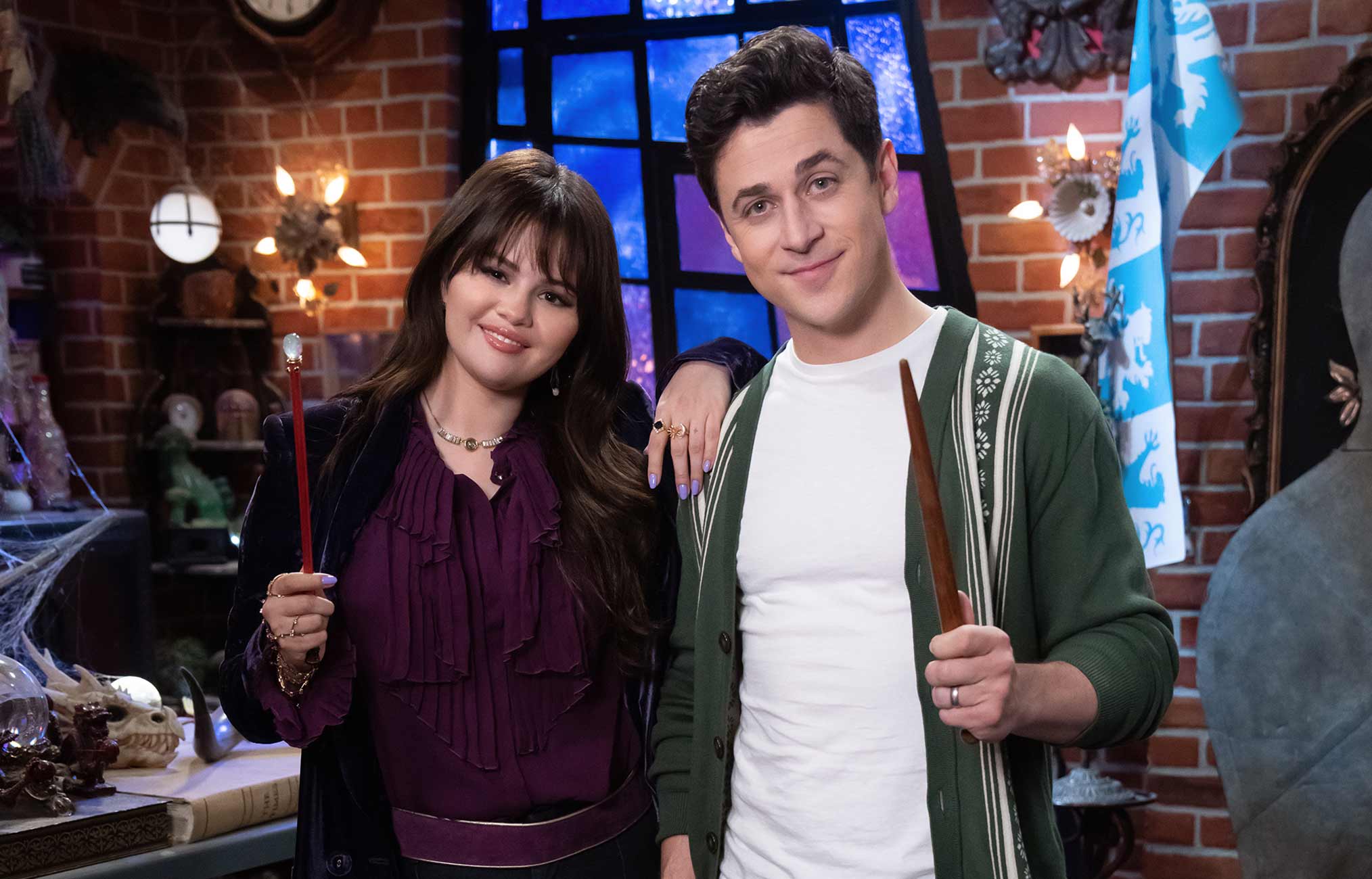
Alex Russo (Selena Gomez) and Mason Greyback (Gregg Sulkin) introduced supernatural drama into the network's sitcom roster. Alex, a cynical wizard, found her match in Mason, a polite British werewolf with an explosive temper.
Their storyline incorporated fantasy obstacles, including magical transformations, ancient rivalries, and life-or-death magical competitions. Despite their comedic setting, their arc addressed loyalty and compromise, particularly during the series finale where Alex's commitment to Mason directly influenced her participation in the Family Wizard Competition.
Austin Moon and Ally Dawson (Austin & Ally)
Austin & Ally centered entirely on the creative synergy between an extroverted performer, Austin Moon (Ross Lynch), and an introverted songwriter, Ally Dawson (Laura Marano). Their professional partnership created music, while their personal relationship developed through overcoming stage fright, industry pressures, and conflicting career schedules.
The show utilized a classic "will-they-won't-they" framework across four seasons. The writers balanced their romantic tension with their business contract, proving that professional respect and shared creative vision can form the basis of a long-term dynamic. The series finale tracked their relationship into adulthood, showing them happily married with children after years of touring together.
Mal and Prince Ben (Descendants)
In the Descendants film franchise, Mal (Dove Cameron), daughter of Maleficent, and Prince Ben (Mitchell Hope), son of Belle and the Beast, anchored a story about political reform and personal redemption. Ben's choice to bring children of villains to the kingdom of Auradon began as a social experiment but evolved into a partnership with Mal.
Their romance navigated heavy themes: royal protocol, public image expectations, spell-induced affection, and overcoming ancestral prejudice. Across three musical films, Mal and Ben's relationship symbolized structural change in their world, demonstrating how DCOM romances evolved from school-hallway dramas into central drivers of fantasy worldbuilding.
Key Character Tropes in Disney Channel Relationships
Disney Channel writers relied on established literary and dramatic tropes, tailoring them to fit a youth audience while maintaining comedic energy.
- Disney Channel Romance Tropes
- Friends to Lovers
- Long-term trust
- High emotional stakes
- Ex: Lizzie/Gordo
- Enemies to Lovers
- Witty banter
- Misjudging character
- Ex: Sonny/Chad
- Secret Identity
- Dual lives
- Trust issues
- Romantic choices
- Ex: Miley/Jesse
- Friends to Lovers
Friends to Lovers
The friends-to-lovers trope is the most prevalent model on the network. By establishing a foundation of unconditional support, series could stretch romantic tension over multiple seasons without alienating viewers. Examples include:
- Lizzie and Gordo (Lizzie McGuire)
- Ron and Kim (Kim Possible)
- Lilly Truscott and Oliver Oken (Hannah Montana)
Enemies to Lovers and Opposites Attract
This trope used rapid-fire banter and personality clashes to generate screen chemistry. Romantic interest was often masked as competition or mutual annoyance:
- Sonny Munroe and Chad Dylan Cooper (Sonny with a Chance): A rival comedy actor and drama star whose network feud masked genuine attraction.
- Shane Gray and Mitchie Torres (Camp Rock): An arrogant pop star humbled by a passionate, hidden musical talent.
Secret Identity Complications
Shows built around secret identities frequently used love triangles and romantic conflicts to highlight the hero's internal struggle:
- Miley Stewart, Jake Ryan, and Jesse (Hannah Montana): Miley (Miley Cyrus) navigated the differences between Hollywood glamour (acting star Jake Ryan) and grounded, artistic authenticity (bandmate Jesse), reflecting her ongoing struggle between her normal life and her pop-star alter ego.
Detailed Comparison of Major Disney Channel Couples
The following table breaks down the definitive elements, tropes, and narrative milestones of the most influential pairings across Disney Channel history.
| Couple Name | Franchise / Series | Primary Romantic Trope | Definitive Narrative Milestone | Impact on Narrative & Audience |
|---|---|---|---|---|
| Troy Bolton & Gabriella Montez | High School Musical | Opposites Attract / Musical Partners | Duet of "Everyday" in High School Musical 2 | Defined the 2000s DCOM era; established music as a core romantic vehicle. |
| Lizzie McGuire & Gordo | Lizzie McGuire | Best Friends to Lovers | Balcony kiss in The Lizzie McGuire Movie | Standardized the slow-burn friendship transition for live-action youth television. |
| Kim Possible & Ron Stoppable | Kim Possible | Hero & Sidekick / Childhood Friends | Prom dance and kiss in So the Drama | Proved animated youth series could execute serialized, multi-season romances. |
| Cody Martin & Bailey Pickett | The Suite Life on Deck | Academic Rivals / Intellectual Match | Paris breakup and subsequent Eiffel Tower reunion | Introduced mature relationship conflicts, breakups, and reconciliations to sitcoms. |
| Austin Moon & Ally Dawson | Austin & Ally | Creative Partners / Opposites Attract | Writing "Steal Your Heart" & confessed feelings in Season 2 | Highlighted artistic collaboration and mutual growth as foundations for romance. |
| Mal & Prince Ben | Descendants | Hero & Villain / Class & Duty | Mal breaking Ben's love potion spell in Descendants | Reimagined fantasy romance through themes of personal identity and social reform. |
| Alex Russo & Mason Greyback | Wizards of Waverly Place | Supernatural Fantasy / Opposites Attract | Mason's return from wolf form in Season 4 | Blended classic supernatural folklore with subverted fairy-tale expectations. |
| Sonny Munroe & Chad Dylan Cooper | Sonny with a Chance | Network Rivals / Enemies to Lovers | Secret dating reveal in "Sonny with a Secret" | Used meta-television parody to deliver high-energy comedic romance. |
| Phil Diffy & Keely Teslow | Phil of the Future | Sci-Fi Partners / Time-Displaced Romance | Official confession in the series finale ("Back to the Future") | Explored the emotional stakes of secrecy, loyalty, and temporal displacement. |
Behind the Scenes: Real-Life Chemistry and Media Impact
The public reaction to Disney Channel couples was often amplified by real-life actor dynamics, press coverage, and soundtrack marketing.
Off-Screen Relationships and Publicity
During the mid-to-late 2000s, off-screen relationships between lead actors significantly impacted public interest. The real-life dating of Zac Efron and Vanessa Hudgens, as well as Joe Jonas and Demi Lovato (Camp Rock), blurred the line between fictional narratives and celebrity culture. Print magazines, youth radio, and early digital media heavily covered these real-life pairings, creating a feedback loop that boosted viewership for movie premieres and boosted album sales.
Conversely, off-screen friendships without romantic ties—such as Ross Lynch and Laura Marano or Cole Sprouse and Debby Ryan—were marketed through behind-the-scenes featurettes, cast interviews, and blooper reels. Network producers deliberately leveraged cast chemistry during promotional tours to build long-term audience investment.
Network Constraints and Narrative Management
Writers faced distinct limitations when scripting relationships for Disney Channel:
- Strict Physical Boundaries: Displays of physical affection were limited to pivotal moments, such as season finales or film climaxes, making hand-holding, prolonged eye contact, and emotional vulnerability primary storytelling tools.
- Framing Individual Growth: Storylines had to ensure that characters did not abandon their personal ambitions, academic goals, or family obligations solely for a romantic partner.
- Episode Re-run Flexibility: Multi-camera sitcoms needed enough self-contained episodic comedy to air out of order during syndicated afternoon blocks without confusing casual viewers regarding the couple's relationship status.
Legacy and Influence on Contemporary Youth Television
The romantic structures developed on Disney Channel during the 2000s and 2010s left a lasting mark on modern adolescent media.
- Fandom Culture & Shipping
- Popularized online "shipping" nomenclature (e.g., Auslly, Troyella).
- Established fan-fiction subcultures on digital platforms.
- Serialization in Youth TV
- Shifted youth networks toward multi-season romantic continuity.
- Modern streaming shows adopt Disney Channel's slow-burn pacing models.
- Meta-Commentary & Legacy Sequels
- Shows like High School Musical: The Musical: The Series directly reframe classic tropes for modern audiences.
Digital Fandom Culture and "Shipping"
Disney Channel pairings were central to early digital fandom culture. The concept of "shipping"—desiring two characters to be in a romantic relationship—grew rapidly on platforms like YouTube, Tumblr, and fan-fiction forums during the late 2000s. Portmanteau couple names (such as "Troyella" for Troy and Gabriella, "Auslly" for Austin and Ally, and "Romble" for Ron and Kim) were popularized by fans and eventually acknowledged in network promotional spots.
The Streaming Era and Rewatch Value
With the consolidation of classic Disney Channel series on streaming services like Disney+, these shows have seen renewed viewership. Adult audiences rewatching these series evaluate storylines through modern critical lenses, analyzing character dynamics, trope execution, and nostalgic value.
Furthermore, modern youth series—including High School Musical: The Musical: The Series—have used meta-commentary to deconstruct and homage the romantic tropes established by the original Disney Channel offerings, proving the lasting cultural footprint of these pairings.
Frequently Asked Questions
What was the first animated Disney Channel couple to transition from best friends to romantic partners?
Kim Possible and Ron Stoppable were the first major animated Disney Channel leads to make this explicit transition. Their romantic shift occurred in the 2005 television movie Kim Possible: So the Drama and continued throughout the series' fourth season in 2007.
Did Austin and Ally end up together at the end of the series?
Yes. After years of an on-and-off partnership, Austin Moon and Ally Dawson officially reunite in the series finale of Austin & Ally. A flash-forward sequence shows that they eventually get married and have two children together while continuing their music careers.
Why did Cody and Bailey break up in The Suite Life on Deck?
Cody and Bailey broke up in the Season 2 finale, "Breakup in Paris," due to a series of misunderstandings surrounding their one-year anniversary date at the Eiffel Tower. Both characters attempted to execute elaborate surprises, which went wrong, leading to an argument about expectations and communication. They remained separated for much of Season 3 before reconciling during the "Twister" trilogy.
Are Troy Bolton and Gabriella Montez still together in canon continuity?
In the canon continuity established by High School Musical 3: Senior Year, Troy and Gabriella remain together while attending nearby universities (Stanford and UC Berkeley). In the meta-continuation series High School Musical: The Musical: The Series, dialogue in later seasons confirms that in the in-universe movie lore for High School Musical 4, Troy and Gabriella are still married and attending couple's therapy.
Which Disney Channel couple had the longest "will-they-won't-they" arc before officially dating?
Lizzie McGuire and Gordo held one of the longest slow-burn dynamics, spanning 65 television episodes and culminating in The Lizzie McGuire Movie without an explicit dating arc during the main show's run. Austin and Ally also maintained a multi-season back-and-forth dynamic over 87 episodes before permanently settling into their relationship in Season 4.
Navigating and Rewatching Classic Disney Channel Romances
For viewers looking to revisit these classic storylines or introduce them to new audiences, organizing your watch order by key narrative milestones provides the best experience.
- Identify Key Story Arcs: Rather than watching every standalone sitcom episode, focus on season premieres, mid-season hour-long specials, and series finales where relationship dynamics shift significantly.
- Include Television Movies: Major romantic developments for shows like Lizzie McGuire, Kim Possible, and The Suite Life on Deck occurred within their respective feature-length television movies (The Lizzie McGuire Movie, So the Drama, and The Suite Life Movie).
- Explore Sequel Series: Examine how modern continuation projects revisit classic dynamics, offering a perspective on how teen TV romance standards have evolved over time.
Image Gallery