Why the Right Trade Show Exhibition Displays Matter for Business Success
A high-quality trade show exhibition display serves as the physical manifestation of a brand’s value proposition. In 2026, where digital fatigue is prevalent, the right display facilitates meaningful face-to-face interactions, captures...
A high-quality trade show exhibition display serves as the physical manifestation of a brand’s value proposition. In 2026, where digital fatigue is prevalent, the right display facilitates meaningful face-to-face interactions, captures high-intent leads, and optimizes return on investment (ROI) by combining aesthetic appeal with functional, strategic design tailored to specific event goals.
Contents
The Strategic Impact of First Impressions in a High-Volume Environment
In the high-energy environment of a 2026 trade show, the window to capture a visitor's attention is exceptionally narrow. Research in environmental psychology suggests that attendees form a subconscious opinion of a brand within three to five seconds of sighting a booth. The "right" display acts as a silent salesperson, communicating professionalism, stability, and innovation before a single word is exchanged between a staff member and a prospect.
When an exhibition display is designed correctly, it cuts through the visual noise of a crowded convention hall. This is achieved through a combination of high-contrast graphics, strategic structural height, and purposeful negative space. A cluttered or poorly lit display conveys a lack of organization, which can inadvertently signal to potential partners that the company’s internal operations or products may be equally unrefined. Conversely, a cohesive, well-executed display establishes immediate authority, making the brand appear as a leader in its niche rather than a spectator.
Aligning Display Design with Measurable Marketing Objectives
Choosing a display is not merely an aesthetic decision; it is a strategic one that must align with specific Key Performance Indicators (KPIs). The physical layout of a booth should vary significantly depending on whether the primary goal is brand awareness, product demonstration, or direct lead generation.
Brand Awareness and Narrative Building
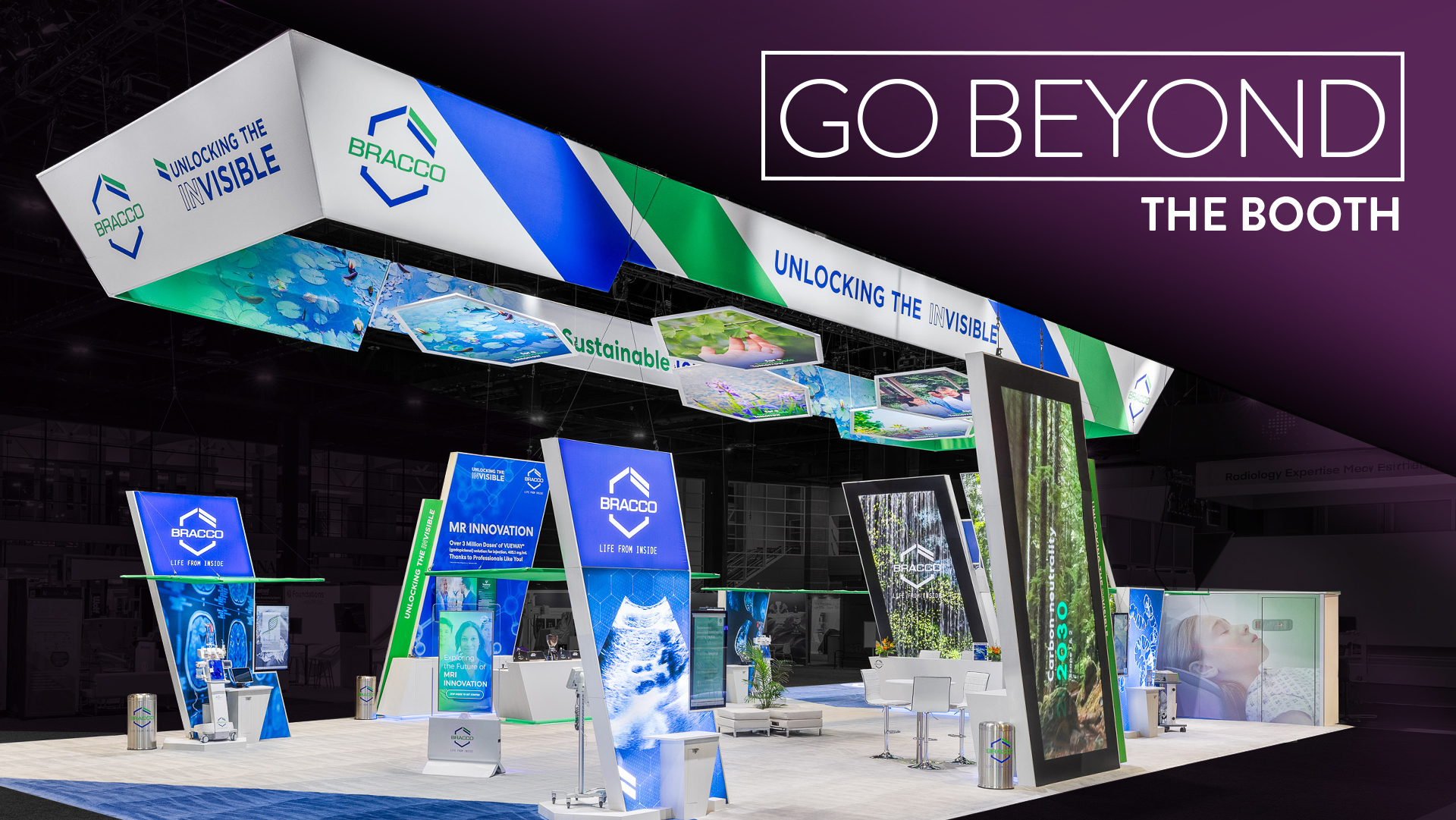
For companies focused on high-level branding, the display should emphasize large-format imagery and atmospheric elements. In 2026, this often involves "island" configurations (booths open on all four sides) that allow for a theatrical presentation. The use of high-definition tension fabric graphics allows for seamless visuals that tell a story from a distance, drawing attendees toward the center of the experience.
Product Demonstrations and Hands-on Experience
If the goal is to showcase a specific piece of technology or a physical product, the display must prioritize functionality. This includes integrated workstations, reinforced shelving, or dedicated demonstration zones with specialized lighting. The right display in this context provides the necessary infrastructure—such as hidden cable management and integrated power supplies—to ensure that the product remains the focal point without technical distractions.
Lead Generation and Private Consultations
For B2B firms focusing on high-value contracts, the display should incorporate semi-private or private meeting spaces. The right display architecture will include sound-dampening materials and strategic partitions to facilitate confidential conversations amidst the noise of the show floor. By creating a "sanctuary" within the booth, exhibitors can transition a casual visitor into a serious prospect much more effectively than they could in an open, high-traffic area.
Navigating the Technical Landscape: Materials, Lighting, and Modular Systems
The technical composition of an exhibition display significantly impacts its durability, ease of use, and visual fidelity. As of 2026, the industry has moved toward materials that offer high strength-to-weight ratios, allowing for complex designs that are still cost-effective to transport.
The Shift Toward Sustainable and Reusable Materials
Sustainability is no longer an optional "extra" in exhibit design; it is a core requirement for many venues and corporate ESG (Environmental, Social, and Governance) mandates. The right display utilizes recycled aluminum frames and PVC-free fabrics. Aluminum is particularly valued for its infinite recyclability and its ability to support heavy loads—such as large LED video walls—without the bulk of traditional timber framing. According to the Exhibition Services & Contractors Association (ESCA), reducing drayage weight through lightweight materials is one of the most effective ways to lower the carbon footprint and shipping costs of an exhibit.
Advanced Lighting Techniques for Emotional Engagement
Lighting is often the most undervalued component of a trade show display, yet it is what defines the mood and highlights the "hero" products. Modern displays utilize LED technology with high Color Rendering Index (CRI) ratings to ensure that product colors appear vibrant and accurate. Furthermore, the integration of programmable RGBW (Red, Green, Blue, White) lighting allows exhibitors to change the booth’s ambiance throughout the day, perhaps using cooler tones during morning sessions and warmer, more inviting tones for afternoon networking events.
Comparing Trade Show Display Types
Selecting the correct format is essential for balancing budget with presence. The table below outlines the primary categories used in the 2026 exhibition market.
| Display Type | Best For | Typical Weight | Setup Complexity | Customization Level |
|---|---|---|---|---|
| Portable (Pop-up) | Small budgets, 10x10 booths | Low (20-50 lbs) | Minimal (DIY) | Low - Graphics only |
| Modular Systems | Scaling across different shows | Medium | Moderate (Tool-less) | High - Reconfigurable |
| Hybrid Displays | Blending portability with custom look | Medium-High | Professional assist | High - Uses metal & fabric |
| Full Custom | Maximum impact, flagship events | High | Professional crew | Infinite |
The Role of Technology Integration in 2026 Exhibits
By 2026, the "right" display is no longer a static object; it is an interactive platform. The integration of technology must be seamless to avoid looking like an afterthought. This includes the use of ultra-slim LED tiles embedded directly into the walls, providing a "digital skin" that can update content in real-time based on the audience's interests.
Interactive Touchpoints and IoT Lead Tracking
Smart displays now incorporate Internet of Things (IoT) sensors to track foot traffic patterns within the booth. This data allows exhibitors to see which parts of the display are attracting the most attention and which are being ignored. Furthermore, the use of Near Field Communication (NFC) embedded in display graphics allows attendees to tap their badges or smartphones against a "hotspot" to instantly download digital brochures, reducing the need for physical paper waste.
Augmented Reality (AR) and Virtual Showrooms
The right display design accounts for the "digital overlay." For exhibitors with large machinery or complex systems that cannot be physically transported to a show, the display serves as an AR anchor. By providing dedicated AR viewing zones with the correct lighting and spatial markers, companies can showcase their entire product catalog in a small 10x20 footprint, providing a massive sense of scale without the associated shipping costs.
Maximizing ROI through Logistics and Life-Cycle Management
A significant portion of a trade show budget is consumed by "hidden" costs: shipping, storage, and drayage (the fee for moving freight from the loading dock to the booth space). The right display matters because it is engineered for logistical efficiency.
- Drayage Optimization: Displays that utilize modular aluminum frames and fabric graphics weigh significantly less than traditional wood-and-laminate booths. Since drayage is charged by weight (often in 100-lb increments), a lighter display can save thousands of dollars over the course of a multi-city tour.
- Ease of Assembly: Labor costs at major convention centers are a major expense. A display that features "tool-less" assembly or intuitive numbering systems allows for faster setup and dismantle (I&D), reducing the billable hours required from union labor crews.
- Durability and Reusability: The right display is an asset, not a consumable. High-quality frames from reputable manufacturers come with lifetime warranties and can be refreshed with new graphics for years. This "frame-and-skin" approach ensures that the brand can update its messaging for every show in 2026 without purchasing an entirely new structure.
Practical Strategies for Optimized Booth Traffic Flow
The physical layout of the display dictates how people move through the space. A common mistake is creating a "barrier" with a large reception desk at the very front of the booth. The right display design uses an "open floor" concept that invites visitors in.
- The 45-Degree Rule: Placing counters or display pedestals at a 45-degree angle to the aisle creates a more natural path for attendees to veer off the main walkway and into the booth space.
- Zoning for Engagement: Divide the display into three distinct zones: the "Attract" zone (outer perimeter with high-impact visuals), the "Engage" zone (center area for demos), and the "Convert" zone (back area for sitting and detailed discussions).
- Accessibility Compliance: Ensuring the display is ADA-compliant (or compliant with local accessibility laws like the European Accessibility Act) is not just a legal requirement but a business imperative. The right display includes ramps, appropriate counter heights, and clear pathways to ensure every attendee can interact with the brand.
Frequently Asked Questions
Should I rent or buy my exhibition display?
The decision depends on your show frequency. Generally, if you exhibit more than three times a year, purchasing is more cost-effective. However, renting allows for a completely different look at each show and eliminates storage and maintenance costs. Many companies in 2026 choose a "hybrid" approach: owning the core branded assets and graphics while renting the heavy structural components from a local exhibit house.
How far in advance should I start designing my display?
For a custom or complex modular display, you should begin the process at least six months before the event. This allows for three months of design and revisions, and three months for fabrication, graphic printing, and shipping logistics. Rushing the process often leads to higher costs and limited material choices.
What is the most durable material for trade show graphics?
Dye-sublimated tension fabric is currently the industry standard for durability. Unlike rigid panels, fabric graphics can be folded, are machine washable, and do not scratch or chip during transit. They provide a high-end, matte finish that does not reflect harsh overhead convention center lights.
How can a small 10x10 booth compete with larger island displays?
Focus on verticality and lighting. Most show regulations allow 10x10 booths to have backwalls up to 8 feet high. Use the full height for branding. Incorporate backlit graphics (lightboxes), which can make a small space pop and appear much larger than a standard non-lit display.
Strategic Recommendation for 2026
To achieve the best results, businesses should move away from "one-size-fits-all" booth kits and instead invest in a modular display system that utilizes a high-quality aluminum frame. This provides the flexibility to scale up for major industry events or scale down for smaller regional workshops while maintaining a consistent brand aesthetic. Prioritize "active" elements—such as integrated digital screens or interactive demo stations—over passive graphics to ensure the display fosters engagement rather than just observation.
Image Gallery