Mastering the Low Taper: The Definitive Guide to the Most Versatile Men’s Haircut in 2026
A low taper is a precision haircut technique where the hair length gradually shortens starting approximately one inch above the ears and at the very edge of the neckline. This style maintains the natural hairline while providing a clea...
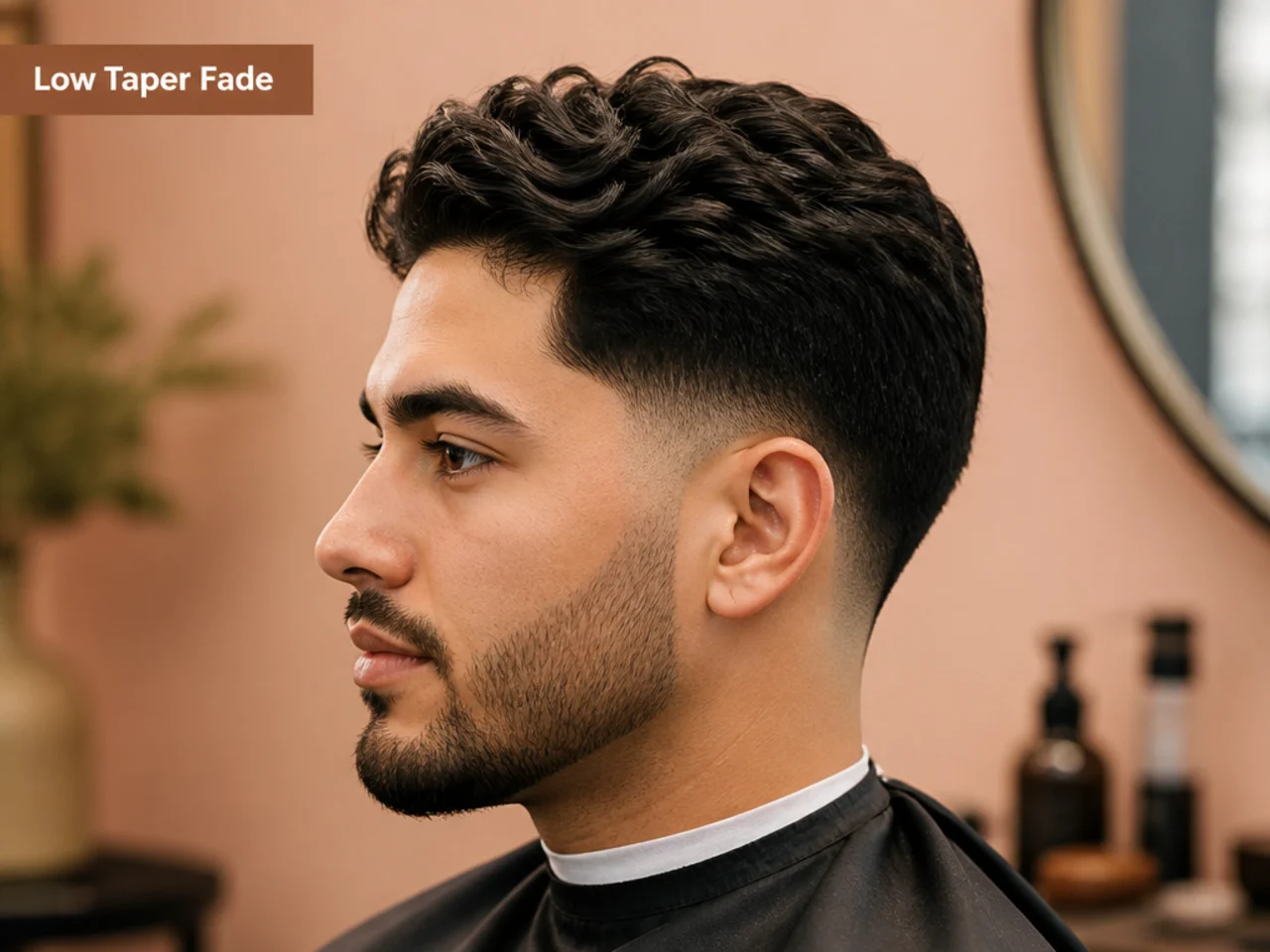
A low taper is a precision haircut technique where the hair length gradually shortens starting approximately one inch above the ears and at the very edge of the neckline. This style maintains the natural hairline while providing a clean, polished finish, making it the most professional and adaptable grooming choice for men in 2026.
Contents
While the term "taper" is occasionally used in financial sectors to describe the reduction of stimulus, this guide focuses exclusively on the low taper haircut, currently the gold standard in modern barbering for its ability to enhance facial structure without the aggressive scalp exposure found in high fades.
The Technical Anatomy of a Low Taper
To understand why the low taper has become the foundational cut of 2026, one must look at the technical execution. Unlike a fade, which blends the hair into the skin around the entire circumference of the head, a taper only affects two specific zones: the sideburns (temple area) and the nape (back of the neck).
The "low" designation refers to the starting point of the transition. In a low taper, the barber begins the blending process very low on the head, usually within a half-inch to an inch of the hair's natural edge. This leaves the majority of the parietal ridge and the back of the head covered with longer hair, preserving the silhouette of the head shape.
Key Components of the Cut
- The Temple Transition: The sideburn area is tapered down, often starting with a #2 or #1.5 guard and finishing with a 0 or trimmer at the bottom.
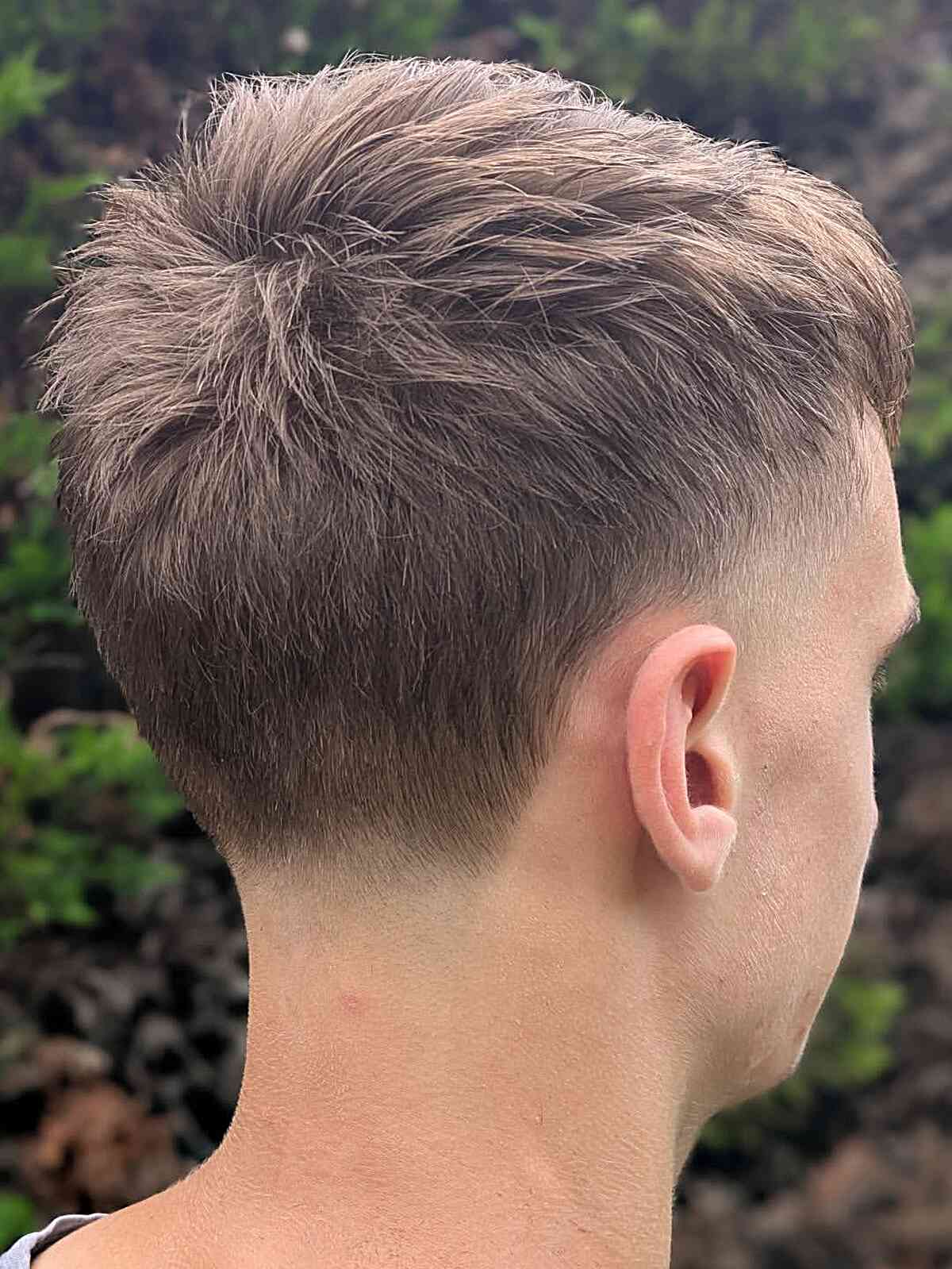
- The Nape Blend: The hair at the base of the neck is gradually shortened so that it disappears into the skin, preventing the "blocky" look of a traditional squared-off neckline.
- The Perimeter Edge: Because the taper is localized, the hair behind the ears remains at a consistent length, allowing for a sharp "C-shape" line that defines the haircut.
Comparing the Low Taper to Alternative Cutting Styles
Choosing the right gradient height is essential for balancing facial proportions. In 2026, grooming standards emphasize "quiet luxury" and subtlety, favoring the low taper over more extreme high-contrast fades.
| Feature | Low Taper | Mid Taper | High Taper | Skin Fade |
|---|---|---|---|---|
| Start Point | 0.5 - 1 inch above ears | 2 inches above ears | Near the temple/crown | High on the sides |
| Scalp Exposure | Minimal (Natural look) | Moderate | Significant | Maximum (Bald) |
| Maintenance | 3–4 weeks | 2–3 weeks | 1–2 weeks | 1 week |
| Professionalism | Extremely High | High | Moderate | Style Dependent |
| Best For | Business, Casual, Formal | All-around versatility | Athletic, Streetwear | Bold, Edgy styles |
Why the Low Taper Dominates the 2026 Grooming Landscape
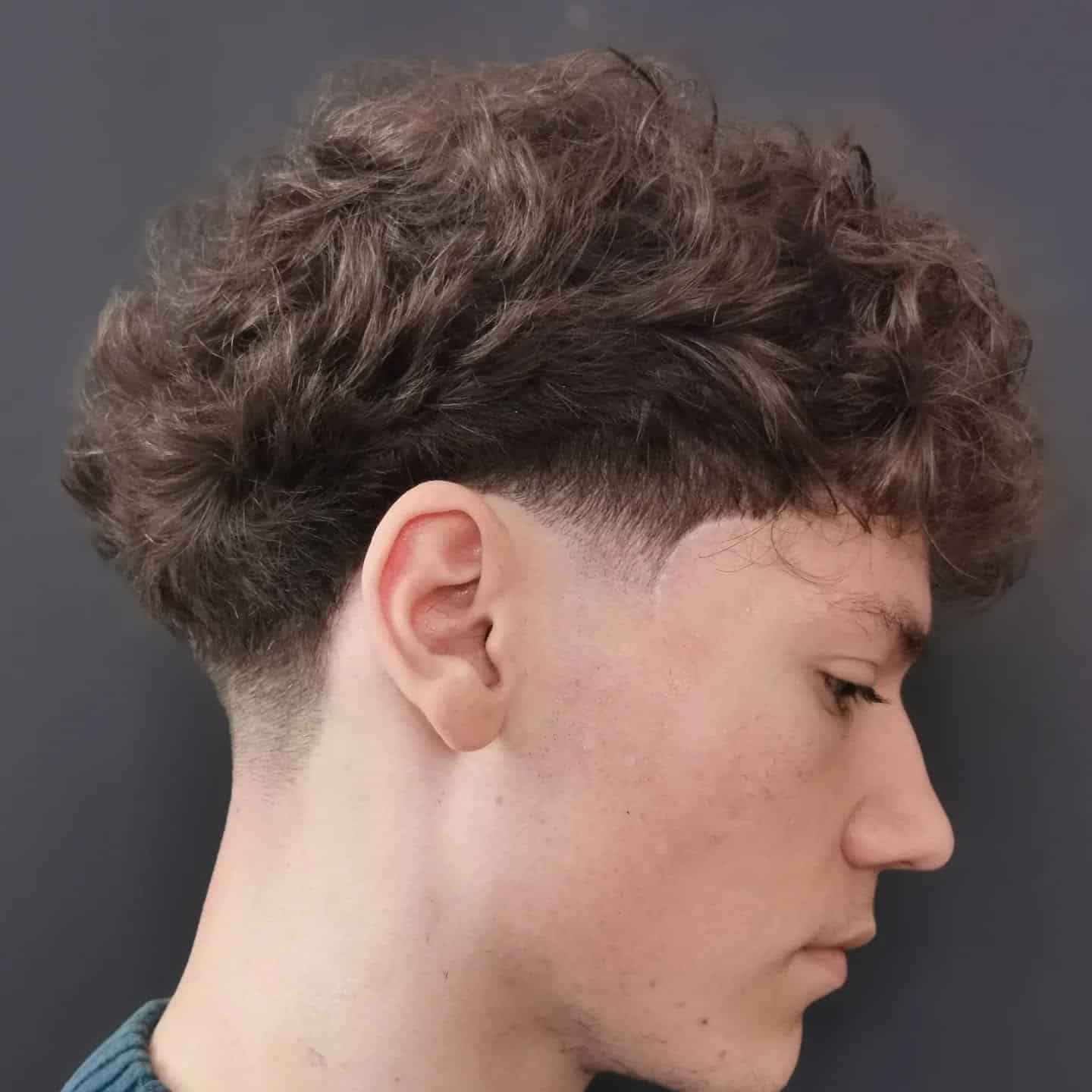
The resurgence of longer, textured styles on top has made the low taper the essential "finishing touch." Whether you are sporting a messy fringe, a classic pompadour, or natural curls, the low taper provides the necessary structure without sacrificing the volume of the primary style.
Compatibility with Hair Textures
Straight Hair (Type 1) For straight hair, the low taper prevents the "poofing" effect that often occurs around the ears. By thinning out the bulk exactly where the head curves, the hair sits flatter and requires less styling product.
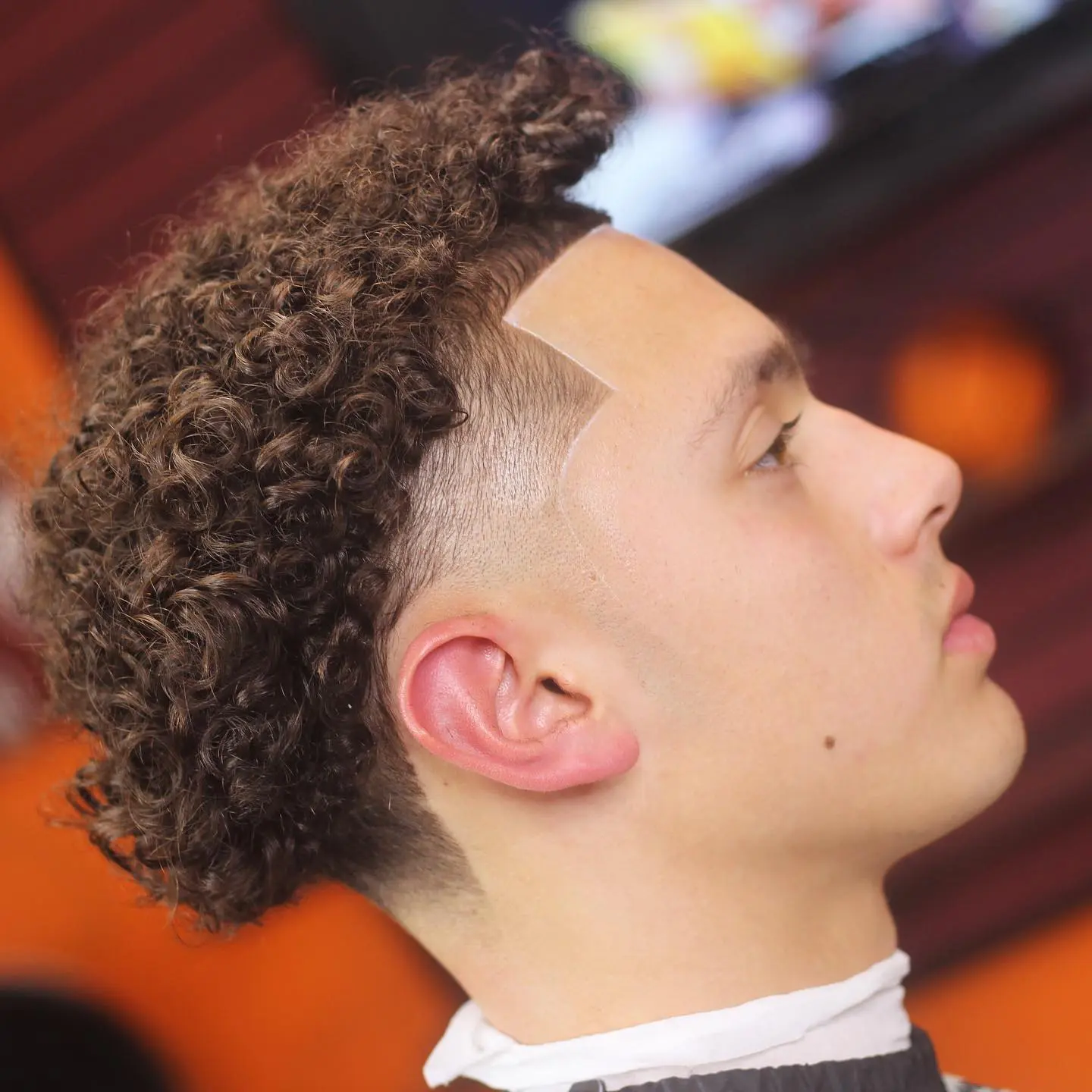
Wavy and Curly Hair (Types 2 & 3) This is perhaps the most popular application in 2026. A low taper with curls allows for a "burst" of texture on top while keeping the edges crisp. It defines the curls by providing a clean frame, preventing the hair from looking unkempt as it grows out.
Coiled and Kinky Hair (Type 4) The low taper is a staple for those with natural hair. It pairs perfectly with a "low-top fade" or "twisted" styles, offering a sharp line-up at the forehead and temples that transitions into a soft, blended neck.
Step-by-Step Professional Execution Guide
For barbers and DIY enthusiasts using professional-grade clippers in 2026, the following workflow ensures a seamless transition without creating "steps" or visible lines.
- Preparation and Sectioning: Clean the hair of any heavy waxes or oils. Section the top hair away from the temple and nape areas to ensure clear visibility of the work zone.
- Setting the Initial Guideline: Use a trimmer or a "closed" clipper (0) to create a subtle arch at the bottom of the sideburn and a straight or slightly curved line at the base of the neck.
- Bulking and Debulking: Use a #2 or #3 guard to clear the area just above where the taper will sit. This creates the "landing zone" for your blend.
- The Blending Process:
- Open the clipper lever (0.5) and go up about half an inch from the guideline.
- Use the #1 guard (closed) to blend the middle section.
- Switch to the #1 guard (open) or a #1.5 guard to bridge the gap between the short taper and the longer hair on the sides.
- Detailing and Line-Up: Use a detailer to sharpen the "C-shape" around the ear. In 2026, the trend is a "soft-sharp" look—clean lines that don't look overly artificial or "painted on."
Maintaining the Low Taper: Products and Schedule
Because the low taper is subtle, it grows out more gracefully than a high skin fade. However, maintaining the "crisp" edge is key to its appeal.
Recommended Maintenance Routine
- Trim Frequency: To keep the taper looking fresh, a "line-up" or "neck clean-up" is recommended every 14 days. A full haircut including the top can usually wait 4 to 6 weeks.
- Product Selection: In 2026, matte clays and sea salt sprays are the preferred styling agents. These products enhance the texture of the hair without adding the shine that can sometimes make a taper look greasy.
- Scalp Health: Because the low taper keeps hair close to the skin at the nape, it is essential to use a light exfoliant or scalp tonic to prevent ingrown hairs, especially for those with curly hair textures.
Troubleshooting Common Low Taper Mistakes
Even seasoned professionals can encounter issues when executing a low taper. Awareness of these common pitfalls ensures a high-quality result.
- Going Too High: The most frequent error is moving the blend too far up the head, effectively turning a low taper into a mid taper. Always start lower than you think necessary; you can always move up, but you cannot put hair back.
- Hard Lines: Failing to use the "flick-out" motion with the clippers can result in visible lines. Use the corner of the clipper blade to "point-cut" the blend for a smoother transition.
- Ignoring the Nape Shape: Not everyone has a symmetrical hairline at the neck. A skilled barber will adjust the taper to compensate for cowlicks or an uneven natural hairline to create the illusion of perfect symmetry.
Frequently Asked Questions
Is a low taper the same as a low fade?
No, they are distinct techniques. A low taper only blends the hair at the sideburns and the nape, while a low fade removes the hair all the way around the sides and back of the head, typically starting at a much lower point than a high fade but still encircling the skull.
Does a low taper work for thinning hair?
Yes, a low taper is actually excellent for men with thinning hair. By keeping the hair on the sides slightly fuller (but neatly tapered at the edges), it creates a more voluminous look compared to a high fade, which can make thinning on top more apparent by contrast.
What should I ask my barber for in 2026?
Ask for a "low taper with the natural hairline preserved." Specify if you want the back "tapered out" or "squared off," though a tapered nape is the defining characteristic of this specific style. Mention the length you want to keep on top to ensure the proportions are balanced.
Can I do a low taper at home?
While a low taper is easier to maintain at home than a full fade, the initial shaping requires a high degree of mirror coordination and steady hand-eye movement. For the best results in 2026, it is recommended to have a professional set the shape, after which you can perform light touch-ups with a quality trimmer.
The Future of the Taper: Trends for 2026 and Beyond
As we move through 2026, the "Low Taper" is evolving into more specialized versions, such as the "Blowout Taper" (which emphasizes volume at the back) and the "Textured Low Taper" (which uses shear-work over clippers to create a more lived-in feel). The emphasis remains on personalization—tailoring the height and depth of the taper to the individual’s unique cranial structure and lifestyle needs.
Whether you are a corporate executive needing a clean look for the boardroom or an artist looking for a framed, creative style, the low taper provides the perfect balance of modern precision and timeless masculinity.
Image Gallery