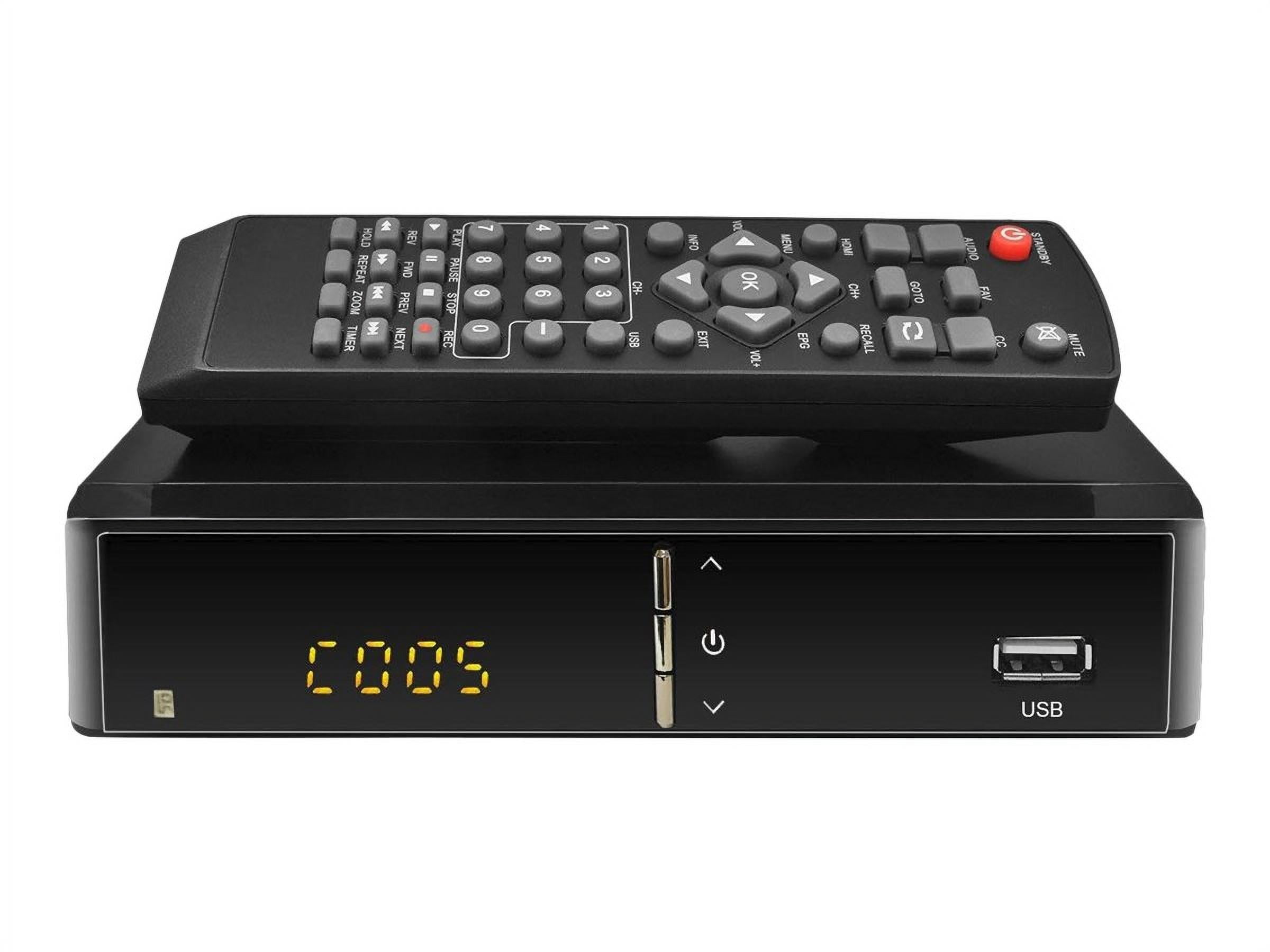
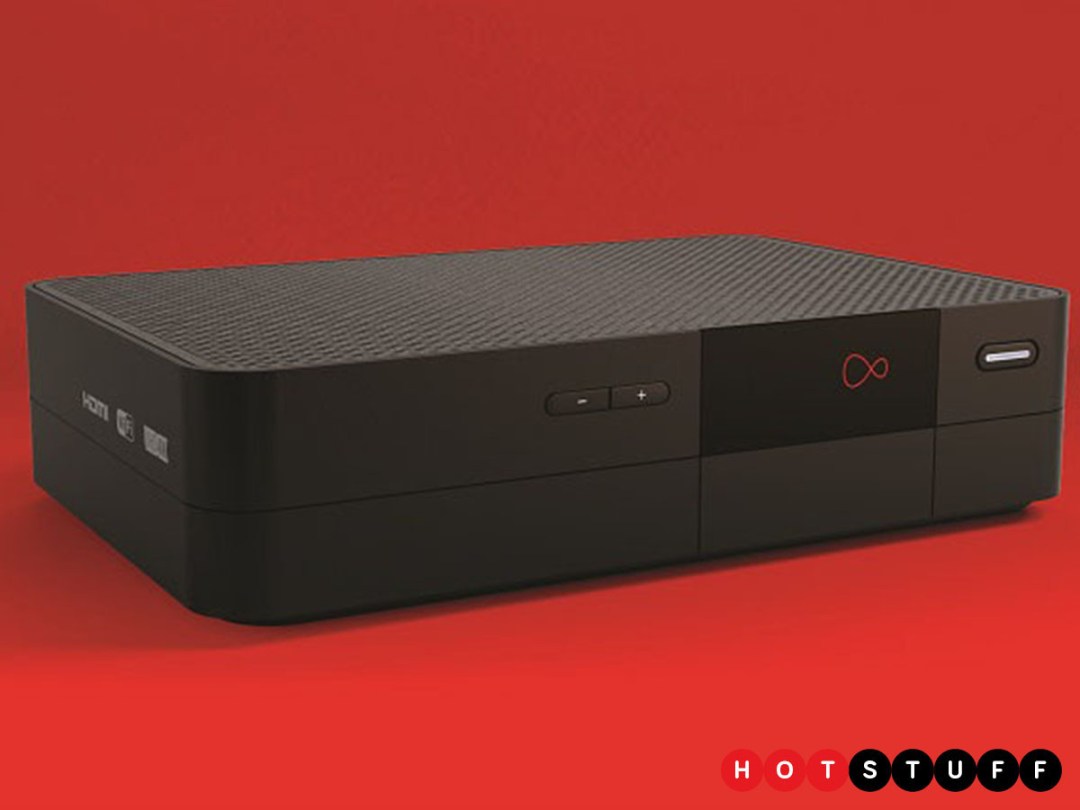
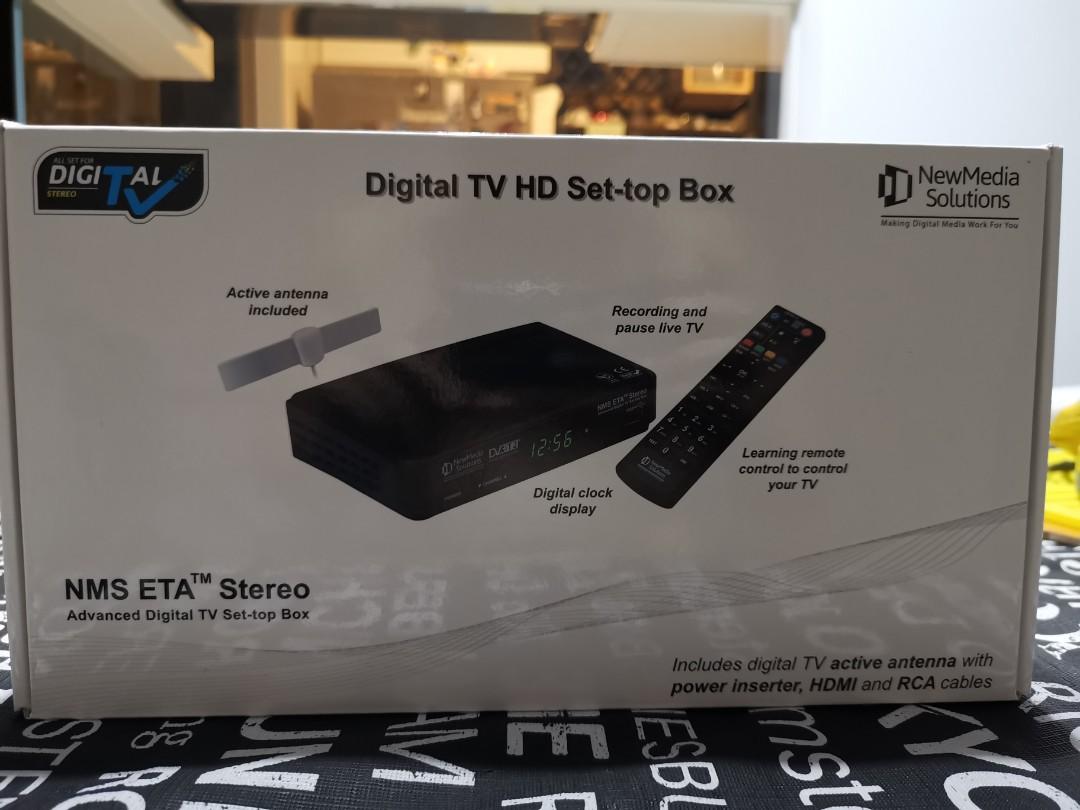
What a Digital TV Box Offers Today: The Complete Guide to Modern Media Hubs
A digital TV box today serves as a high-performance media computer that integrates live broadcast television, on-demand streaming services, cloud gaming, and smart home management into a single interface. These devices offer 8K resolut...
A digital TV box today serves as a high-performance media computer that integrates live broadcast television, on-demand streaming services, cloud gaming, and smart home management into a single interface. These devices offer 8K resolution support, AI-driven content discovery, and low-latency connectivity via Wi-Fi 7 to provide a seamless, unified home entertainment experience.
Contents
The Transformation of the Digital TV Box
The concept of the "set-top box" has undergone a radical transformation. Moving into 2026, the distinction between a simple tuner and a high-end computer has blurred. What was once a device solely intended to decode digital signals for analog televisions has become the central nervous system of the modern living room. Today’s digital TV boxes are built on powerful System-on-a-Chip (SoC) architectures, similar to those found in premium smartphones, allowing them to handle complex tasks like real-time AI upscaling and multi-channel audio processing.
Beyond merely playing video, these devices act as bridges. They bridge the gap between traditional linear television (cable or terrestrial) and the decentralized world of internet-based streaming. For the consumer, this means a singular user interface where a local news broadcast sits right next to a premium streaming series or a high-end video game. This convergence is driven by the need for simplicity in an era of "subscription fatigue," where users want to search for content across all platforms simultaneously rather than opening individual apps.
Cutting-Edge Hardware Specifications and Connectivity
To understand what a digital TV box offers today, one must look at the hardware standards that define the 2026 landscape. High-definition is no longer the benchmark; the focus has shifted to the stability of ultra-high-definition (UHD) streams and the reduction of input lag.
Processing Power and Video Codecs
Modern boxes utilize advanced processors capable of hardware-accelerating the AV1 codec. This is critical because AV1 provides significantly better compression than older standards like H.264 or HEVC, allowing for 4K and 8K streaming at lower bitrates without sacrificing image quality. Furthermore, these processors support Dynamic HDR standards, such as Dolby Vision IQ and HDR10+, which adjust brightness and color frame-by-frame based on the ambient light in your room, provided the box is paired with a compatible television.
Next-Generation Connectivity: Wi-Fi 7 and HDMI 2.1b
In 2026, the integration of Wi-Fi 7 (802.11be) is a standard feature in premium digital TV boxes. This technology is vital for handling the massive data throughput required for uncompressed 8K video and cloud gaming. Wi-Fi 7 introduces Multi-Link Operation (MLO), which allows the box to send and receive data across different frequency bands simultaneously, virtually eliminating the buffering issues common with older Wi-Fi standards.
On the physical side, HDMI 2.1b ports are the norm. These ports support features like Auto Low Latency Mode (ALLM) and Variable Refresh Rate (VRR). While these were originally gaming-centric features, they now play a role in smooth video playback, ensuring that the box’s output matches the native frame rate of the content, whether it is a 24fps cinematic movie or a 60fps live sports broadcast.
AI-Driven Software and User Experience
The "intelligence" of a digital TV box today is largely defined by its software layer. Operating systems like the latest iterations of Android TV, tvOS, and specialized manufacturer skins now rely heavily on machine learning to curate the user experience.
Personalized Content Aggregation
Today's boxes solve the problem of fragmented content. Instead of a grid of apps, the home screen is typically a personalized feed of "continue watching" items and recommendations pulled from every service you subscribe to. AI algorithms analyze viewing habits—not just by genre, but by time of day and even the specific profile logged in—to suggest content that matches the current mood.
Voice Command and Natural Language Processing
Voice search has evolved from simple keyword matching to natural language understanding. Users can now give complex commands like, "Find me a sci-fi movie from the 90s that I haven't seen yet and is available on my current subscriptions." This level of interaction is made possible by edge computing, where the digital TV box processes voice data locally for speed and privacy before querying the cloud.
The Convergence of Gaming and Home Media
One of the most significant offerings of a digital TV box today is the displacement of traditional gaming consoles for the casual user. Through cloud gaming integration, these boxes have become high-end gaming machines without the need for expensive internal GPUs.
Platforms such as Xbox Cloud Gaming, NVIDIA GeForce Now, and various decentralized gaming apps are often pre-installed or easily accessible. By connecting a Bluetooth controller directly to the digital TV box, users can stream AAA titles at 4K resolution with minimal latency. For the box, the heavy lifting is done in the cloud; the device itself only needs to be capable of fast decoding and maintaining a stable network connection. This makes the digital TV box a cost-effective entry point for families who want gaming capabilities without the $500+ investment in a dedicated console.
Smart Home Integration and the Matter Standard
The digital TV box has reclaimed its spot as the "hub" of the home. With the universal adoption of the Matter protocol and Thread networking, many digital TV boxes now function as smart home controllers.
- Matter Border Router: High-end boxes act as a bridge between your smart lights, thermostats, and security cameras.
- Overlay Notifications: If someone rings your smart doorbell, a picture-in-picture video feed can automatically appear on your TV screen while you are watching a movie.
- Energy Management: Some boxes provide dashboards showing the energy consumption of connected devices throughout the house.
By centralizing these functions, the digital TV box reduces the need for multiple proprietary hubs cluttering the entertainment center.
Comprehensive Comparison of Digital TV Box Categories
Choosing a device depends on whether you prioritize live television, high-end cinema, or budget-friendly streaming.
| Feature | Entry-Level Streaming Stick | Mid-Range Digital Box | Premium Media Hub |
|---|---|---|---|
| Max Resolution | 4K (Ultra HD) | 4K with AI Upscaling | 8K Native / 4K 120Hz |
| Connectivity | Wi-Fi 6 | Wi-Fi 6E / Ethernet | Wi-Fi 7 / 2.5Gb Ethernet |
| Storage Capacity | 8GB - 16GB | 32GB - 64GB | 128GB+ (SSD Support) |
| Smart Home Hub | Limited (App only) | Basic Matter Support | Full Matter/Thread Router |
| Gaming Support | Casual Mobile Games | Basic Cloud Gaming | High-Performance Cloud Gaming |
| Primary Use Case | Secondary TV / Travel | Daily Family Viewing | Home Cinema / Enthusiast |
Privacy, Security, and Data Sovereignty
As these boxes become more integrated into our lives, security has become a primary feature rather than an afterthought. Digital TV boxes in 2026 offer robust privacy controls, including:
- Hardware Mic Mutes: Physical switches or dedicated hardware-level interrupts to ensure the microphone isn't listening when not in use.
- On-Device Processing: AI and voice recognition are increasingly handled on the device's chip rather than being sent to a central server, reducing the data footprint of the household.
- VPN Integration: Native support for Virtual Private Networks is now common, allowing users to encrypt their entire streaming traffic to prevent ISP throttling or data collection.
- Profile Isolation: Improved multi-user support ensures that one family member’s viewing habits or app data do not bleed into another's, maintaining a clean experience for everyone.
Common Challenges and Troubleshooting Today
Despite the technological leaps, certain issues remain prevalent. Understanding how to resolve these is key to maintaining a high-quality experience.
- HDMI Handshake Issues: Occasionally, the box and the TV may fail to communicate the correct resolution. This is often solved by using a Certified Ultra High Speed HDMI cable.
- Cache Congestion: Even powerful boxes can slow down if too many background apps are running. Modern OS versions have "Game Mode" or "Performance Mode" that automatically flushes the cache for the active application.
- Network Interference: With the proliferation of smart devices, the 2.4GHz band is often overcrowded. Moving the digital TV box to the 5GHz or 6GHz (Wi-Fi 6E/7) band is the most effective way to solve stuttering streams.
Frequently Asked Questions
Do I still need a digital TV box if I have a Smart TV?
While most Smart TVs have built-in apps, a dedicated digital TV box offers a significantly more powerful processor, more frequent software updates, and better privacy features. Smart TVs often become sluggish after two or three years, whereas a high-end digital box can remain fast for five or more years, effectively "future-proofing" your display.
Can a digital TV box record live shows like a DVR?
Yes, but the method has shifted. Most modern boxes use Cloud DVR services provided by your live TV streaming provider (like YouTube TV or Hulu + Live TV). Some specialized boxes still allow for local recording via an external USB drive or network-attached storage (NAS), which is ideal for users who want to keep permanent copies of broadcasts without a monthly fee.
Does a digital TV box require a monthly subscription?
The hardware itself is a one-time purchase. However, to access premium content (Netflix, Disney+, etc.) or live TV channels, you will need individual or bundled subscriptions. There are many "Free Ad-Supported Streaming TV" (FAST) services available natively on these boxes that require no monthly fee.
Will a 4K digital box work on an older 1080p television?
Yes. Modern digital TV boxes are backwards compatible. They will detect the maximum resolution of your television and "downsample" the video to fit. This often results in a better picture than a native 1080p source because the 4K stream contains more data and higher bitrates.
Is an internet connection mandatory for a digital TV box?
For 90% of features, yes. However, if the box has a built-in tuner (ATSC 3.0) or allows for local media playback via USB, you can still watch over-the-air broadcasts or your own saved movie files without an active internet connection.
Final Recommendation
When selecting a digital TV box today, prioritize connectivity and longevity. If you are an enthusiast with a high-end home theater, investing in a premium hub with Wi-Fi 7 and 8K support is essential to match your display's capabilities. For the average household, a mid-range box that offers a clean, AI-integrated interface and Matter support for smart home devices provides the best balance of value and performance. Always ensure the device supports the AV1 codec to ensure compatibility with the next several years of streaming technology.
Image Gallery