Frank Thomas Weight: Understanding the Physical Profile of a Baseball Icon
During his illustrious career as a premier power hitter for the Chicago White Sox and beyond, Frank "The Big Hurt" Thomas was widely recognized for his imposing physical stature. Throughout his professional tenure, his playing weight w...
During his illustrious career as a premier power hitter for the Chicago White Sox and beyond, Frank "The Big Hurt" Thomas was widely recognized for his imposing physical stature. Throughout his professional tenure, his playing weight was consistently listed at approximately 240 to 250 pounds, a frame that supported his explosive hitting ability and sustained his production over 19 Major League Baseball seasons.
Contents
The Physicality of a Hall of Fame Slugger
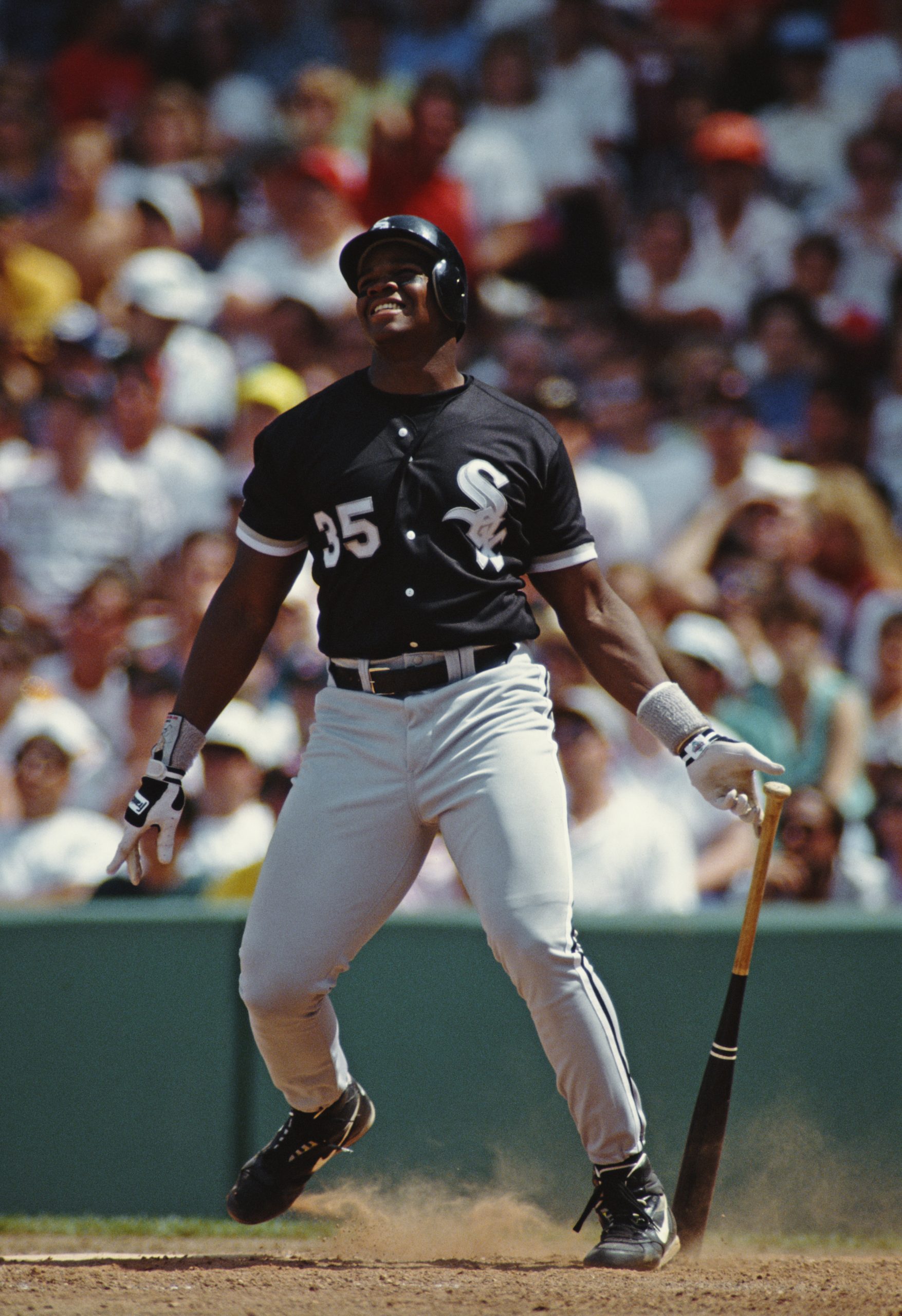
Frank Thomas entered the Major League Baseball (MLB) landscape in 1990 with a build that was remarkably different from the typical archetype of the era. Standing 6 feet 5 inches tall and consistently weighing in at a listed 240–250 pounds, Thomas utilized his mass and exceptional hand-eye coordination to become one of the most feared hitters in the history of the sport. His nickname, "The Big Hurt," was a direct nod to the force he exerted on the baseball, a trait inextricably linked to his size and strength.
In the context of professional baseball, weight is not merely a number; it is a critical component of power production. For a slugger of Thomas’s caliber, maintaining an optimal weight balance was essential to balancing bat speed with the leverage required to drive the ball deep into the outfield. Unlike players who might fluctuate significantly, Thomas maintained a relatively stable, muscular physique that allowed him to dominate the American League for over a decade.
Evolution of Physical Demands in MLB
The physical profile of elite athletes in the 1990s and 2000s underwent significant shifts. When Frank Thomas debuted, the standard approach to training was heavily focused on traditional resistance training and cardiovascular health. Thomas, having played college football for Auburn University before committing to baseball, brought a collegiate athlete’s discipline to his training regimen.
His weight was a function of his height and his commitment to maintaining a frame that could withstand the rigors of an 82-game home schedule. As the years progressed, the medical and nutritional standards within MLB evolved to emphasize flexibility, core stability, and injury prevention, particularly for larger athletes who faced increased pressure on their lower extremities.
Comparative Analysis of Elite Power Hitters
To understand the significance of Frank Thomas’s physique, it is useful to compare his build with other prominent power hitters from his era. While many players were taller or heavier, few combined his specific power-to-contact ratio.
| Player | Listed Height | Listed Weight | Primary Position |
|---|---|---|---|
| Frank Thomas | 6'5" | 240 lbs | 1B/DH |
| Ken Griffey Jr. | 6'3" | 205 lbs | CF |
| Mark McGwire | 6'5" | 250 lbs | 1B |
| Barry Bonds | 6'2" | 228 lbs | LF |
This table illustrates that while players like Mark McGwire shared similar weight and height characteristics, their mechanical approaches to the game varied. Thomas’s weight was distributed in a way that permitted a compact, efficient swing, allowing him to maintain high batting averages—a rarity for hitters at his weight class—alongside his record-breaking home run production.
The Impact of Weight on Athletic Longevity
One of the most common challenges for professional athletes at the higher end of the weight spectrum is the increased risk of joint stress and soft tissue injuries. For a player of Thomas’s stature, the knees, ankles, and back are particularly susceptible to the repetitive impact of running the bases and playing in the field.
Throughout his career, Thomas experienced several injuries that necessitated modifications to his training and playing habits. As he transitioned into the latter half of his career, specifically moving toward the Designated Hitter (DH) role, the adjustment in his physical workload was a strategic necessity. This transition allowed him to preserve his lower-body health while focusing his energy on the offensive output that made him a first-ballot Hall of Famer.
Nutritional Discipline and Professional Standards
The diet and fitness protocols of professional athletes are strictly regulated and monitored by team training staffs. In 2026, the data-driven approach to athlete nutrition is far more transparent, but during the prime of Thomas’s career, the reliance was on the expertise of individual trainers and the internal discipline of the player.
Maintaining a consistent weight of 240+ pounds while participating in the daily grind of travel, uneven sleep schedules, and varied culinary options on the road required significant self-discipline. Experts often point to the consistency of elite players like Thomas as the "silent" part of their game; their ability to maintain their playing weight and energy levels from April through October is a testament to their professionalism.
Frequent Questions Regarding Elite Baseball Physiques
How did Frank Thomas’s weight impact his batting technique? His weight provided the necessary mass for power, but his core strength was the real driver. He maintained a compact swing that allowed him to use his large frame to create massive bat speed without sacrificing the ability to hit for a high average.
Did Frank Thomas’s weight change significantly after retirement? Like many professional athletes, Thomas experienced natural body composition changes after stepping away from the daily physical requirements of a 162-game schedule. However, he has remained active in the public eye, focusing on wellness and physical health.
How is a player's "playing weight" determined by teams? Teams typically determine a target weight range based on the player’s body mass index (BMI), body fat percentage, and specific positional demands. This is updated regularly by the training staff to ensure the athlete is in peak condition for the season.
Why is weight considered a sensitive topic in professional sports? Weight is often linked to injury susceptibility and agility. For scouts and managers, a player’s weight is a performance indicator; sudden or extreme fluctuations can signal issues with health, training, or metabolic performance.
Does being a taller player like Frank Thomas make weight management harder? Yes, taller athletes often face higher caloric requirements to maintain muscle mass. Additionally, the sheer length of their levers (limbs) means that their joints face higher mechanical loads, making the composition of their weight—specifically the ratio of muscle to fat—critically important.
Guidance for Aspiring Athletes
If you are analyzing the physical profiles of athletes like Frank Thomas, it is important to view their weight not in isolation, but as part of a complete athletic package. The goal for any athlete should be functional strength—training to improve performance, recovery, and injury resistance. Professional baseball players prioritize specific muscle groups to handle the torque generated during a swing, rather than focusing solely on scale weight.
If you are currently pursuing a sport-specific training regimen, consult with a certified strength and conditioning coach or a sports nutritionist. They can help you establish a sustainable weight management plan that aligns with your specific goals, body type, and the demands of your sport. Relying on verified, data-backed nutritional and training practices is the most effective way to ensure longevity and peak performance.
Image Gallery