Men's Lightweight Flip Flops: A Complete Guide to Materials, Support, and Selection
Finding the ideal men's lightweight flip flops requires balancing low mass—typically 3 to 7 ounces per shoe—with adequate arch support, outsole traction, and strap comfort. Modern lightweight models utilize advanced ethylene-vinyl acet...
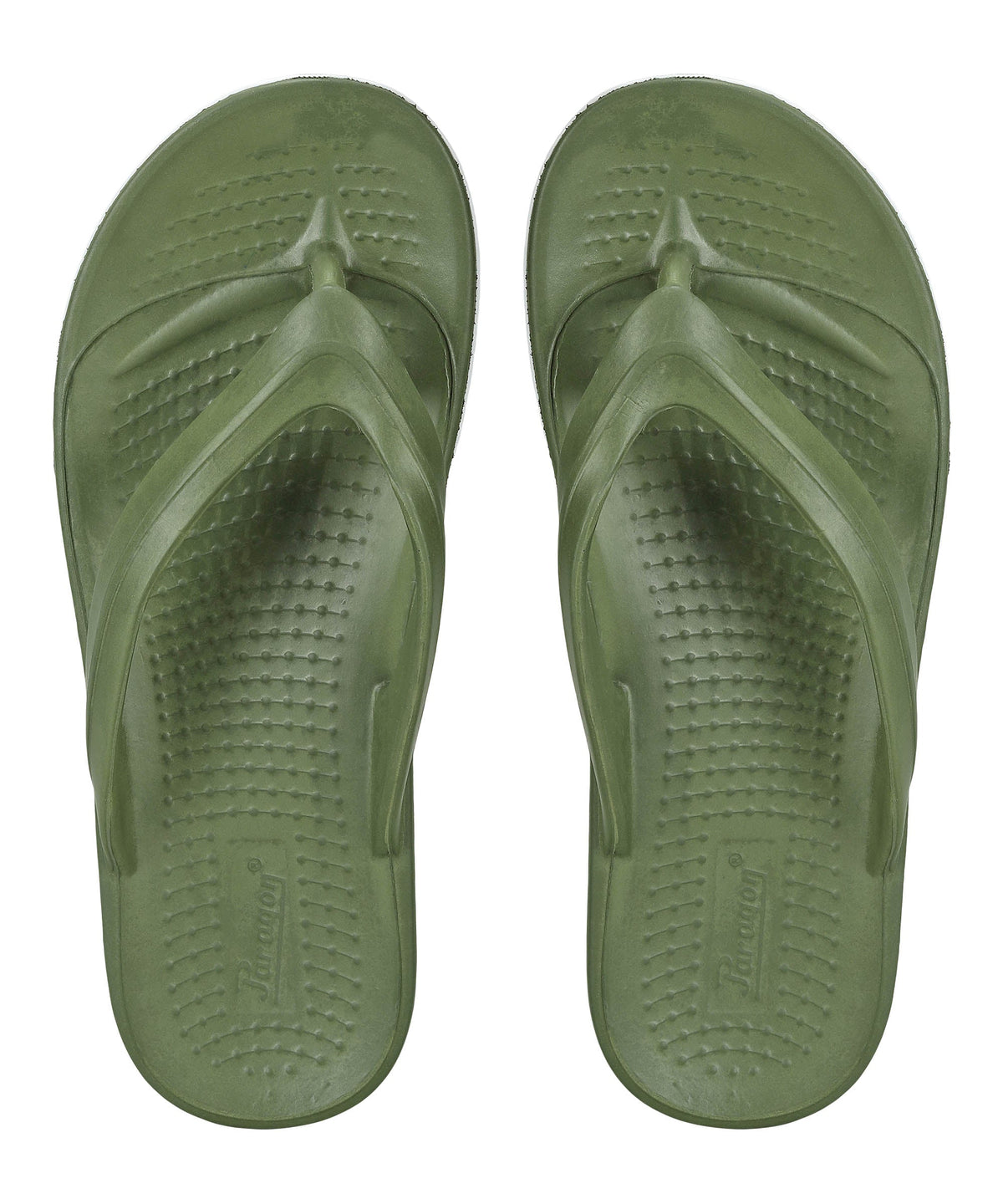
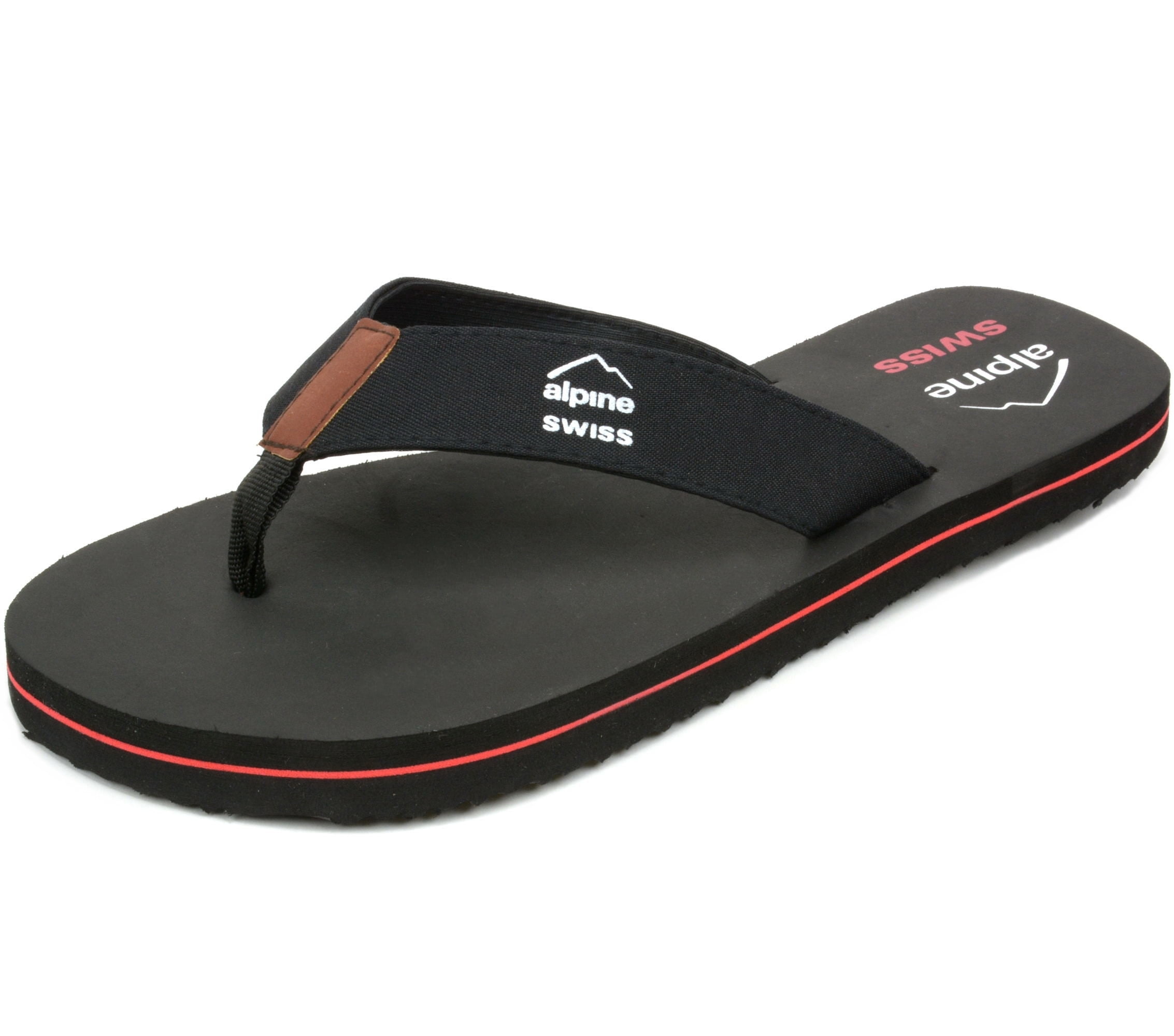
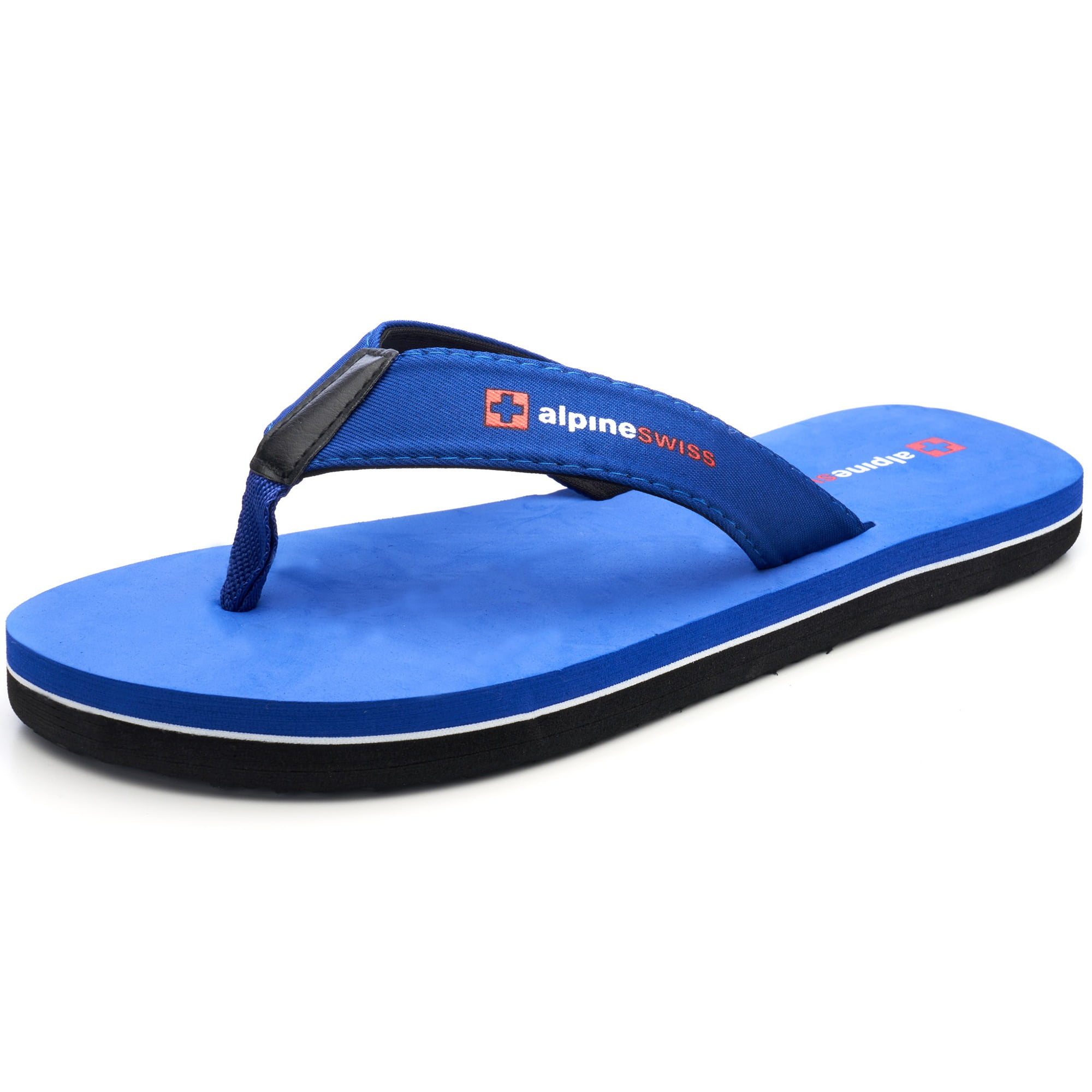
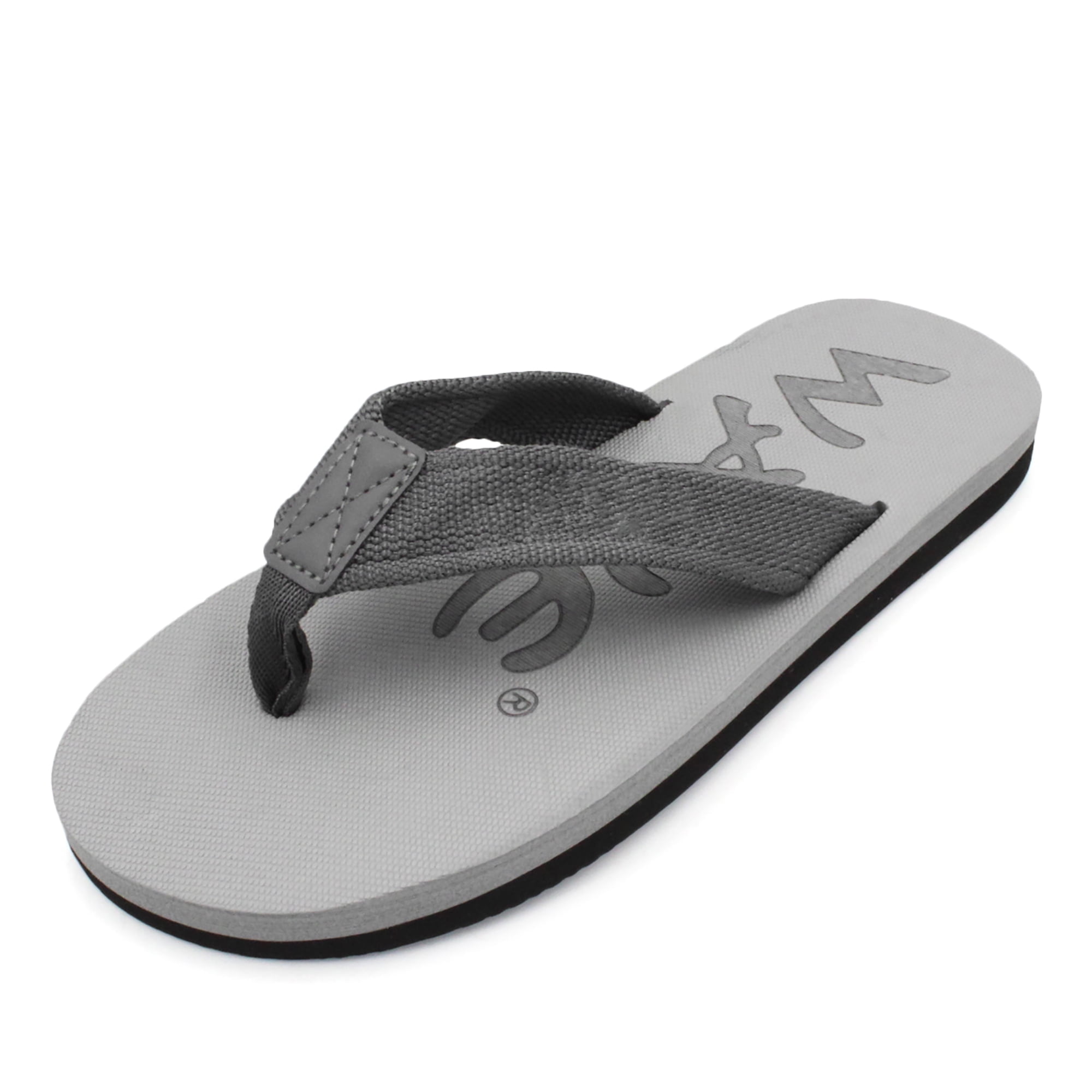
Finding the ideal men's lightweight flip flops requires balancing low mass—typically 3 to 7 ounces per shoe—with adequate arch support, outsole traction, and strap comfort. Modern lightweight models utilize advanced ethylene-vinyl acetate (EVA) foams, blown rubber, and ergonomic footbeds to deliver long-lasting comfort for beachwear, travel, and post-workout recovery without weighing down your feet.
Contents
The Engineering of Lightweight Footwear: Materials and Weight Dynamics
The performance of any lightweight flip flop depends primarily on the material science of its footbed, outsole, and upper straps. Historically, minimalist footwear traded comfort and longevity for reduced mass. Contemporary footwear engineering, however, uses specialized polymers and manufacturing processes to retain structural integrity while shaving off excess weight.
Defining "Lightweight" in Men's Sandals
In men’s footwear, weight is measured per individual shoe (typically based on a US Men’s Size 9 or 10 reference standard):
- Ultra-Lightweight (3.0 to 4.5 ounces / 85 to 128 grams): Ideal for packing in luggage or backpacking as camp shoes. These rely heavily on single-density injection-molded EVA.
- Standard Lightweight (4.5 to 7.0 ounces / 128 to 198 grams): The optimal balance point for most men. These models incorporate dual-density midsoles, contoured arch support, and durable rubber outsole treads.
- Heavyweight / Traditional (8.0 ounces and above / 226+ grams): Usually constructed from solid vulcanized rubber, heavy slab leather, or dense polyurethane (PU). While durable, they can cause leg fatigue during extended walking.
Core Materials and Polymer Characteristics
Ethylene-Vinyl Acetate (EVA)
EVA is a copolymer of ethylene and vinyl acetate. It serves as the primary material for lightweight flip flops due to its low density, high flexibility, and closed-cell structure. Closed-cell EVA does not absorb water, making it naturally resistant to moisture, bacteria, and mold accumulation.
Footwear manufacturers utilize two main methods to shape EVA:
- Compression Molding: Heated EVA sheets are placed in a mold and compressed. This produces a denser foam with higher durability and superior energy return, preventing the sandal from flattening quickly.
- Injection Molding: Molten EVA is injected directly into a precise footbed mold. This process allows for complex three-dimensional contouring, soft immediate cushioning, and extremely light overall weight.
Blown Rubber
Blown rubber is produced by injecting a expanding gas agent into a rubber compound during the vulcanization process. The resulting material contains tiny air pockets, reducing the total weight of solid rubber by up to 40% while preserving high surface traction and abrasion resistance. Blown rubber outsoles are commonly bonded to lightweight EVA midsoles to provide wet-surface grip without adding excessive weight.
Thermoplastic Rubber (TPR) and Polyurethane (PU)
While traditional solid PU is heavy, microcellular PU offers high tear strength and slow degradation. TPR is often used in strategic tread zones (such as the heel strike and forefoot launch pads) to provide slip resistance while keeping the overall frame lightweight.
Strap and Toe-Post Ergonomics
A lightweight sole is ineffective if the upper straps cause friction or require muscle strain to keep the shoe on the foot. Strap engineering relies on three key elements:
- Toe Post Construction: High-grade lightweight flip flops use seamless rolled nylon webbing, soft woven polyester, or flexible thermoplastic polyurethane (TPU) for the toe post. Woven webbing distributes lateral pressure evenly across the web space between the first and second digits, minimizing blister formation.
- Strap Anchoring and Angle: Straps should anchor deeper toward the midfoot to hold the sandal firmly against the heel during the swing phase of walking. This reduces "toe-gripping," a compensatory strain pattern where the flexor tendons of the toes overwork to keep a loose sandal in place.
- Lining Materials: Neoprene, synthetic jersey knit, or microfiber linings soften contact with the top of the foot while shedding water quickly.
Weight vs. Ergonomics: Overcoming the Flat-Sole Pitfall
A common issue with ultra-light footwear is a lack of structural support. Basic flat foam sandals allow the foot to pronate excessively, placing strain on the plantar fascia, Achilles tendon, and kinetic chain up through the knees and lower back. Modern ergonomic lightweight flip flops solve this issue by integrating targeted support features without adding substantial weight.
- Deep Heel Cup: Stabilizes calcaneus, prevents lateral slippage
- Anatomical Arch Cookie: Maintains medial longitudinal arch height
- Metatarsal Pad / Ridge: Distributes forefoot pressure evenly
- High-Rebound EVA Midsole: Absorbs ground impact forces
Biomechanics of Anatomical Footbeds
- Medial Longitudinal Arch Support: Anatomical footbeds incorporate a raised section (often called an arch cookie) that supports the foot's inner arch. This reduces peak strain on the plantar aponeurosis during heel-to-toe transitions.
- Deep Heel Cups: Recessing the heel into a contoured cup centers the fat pad under the calcaneus (heel bone). This natural cushioning absorbs shock upon heel strike and stabilizes the rearfoot, reducing side-to-side wobble.
- Toe Gripping Ridges: A subtle ridge under the toes encourages natural alignment and prevents the foot from sliding forward, particularly on declines or wet surfaces.
Material Density and Durometer Ratings
Footwear foam firmness is measured using a Shore A durometer. The choice of durometer directly impacts both comfort and long-term durability:
- Soft Foams (30 to 40 Shore A): Highly cushioned feel upon initial step-in. However, ultra-soft foams compress permanently ("set") under body weight over time, leading to loss of support.
- Medium Density (40 to 55 Shore A): The ideal range for supportive lightweight flip flops. Maintains structural shape under daily loads, offers high energy return, and keeps overall weight under 6 ounces.
- Firm Density (55+ Shore A): Provides excellent stability and structural life, but increases overall shoe weight and offers less immediate impact shock absorption.
Waterproofing, Traction, and Environmental Factors
Selecting the right lightweight flip flop depends heavily on where and how it will be used. Environmental factors such as water exposure, surface friction, and UV radiation dictate which materials perform best.
Hydrophobic vs. Hydrophilic Foams
- Hydrophobic (Closed-Cell): Materials like molded EVA and closed-cell rubber will not absorb water. They stay light even when completely submerged, dry off in minutes, and do not hold foul odors. They are the top choice for marine, pool, and shower environments.
- Hydrophilic (Open-Cell / Memory Foam): Open-cell foams absorb water like a sponge. While comfortable in dry indoor conditions, they become heavy when wet, take hours to dry, and can breed odor-causing bacteria if exposed to moisture repeatedly.
Outsole Tread Geometry and Wet Surface Friction
Traction depends on the contact area between the tread compound and the ground, as well as the tread pattern's ability to channel away water.
- Siping: Adapted from marine deck shoes and snow tires, siping involves cutting thin, razor-sharp grooves across the tread rubber. As the shoe flexes, these channels open up to disperse standing water, creating direct contact with slippery surfaces.
- Multi-Directional Lugs: Hexagonal or angled lugs provide traction on loose terrain like dry sand, dirt trails, or gravel.
- Non-Marking Rubber: Essential for boating and indoor use, non-marking rubber compounds leave no dark scuff marks on fiberglass decks or hardwood flooring.
Comparison Matrix: Men's Lightweight Flip Flop Categories
| Footwear Category | Average Weight (Per Shoe) | Core Material Construction | Cushioning & Support Level | Key Advantages | Best Use Case |
|---|---|---|---|---|---|
| Minimalist Ultra-Light | 3.0 – 4.2 oz | Injection-Molded Closed-Cell EVA | Basic contouring, low-to-medium arch support | Ultra-packable, highly buoyant, budget-friendly | Backpacking camp shoes, travel, locker rooms |
| Athletic Recovery | 4.8 – 6.5 oz | High-Rebound Molded EVA / Dual-Density Foam | Maximalist stack height, high arch support, deep heel cup | High shock absorption, relieves joint stress | Post-run recovery, athletic training, daily walking |
| Marine / Water Sports | 4.5 – 5.8 oz | Hydrophobic Synthetic & Siped Rubber Outsole | Ergonomic footbed, moderate arch support | Superior wet traction, non-marking, fast-drying | Boating, paddle sports, beach wear, wet decks |
| Casual Hybrid / Synthetic Leather | 6.0 – 7.5 oz | Microfiber / Synthetic Leather Upper, EVA Core | Anatomical arch support, firm support bed | Polished appearance, durable strap construction | Casual dining, resort wear, urban strolls |
Practical Selection by Use Case
1. Travel and Backpacking
When packing light, every ounce counts. Ultra-light single-piece EVA flip flops pack flat, add almost no weight to a travel bag, and double as shower shoes in shared facilities or camp sites. Look for models with solid top-sheet texture to prevent your foot from sliding inside the shoe when wet.
2. Post-Workout and Athletic Recovery
After running, lifting, or field sports, feet experience micro-trauma and inflammation. Recovery flip flops use oversized midsoles with a low Shore A durometer to reduce impact forces on sore joints. A pronounced rocker sole design helps guide the foot through a smooth roll from heel to toe, reducing workload on the foot flexor muscles.
3. Marine, Boating, and Beach Activities
Saltwater and direct sunlight can quickly degrade low-quality footwear. Look for flip flops made with UV-stabilized materials to prevent warping or cracking under intense sun exposure. Ensure the outsole uses siped blown rubber or non-marking rubber compounds to prevent slipping on wet boat decks or polished docks.
4. All-Day Casual Walking
For extended standing or walking around town, prioritize dual-density construction. A softer top-sheet provides comfortable cushion directly against the foot, while a firmer lower-density layer maintains arch structure and prevents the shoe from feeling floppy over long distances.
Fit, Sizing, and Maintenance Best Practices
Determining the Proper Fit
A properly fitting flip flop protects your toes and heel from direct ground contact:
Correct Fit:
- Toe Margin: 1/4"
- Heel Margin: 1/4"
Too Small:
- Toe Overhang
- Heel Overhang
Too Large:
- Excessive Margin: >1/2"
Heel and Toe Margin: There should be approximately 1/4 inch (6 mm) of space between your toes and the front edge of the shoe, as well as between your heel and the back edge. If your heel sits directly on the rear rim or hangs over, move up a size.
Strap Tension: Straps should rest flat against the top of your foot without pinching or leaving deep indentations in the skin. However, they should be snug enough that your heel does not lift more than an inch off the footbed during a natural stride.
Arch Alignment: Ensure the apex of the footbed arch contour aligns directly under the natural arch of your foot. Misaligned arch support can cause midfoot discomfort.
Maintenance and Care Guidelines
To extend the lifespan of lightweight synthetic and EVA flip flops:
- Rinse After Exposure: Wash off saltwater, sand, and chlorine with clean fresh water after every use. Salt crystals can act as an abrasive, wearing down strap linings and footbed textures.
- Clean with Mild Soap: Scrub footbeds with a soft-bristle brush, lukewarm water, and mild dish soap to remove oil, dirt, and dead skin cells that cause slipperiness and odor.
- Avoid Excessive Heat Exposure: Never leave EVA flip flops in a hot car trunk, under direct intense sunlight on a patio deck, or near heating elements. Extreme heat causes EVA foam to shrink, warp, and lose its cushioning capabilities.
- Air Dry in Shade: Allow your footwear to dry thoroughly in a shaded, well-ventilated area.
When to Replace Your Flip Flops
Inspect your sandals periodically for signs of structural failure:
- Tread Wear: Smooth, treadless outsoles lose grip on wet surfaces, creating a slip hazard.
- Midsole Compression: If the footbed remains permanently indented with your footprint and feels hard or flat, the foam has lost its energy absorption properties.
- Strap Fatigue: Pulling at the toe post or side anchor points revealing tearing, stretching, or loose stitches signals imminent strap failure.
Frequently Asked Questions
Can lightweight flip flops provide enough support for plantar fasciitis?
Yes, provided you choose models specifically built with anatomical orthotic support rather than flat, thin soles. Look for lightweight flip flops featuring a high, semi-rigid arch support cookie, a deep heel cup to stabilize the heel fat pad, and a moderate midsole thickness (stack height). Clinical guidance from organizations like the American Podiatric Medical Association (APMA) emphasizes that structured arch support helps reduce tension along the plantar fascia band.
Why do EVA lightweight flip flops shrink when left in the sun?
EVA is a thermoplastic polymer filled with tiny microcellular gas bubbles. When exposed to extreme ambient heat—such as inside a hot vehicle or under direct mid-day sunlight on concrete—the trapped gas inside the foam cells expands and breaks out, causing the overall foam structure to collapse and shrink, often by one to two full shoe sizes. Always store EVA footwear in shaded environments.
What is the average lifespan of a quality pair of lightweight flip flops?
With regular summer use, a high-quality pair of compression-molded EVA or blown-rubber flip flops typically lasts one to two seasons (roughly 300 to 500 miles of walking). Single-density ultra-light bargain sandals may break down within a few months, whereas premium dual-density models with durable rubber outsoles can last several years with proper care.
How do I stop synthetic flip flop straps from causing blisters?
Blisters occur due to excessive friction, moisture, and localized pressure. To prevent them, choose flip flops with soft fabric linings (such as neoprene or jersey) and rolled nylon toe posts. Applying a small amount of anti-friction body balm to the tops of your feet and between your toes during the first few wears helps break in new synthetic straps comfortably.
Are lightweight flip flops safe for driving?
Driving in loose, floppy footwear can be hazardous if the front of the sole catches under the brake or accelerator pedal. If you plan to drive in flip flops, ensure the pair fits securely, has a flexible forefoot, and features a non-slip textured outsole to maintain firm contact with vehicle pedals.
Final Guidance: Selecting Your Pair
To select the ideal men's lightweight flip flops, identify your primary use case:
- For Travel & Minimalist Packing: Prioritize single-piece injection-molded EVA models weighing under 4.5 ounces per shoe for maximum compressibility and low weight.
- For All-Day Walking & Recovery: Choose dual-density cushioned EVA with structured arch support and a minimum stack height of 1 inch to cushion impact forces.
- For Boating & Water Sports: Select hydrophobic models with siped blown-rubber outsoles to maximize wet-surface grip and prevent scuffing.
By balancing low material weight with ergonomic arch support and specialized outsole tread, you can enjoy lightweight comfort without sacrificing support, durability, or foot health.
Image Gallery