How Mold Remediation Works in Whitewood
Mold remediation in Whitewood involves a systematic, professional process of identifying moisture sources, containing the affected areas, filtering airborne spores, safely removing contaminated materials, and restoring the space to pre...
Mold remediation in Whitewood involves a systematic, professional process of identifying moisture sources, containing the affected areas, filtering airborne spores, safely removing contaminated materials, and restoring the space to prevent future fungal growth.
Contents
Addressing mold growth in residential and commercial properties requires specialized knowledge, industrial-grade equipment, and strict adherence to environmental safety standards. Unlike simple household cleaning, which often only addresses surface discoloration, comprehensive mold remediation treats the underlying moisture problem and removes microscopic spores that can compromise indoor air quality and structural integrity. Understanding this multi-step process helps property owners make informed decisions when hiring certified remediation professionals.
Understanding Mold Growth and Environmental Factors in Whitewood
Mold is a natural part of the environment, playing a crucial role in breaking down dead organic matter like leaves, wood, and paper. However, when mold spores find indoor environments with excessive moisture, oxygen, and organic food sources, they can colonize rapidly within 24 to 48 hours.
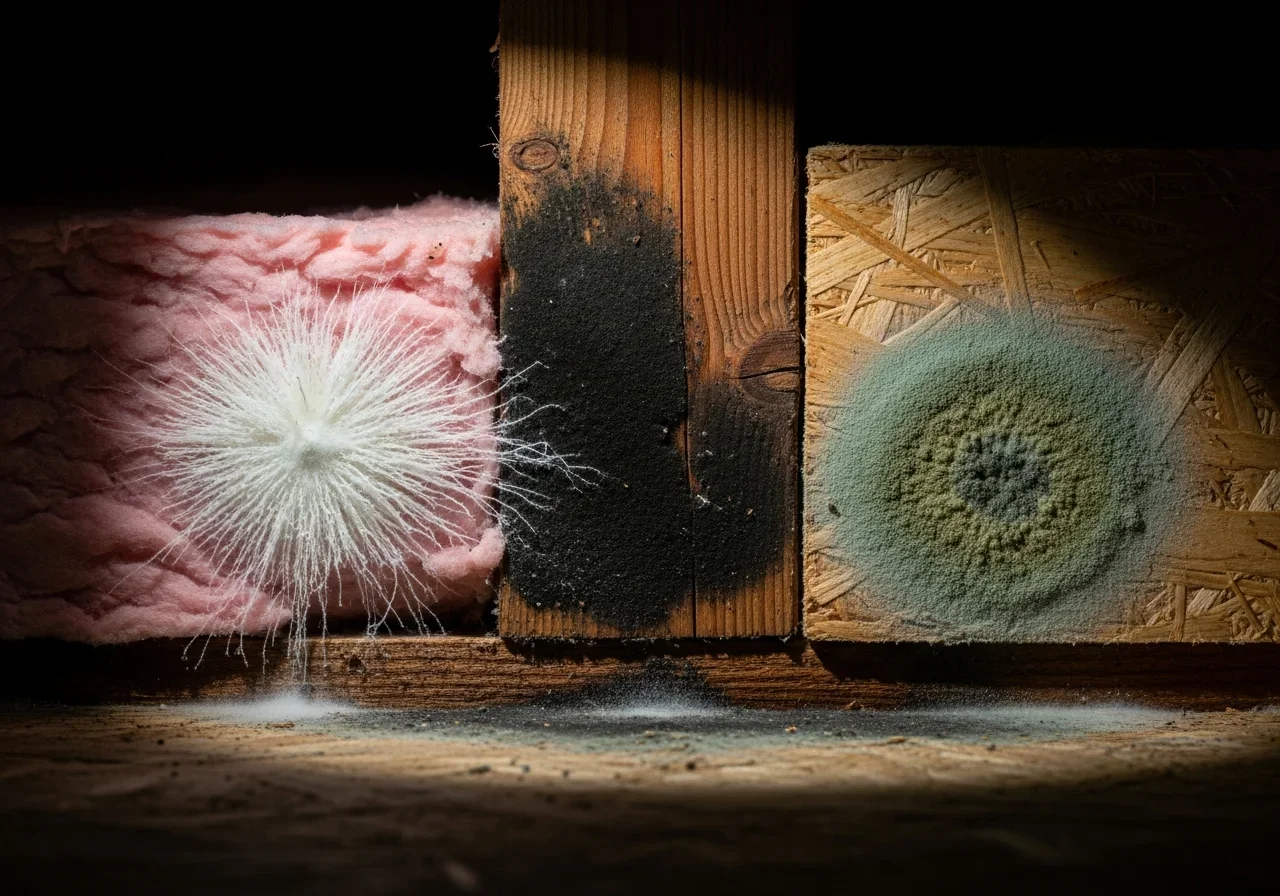
In regions like Whitewood, seasonal climate shifts, humidity fluctuations, and precipitation patterns create favorable conditions for indoor moisture accumulation. Building materials such as drywall, insulation, carpeting, and framing lumber provide the carbon-based nutrients that various mold species—including Aspergillus, Penicillium, and Stachybotrys chartarum (often referred to as black mold)—require to thrive.
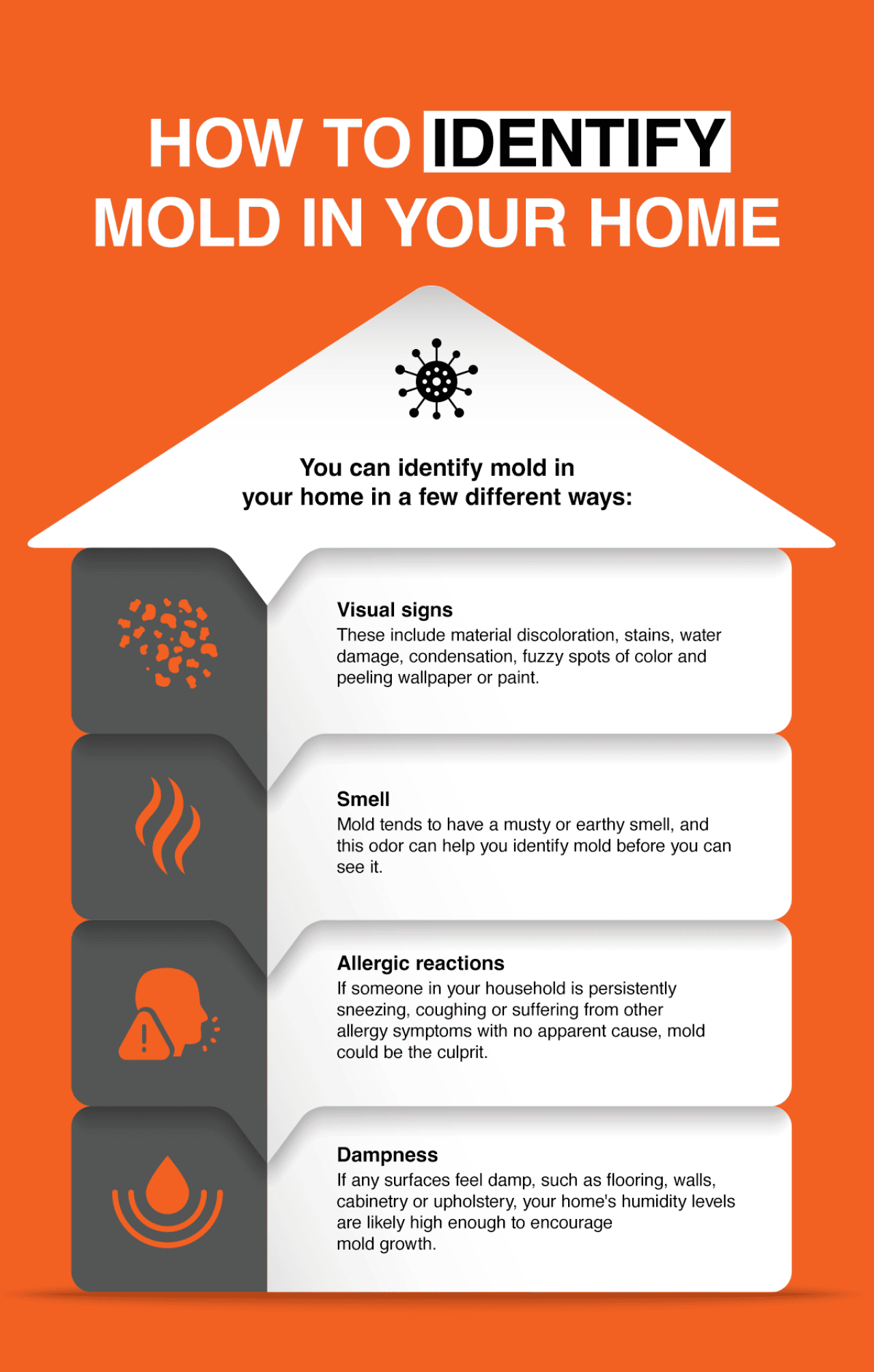
When relative indoor humidity rises above 60 percent, or when plumbing leaks, roof defects, and basement seepage go unnoticed, hidden mold colonies can develop behind walls, beneath flooring, and inside HVAC ductwork. Recognizing that mold is merely a symptom of an underlying moisture issue is the first step toward effective remediation. Simply scrubbing or painting over mold without correcting the water source guarantees its return.
Phase One: Inspection, Testing, and Moisture Assessment
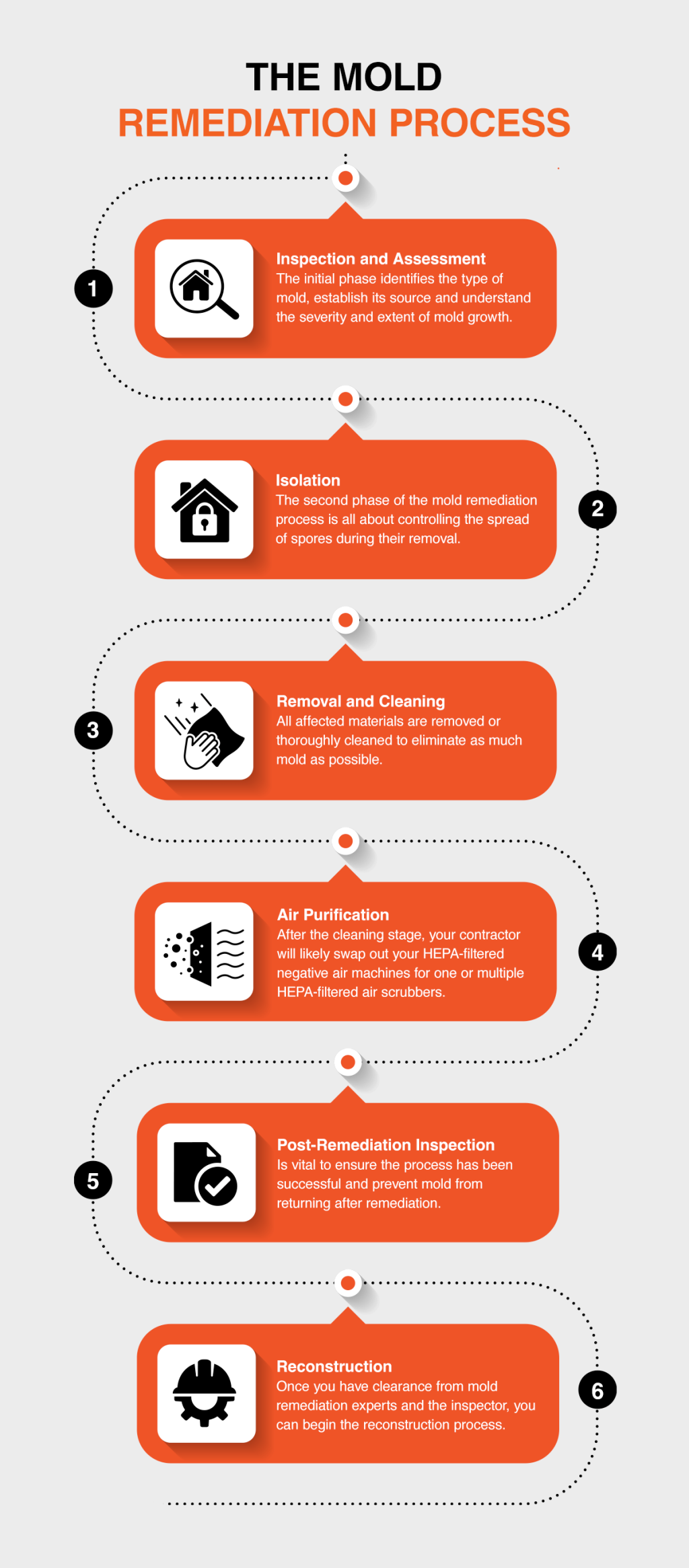
The remediation process begins long before any physical removal takes place. A thorough assessment establishes the scope of the contamination and identifies the root cause of moisture intrusion.
Professional mold inspectors utilize specialized diagnostic tools to map out hidden moisture and fungal activity. These tools include:
- Moisture Meters: Non-invasive and pin-type meters measure the moisture content in drywall, wood, subfloors, and structural framing.
- Thermal Imaging Cameras: Infrared cameras detect temperature differentials behind walls and ceilings, revealing hidden wet spots and plumbing leaks without destructive exploratory demolition.
- Hygrometers: These devices measure relative humidity and dew points inside the structure to evaluate overall atmospheric conditions.
- Air and Surface Sampling: In cases where mold is suspected but not visible, or where occupants experience unexplained health symptoms, professional laboratories analyze spore traps and surface lift samples to identify species concentrations.
Once the assessment is complete, remediation technicians draft a detailed protocol outlining the containment zones, Personal Protective Equipment (PPE) requirements, antimicrobial treatments, and structural demolition necessary to return the property to a safe condition.
Phase Two: Containment and Engineering Controls
Preventing cross-contamination is a critical priority during mold remediation. Disturbing dry mold colonies without proper containment can release millions of microscopic spores into unaffected areas of the building, worsening the problem.
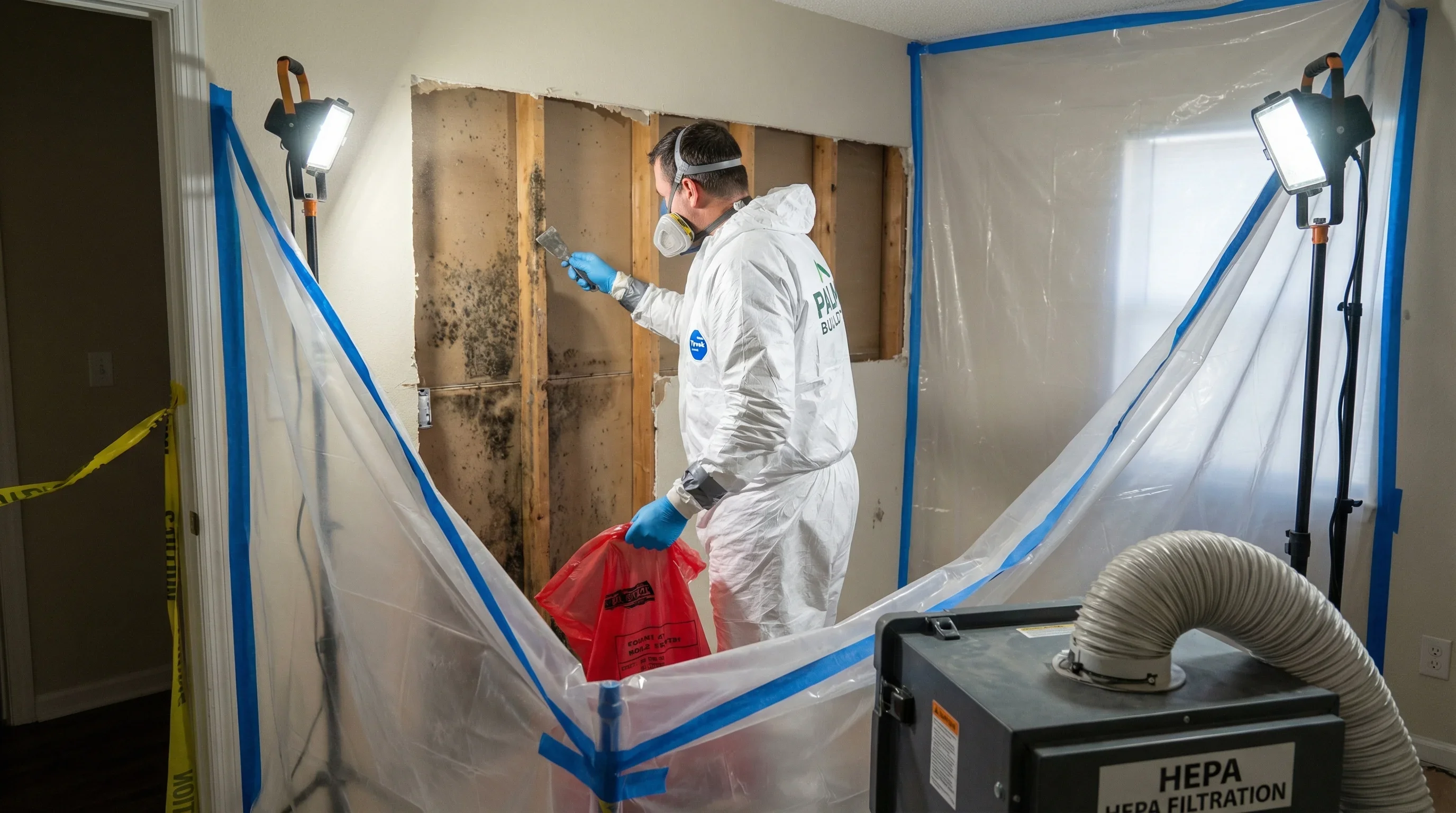
Technicians establish physical barriers using heavy-duty 6-mil polyethylene sheeting to seal off the work area from living or working spaces. Zippers, containment doors, and negative air pressure systems are standard engineering controls utilized in professional projects.
- Unaffected Area
- Negative Air Machine
- Filtered Exhaust
- Containment Barrier
- Work Zone (Sealed)
- Negative Air Machine
Negative air machines, equipped with High-Efficiency Particulate Air (HEPA) filters, pull air out of the contained workspace and vent it safely outside the building. This creates negative pressure inside the zone, ensuring that when workers enter and exit through airtight flaps, air rushes inward rather than pushing contaminated air into clean rooms. HVAC systems connected to the affected zone are sealed off to prevent circulating spores throughout the ventilation network.
Phase Three: Air Filtration and Spore Suppression
While containment traps large volumes of dust and spores within the work zone, airborne micro-spores remain suspended during active cleaning and demolition. Continuous air scrubbing is essential to protect technicians and purify the indoor environment.
Industrial air scrubbers operate continuously inside and immediately outside the containment zone. These units draw in contaminated air, pass it through a multi-stage filtration system—typically including a pre-filter, a secondary filter, and a primary HEPA filter capable of capturing 99.97 percent of particles down to 0.3 microns in size—and release purified air back into the structure.
In some protocols, technicians use fine misting agents or fogging solutions to weigh down airborne spores before manual cleaning begins. However, physical removal remains the primary mechanism of remediation, as chemical biocides alone cannot eliminate dead mycotoxins and allergenic fragments from porous surfaces.
Phase Four: Removal, Cleaning, and Structural Remediation
Different building materials require distinct remediation strategies based on their porosity and the depth of mold penetration. Non-porous and semi-porous materials can often be cleaned and salvaged, while heavily infested porous materials generally require disposal.
Material Categorization and Treatment
- Porous Materials (Drywall, Insulation, Carpet, Ceiling Tiles): These materials absorb moisture deeply, allowing mold hyphae to penetrate beneath the surface. When mold establishes deep roots in porous media, structural cleaning is ineffective, and the material must be carefully bagged, sealed, and discarded as general construction waste.
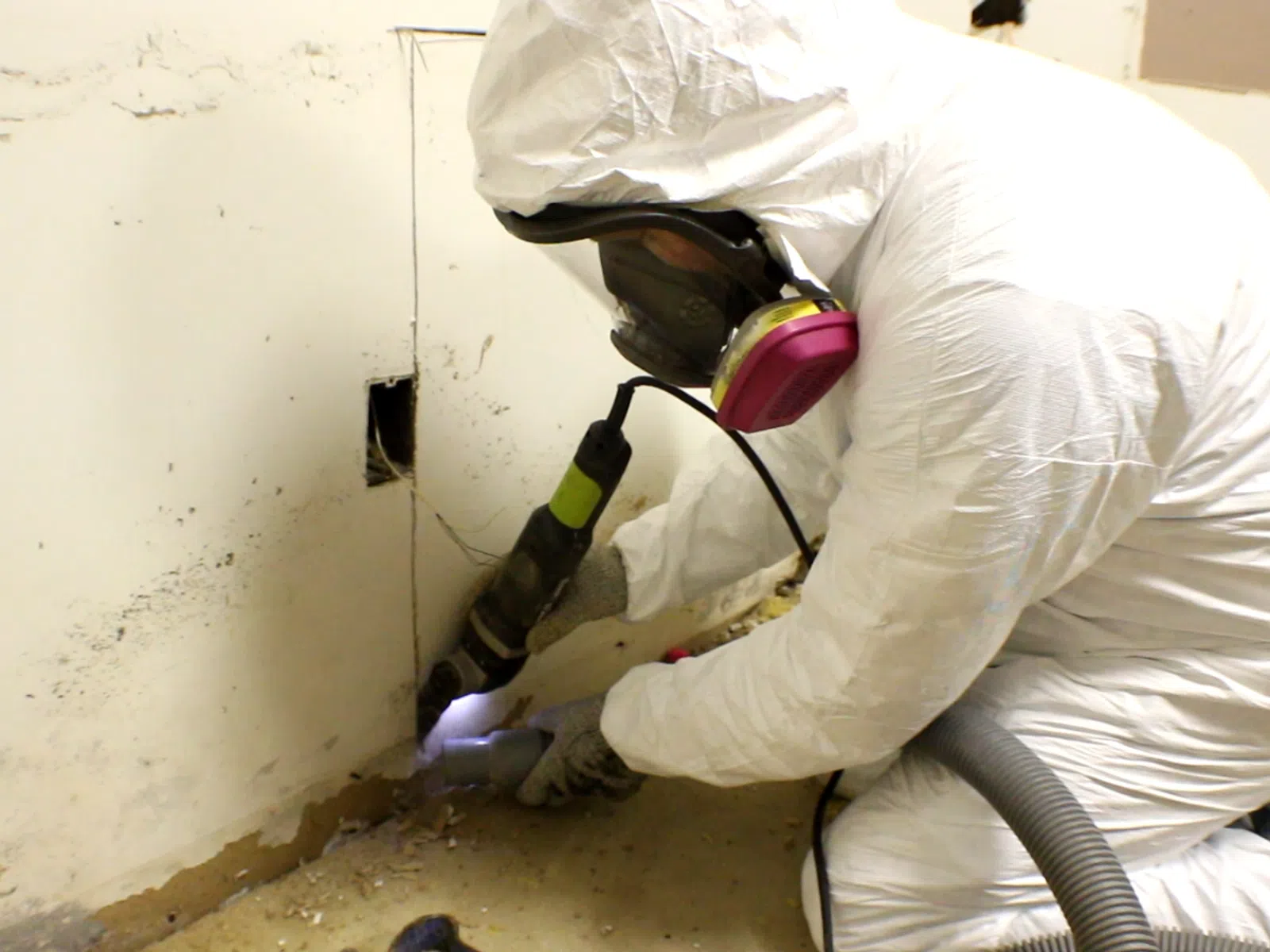
- Semi-Porous Materials (Lumber, Framing, Plywood): Structural wood members can usually be salvaged. Technicians use HEPA-vacuuming to remove loose surface spores, followed by wire brushing, sanding, or abrasive blasting (such as dry ice or soda blasting) to remove surface staining and embedded fungal growth. Once cleaned, the wood is treated with EPA-registered fungicides or fungistatic sealants to inhibit future growth.
- Non-Porous Materials (Glass, Metal, Hard Plastic, Tile): These surfaces do not absorb moisture or allow deep fungal penetration. Technicians wash and wipe them down using specialized antimicrobial cleaning agents and HEPA-vacuum any residual debris.
| Material Type | Porosity Level | Primary Remediation Action | Salvagability |
|---|---|---|---|
| Drywall | Porous | Contain, cut out, and discard damaged sections | Low |
| Framing Lumber | Semi-Porous | HEPA vacuum, sand/abrasive blast, apply sealant | High |
| Hardwood Flooring | Semi-Porous | Sand down surface mold, dry, refinish if possible | Moderate |
| Concrete / Masonry | Semi-Porous | Wire brush, clean with antimicrobial, dry out | High |
| Glass and Metal | Non-Porous | Wash with detergent/antimicrobial solution | High |
Phase Five: Drying, Dehumidification, and Clearance
Physical cleaning alone does not complete the remediation process. Because excessive moisture caused the mold in the first place, structural drying is paramount.
Commercial-grade low-grain-refrigerant (LGR) dehumidifiers and high-velocity air movers are deployed to extract residual moisture from structural cavities, subfloors, and framing. Technicians monitor moisture metrics daily until building materials return to their normal equilibrium moisture content (EMC).
Once drying is complete and all contaminated debris has been safely removed from the premises, a post-remediation verification (PRV) or clearance inspection is conducted. To maintain objectivity, independent environmental hygienists often perform this inspection, collecting air samples and visual assessments to confirm that spore counts inside the structure match or fall below normal outdoor baseline levels.
Preventive Measures and Long-Term Maintenance
Preventing mold recurrence requires vigilant property management and proactive moisture control strategies. Property owners in Whitewood can minimize future risks by implementing the following operational practices:
- Maintain Humidity Levels: Keep indoor relative humidity between 35 percent and 50 percent year-round using air conditioning units and high-capacity whole-house dehumidifiers.
- Inspect Plumbing Regularly: Check under sinks, around water heaters, behind refrigerators, and around washing machine hoses for slow leaks or condensation buildup.
- Ensure Proper Ventilation: Run exhaust fans in bathrooms during and for 20 minutes after showers. Ensure kitchen range hoods vent directly to the outside rather than into attic spaces.
- Manage Roof and Foundation Drainage: Clean gutters and downspouts regularly, and ensure that exterior grading slopes away from foundation walls to prevent basement seepage.
- Address Water Damage Promptly: Dry any accidental water spills, overflows, or leaks within 24 to 48 hours to prevent mold spores from germinating.
Frequently Asked Questions
Can I handle mold remediation yourself using bleach?
While household bleach can remove surface stains on non-porous materials like tile, it is ineffective on porous surfaces like drywall and wood because the chlorine remains on the surface while moisture penetrates deeper. Furthermore, bleach consists largely of water, which can increase moisture levels and stimulate further mold growth if not dried completely. For large infestations exceeding 10 square feet, professional remediation is strongly recommended.
How long does the mold remediation process take?
The duration of mold remediation depends on the extent of the contamination, the square footage affected, and the structural drying time. Minor remediation projects in a single bathroom may take 1 to 3 days, while extensive commercial or multi-room residential projects involving structural demolition and prolonged drying can take anywhere from one to two weeks.
Will homeowners insurance cover mold remediation costs?
Insurance coverage for mold remediation varies significantly by policy and jurisdiction. Generally, standard homeowners insurance policies cover mold damage only if it directly results from a sudden, accidental plumbing failure or burst pipe covered by the policy. Mold resulting from long-term maintenance neglect, rising groundwater, or chronic humidity is typically excluded from coverage. Property owners should review their specific policy endorsements with their insurance carrier.
Is professional mold testing required before remediation?
Professional testing is not always legally required, but it is highly recommended. Testing helps identify hidden mold colonies, determines the specific fungal species present, and provides an objective benchmark for clearance testing after the remediation work is completed. It is particularly valuable for commercial properties, real estate transactions, or when occupants exhibit severe allergy symptoms.
What health risks are associated with indoor mold exposure?
Exposure to high concentrations of indoor mold spores can trigger allergic reactions, nasal congestion, eye irritation, coughing, and throat irritation. Individuals with pre-existing respiratory conditions such as asthma, compromised immune systems, or chronic lung disease may experience more severe reactions, including hypersensitivity pneumonitis or severe respiratory infections.
Next Actions for Property Owners
If you suspect or have confirmed mold growth in your Whitewood property, prioritize safety by limiting access to the affected area and avoiding physical disturbance of the spores. Contact a certified, insured mold remediation professional to conduct a comprehensive moisture assessment and provide a transparent remediation protocol tailored to your building's specific structural needs. Timely intervention protects both the structural integrity of your property and the health of its occupants.
Image Gallery