Casper Ruud: The Rise and Technical Prowess of the Norwegian Tennis Star
Casper Ruud has established himself as one of the most consistent and formidable figures in modern professional tennis. Renowned for his heavy topspin groundstrokes, exceptional clay-court proficiency, and remarkable physical endurance...
Casper Ruud has established himself as one of the most consistent and formidable figures in modern professional tennis. Renowned for his heavy topspin groundstrokes, exceptional clay-court proficiency, and remarkable physical endurance, the Norwegian star has consistently maintained a high ranking on the ATP Tour, challenging the sport's traditional power dynamics and representing a new era of baseline excellence.
Contents
Early Life and Development
Born in Oslo in 1998, Casper Ruud was exposed to high-level tennis from an early age. His father, Christian Ruud, was a former professional tennis player who reached a career-high ranking of world number 39. This familial connection provided Casper with early access to professional coaching, training facilities, and an understanding of the discipline required to navigate the international circuit.
Ruud’s developmental years were characterized by a methodical approach. Unlike players who rely solely on raw power, Ruud focused on developing an incredibly durable baseline game. His training, often conducted at the Rafa Nadal Academy in Manacor, Spain, helped refine his movement and mental fortitude. By spending significant time on European red clay, he built the foundation that would later make him a dominant force on the surface.
Technical Analysis of Ruud’s Playing Style
At the core of Casper Ruud’s success is his specialized technique, particularly his forehand. Ruud employs an extreme Western grip, which allows him to generate massive amounts of topspin. This style is specifically engineered for clay courts, where the high-bouncing nature of the surface amplifies the difficulty his opponents face when returning his shots.
The Forehand Mechanic
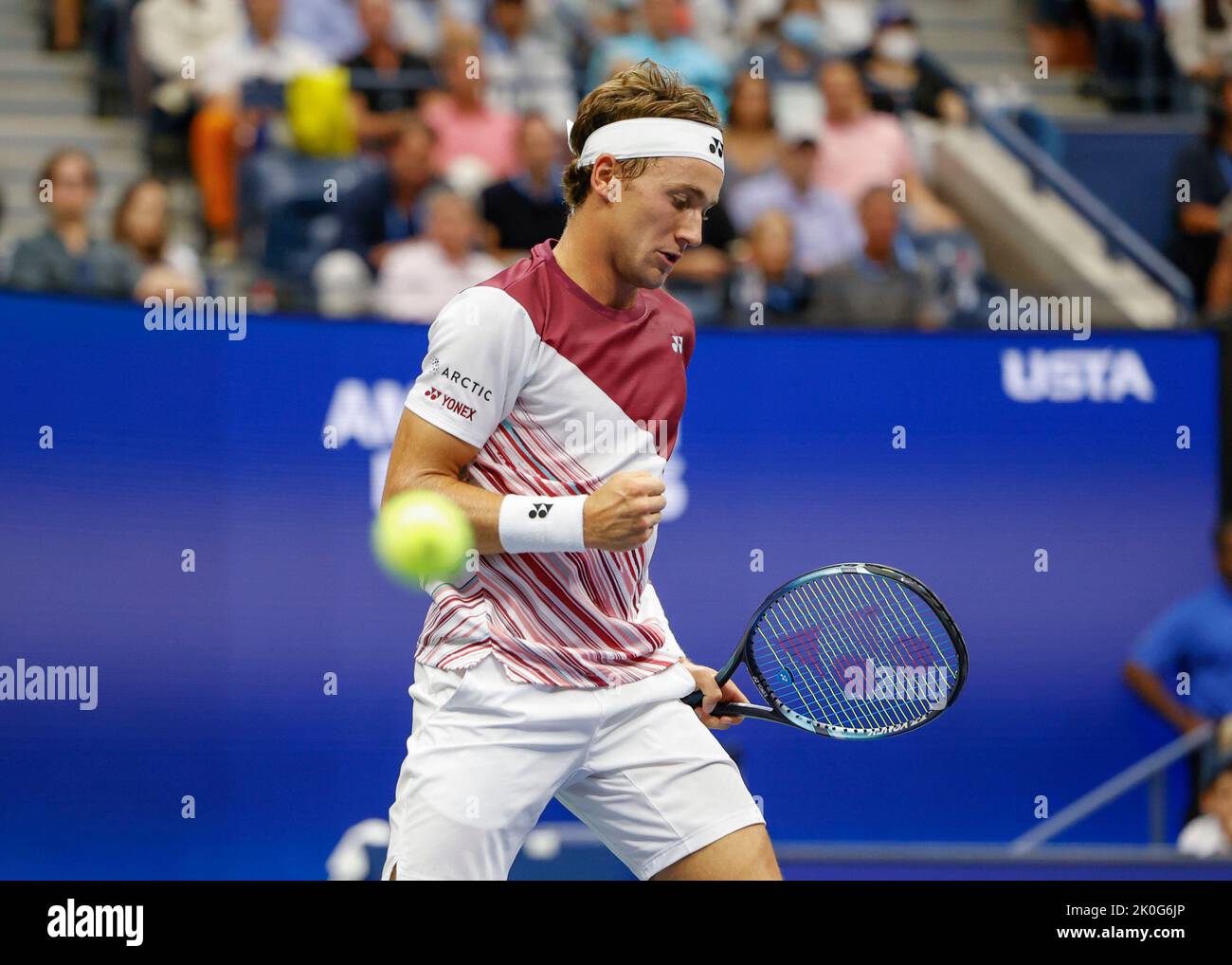
Ruud’s forehand is his primary weapon. By brushing up the back of the ball aggressively, he forces opponents to hit shots from well behind the baseline. This keeps him in control of the point, preventing his adversaries from dictating play. Even on faster surfaces like hard courts, he has adapted by flattening out his stroke slightly to maintain pressure, proving his technical versatility.
Movement and Conditioning
Professional tennis in 2026 demands elite-level cardiovascular fitness. Ruud is widely considered one of the fittest players on the tour. His ability to track down balls for hours at a time is not merely a result of stamina but of efficient court movement. He minimizes wasted energy by taking precise steps, ensuring he is balanced when striking the ball. This stability is crucial for his high-spin game, as any loss of balance would compromise his ability to generate the necessary force.
Performance on the Professional Circuit
Ruud’s career trajectory has been defined by steady progress rather than sudden, ephemeral spikes in performance. He reached his first Grand Slam final at the 2022 French Open, where he faced Rafael Nadal. This performance solidified his status as a legitimate contender on the biggest stages. He followed this with a runner-up finish at the 2022 US Open, demonstrating that his game was effective on hard courts as well as clay.
The following table summarizes his typical performance characteristics across various surfaces:
| Surface Type | Technical Focus | Effectiveness |
|---|---|---|
| Clay | Extreme Topspin / Baseline control | Elite |
| Hard | Defensive stability / Tactical patience | High |
| Grass | Slice transition / Net play | Developing |
The Physical and Tactical Demands of Modern Tennis
Navigating the ATP Tour requires more than just technique; it requires rigorous physical maintenance and tactical awareness. In 2026, the density of the schedule means that top-tier players like Ruud must balance tournament participation with recovery.
The Role of Recovery
For a player whose style relies on grueling baseline rallies, recovery is the primary constraint. Ruud utilizes advanced sports science to manage muscle fatigue and joint stress. This includes cryotherapy, specialized nutrition plans, and a strict travel schedule that minimizes environmental disruption. Players at this level must work closely with physiotherapists to manage the inevitable wear and tear of a 10-month season.
Mental Tenacity
The mental load of professional tennis is often underestimated. Facing top-ranked opponents requires consistent focus over matches that can last several hours. Ruud’s "professional demeanor"—remaining calm during both winning streaks and points of frustration—has become a hallmark of his career. This emotional regulation is vital for maintaining the repetitive, high-intensity shots required by his style.
Training Environment and Infrastructure
Ruud’s association with the Rafa Nadal Academy has been a cornerstone of his professional journey. Training in an environment that prioritizes intensity and high-volume repetitions has allowed him to sustain his rank in the world’s top echelon. For aspiring professional players, the model Ruud represents is clear: professional success is the result of long-term investment in specialized coaching and the cultivation of an environment that mimics match-day pressure.
Challenges and Future Outlook
Despite his success, Ruud faces the ongoing challenge of further elevating his game to secure a Grand Slam title. While his baseline game is world-class, evolving his net play and incorporating more variety—such as the drop shot or improved serve-and-volley tactics—remains a necessary step to overcome the remaining few players ranked above him. As of 2026, the competitive field is deeper than ever, with younger talent emerging from various regions, increasing the urgency for established players to innovate their tactical approaches.
Frequently Asked Questions
Why is Casper Ruud considered a clay-court specialist?
Ruud’s game is built on high-RPM topspin, which is most effective on clay courts where the surface bounce allows the ball to kick up above the opponent's strike zone. His physical fitness also suits the longer, slower rallies typical of clay-court tennis.
What equipment does Casper Ruud use?
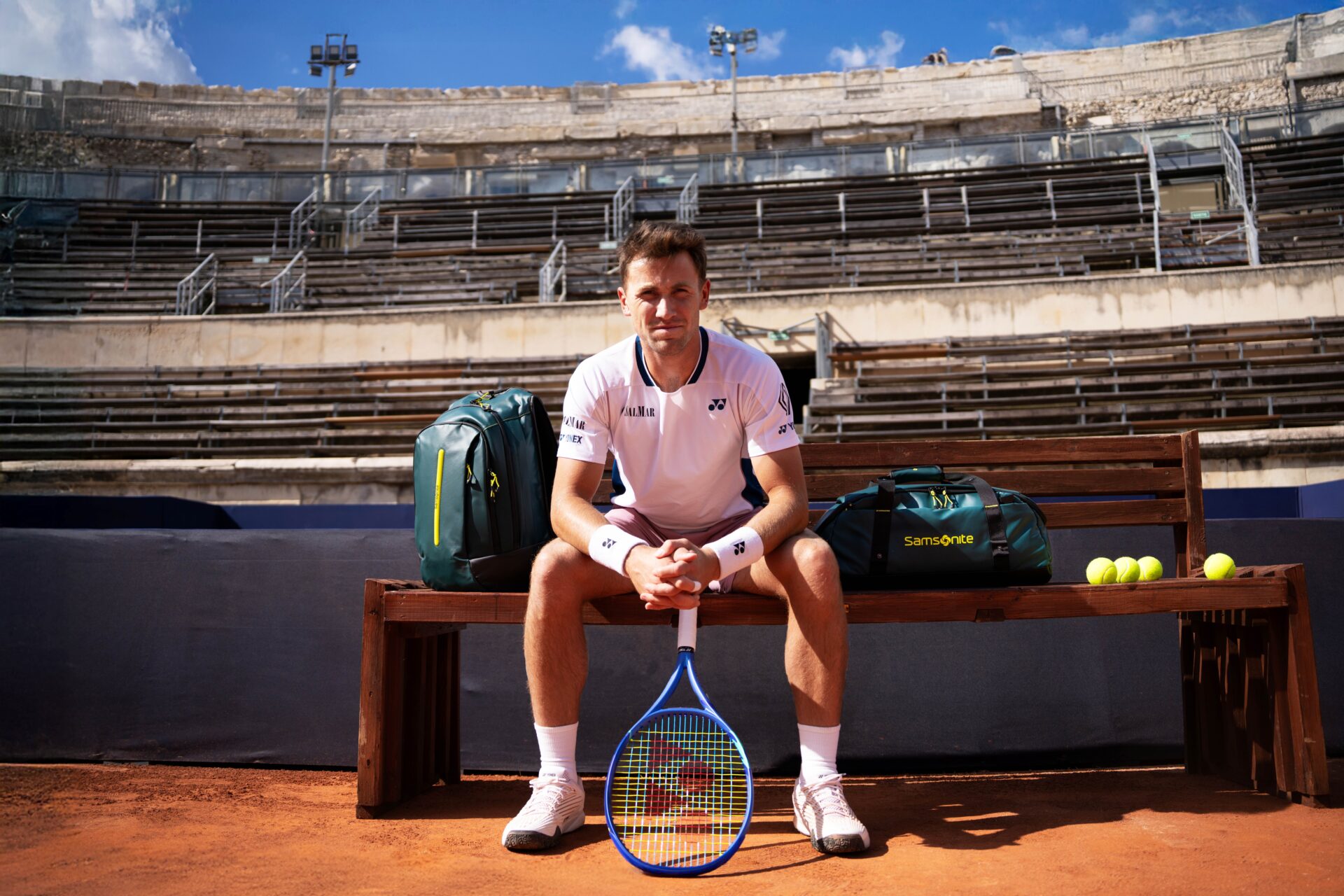
Ruud uses Yonex equipment, specifically the EZONE series of racquets. These are designed to provide a balance of power and stability, supporting his heavy-hitting, spin-oriented style while offering enough control for his defensive baseline play.
How has Ruud adapted his game for hard courts?
To remain competitive on faster surfaces, Ruud has increased his serve speed and flattened his forehand. By reducing the spin on his groundstrokes on hard surfaces, he can take the ball earlier and reduce the time his opponents have to set up their own shots.
What is the significance of the Rafa Nadal Academy for Ruud?
The academy provides Ruud with access to world-class sparring partners, high-tech performance analysis, and a structured environment that emphasizes the specific physical and mental demands of high-level clay-court tennis.
How does Ruud maintain his ranking consistency?
Ruud maintains his ranking by prioritizing health and consistency. He avoids excessive scheduling that leads to burnout, focusing instead on high-value tournaments where he can accumulate points throughout the year.
Recommendation for Further Exploration
For those interested in studying the mechanics of high-spin baseline tennis, analyzing the game footage of Ruud against other top-ranked baseline players provides the best insight into tactical positioning and stroke production. To follow his progress or to review match statistics, utilize the official ATP Tour website, which provides accurate, real-time data on win-loss percentages, serve speeds, and tournament results.
Image Gallery