Julia DeVito in Edge Computing: Driving the Convergence of 5G and Cloud
Julia DeVito is a prominent technical leader at Microsoft, serving as a Principal Product Manager Lead within the Azure Edge + Platform division. Her work is foundational to the development of Multi-access Edge Compute (MEC) and the in...
Julia DeVito is a prominent technical leader at Microsoft, serving as a Principal Product Manager Lead within the Azure Edge + Platform division. Her work is foundational to the development of Multi-access Edge Compute (MEC) and the integration of 5G networking with cloud services, enabling low-latency processing for global enterprise applications.
Contents
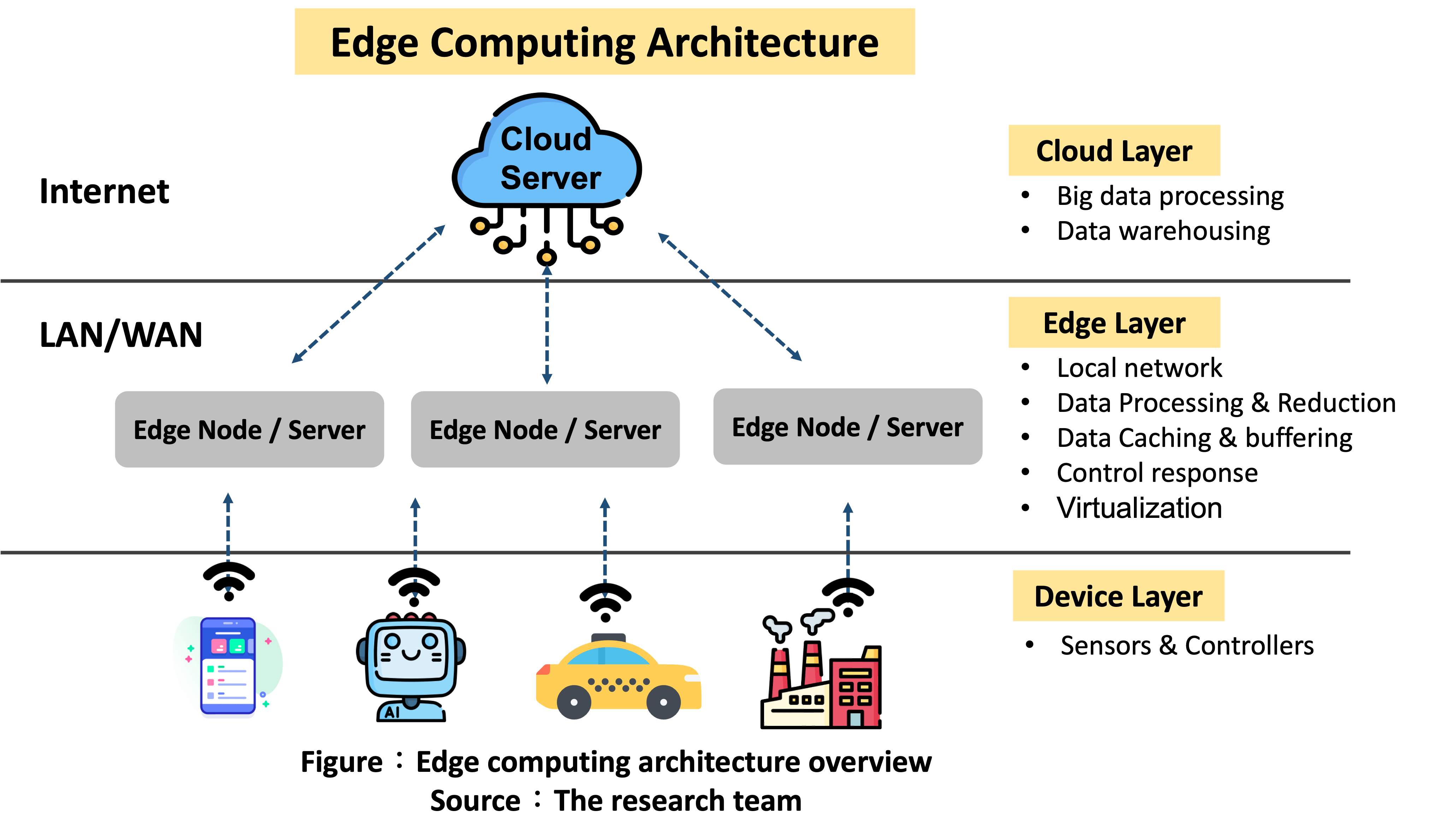
As the telecommunications and cloud computing sectors have converged over the last several years, specific leaders have emerged to define how these two distinct worlds communicate. Julia DeVito has established herself as a central figure in this transformation. By working at the intersection of high-speed cellular networking and distributed cloud architecture, DeVito has been instrumental in moving computing power from centralized data centers to the literal "edge" of the network—where data is generated and consumed.
In the landscape of 2026, edge computing is no longer a niche experimental framework but a core requirement for industrial automation, autonomous logistics, and real-time immersive technologies. DeVito’s leadership within Microsoft Azure has focused on making these complex transitions accessible to enterprises that require millisecond-level responsiveness for their mission-critical operations.
The Professional Trajectory of Julia DeVito
Julia DeVito’s career at Microsoft has been marked by a consistent focus on infrastructure and the evolving needs of the modern enterprise. Within the Azure Edge + Platform team, she has moved beyond traditional cloud management into the realm of hyper-distributed systems. Her role involves not only the technical oversight of product roadmaps but also the strategic alignment of Microsoft’s cloud capabilities with the physical infrastructure of global telecommunications providers.
Her work often bridges the gap between hardware and software. Edge computing requires a deep understanding of how specialized hardware (such as Azure Stack Edge) interacts with software-defined networking and containerized applications. DeVito has championed the "developer-first" approach to the edge, ensuring that engineers can use the same tools they use for the standard cloud—like Kubernetes and Azure Arc—while deploying workloads to remote, bandwidth-constrained environments.
Defining the Microsoft Azure Edge Strategy
Under the guidance of leaders like DeVito, Microsoft’s approach to edge computing has been categorized into two primary pillars: Public MEC and Private MEC. Understanding these distinctions is vital for any organization looking to implement edge solutions in 2026.
Azure Public MEC
Azure Public MEC (Multi-access Edge Compute) involves placing Azure compute resources within the data centers of telecommunications operators, such as AT&T, Verizon, or Vodafone. This allows data to travel from a mobile device to a compute node without ever leaving the carrier’s 5G network. DeVito has been a vocal advocate for this model, emphasizing its ability to provide ultra-low latency for applications like augmented reality (AR) and cloud gaming, where every millisecond of "round-trip time" matters.
Azure Private MEC
Azure Private MEC is designed for high-security, high-performance local environments like factories, mines, or hospitals. This solution combines private 5G/LTE connectivity with edge compute on-premises. DeVito’s team has worked to simplify the deployment of these private networks, which were historically difficult to manage. By utilizing a "single pane of glass" management style through the Azure portal, DeVito has helped demystify the complexities of private cellular networking for IT departments.
Technical Innovations and 5G Integration
The shift to 5G has been the primary catalyst for DeVito’s recent work. Unlike previous generations of cellular technology, 5G is inherently designed for machine-to-machine communication rather than just human-to-human communication. DeVito has focused on three core technical tenets that define 5G-enabled edge computing:
- Massive Machine-Type Communications (mMTC): Supporting the sheer volume of IoT sensors found in smart cities and industrial plants.
- Ultra-Reliable Low-Latency Communications (URLLC): Ensuring that a command sent to a robotic arm or an autonomous vehicle is executed with near-zero delay.
- Enhanced Mobile Broadband (eMBB): Providing the throughput necessary for high-definition video analytics and real-time data streaming.
DeVito has frequently presented on how these 5G "slices" can be tailored to specific enterprise needs. By leveraging Azure’s orchestration layer, businesses can prioritize specific types of traffic, ensuring that a safety-critical sensor always has the bandwidth it needs, even if the rest of the network is congested.
Industry Use Cases and Practical Applications
The impact of DeVito’s work is most visible in the practical deployment of edge technology across various sectors. By 2026, the success of these deployments has provided a blueprint for digital transformation.
Manufacturing and Computer Vision
In the manufacturing sector, DeVito has highlighted the use of edge-based computer vision. Instead of sending high-definition video feeds from a factory floor to a distant cloud server—which would be expensive and slow—the video is processed locally on an Azure edge node. This allows for real-time quality control, where defects are identified and the assembly line is halted in less than 10 milliseconds.
Healthcare and Remote Diagnostics
In healthcare, latency can be a matter of life and death. DeVito’s contributions to the edge framework have enabled "hospital-at-home" initiatives. High-bandwidth medical imaging and patient monitoring data can be processed at a local edge site, providing doctors with immediate analytics while maintaining strict data residency and privacy standards by keeping the data within a local geographic boundary.
Retail and Smart Logistics
The retail industry utilizes DeVito’s edge strategies to manage inventory and enhance customer experiences. Real-time inventory tracking using RFID and computer vision requires massive localized compute power. By deploying Azure Edge solutions, retailers can offer "frictionless" checkout experiences where the compute nodes handle the heavy lifting of spatial analysis and object recognition.
Comparison of Edge Deployment Models
The following table outlines the different edge strategies that Julia DeVito and her team have developed to address diverse enterprise requirements.
| Feature | Azure Public MEC | Azure Private MEC | Azure Stack Edge |
|---|---|---|---|
| Primary Network | Public 5G/4G (Carrier-hosted) | Private 5G/LTE (On-site) | Local LAN/WiFi/Satellite |
| Connectivity | Telco-managed infrastructure | Enterprise-managed private core | Customer-provided |
| Ideal Use Case | Content delivery, mobile AR | Smart factories, secure campuses | Remote sites, disconnected ops |
| Latency | 20-50ms (typical) | <10ms (typical) | Variable based on local hardware |
| Data Residency | Shared within carrier region | Strict on-premises control | High (On-device processing) |
| Hardware | Managed by Microsoft/Telco | Managed by Partner/Microsoft | Customer-owned/Leased |
Operational Challenges and Security at the Edge
Working at the edge introduces unique challenges that DeVito has addressed through her product leadership. One of the primary concerns is the "security perimeter." In a traditional cloud model, the perimeter is well-defined. In an edge model, the "perimeter" exists everywhere—in a 5G cell tower, a retail store closet, or an oil rig.
DeVito has emphasized the importance of Zero Trust architecture for edge deployments. This means that every device, every user, and every packet of data must be verified, regardless of where it originates. Microsoft’s integration of Azure Sphere and Azure IoT Security center into the edge workflow provides a layered defense mechanism. This ensures that even if a physical edge node is compromised, the broader network remains secure.
Furthermore, managing "hardware heterogeneity" is a constant battle. Edge computing requires everything from small ARM-based gateways to massive GPU-accelerated servers. DeVito’s work with Azure Arc has been critical here, as it allows administrators to manage this diverse hardware fleet using a unified software interface, reducing the operational burden on IT teams.
The Future of Edge Computing (2026 Perspective)
As we look at the current state of the industry in 2026, Julia DeVito’s vision for a "seamless cloud-to-edge continuum" has largely come to fruition. The silos between telecommunications companies and cloud providers have dissolved, replaced by collaborative ecosystems.
The next frontier for DeVito and her team involves the integration of Generative AI at the edge. While LLMs (Large Language Models) were originally confined to massive data centers, the push in 2026 is toward "Edge AI." This involves running smaller, distilled versions of AI models locally to provide immediate reasoning and decision-making capabilities without needing to dial back to the "mother ship" cloud. This evolution represents the natural progression of DeVito’s career-long commitment to bringing intelligence to where the action is.
Frequently Asked Questions
Who is Julia DeVito in the context of Microsoft Azure?
Julia DeVito is a Principal Product Manager Lead at Microsoft, specifically within the Azure Edge + Platform team. She is a key strategist and spokesperson for Microsoft's Multi-access Edge Compute (MEC) initiatives, focusing on the intersection of 5G and cloud services.
What is the difference between Public MEC and Private MEC in her work?
Public MEC involves compute resources hosted within a telecommunications provider's 5G network to serve mobile users across a city or region. Private MEC involves a dedicated, private 5G network and compute hardware located physically on a customer's premises (like a factory) for maximum security and lowest possible latency.
How does Julia DeVito’s work impact the IoT industry?
By creating a standardized way to manage edge workloads, DeVito has made it easier for IoT developers to deploy AI and data processing logic closer to their sensors. This reduces the cost of data transmission and allows for real-time responsiveness that traditional cloud architectures cannot match.
What are the main benefits of the Edge solutions she oversees?
The primary benefits include ultra-low latency (reducing lag), improved bandwidth efficiency (sending less data over long distances), enhanced data privacy (keeping data local), and increased reliability (enabling local operations even if the main internet connection fails).
What technologies are essential for the Edge Computing Julia DeVito promotes?
Key technologies include 5G (specifically Standalone 5G), Kubernetes (for container orchestration), Azure Arc (for cross-environment management), and specialized hardware such as GPU-enabled edge servers for AI processing.
What is the recommended next action for enterprises?
Enterprises interested in following the architectural patterns championed by DeVito should begin by auditing their current latency-sensitive workloads. Identifying "hot spots" where data is generated—such as assembly lines or logistics hubs—will reveal where a Private MEC or Azure Stack Edge deployment would provide the highest return on investment. Organizations should also evaluate their current 5G readiness and explore partnerships with carriers that support Azure Public MEC for broader consumer-facing applications.
Image Gallery