Q-Flex Shark Tank Net Worth 2018: A Success Story of Acupressure Innovation
By 2018, the estimated net worth and lifetime sales of Q-Flex exceeded $2 million, following a successful appearance on Shark Tank in late 2014. After securing a $25,000 investment for 25% equity from Mark Cuban and Barbara Corcoran, t...
By 2018, the estimated net worth and lifetime sales of Q-Flex exceeded $2 million, following a successful appearance on Shark Tank in late 2014. After securing a $25,000 investment for 25% equity from Mark Cuban and Barbara Corcoran, the company evolved from a small home-based project into a powerhouse in the personal wellness and acupressure market.
Contents
The Genesis of Q-Flex: Solving a Family Need
The story of Q-Flex is fundamentally one of necessity and youthful ingenuity. It began with Hong Cao, a nurse who frequently suffered from back pain and muscle tension due to the physical demands of her profession. Her daughter, Andrea Cao, then only 13 years old, took it upon herself to help her mother find relief. They realized that professional massages were too expensive for regular use, and existing self-massage tools were often cumbersome or ineffective at reaching specific pressure points on the back.
Working together in their garage, the mother-daughter duo developed a hook-shaped tool designed to apply localized pressure to "trigger points" or muscle knots. This method, rooted in the ancient practice of acupressure, helps stimulate blood flow and release tension without the need for a second person. The tool's unique "S" curve and flexible material allowed users to leverage their own strength to apply deep tissue pressure.
Before appearing on Shark Tank, the Caos had already shown significant entrepreneurial drive. They sold roughly 800 units of the Q-Flex by going door-to-door and attending local trade shows. Their initial success proved there was a market for a lightweight, affordable, and ergonomic massage tool, but they lacked the capital and distribution expertise to scale the business beyond their local community in California.
The Shark Tank Pitch: A Masterclass in Poise
In December 2014, during Season 6, Episode 11, Andrea and Hong Cao presented Q-Flex to the Sharks. At just 13, Andrea became one of the youngest entrepreneurs to ever grace the tank, and her presentation was widely praised for its clarity and professionalism.
The Caos entered the tank seeking $20,000 for a 20% stake in their company. They demonstrated the product, explaining how the flexible tip provides the right amount of "give" to prevent injury while still being firm enough to break up muscle knots.
Shark Reactions and Negotiations
The Sharks were impressed by several factors:
- Low Manufacturing Costs: At the time, the product cost about $4.50 to make and sold for $25.00, representing a healthy profit margin.
- Work Ethic: Andrea’s commitment to door-to-door sales resonated deeply with the Sharks, many of whom started their careers with similar "hustle."
- Proof of Concept: Having already sold $20,000 worth of products on their own, the duo proved the item wasn't just a gimmick.
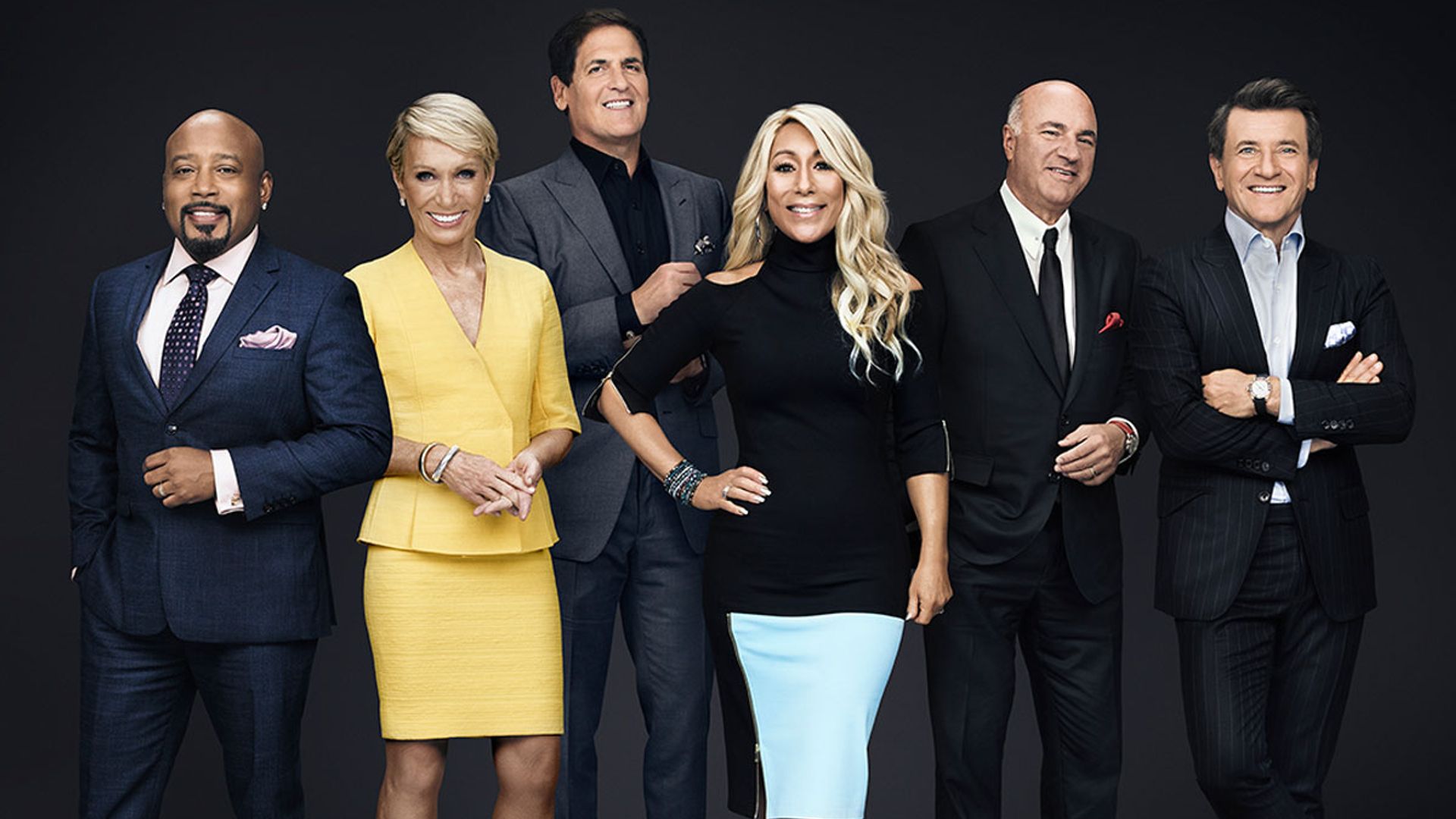
While Kevin O'Leary and Robert Herjavec ultimately passed—not because they disliked the product, but because they didn't see it as a "billion-dollar" play—Mark Cuban and Barbara Corcoran saw the potential for a high-volume, "cash cow" business.
Mark Cuban and Barbara Corcoran offered a combined deal: $25,000 for 25% of the company. The Caos accepted the offer, gaining two of the most influential mentors in the retail and e-commerce space.
Post-Tank Explosion: Growth Leading into 2018
The "Shark Tank Effect" hit Q-Flex immediately. Following the broadcast, the company was flooded with thousands of orders, nearly crashing their website. With the guidance of Cuban and Corcoran, the Caos moved production out of their garage to a professional manufacturing facility to meet the surging demand.
Scaling and Distribution
By 2015 and 2016, Q-Flex had expanded its presence significantly on Amazon and other e-commerce platforms. Barbara Corcoran’s team helped refine the branding and packaging, making it more retail-ready. Mark Cuban’s team assisted with the logistics and back-end operations, ensuring that the influx of orders didn't lead to shipping delays that could tarnish the brand's reputation.
By 2018, the company had stabilized its operations. It was no longer a "viral sensation" but an established brand in the wellness category. The product's simplicity was its greatest asset; unlike electronic massagers that could break or require charging, the Q-Flex was indestructible and always ready for use.
Financial Performance and 2018 Valuation
While private companies do not typically disclose exact annual tax returns, business analysts and Shark Tank follow-up segments provided clear indicators of the company’s health. By 2018, lifetime sales were reported to have surpassed the $2 million mark.
The valuation of the company in 2018 was a reflection of its consistent sales and high margins. Using a standard 1x to 2x multiple of annual revenue for a consumer goods company, Q-Flex was comfortably valued in the seven-figure range. For an initial investment of $25,000, Cuban and Corcoran saw a massive return on paper, while the Cao family secured their financial future and Andrea’s college fund.
| Metric | Pre-Shark Tank (2014) | Post-Shark Tank (Estimated 2018) |
|---|---|---|
| Annual Sales | ~$20,000 | ~$500,000 - $750,000 |
| Lifetime Sales | $20,000 | Over $2,000,000 |
| Production Method | Hand-assembled in garage | Mass-manufactured (Outsourced) |
| Retail Price | $25.00 | $24.95 - $29.95 |
| Primary Channel | Door-to-door / Local fairs | Amazon / Direct-to-Consumer |
The Competitive Landscape: 2018 and Beyond
By 2018, the market for manual massage tools had become increasingly crowded. Q-Flex faced competition from established brands and new entrants looking to capitalize on the wellness trend.
- Thera Cane: A long-standing competitor with a more rigid design and multiple treatment balls. While effective, it was often viewed as more clinical and less "user-friendly" than the Q-Flex.
- Body Back Buddy: A larger, more complex tool that offered more angles but was less portable than the Q-Flex.
- Generic Knock-offs: As with any successful Shark Tank product, 2018 saw an influx of cheaper, lower-quality imitations on marketplaces like eBay and Alibaba.
Q-Flex maintained its edge through its association with the Shark Tank brand and its unique flexibility. The "flex" in Q-Flex was a patented or proprietary design element that allowed for a softer touch on sensitive areas, a feature that many rigid plastic competitors could not replicate.
Operational Hurdles and Successes
Managing a business while being a full-time student was one of the primary challenges for Andrea Cao. However, this narrative became a core part of the brand's marketing. Customers weren't just buying a piece of plastic; they were supporting a young entrepreneur’s dream.
By 2018, the business had largely automated its fulfillment processes. This allowed the Caos to maintain the company without it consuming every hour of their lives. This "lifestyle business" model is often the ultimate goal for Shark Tank entrepreneurs who don't necessarily want to build a global conglomerate but want a stable, high-income asset.
Acupressure and the Science of the Q-Flex
To understand the longevity of Q-Flex up to 2018, one must look at the science of acupressure. The tool is designed to mimic the thumb of a massage therapist. By applying pressure to specific points, the user can:
- Interrupt Pain Signals: Gate control theory suggests that non-painful input (pressure) can close the "gates" to painful input.
- Increase Localized Circulation: Pressure followed by release encourages fresh blood flow to the muscle tissue.
- Myofascial Release: The tool helps "smooth out" the fascia (the connective tissue surrounding muscles) which can become tight and restrictive.
The Q-Flex was particularly effective for the trapezius muscles and the rhomboids—areas that are notoriously difficult to reach for individuals who spend long hours at desks or, like Hong Cao, in demanding medical environments.
Frequently Asked Questions
What was the deal Q-Flex got on Shark Tank?
Andrea and Hong Cao accepted a deal from Mark Cuban and Barbara Corcoran for $25,000 in exchange for 25% equity. This was $5,000 more than their initial ask, but they gave up an additional 5% of the company to secure two Sharks instead of one.
Is Q-Flex still in business in 2026?
Yes, Q-Flex remains a recognized name in the manual massage tool industry. While the initial "hype" of the 2014 appearance has leveled off, the product remains a consistent seller on major e-commerce platforms due to its simplicity and the enduring popularity of Shark Tank reruns.
How much did Andrea Cao make from Q-Flex?
While her exact personal earnings are private, the company generated over $2 million in sales by 2018. As a primary owner, Andrea was able to fund her education and build a significant financial foundation before reaching adulthood.
What makes Q-Flex different from Thera Cane?
The primary difference is the material and the "give." The Q-Flex is designed with a specific level of flexibility that prevents the user from applying a dangerous amount of pressure to the spine or joints. Thera Cane is entirely rigid, which some users prefer for deeper work but others find too painful.
Did the Sharks stay involved with Q-Flex?
Barbara Corcoran has frequently cited Andrea Cao as one of her favorite entrepreneurs. Both Corcoran and Cuban provided the necessary infrastructure for the company to survive the initial growth spurt, and their teams continued to provide oversight for the business operations through its peak years.
Practical Recommendation for Entrepreneurs
The success of Q-Flex as of 2018 serves as a vital case study for aspiring inventors. It highlights that you do not need a complex, high-tech solution to build a multi-million dollar business. By identifying a simple, recurring pain point—back tension—and creating a cost-effective, ergonomic solution, the Cao family created a lasting brand.
If you are developing a product, focus on the cost-to-retail ratio. The Q-Flex's ability to be manufactured for under $5 and sold for $25 was the primary reason the Sharks were willing to invest. High margins provide the "oxygen" a business needs to survive mistakes, marketing costs, and shipping challenges.
Image Gallery