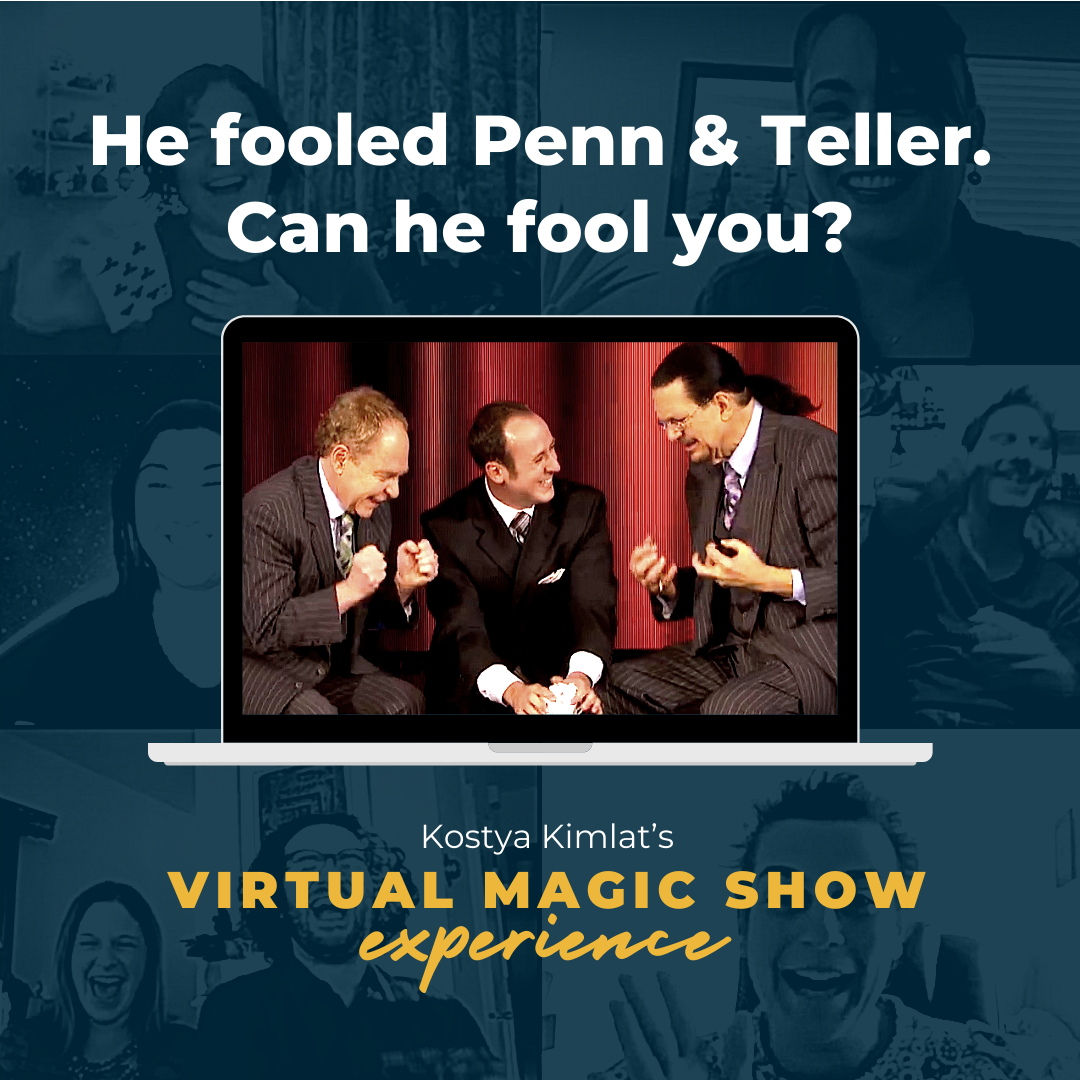
The Rise of Virtual Magic Shows in Entertainment: A 2026 Perspective
The rise of virtual magic shows represents a fundamental shift in how interactive entertainment is delivered and consumed globally. By 2026, these digital performances have transitioned from emergency pandemic-era alternatives into a s...
The rise of virtual magic shows represents a fundamental shift in how interactive entertainment is delivered and consumed globally. By 2026, these digital performances have transitioned from emergency pandemic-era alternatives into a sophisticated, multi-million-dollar industry branch that leverages high-definition broadcasting, low-latency streaming, and bespoke interactive software to provide front-row experiences to remote audiences.
Contents
From Crisis to Industry Standard
The trajectory of virtual magic began as a survival mechanism for performers during the global lockdowns of 2020. Before this pivot, magic was almost exclusively an in-person medium, relying on the physical proximity of the audience to "prove" the impossibility of the illusion. However, the initial limitations of the webcam format forced a rapid evolution in performance theory.
By 2026, virtual magic is no longer viewed as a "lesser" version of live theater. Instead, it is recognized as a unique genre with its own technical requirements and advantages. The primary driver of this growth is the corporate sector, where globalized workforces require high-engagement team-building activities that transcend geographic boundaries. Unlike static webinars, virtual magic shows require active participation, making them a premium choice for organizations looking to combat "Zoom fatigue."
The Technical Architecture of Digital Illusions
The success of a modern virtual magic show in 2026 depends heavily on the performer’s "digital stage." Top-tier performers no longer use simple laptop webcams; they operate out of dedicated broadcast studios equipped with professional-grade hardware.
Multicam Setups and Switching
A standard professional virtual show now utilizes at least three camera angles:
- The Wide Shot: Establishes the performer's environment and proves there are no hidden assistants.
- The Close-Up (Macro): Used for sleight of hand with cards, coins, or small objects, providing a view often clearer than what an audience member would see in a theater.
- The Profile/Alternative Angle: Used to show the "honesty" of the performance space, reinforcing that no trickery is happening behind the scenes.
Performers use software like Open Broadcaster Software (OBS) or vMix to switch between these angles seamlessly. This cinematic approach allows the magician to direct the audience's attention with a precision that is impossible on a physical stage.
Audio Fidelity
Audio is arguably more important than video in virtual magic. If an audience cannot hear the "patter" or the instructions for an interactive trick, the illusion fails. Professional performers in 2026 utilize XLR microphones (often lavalier or high-end shotgun mics) processed through digital audio workstations (DAWs) to ensure crystal-clear sound, free from the compression artifacts common in standard video calls.
The Business Case for Virtual Magic in 2026
The commercial viability of virtual magic has stabilized around three primary models: corporate events, ticketed public shows, and "box-in-the-mail" hybrid experiences.
Corporate Engagement and ROI
For event planners, the return on investment (ROI) for a virtual magic show is significantly higher than for in-person entertainment. There are no travel costs, no hotel stipends for the performer, and no venue rental fees. Furthermore, a single performer can entertain a group of 500 people across five continents simultaneously. In 2026, a high-end corporate virtual show typically costs between $2,500 and $15,000, depending on the performer's reputation and the level of customization.
The Hybrid "Box" Model
One of the most significant innovations leading into 2026 is the "Mystery Box" integration. To bridge the gap between the digital and physical worlds, performers ship sealed packages to participants' homes before the show. These boxes contain "props" that the audience uses during the performance. Under the magician's direction, the magic happens in the spectator's own hands, creating a level of tactile engagement that standard video streams cannot match.
| Feature | Traditional In-Person Magic | Virtual Magic (2026 Standard) |
|---|---|---|
| Audience View | Variable (depends on seating) | Guaranteed "Front-Row" Macro View |
| Reach | Limited to Venue Capacity | Global / Unlimited Scaling |
| Interactive Depth | High (Physical contact) | Moderate to High (Via Digital/Mailed Props) |
| Logistics Cost | High (Travel, Venue, Catering) | Low (Studio, Platform Licenses) |
| Technical Risk | Low (Physical failures) | Moderate (ISP Latency, Software Bugs) |
| Recording/Replay | Rare/Restricted | Easily Archived for Internal Use |
Categories of Virtual Magic
The medium has branched into specific sub-genres that play to the strengths of the screen.
Virtual Mentalism
Mentalism is the most successful sub-genre in the virtual space. Because "mind reading" relies on psychological principles and verbal communication rather than physical sleight of hand, it translates perfectly through a screen. Performers use the "chat" functions and "poll" features of platforms like Zoom or Microsoft Teams to involve dozens of people at once.
Digital Sleight of Hand
This focuses on the visual "eye candy." In 2026, magicians have mastered "camera-aware" magic—tricks that only work because of the 2D nature of a screen. However, to maintain credibility, the most respected performers avoid "camera tricks" (video editing), instead focusing on pure skill that is enhanced by the camera's macro lens.
Educational Magic (Team Building)
A growing segment involves a "Show and Tech" format, where a performer delivers a 30-minute set followed by a 15-minute workshop teaching basic psychological principles or simple illusions. This addresses the high demand for "active learning" in the 2026 enterprise education sector.
Overcoming the "Camera Trick" Skepticism
The biggest hurdle for virtual magic is the audience's natural suspicion that the video is being manipulated or edited in real-time. To counter this, the industry has developed several "verification protocols":
- Live Social Proof: Performers often have a "gallery view" monitor visible in their background, showing the live reactions of the audience to prove the feed is instantaneous and not pre-recorded.
- Third-Party Verification: Using unpredictable variables, such as a live stock ticker, a news site, or a random word generated by a spectator, to prove the performance is occurring in real-time.
- Continuous Long Takes: Avoiding rapid cuts between cameras during a critical moment of an illusion to maintain the "integrity of the frame."
Technical Requirements for the Audience
For an optimal experience in 2026, participants are generally advised to follow specific guidelines:
- Stable Connection: A minimum of 10 Mbps download speed is recommended for 1080p60 streaming.
- Display Size: Magic is best viewed on a laptop or desktop monitor rather than a mobile phone to appreciate the details of sleight of hand.
- Active Participation: Keeping cameras on is essential. Magic relies on the feedback loop between the performer and the audience; without visual cues from the spectators, the "energy" of the show diminishes.
Challenges and Future Outlook
Despite its rise, the medium faces challenges. "Latency" remains the enemy of timing. In 2026, while 5G and fiber-optic expansion have mitigated this, a 200ms delay can still ruin the punchline of a joke or the reveal of a trick. Furthermore, the market has become saturated, requiring performers to constantly innovate with augmented reality (AR) overlays and more sophisticated storytelling.
Looking toward the late 2020s, we are seeing the first integrations of VR (Virtual Reality) headsets for magic shows, where the audience sits in a "digital theater." However, the current preference remains "browser-based" interactivity because it requires no specialized hardware from the attendee, maintaining the lowest possible barrier to entry.
FAQs
Is virtual magic as "impressive" as seeing it live?
It offers a different kind of amazement. While you lose the physical presence of the magician, you gain a microscopic view of the skills involved. Most people find the "in-your-own-hands" magic (achieved via mailed props or everyday household items) to be more baffling than stage magic because the impossible happens in their own environment.
What platform is best for hosting a virtual magic show?
As of 2026, Zoom remains the industry favorite due to its low-latency "Original Sound for Musicians" setting and its "Spotlight" features. However, for large-scale productions, bespoke platforms that allow for higher bitrates and integrated interactive polls are becoming more common.
Can the magician see me during the show?
Yes, in a professional setup, the magician has a "Gallery Monitor" showing as many audience faces as possible. This allows them to read your body language, call on you by name, and react to your genuine surprise, just as they would in a physical theater.
How do I know it’s not just a "video filter" or camera editing?
Reputable virtual magicians avoid software-based video manipulation. They often use "verification techniques," such as having a spectator name a random object in their own room or showing a live countdown clock, to prove the feed is a raw, unedited broadcast.
How much lead time is needed to book a show with a "Mystery Box"?
Because of global shipping logistics, most performers require at least 3 to 4 weeks of lead time to ensure that physical props arrive at all participants' locations before the event date.
Practical Recommendation
When booking a virtual magic show for a corporate or private event in 2026, prioritize performers who can demonstrate a multicam studio setup and provide a technical rider. Always request a short "tech check" or a demo reel that specifically shows live virtual performances rather than edited promotional clips. If your goal is maximum engagement, choose a performer who offers a hybrid kit (Mystery Box), as this significantly increases the "wow factor" and post-event "talkability" among attendees.
Image Gallery