The Sex Lounge Chair in Modern Interiors: Ergonomics, Aesthetics, and Discreet Integration
The sex lounge chair—often styled as a wave lounge, intimacy chair, or ergonomic contour lounge—has evolved from a niche novelty into a refined element of modern interior design. Designed around anatomical angles and fluid curves, thes...
The sex lounge chair—often styled as a wave lounge, intimacy chair, or ergonomic contour lounge—has evolved from a niche novelty into a refined element of modern interior design. Designed around anatomical angles and fluid curves, these chairs offer targeted physical support for intimate positions while serving as striking, modern accent pieces. Integrating one into a luxury or contemporary bedroom suite requires balancing anatomical ergonomics, high-performance upholstery, visual concealment, and overall spatial harmony.
Contents
Understanding the Design Philosophy and Ergonomics of Intimacy Lounges
At its core, the sex lounge chair is engineered to alter bodily geometry and reduce physical strain during intimate encounters. Traditional flat mattresses and conventional seating force muscles to work against gravity to maintain elevated positions or angle pelvic alignment. In contrast, an intimacy lounge utilizes precise, continuous curves to support weight distribution naturally, allowing bodies to maintain specific angles without muscle fatigue.
Anatomical Angle Engineering
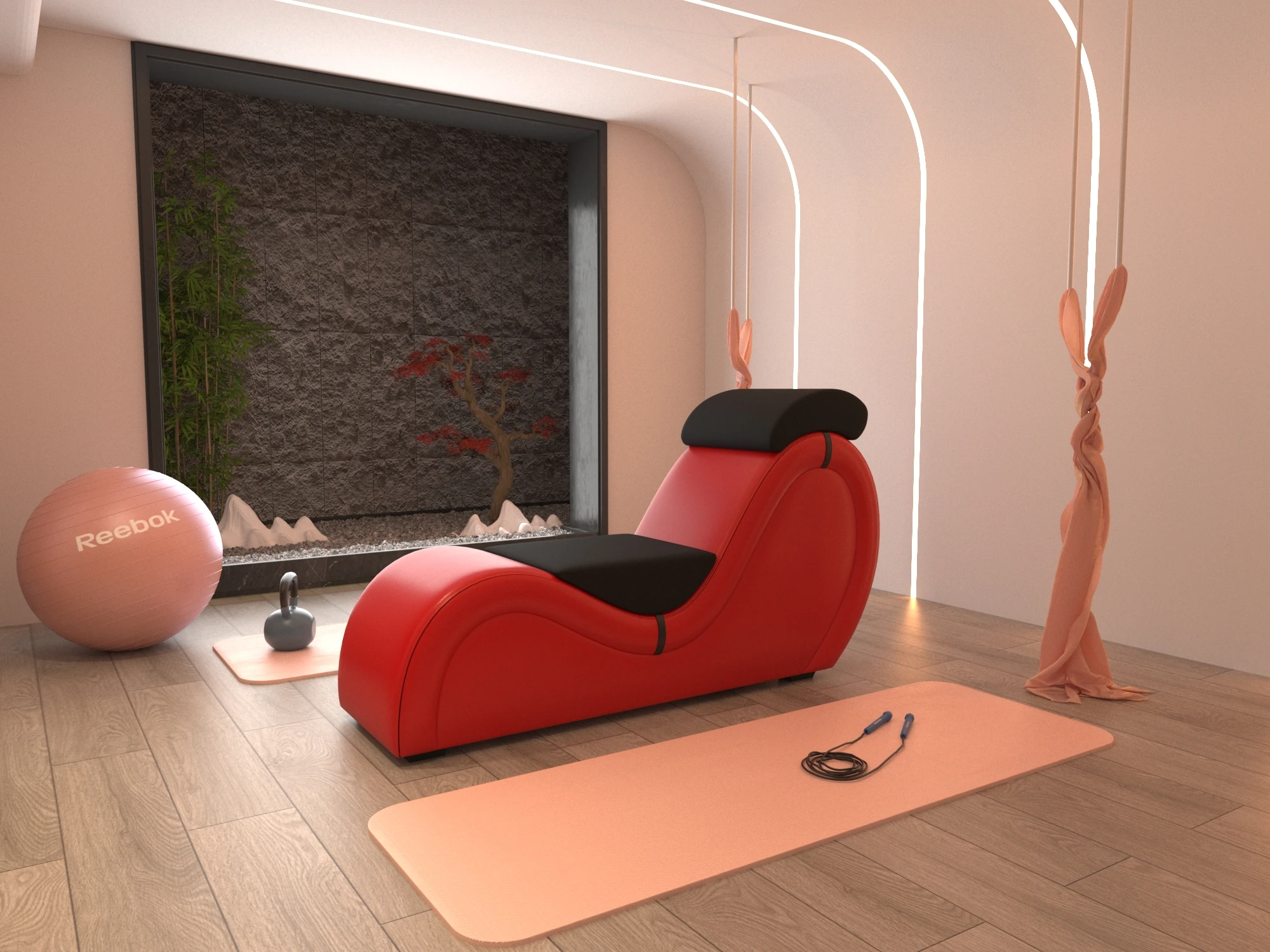
The characteristic silhouette of an intimacy lounge chair typically features a dual-arc or S-curve profile. Originally popularized by architectural designs such as the Tantra chair—conceived by AJ Vitar in 2003—this form factor relies on specific geometric proportions:
- Pelvic Incline: The primary curve provides an elevated slope (typically angled between 25 and 35 degrees), which automatically tilts the pelvis to align the spine, easing lower back pressure.
- Fulcrum Elevation: The central dip and crest system acts as a mechanical lever, allowing users to shift body positions fluidly without needing to lift full body weight manually.
- Leg and Thigh Support: The lower arc accommodates the natural bend of the knees and thighs, stabilizing the lower body during prolonged use and preventing leg numbness or cramping.
Ergonomic Comparison with Standard Seating
Standard living room accent chairs, recliners, and chaises are built for upright posture or linear lounging. Their flat or right-angled cushions exert targeted pressure on the coccyx and lumbar spine when forced into non-traditional positions. An intimacy chair distributes body mass evenly along its contoured surface, minimizing joint friction and strain on the knees, wrists, and core muscles.
Materials, Construction, and Durability Standards
Because an intimacy chair experiences dynamic physical force, multi-directional weight shifts, and exposure to friction and moisture, its material construction must exceed standard domestic furniture specifications.
| Layer | Material / Specification |
|---|---|
| Top Surface | Commercial-Grade PU Leather / Silicone Upholstery |
| Barrier | Impermeable Fluid Cushion Barrier (TPU / Vinyl) |
| Comfort Layer | High-Resilience Polyurethane Foam (3.0+ lb/cu.ft) |
| Support Layer | High-Density Bonded Base Foam |
| Core Frame | Kiln-Dried Hardwood or Welded Tubular Steel Frame |
Frame Engineering and Load Ratings
High-end intimacy chairs employ structural frameworks designed to withstand high dynamic loads rather than static seating weight alone:
- Kiln-Dried Hardwood: Frames constructed from kiln-dried maple, beech, or birch resist warping and structural creaking under pressure. Internal joinery usually relies on double-dowelled, corner-blocked joints glued and screwed at all stress points.
- Welded Steel Sub-Structures: Modern minimalist variants often incorporate internal structural steel skeletons or exposed tubular stainless-steel frames. These designs maintain a slim visual profile while supporting dynamic loads exceeding 800 to 1,000 pounds (360–450 kg).
- Engineered Plywood Panels: Multi-ply hardwood veneers shaped using high-pressure steam molding form seamless, flexible curves that absorb energy without cracking.
Cushioning and Foam Density Requirements
Comfort and longevity depend directly on foam layering. Low-grade polyurethane foam degrades quickly, bottoming out against the rigid frame during intense use. Superior chairs utilize a multi-density layering strategy:
- Base Support Layer: High-density reconstituted or bonded foam (density rating of 2.8 to 3.5 lb/cu.ft) forming the bottom 2–3 inches to prevent compression down to the frame.
- Comfort Transition Layer: High-resilience (HR) polyurethane foam (2.0 to 2.5 lb/cu.ft) offering elasticity and push-back support.
- Surface Comfort Layer: High-density memory foam or gel-infused latex (1–2 inches) that contours to pressure points without trapping excessive body heat.
Upholstery Performance and Fluid Resistance
Upholstery selection must balance tactile luxury with rigorous hygiene requirements. Traditional fabrics like un-treated cotton or thin polyester absorb fluids and harbor odors, making them unsuitable. Preferred materials include:
- Commercial-Grade Polyurethane (PU) Leather: Soft to the touch, breathable, and highly resistant to hydrolysis (breakdown from moisture). It tolerates frequent sanitization with alcohol-free disinfectant wipes.
- Silicone Leather: Premium environmental alternative offering extreme stain resistance, hypoallergenic properties, and zero chemical off-gassing. Silicone leather resists liquids without requiring chemical coatings.
- Fluid-Resistant Velvets and Microfibers: Formulated with embedded hydrophobic backings (such as Crypton or Nanotex treatments), allowing soft woven fabrics to repel water- and oil-based liquids while preserving a cozy aesthetic.
Integrating the Sex Lounge Chair into Contemporary Interior Aesthetics
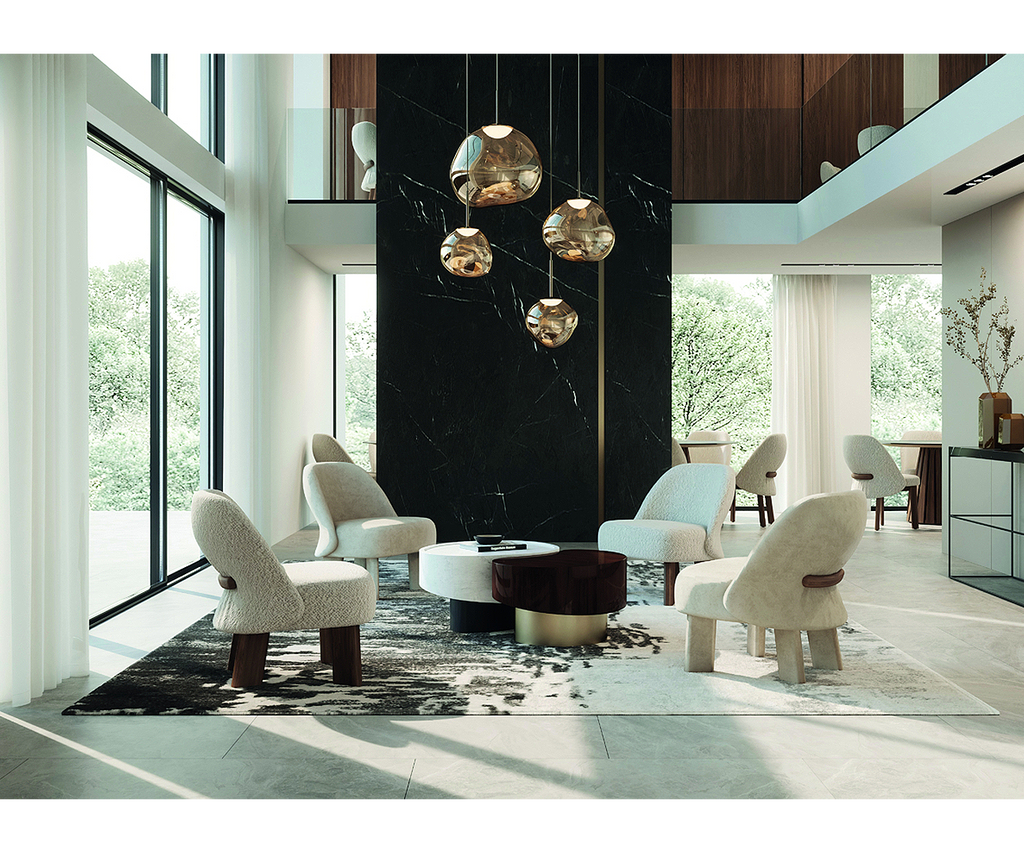
A major challenge for homeowners and interior designers is incorporating an intimacy lounge into a modern room without making it look out of place or overtly explicit. Through intentional architectural pairing and thoughtful styling, the chair can function as an elegant sculptural accent piece.
- Recessed Architectural Niche
- Curved Wave Lounge Chair
- Plush Throw
- Textured Area Rug
- Wall Sconce
- Curved Wave Lounge Chair
Styling Across Design Styles
- Minimalist & Modernist: Select a streamlined S-curve chair with exposed polished chrome or matte black steel legs. Neutral monochromatic colors—such as soft cream, slate gray, or deep charcoal—allow the chair to read visually as a mid-century accent or modern sculptural bench.
- Japandi & Organic Modern: Choose warm wood trim (such as natural oak or walnut) paired with beige, sand, or bouclé-textured fluid-resistant upholstery. Position the piece alongside organic elements like potted ficus trees, stone side tables, and linen drapery.
- Contemporary Glamour: Opt for rich jewel tones—navy blue, forest green, or burgundy—in moisture-resistant velvet with brass or champagne-gold base accents. Pair the lounge with dimmable ambient lighting and heavy drapery to build a luxurious boutique hotel atmosphere.
Concealment and Visual De-emphasis Techniques
For spaces accessible to guests, housekeepers, or family members, discrete design choices help preserve privacy:
- Drapery Cover-Ups: Custom-tailored fabric slipcovers, quilted throws, or folded cashmere blankets can be draped across the center dip, breaking up the distinctive S-curve silhouette so it resembles a standard modern reading chaise.
- Architectural Placement: Position the chair within a recessed niche, behind a freestanding privacy screen, or around a partition wall within the master suite. This prevents a direct sightline from the bedroom doorway.
- Accent Styling: Place an oversized floor lamp, a small side table holding books, and decorative throw pillows on the chair when not in use. Converting the lounge into an active reading corner neutralizes its primary visual cues.
Spatial Planning, Sightlines, and Acoustic Privacy
Proper room layout ensures the intimacy lounge is functional, structurally stable, and private.
- Master Bedroom Entrance (No Direct Line of Sight)
- King Size Bed
- Decorative Screen / Divider
- Intimacy Lounge Zone
- 36" Perimeter Clearance
- Acoustic Wall Panels Behind
Clearance and Traffic Flow
An intimacy chair requires more clear floor area than a static accent chair due to movement during use:
- Perimeter Clearance: Maintain a minimum of 30 to 36 inches (75 to 90 cm) of clear walkways on both long sides of the chair to allow for fluid movement and entry/exit.
- Head and Base Clearance: Keep at least 24 inches (60 cm) clear at the head and foot of the lounge to avoid bumping into adjacent walls, nightstands, or wardrobes.
- Floor Stability: Place the chair on a high-friction, non-slip area rug (backed with natural rubber) over hardwood or tile floors to prevent the frame from sliding under dynamic lateral force.
Acoustic Isolation Strategies
Sensual furniture integration often benefits from deliberate room acoustics design to control sound transmission:
- Damping Surfaces: Install heavy acoustic drapery (300+ GSM velvet or double-lined linen) across windows and accent walls to absorb mid- to high-frequency sounds.
- Wall Paneling: Incorporate architectural wood slat panels lined with acoustic felt behind the head of the chair. This enhances room aesthetics while reducing echo.
- Sub-Floor Isolation: Use high-density felt carpet underlays beneath area rugs to dampen structural footfalls and vibrations from movement.
Comparative Evaluation: Intimacy Lounges vs. Traditional Accent Furniture
The following table compares dedicated intimacy lounges with standard modern furniture alternatives across key structural and aesthetic criteria:
| Furniture Type | Primary Ergonomic Angle | Fluid/Stain Resistance | Dynamic Weight Capacity | Visual Concealment Level | Dual-Use Versatility |
|---|---|---|---|---|---|
| Intimacy Wave Lounge | Dual S-Curve (25°–35° pelvic incline) | High to Exceptional (PU/Silicone/Treated) | 800 – 1,000+ lbs | Moderate (Requires styling) | Moderate (Reading, stretching, lounging) |
| Classic LC4 Style Chaise | Fixed single curve (15° recline) | Low to Moderate (Standard leather/fabric) | 250 – 350 lbs | High (Recognized iconic furniture design) | High (Reading, reclining) |
| Ergonomic Power Recliner | Adjustable linear recline (0°–45°) | Low to Moderate (Woven upholstery) | 300 – 400 lbs | Very High (Standard living room furniture) | High (TV viewing, sleeping) |
| Modular Ottoman Bench | Flat (0° incline) | Varies (Dependent on custom fabric choice) | 400 – 500 lbs | High (Indistinguishable from standard bench) | High (Footrest, casual seating, storage) |
Key Considerations Before Purchasing and Installing
Before buying an intimacy lounge chair, evaluate structural specs, room layout, and maintenance details.
Delivery and Architectural Access
Intimacy lounges feature solid, unbending frames with continuous curves. Unlike modular sofas, many models cannot be disassembled:
- Doorway Widths: Measure all interior doorways, hallways, and stairwell landings. Most wave lounges require an interior door width clearance of at least 28 to 32 inches, depending on whether the chair can be turned on its side.
- Staircase Angles: Ensure tight spiral staircases or low-ceiling landings can accommodate the chair's full length (typically 60 to 72 inches).
- Weight Considerations: Heavy solid-wood or steel-frame chairs weighing over 100 pounds (45 kg) may require white-glove inside delivery team assembly.
Hygienic Maintenance Protocols
Proper maintenance extends the life of upholstery and keeps materials sanitary:
- Immediate Moisture Management: Wipe away moisture after use with a clean microfiber cloth. Never leave liquids to pool on stitched seams.
- Sanitization Routines: Clean PU or silicone leather surfaces using mild dish soap diluted in warm water or specialized, alcohol-free faux leather cleaners. Avoid harsh solvents, bleach, or acetone, which break down protective top coatings and cause cracking over time.
- Fabric Protection Treatments: Re-apply hydrophobic fabric protection sprays annually to woven velvet or microfiber upholstery to maintain stain resistance.
Frequently Asked Questions
Is an intimacy lounge chair comfortable for everyday activities like reading or watching TV?
Yes. The ergonomic S-curve offers excellent lumbar and leg support for reading, meditating, or using a laptop. Adding a high-density back cushion or decorative pillow allows users to sit upright comfortably for standard leisure activities.
How can I discretely disguise a sex chair when guests visit?
Place a luxury throw blanket over the central curve and pair it with decorative accent pillows to soften its silhouette. Positioning the chair in a private master suite alcove or behind a decorative floor screen keeps it out of direct sight from main living areas.
What is the ideal room size required for a wave lounge chair?
An intimacy chair typically measures 60 to 72 inches long by 18 to 24 inches wide. To ensure adequate movement and comfort, plan for a dedicated room footprint of at least 8 feet by 5 feet (40 square feet) to maintain proper perimeter clearances.
Which upholstery material offers the best balance of luxury and durability?
Silicone leather and commercial-grade polyurethane (PU) leather provide the best balance. They deliver the premium feel of soft grain leather while offering non-porous fluid resistance, easy cleaning, and resistance to chemical cracking.
Can these chairs withstand heavy dynamic weight?
High-quality intimacy lounges built with kiln-dried hardwood or internal steel frames are rated for dynamic weight loads between 800 and 1,000 pounds. Always check the manufacturer's frame structural ratings before purchasing to ensure safety and stability.
Practical Recommendations for Interior Integration
When integrating an intimacy lounge into your home layout, begin by reviewing the structural dimensions of your bedroom or wellness space. Select a dedicated area out of the direct line of sight from primary entryways. Coordinate the upholstery fabric and finish with your existing color palette—choosing neutral tones for minimalist spaces or plush velvets for romantic interiors.
To complete the setup, anchor the lounge on a non-slip area rug, add dimmable ambient lighting, and style the chair with high-end throws. This transforms the lounge into a multi-functional sculptural feature that balances privacy, visual appeal, and physical comfort.
Image Gallery