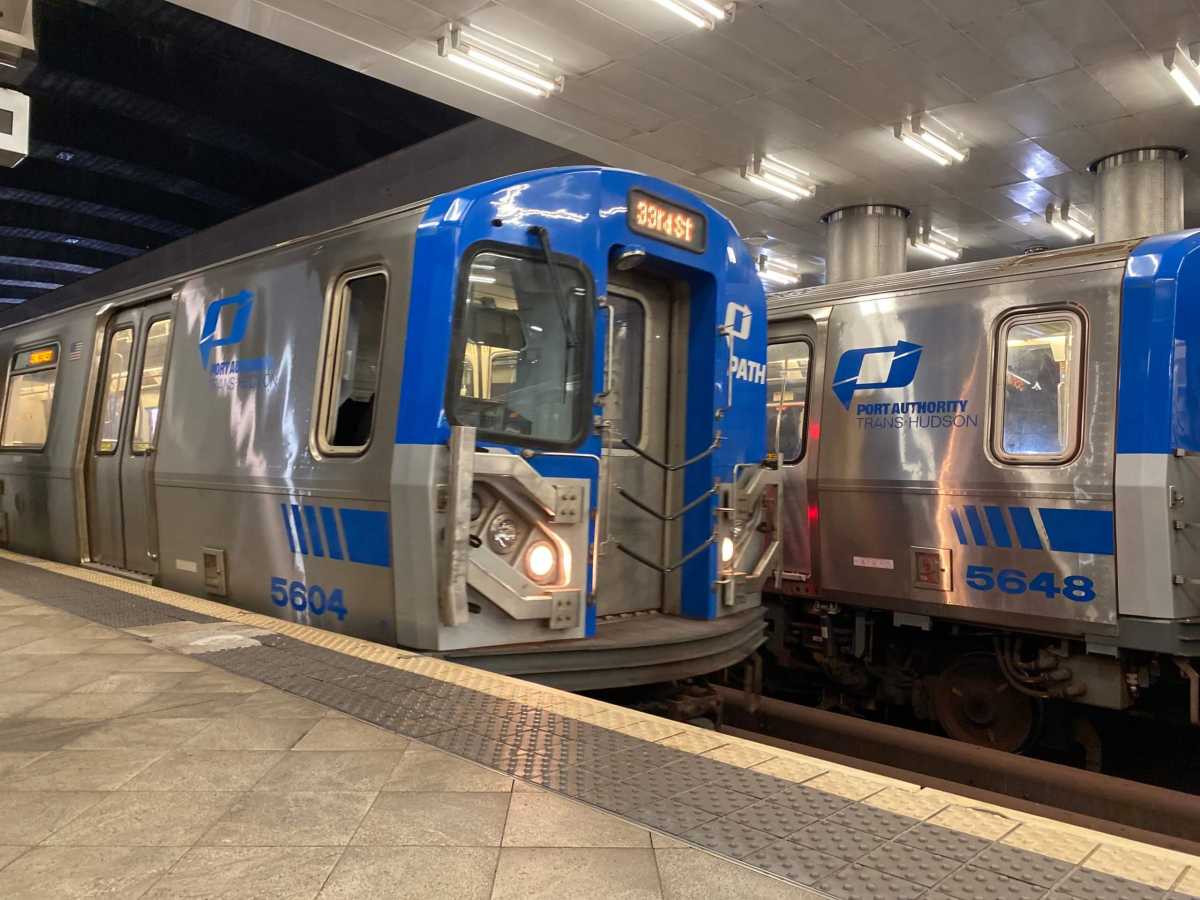
Navigating PATH Trains in New Jersey: Complete 2026 Commuter and Traveler Guide
The Port Authority Trans-Hudson (PATH) rail system operates 24/7, providing vital rapid transit links between New Jersey municipalities such as Newark, Harrison, Jersey City, and Hoboken, and New York City destinations including Manhat...
The Port Authority Trans-Hudson (PATH) rail system operates 24/7, providing vital rapid transit links between New Jersey municipalities such as Newark, Harrison, Jersey City, and Hoboken, and New York City destinations including Manhattan. Navigating this network requires understanding station layouts, fare payment methods using SmartLink or MetroCard, and peak versus off-peak scheduling rules for seamless cross-river travel.
Contents
Understanding the PATH Train Network Architecture and New Jersey Terminals
The PATH system functions as an indispensable economic and social bridge, moving hundreds of thousands of daily commuters beneath the Hudson River. For travelers starting in New Jersey, mastering the layout and routing of the western termini is essential for avoiding missed connections or unexpected transfers, particularly during late-night or weekend service modifications.
Newark Penn Station and Harrison
As the westernmost terminal for the Newark-to-World Trade Center line, Newark Penn Station acts as a massive multi-modal transportation hub. Passengers can transfer between NJ Transit commuter rail, Amtrak, local light rail, and bus services. The PATH platforms are clearly marked, and trains depart frequently toward Jersey City and Manhattan. Harrison Station, situated just east of Newark Penn, serves a heavily revitalized residential zone and provides direct access to Red Bull Arena.
Journal Square and the Central Jersey City Hubs
Journal Square serves as a major operational core for the PATH network. Commuters traveling from the west often utilize Journal Square as a transfer point depending on their final destination. The station connects the Newark-WTC line with the Journal Square-33rd Street line (which operates via Hoboken on weekends). Surrounding stations like Grove Street and Newport anchor dense urban neighborhoods in downtown Jersey City, featuring high-frequency service and heavy pedestrian volumes during peak rush hours.
Hoboken Terminal
Hoboken Terminal is a grand historic transportation facility that anchors the northern arm of the New Jersey PATH network. It offers two distinct services: the Hoboken-to-33rd Street line and the Hoboken-to-World Trade Center line (operating on weekdays only). Commuters here can seamlessly connect to NJ Transit commuter trains, the Hudson-Bergen Light Rail, New York Waterway ferries, and numerous bus lines, making it one of the most versatile transit nodes in the region.
Fare Payment Systems, SmartLink, and Ticketing Rules
Modernizing fare collection remains a top priority for the Port Authority of New York and New Jersey. Navigating ticket barriers requires understanding the accepted payment media, single-ride options, and multi-trip discount structures.
- SmartLink Cards: The reloadable contactless smart card designed specifically for PATH. Users can load single-trip tickets, 10-trip discounted passes, or 30-day unlimited passes onto the card via station kiosks or the official website.
- MetroCard Integration: Traditional MTA MetroCards are widely accepted at all PATH turnstiles. Commuters can use Pay-Per-Ride balances, though unlimited MetroCards (such as 7-day or 30-day passes) are not valid on PATH trains and require a separate fare deduction.
- Contactless Credit and Debit Cards / Mobile Pay: Station turnstiles feature tap-and-go validators supporting Apple Pay, Google Pay, Samsung Pay, and contactless credit or debit cards, charging the standard single-ride fare directly.
- Single-Ride Paper Tickets: Available at station ticket vending machines, these tickets are valid for a single trip and must be inserted into turnstile slots correctly to avoid damage or rejection.
| Fare Media Type | Best Suited For | Expiration Rules | Reloadable? |
|---|---|---|---|
| Contactless / Tap-and-Go | Casual riders, tourists, infrequent travelers | None | N/A |
| SmartLink 10-Trip | Regular weekday commuters | Typically expires after 1 year from purchase | Yes |
| SmartLink 30-Day Pass | Daily commuters traveling 5+ days a week | Valid for 30 consecutive calendar days from first use | Yes |
| MetroCard Pay-Per-Ride | MTA riders utilizing existing card balances | Expires based on MTA printed date | Yes |
Operating Schedules, Line Configurations, and Peak Versus Off-Peak Travel
Unlike many commuter rail systems that shut down overnight, PATH operates continuously, 24 hours a day, 365 days a year. However, route patterns shift dramatically between peak weekday rush hours and off-peak, evening, or weekend periods.
Weekday Peak Hour Service Patterns
During morning (roughly 6:00 AM to 10:00 AM) and evening (4:00 PM to 8:00 PM) peak windows, PATH runs dedicated, high-frequency lines designed to minimize transfers and maximize passenger throughput:
- Newark to World Trade Center (NWK-WTC): Operates directly between Newark Penn Station and the World Trade Center in lower Manhattan.
- Journal Square to 33rd Street (JSQ-33): Operates directly between Journal Square and 33rd Street in midtown Manhattan, bypassing Hoboken.
- Hoboken to World Trade Center (HOB-WTC): Operates exclusively on weekdays, connecting Hoboken Terminal directly to lower Manhattan.
- Hoboken to 33rd Street (HOB-33): Operates directly between Hoboken Terminal and midtown Manhattan.
Weekend and Late-Night Modifications
When passenger volumes drop during late-night hours and weekends, the Port Authority consolidates routes to accommodate track maintenance and lower demand. During these windows, the Journal Square-33rd Street line typically reroutes via Hoboken, requiring passengers traveling through to experience a brief stop and direction change at Hoboken Terminal. Checking real-time service advisories before heading to the station prevents unexpected travel delays.
Step-by-Step Guide to Riding PATH Trains Successfully
Transitioning from a first-time visitor to a confident PATH rider involves mastering the physical flow of entering, boarding, and exiting the system.
- Check Service Status: Before leaving home, consult official Port Authority alerts or transit applications to verify that your specific line is running normally without weekend track work diversions.
- Select Your Fare Option: Approach the station turnstiles with a loaded SmartLink card, a contactless credit card, a smartphone wallet, or a valid single-ride paper ticket.
- Pass Through Turnstiles: Tap your card or device on the illuminated target, or insert your paper ticket into the slot. Wait for the green arrow and push through the revolving gate.
- Verify Platform Destinations: Once inside the station paid area, check overhead digital signage and track displays to confirm that the arriving train matches your intended Manhattan or New Jersey terminal.
- Board Safely: Stand behind the yellow safety line on the platform. Allow detraining passengers to exit fully before stepping onto the railcar.
- Navigate Transfers if Necessary: If your journey requires a transfer (such as moving from a local New Jersey branch to a Manhattan-bound trunk line), follow signage to the correct connecting platform.
Comparing PATH Trains with Alternative Trans-Hudson Commuter Options
Travelers commuting between New Jersey and New York City have multiple transit modalities at their disposal. Evaluating PATH against NJ Transit trains, buses, and ferries highlights distinct operational trade-offs.
- PATH vs. NJ Transit Commuter Rail: NJ Transit trains offer one-seat rides from deep into suburban New Jersey directly to New York Penn Station, but they operate on fixed, less frequent schedules and shut down overnight. PATH offers 24/7 high-frequency urban transit centered on Jersey City, Hoboken, and Newark.
- PATH vs. Trans-Hudson Buses: Express buses operated by private carriers and NJ Transit provide point-to-point service through the Lincoln and Holland Tunnels. However, buses are highly vulnerable to catastrophic highway traffic congestion, whereas PATH operates on an independent subterranean rail right-of-way.
- PATH vs. Ferries: New York Waterway ferries offer scenic, comfortable rides across the Hudson River with premium seating and excellent views. They are significantly more expensive than PATH's flat-rate fare and are subject to weather conditions.
Troubleshooting Common Commuter Challenges and Service Disruptions
Even with a robust operational framework, unexpected delays, mechanical issues, or signal problems can occur. Knowing how to handle disruptions ensures a smoother commute.
- Cross-Honor Agreements: During major system suspensions or emergencies, the Port Authority frequently establishes cross-honoring agreements with NJ Transit, NY Waterway ferries, or local bus operators. Listen closely to station public address announcements for instructions on alternate boarding points.
- Lost SmartLink Cards: Registered SmartLink cards can have their remaining balances protected and transferred if lost or stolen. Users should immediately log into their online account to report missing cards.
- Turnstile Errors: If a contactless card or SmartLink fails to register, try an alternate validator at the same bank of turnstiles. Station agents stationed in kiosks can assist with damaged paper tickets or magnetic stripe read errors.
Frequently Asked Questions About PATH Trains in New Jersey
How much is a single-ride PATH train fare?
The standard single-ride fare is $2.75, which can be paid using SmartLink cards, MetroCards, or contactless tap-and-go credit, debit, and mobile payment devices.
Are PATH trains running 24 hours a day?
Yes, PATH operates 24 hours a day, 7 days a week, 365 days a year, though late-night and weekend headways are longer and may involve line consolidations or track maintenance rerouting.
Can I use an unlimited MTA MetroCard on PATH trains?
No, unlimited MTA MetroCards (such as 7-day or 30-day passes) are not accepted on PATH trains. You must use Pay-Per-Ride balances on a MetroCard, a PATH SmartLink card, or a contactless payment method.
Which PATH stations offer direct service to the World Trade Center?
Direct service to the World Trade Center is available from Newark Penn Station, Harrison, Journal Square, Grove Street, Newport, and Hoboken (weekdays only).
How do I check real-time PATH train arrival times?
Travelers can check real-time arrival schedules via the official RidePATH mobile application, digital countdown clocks installed on station platforms, or transit tracking websites.
Practical Commuter Recommendation
To optimize your daily transit experience across the New Jersey-New York corridor, download the official RidePATH app and secure a reloadable SmartLink card if you commute regularly. Always monitor weekend service notices before traveling to ensure you account for scheduled track maintenance windows.
Image Gallery