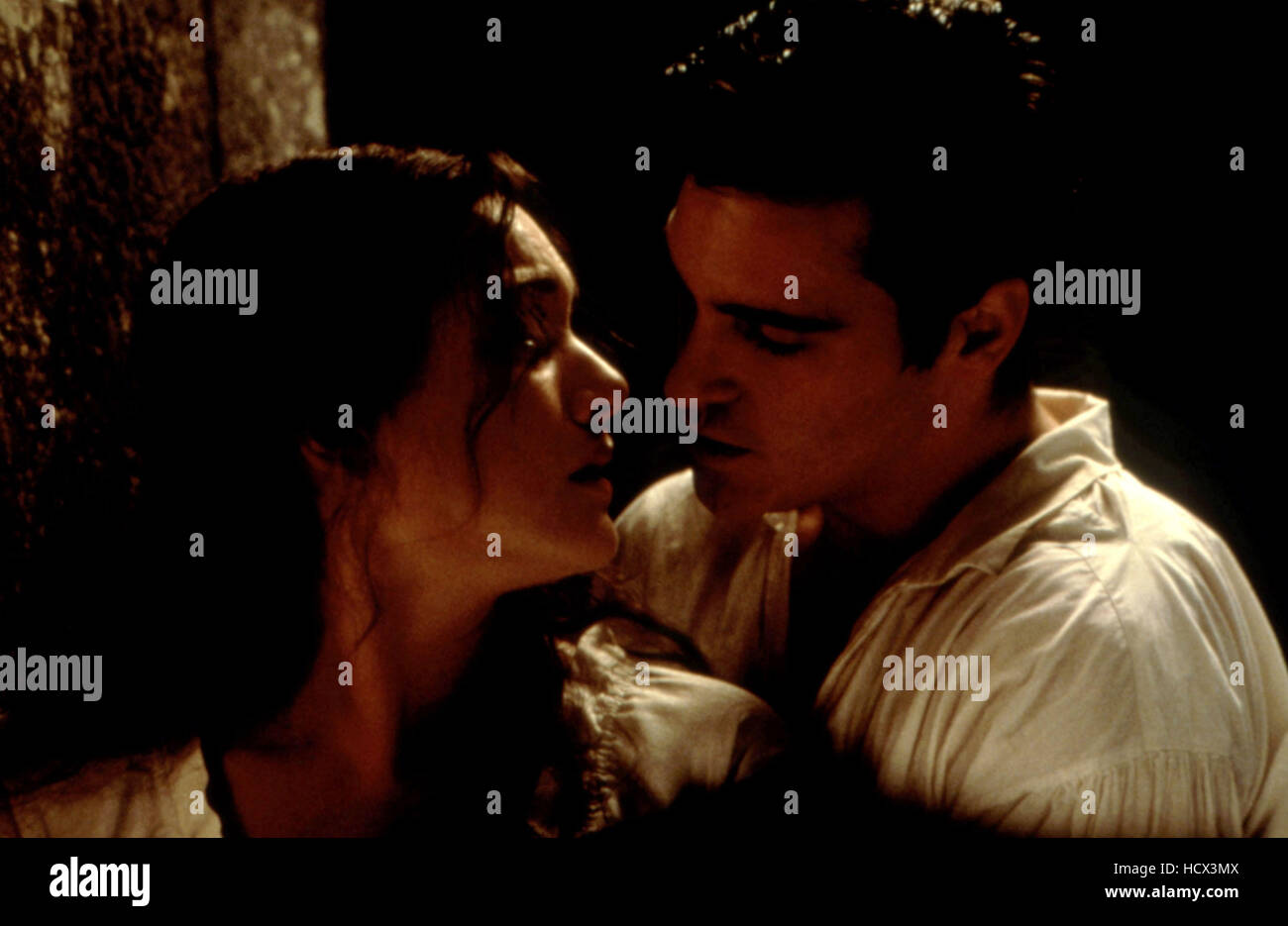
Joaquin Phoenix in Quills: Character Analysis, Career Impact, and Historical Context
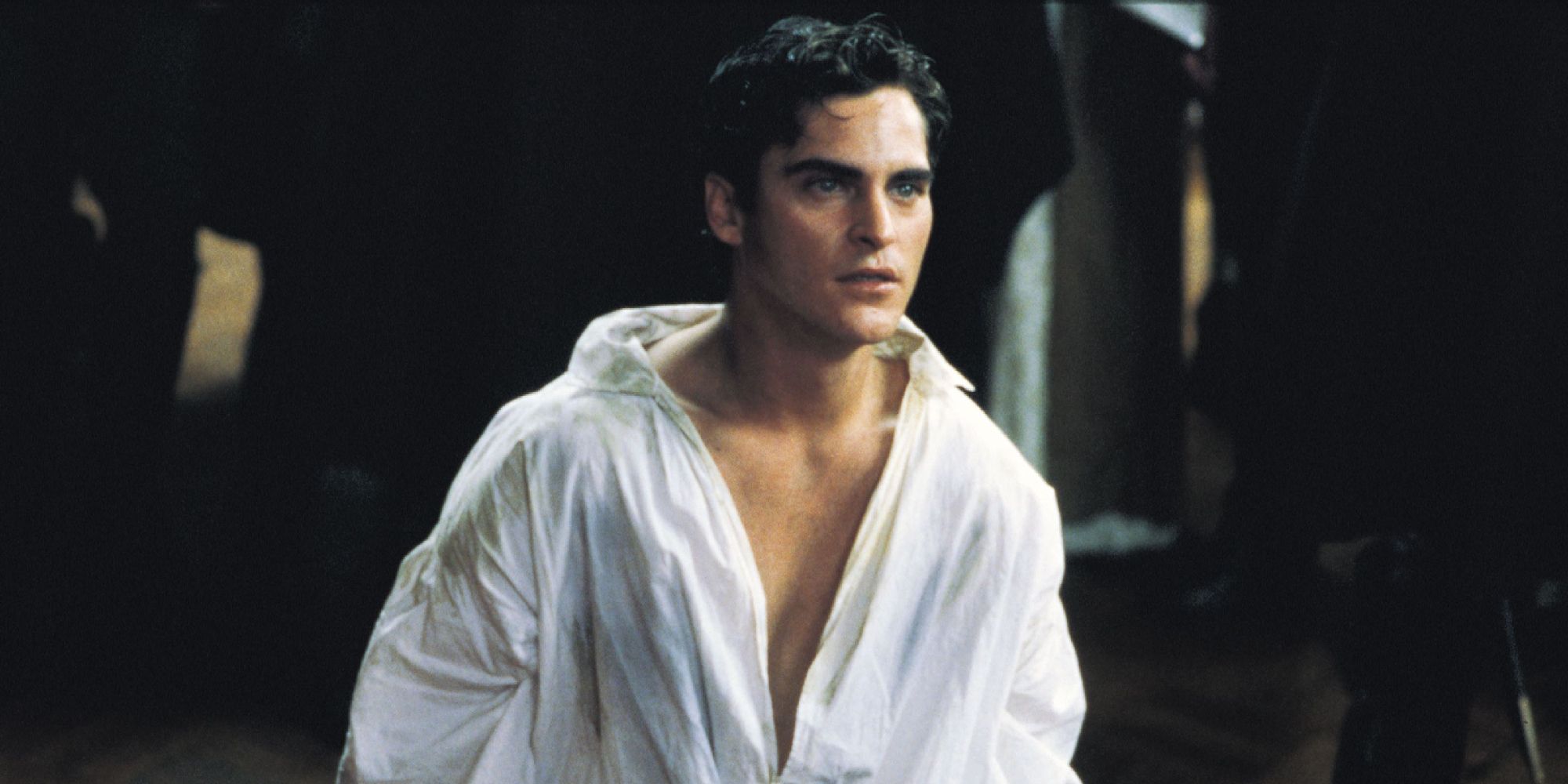
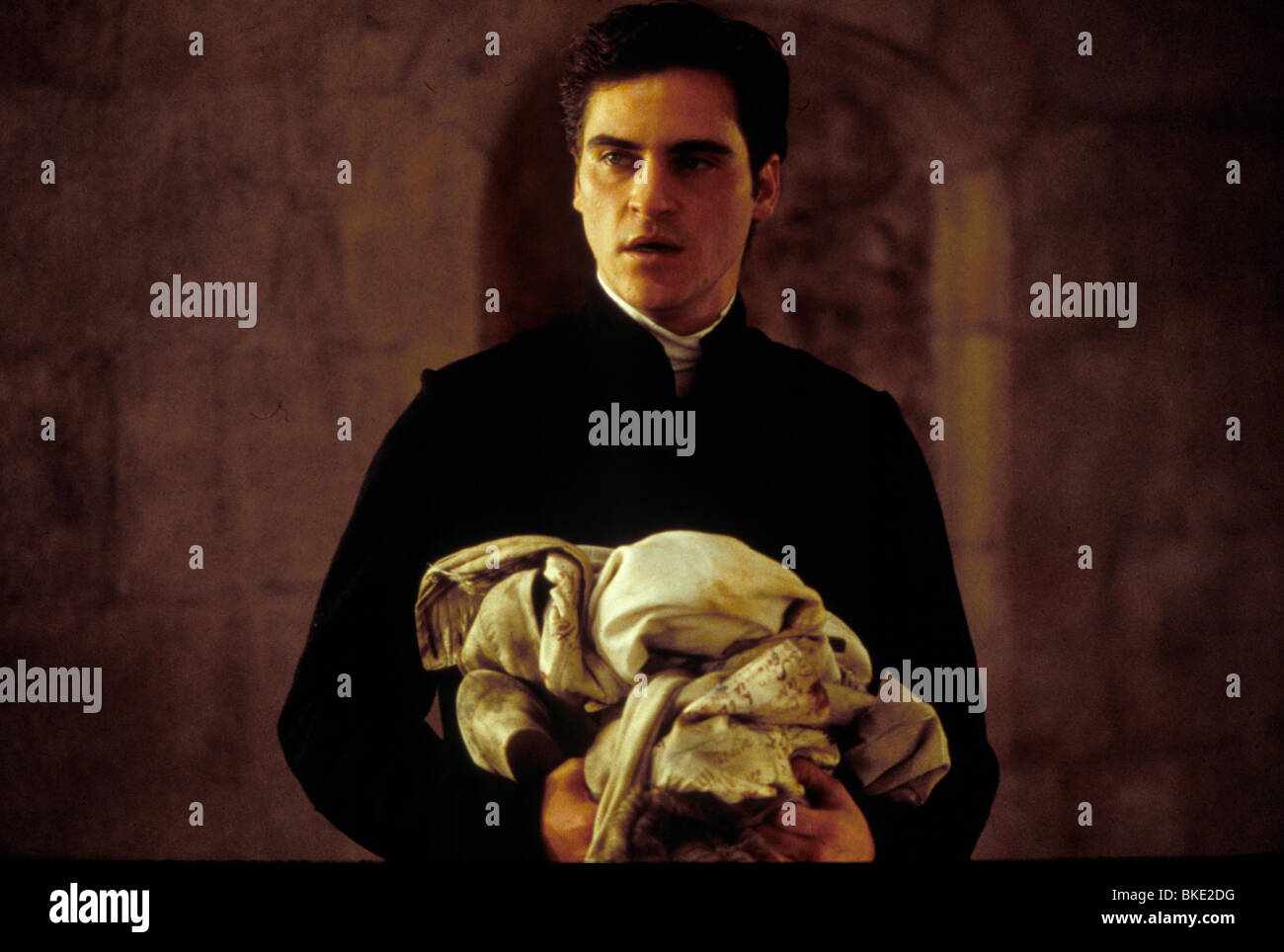
In Philip Kaufman’s 2000 period drama Quills, Joaquin Phoenix delivers a pivotal performance as the Abbé de Coulmier, a compassionate priest managing the Charenton asylum. Phoenix captures the tragic collision between religious devotio...
In Philip Kaufman’s 2000 period drama Quills, Joaquin Phoenix delivers a pivotal performance as the Abbé de Coulmier, a compassionate priest managing the Charenton asylum. Phoenix captures the tragic collision between religious devotion, human desire, and institutional authority, portraying a gentle reformer who becomes consumed by the chaotic force of the Marquis de Sade.
Contents
Overview of Quills and Joaquin Phoenix’s Role as Abbé Coulmier
Released in late 2000, Quills is a cinematic adaptation of Doug Wright’s Obie Award-winning play, directed by Philip Kaufman. The film presents a stylized, highly dramatized account of the final years of the infamous Marquis de Sade (played by Geoffrey Rush) during his confinement at the Charenton psychiatric asylum outside Paris.
At the heart of the narrative stands Joaquin Phoenix as the Abbé François-Simonnet de Coulmier, the director of the asylum. Unlike the harsh penal figures of the era, the film’s Abbé believes in humanitarian treatment, progressive therapy, and redemption. He allows the Marquis to write stories as a therapeutic outlet, underestimating how de Sade’s subversive, explicitly erotic prose will destabilize the asylum, provoke the Napoleonic authorities, and disrupt Coulmier’s own psychological and moral equilibrium.
Phoenix's portrayal serves as the moral center of the film. While Geoffrey Rush delivers an incandescent, deliberately theatrical performance as de Sade, Phoenix provides the essential emotional anchor. His character must navigate a complex landscape of spiritual responsibility, hidden human desires, and escalating conflict with both civil authorities and his own conscience.
Character Breakdown: The Internal Conflict of Abbé François de Coulmier
- Religious Idealism & Humanitarian Therapy
- Abbé François de Coulmier
- Temptation/Repression: Madeleine LeClerc
- Ideological Tension: Marquis de Sade & Dr. Royer-Collard
- Abbé François de Coulmier
Moral Idealism vs. Repressed Passion
The tragic arc of Abbé Coulmier relies entirely on the tension between spiritual vows and suppressed human passions. Phoenix plays Coulmier not as a hypocrite, but as an intensely sincere man who desperately wishes to remain pure. His affection for the asylum laundress, Madeleine "Maddy" LeClerc (played by Kate Winslet), is innocent yet deeply romantic, standing in direct contrast to the explicit sexual libertinism championed by the Marquis de Sade.
As the story progresses, the censorship imposed by the state forces Coulmier into increasingly impossible dilemmas. When Dr. Royer-Collard (Michael Caine) arrives to enforce draconian punishment and silence de Sade, Coulmier attempts to protect his inmate. However, as de Sade's influence spreads and tragedy strikes Madeleine, Coulmier’s psychological restraint shatters. Phoenix portrays this descent into grief and madness with raw emotional vulnerability, shifting from a calm, soft-spoken man of faith to a broken victim of the very system he sought to reform.
Counterbalancing Geoffrey Rush, Kate Winslet, and Michael Caine
Quills is structured around four contrasting ideological poles represented by its lead actors:
- Geoffrey Rush (The Marquis de Sade): Unfiltered self-expression, radical individualism, and hedonistic chaos.
- Michael Caine (Dr. Royer-Collard): Cold authoritarianism, moral hypocrisy, and state-sanctioned violence.
- Kate Winslet (Madeleine LeClerc): Innocent curiosity, youthful spirit, and the bridge between the Marquis's art and the outside world.
- Joaquin Phoenix (Abbé Coulmier): Compassionate reform, moral conscience, and spiritual restraint.
Phoenix’s performance requires immense control. Acting opposite Rush’s bombastic theatricality and Caine’s chilling tyranny, Phoenix relies on subtle physical acting—lowered gazes, tense posture, and expressive eye movement—to communicate internal anguish. His chemistry with Winslet gives the film its tragic heart, making Coulmier’s ultimate downfall far more heartbreaking.
Quills vs. Historical Reality: Fact vs. Fiction
While Quills uses historical figures, Doug Wright’s screenplay takes substantial dramatic liberties with the actual history of Charenton and the real Abbé François-Simonnet de Coulmier. Understanding these historical departures clarifies the artistic choices made by the filmmakers and Phoenix.
| Historical Dimension | Real History (Late 18th/Early 19th Century) | Film Depiction in Quills (2000) |
|---|---|---|
| Abbé Coulmier's Profile | A short, physically disabled man of modest origins who served as an administrator. | A young, physically robust, deeply romantic priest played by Joaquin Phoenix. |
| Treatment of de Sade | Coulmier indulged de Sade extensively, permitting him to stage elaborate plays with inmates and patients. | Coulmier permits writing initially, but gradually revokes privileges under government pressure. |
| Relationship with Maddy | Madeleine LeClerc was a young girl living at the asylum with whom de Sade had an actual affair. | Maddy is a laundry worker drawn to de Sade’s writing while sharing a mutual romantic tension with Coulmier. |
| Fate of Coulmier | Coulmier lived long after de Sade’s death in 1814, continuing his administrative work until forced out in 1814. | Coulmier suffers a complete mental collapse, ending up locked within the very asylum he once managed. |
| Dr. Royer-Collard | A prominent physician who criticized Coulmier's lenient methods through official reports. | An exaggerated, cruel antagonist who physically tortures inmates and brutalizes his young wife. |
The real Abbé de Coulmier was indeed a pioneer of early moral therapy—using music, theater, and social events to treat mental illness rather than chains and dark cells. However, the film transforms him into a tragic romantic hero to emphasize its core thematic conflict between art, morality, and censorship.
Key Themes: Censorship, Madness, and Institutional Repression
The Paradox of Censorship
A central theme of Quills is that censorship often amplifies the power of the forbidden work rather than destroying it. When Dr. Royer-Collard revokes the Marquis’s quills and ink, de Sade responds by writing on bedsheets with wine, on clothing with blood, and eventually by shouting stories through the asylum walls.
Abbé Coulmier is caught in the middle of this escalation. By attempting to enforce moderate boundaries to satisfy the state, he inadvertently contributes to a chaotic spiral that leads to violence. Phoenix portrays the tragedy of a moderate mediator caught in an era of extreme ideological polarization.
The Fragility of Sanity and Morality
Quills frequently poses the question of who is truly insane: the outrageous artist, the repressive doctor, or the priest who suppresses his own nature. Coulmier’s journey illustrates how forced moral suppression can lead to internal fracture. By denying his love for Madeleine and attempting to maintain absolute spiritual purity in a corrupt world, Coulmier's mind buckles under the strain of tragedy, demonstrating how extreme institutional purity can generate its own form of madness.
2000 as a Career Watershed for Joaquin Phoenix
The year 2000 was transformative for Joaquin Phoenix. Within a single twelve-month period, he released three major feature films that showcased his extraordinary range and established him as one of the leading actors of his generation:
- Gladiator (Dir. Ridley Scott): Phoenix played the villainous Emperor Commodus, earning an Academy Award nomination for Best Supporting Actor. His performance was petulant, terrifying, and deeply needy.
- The Yards (Dir. James Gray): Phoenix portrayed Willie Gutierrez, a charismatic yet morally compromised figure navigating corruption in New York's rail yard industry.
- Quills (Dir. Philip Kaufman): Phoenix played Abbé Coulmier, demonstrating gentleness, spiritual anguish, and intense moral crisis.
- 2000 Breakout Trilogy
- Gladiator (Imperious/Villainous)
- The Yards (Morally Ambiguous)
- Quills (Gentle/Tragic Moralist)
Comparing Commodus in Gladiator to Abbé Coulmier in Quills demonstrates Phoenix’s versatile acting technique. Where Commodus weaponized his insecurities through tyrannical power, Coulmier internalized his suffering through soft restraint and pious devotion. Critical reception across major trade publications highlighted Phoenix’s ability to anchor major ensemble casts alongside veteran performers like Michael Caine and Geoffrey Rush.
Frequently Asked Questions
Did Joaquin Phoenix win any awards for his performance in Quills?
While Joaquin Phoenix received widespread critical acclaim for his performance in Quills, his primary major award nomination in 2000 was the Academy Award for Best Supporting Actor for Gladiator. However, the Broadcast Film Critics Association recognized his collective work in 2000—including Quills, Gladiator, and The Yards—by awarding him Best Supporting Actor.
Is Quills historically accurate regarding the Marquis de Sade and Abbé Coulmier?
No, Quills is a heavily fictionalized allegory rather than a strict historical biopic. While the real Marquis de Sade was confined at Charenton under the directorship of Abbé Coulmier, many narrative details—including Coulmier’s youth, his tragic romantic subplot with Madeleine LeClerc, his violent descent into madness, and the gothic cruelty of Dr. Royer-Collard—were invented or exaggerated for theatrical effect by playwright Doug Wright.
Who directed Quills and wrote the screenplay?
Quills was directed by veteran filmmaker Philip Kaufman, known for directing The Right Stuff (1983) and The Unbearable Lightness of Being (1988). The screenplay was written by Doug Wright, who adapted his own 1995 stage play of the same name.
What is the central moral dilemma of Joaquin Phoenix's character in the film?
Abbé Coulmier’s central dilemma revolves around balancing his Christian faith and moral vows with his genuine belief in human liberty and progressive therapy. He is forced to choose between yielding to the brutal censorship of state authority (represented by Dr. Royer-Collard) or permitting the unchecked, provocative art of the Marquis de Sade, all while struggling against his repressed romantic feelings for Madeleine.
How does Quills end for Joaquin Phoenix's character?
Following the murder of Madeleine and the destruction of the asylum’s peaceful atmosphere, Abbé Coulmier suffers a total nervous breakdown. In the film’s ironic climax, Coulmier becomes an inmate within Charenton himself, driven to insanity by grief and guilt, while de Sade’s subversive writings continue to be secretly published and distributed across France.
Legacy and Impact of Phoenix's Performance
Joaquin Phoenix’s portrayal of Abbé Coulmier in Quills remains one of the most underrated performances of his early career. While Gladiator brought him blockbuster fame and mainstream prestige, Quills demonstrated his capacity for delicate emotional subtlety, quiet grace, and tragic vulnerability.
For viewers exploring Phoenix's extensive filmography, Quills provides an essential look at an actor mastering the art of understated conflict, serving as an ideological bridge in a film about the eternal battle between free expression and institutional tyranny.
Image Gallery