What Foundation Repair KY Costs Really Are: 2026 Price Guide
In 2026, most Kentucky homeowners can expect foundation repair costs to range between $4,500 and $18,000, with a state average of approximately $9,200. While minor crack repairs may cost as little as $600, major structural stabilizatio...
In 2026, most Kentucky homeowners can expect foundation repair costs to range between $4,500 and $18,000, with a state average of approximately $9,200. While minor crack repairs may cost as little as $600, major structural stabilization involving extensive piering or wall anchors can exceed $30,000 depending on soil conditions.
Contents
Understanding the true cost of foundation repair in Kentucky requires looking beyond a single estimate. The Bluegrass State presents unique geological challenges—specifically its karst topography and expansive clay soils—that directly influence repair methodology and pricing. For a homeowner in Louisville, Lexington, or Bowling Green, the "real" cost is a combination of labor, specialized hardware, engineering oversight, and the specific solution required to counteract shifting earth.
Why Kentucky Foundation Costs Vary by Region
Kentucky’s geography is not uniform, and foundation specialists price their services based on the difficulty of reaching stable load-bearing strata.
In Central Kentucky, including Lexington and the surrounding horse farms, the presence of limestone karst is a dominant factor. Karst landscapes are characterized by sinkholes and underground drainage systems. If a home is built over a limestone shelf that is eroding or has "pinnacles," contractors may have to drill deeper or use specialized grouting techniques, which can increase the price by 20% to 40% compared to standard installations.
Conversely, in Western Kentucky and parts of Northern Kentucky, expansive clay soils are more common. These soils swell when wet and shrink when dry, exerting massive hydrostatic pressure on basement walls. Repairs here often focus more on wall stabilization and internal drainage rather than just vertical piering. Because the labor involved in excavation and interior drainage (French drains) is intensive, the "real" cost often includes significant restoration work for finished basements.
Breakdown of Common Foundation Repair Methods and Prices
To understand what you will likely pay in 2026, it is helpful to break down costs by the specific technology used to fix the structure.
Piering and Underpinning
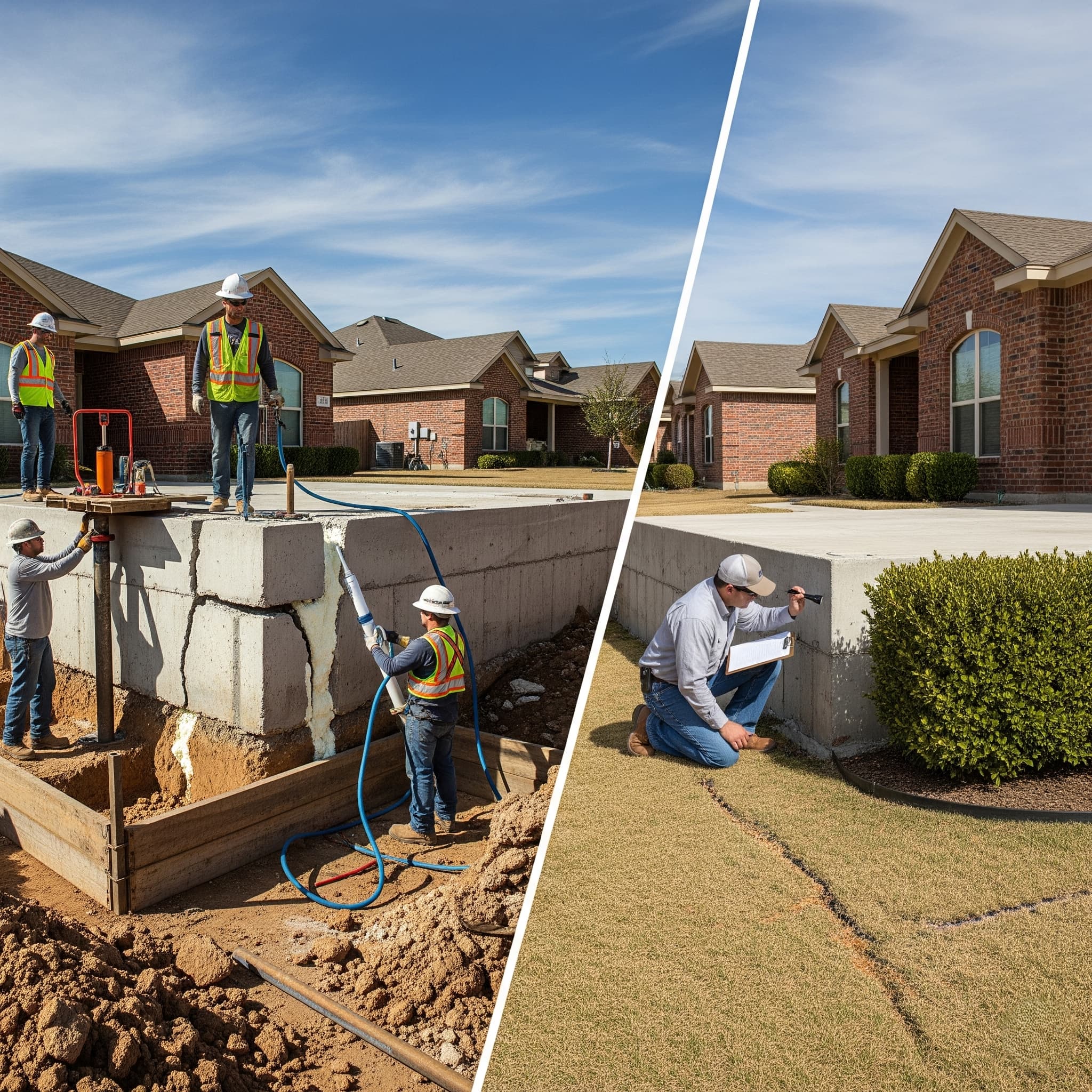
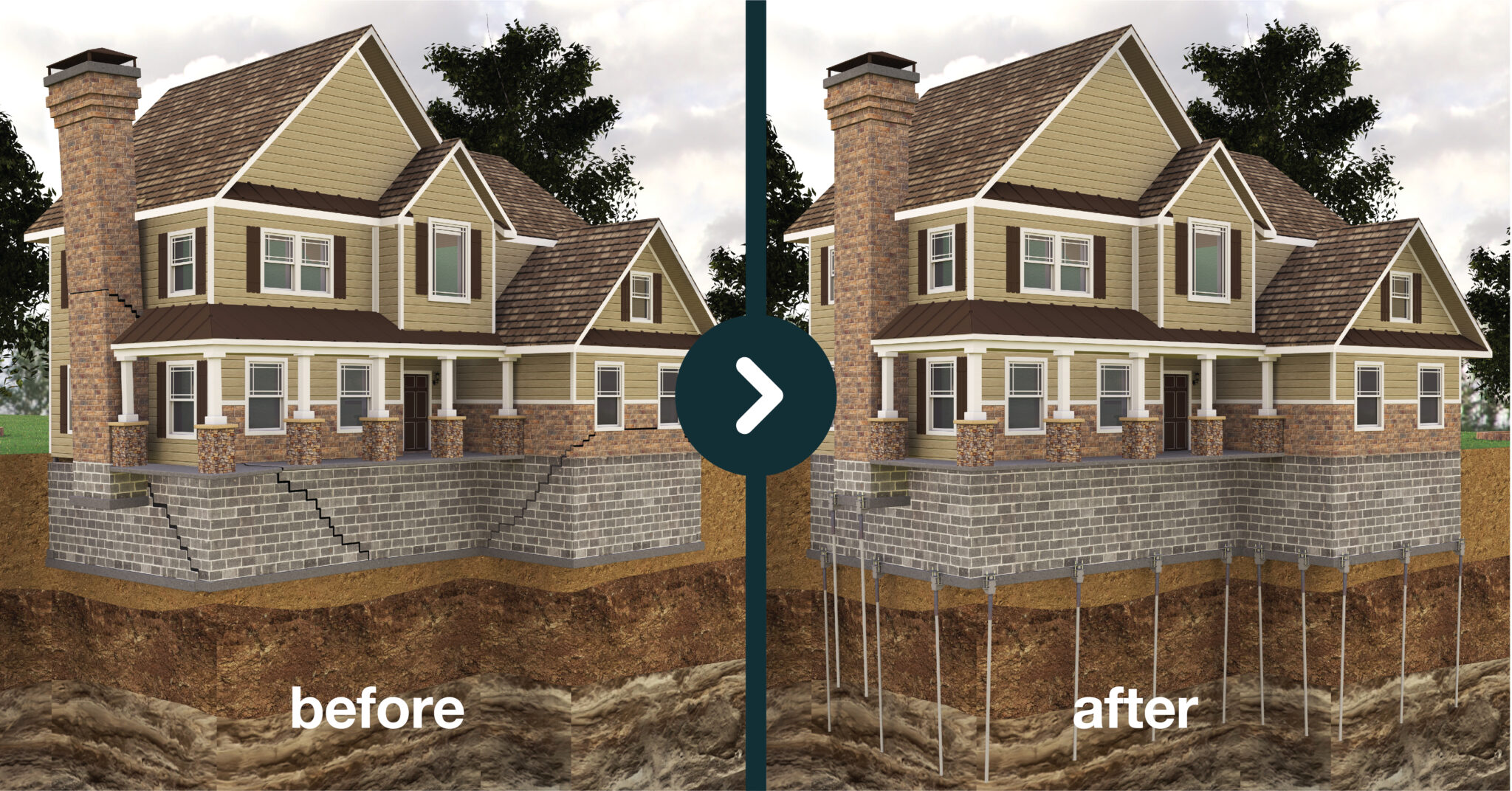
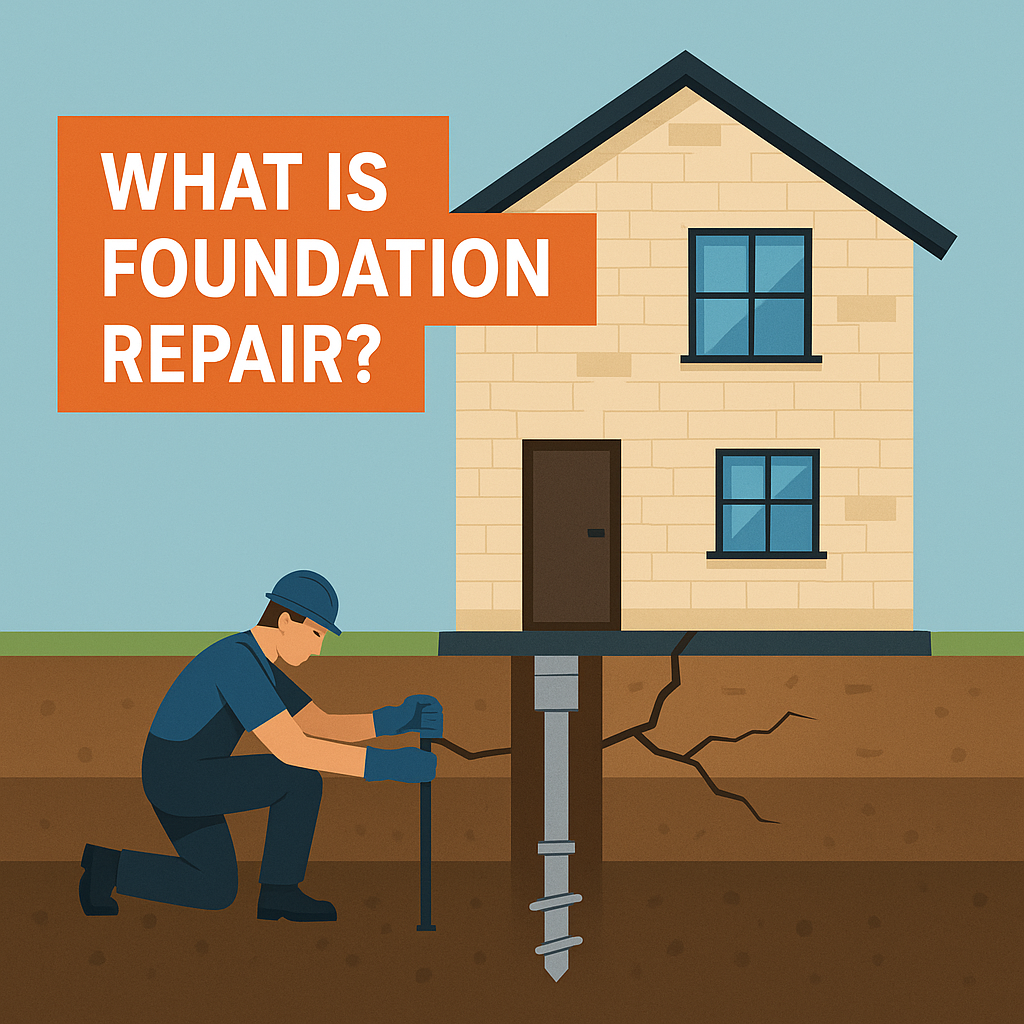
Piering is the most common solution for a settling foundation. This involves driving steel tubes deep into the ground until they hit stable bedrock or load-bearing soil.
- Push Piers: Typically cost between $1,200 and $2,100 per pier. A standard ranch-style home in Kentucky experiencing settlement on one side might require 7 to 10 piers.
- Helical Piers: These look like giant screws and are ideal for lighter structures or areas with high water tables. These range from $1,400 to $2,500 per pier.
Bowing Wall Stabilization
If your basement walls are "leaning" or "bowing" inward due to soil pressure, you have two primary options:
- Carbon Fiber Straps: These are high-tensile strength strips bonded to the wall. They are non-intrusive and cost roughly $800 to $1,200 per strap. A typical wall requires a strap every 4 feet.
- Wall Anchors: These involve an anchor plate buried in the yard connected to a plate inside the basement via a steel rod. These are more powerful but require excavation. Expect to pay $1,500 to $2,200 per anchor.
Crack Injection and Sealing
For non-structural issues where the goal is simply to stop water seepage, epoxy or polyurethane injections are used.
- Injection Services: Most Kentucky contractors charge a minimum mobilization fee (around $500) and then $150 to $300 per linear foot of crack.
Comprehensive Cost Comparison Table for 2026
The following table summarizes the estimated investment for various foundation services across Kentucky.
| Repair Type | Average Cost Range (KY 2026) | Primary Purpose | Estimated Duration |
|---|---|---|---|
| Foundation Piering | $1,200 – $2,500 per pier | Stabilizing a settling home | 3–5 Days |
| Carbon Fiber Straps | $800 – $1,200 per strap | Preventing walls from bowing | 1–2 Days |
| Wall Anchors | $1,500 – $2,200 per anchor | Pulling bowed walls back to level | 2–4 Days |
| Crack Injection | $600 – $1,800 total | Waterproofing and minor sealing | 4–6 Hours |
| Slab Jacking (Mudjacking) | $1,500 – $4,000 total | Leveling concrete porches/garage floors | 1 Day |
| Full Foundation Replacement | $40,000 – $100,000+ | Replacing a failed structure | 3–6 Weeks |
Factors That Inflate the Final Bill
When you receive a quote, the "real" cost often includes several ancillary requirements that homeowners frequently overlook.
Structural Engineer Reports
In many Kentucky municipalities, a building permit for foundation repair requires a stamped drawing from a licensed Structural Engineer. Hiring an independent engineer (which is highly recommended to ensure unbiased advice) typically costs between $500 and $1,200. This adds to the upfront cost but ensures the repair plan is scientifically sound.
Landscaping and Hardscape Restoration
Major repairs often require excavation around the perimeter of the home. This means your bushes, flower beds, and possibly your sidewalk or driveway will be disturbed. Most foundation companies include backfilling and "rough grading" in their price, but they do not typically include replanting or concrete replacement. You should budget an additional 10% to 15% of the repair cost for site restoration.
Hidden Utilities
If your home is in an older neighborhood in Louisville or Covington, there is a risk that underground utility lines (sewer, water, or gas) may be in the way of the repair equipment. If a line needs to be moved or repaired because it was damaged during the piering process, this can add several thousand dollars to the project.
Identifying the Signs of Foundation Trouble
Before committing to these costs, it is vital to verify that the symptoms you see are actually structural. In Kentucky's humid climate, some issues are merely cosmetic.
- Stair-Step Cracks: If you see cracks in your exterior brickwork that follow the mortar lines in a "stair" pattern, this is a classic sign of settlement.
- Doors and Windows Sticking: When a foundation shifts, the frames of doors and windows become skewed. If a door that used to swing freely now rubs at the top or bottom, the structure has likely moved.
- Horizontal Basement Cracks: Unlike vertical cracks, which are often due to simple concrete shrinkage, horizontal cracks indicate that the soil outside is pushing the wall inward. This is a high-priority structural repair.
- Nail Pops and Drywall Tears: If you notice nails backing out of the drywall or diagonal cracks appearing above interior door frames, the "bones" of the house are shifting.
Financing and Insurance: Can You Lower the Out-of-Pocket Cost?
A common question regarding what foundation repair KY costs "really" are is whether insurance covers the bill. Unfortunately, standard homeowners insurance policies in Kentucky rarely cover foundation repair unless the damage was caused by a specific covered peril, such as a burst pipe. Most foundation issues in the state are attributed to "earth movement" or "settlement," which are standard exclusions.
However, many Kentucky-based repair companies offer financing. In 2026, interest rates for home improvement loans typically range from 7% to 12%, depending on creditworthiness. Some companies offer "same-as-cash" programs for 12 months, which can help spread the cost without incurring interest.
Disclaimer: This information is for educational purposes. Foundation repair involves significant structural changes; always consult with a licensed structural engineer and local building authorities before proceeding.
Frequently Asked Questions
Does Kentucky's weather affect the timing and cost of repair?
Yes. Foundation repair is most expensive and difficult during the wet spring months (March–May) and the dead of winter. High groundwater levels in the spring can complicate excavation, often requiring additional pumping equipment. The "sweet spot" for many Kentucky homeowners is late summer or early fall when the ground is drier and more stable for heavy machinery.
Is mudjacking as effective as piering for Kentucky homes?
Mudjacking (or slab jacking) is generally used for non-load-bearing concrete like sidewalks or garage floors. If your actual foundation—the part supporting the weight of your house—is sinking, mudjacking is rarely a permanent solution in Kentucky’s clay soils. Piering is more expensive but is the industry standard for permanent structural stabilization.
How much does a foundation inspection cost in Kentucky?
Many foundation repair companies offer "free estimates." However, these are sales calls. A truly independent, unbiased inspection by a licensed Structural Engineer typically costs between $500 and $900. This is often the best money spent, as it can prevent you from paying for unnecessary repairs.
Will foundation repair increase my Kentucky home's value?
Repairing a foundation does not necessarily "increase" value so much as it "restores" it. A home with a known foundation problem is almost impossible to sell to a traditional buyer using a mortgage. Completing the repair and providing a transferable warranty allows you to sell the home at its full market value.
Are there specific building permits required in Kentucky?
Most counties in Kentucky, particularly Jefferson, Fayette, and Warren counties, require a structural permit for any work involving piers or wall anchors. The cost of the permit itself is usually based on the total value of the job, typically ranging from $100 to $400, and is often handled by the contractor.
Next Steps for Homeowners
If you suspect your foundation is failing, your first step should be to document the issues. Take photos of cracks with a ruler in the frame to track if they are widening over time. Once you have documented the movement, contact a licensed structural engineer to get an independent assessment. Only after you have a professional scope of work should you invite 3 to 4 reputable Kentucky contractors to provide bids based on that specific plan. This ensures you are comparing "apples to apples" and helps you arrive at the most accurate "real" cost for your specific home.
Image Gallery