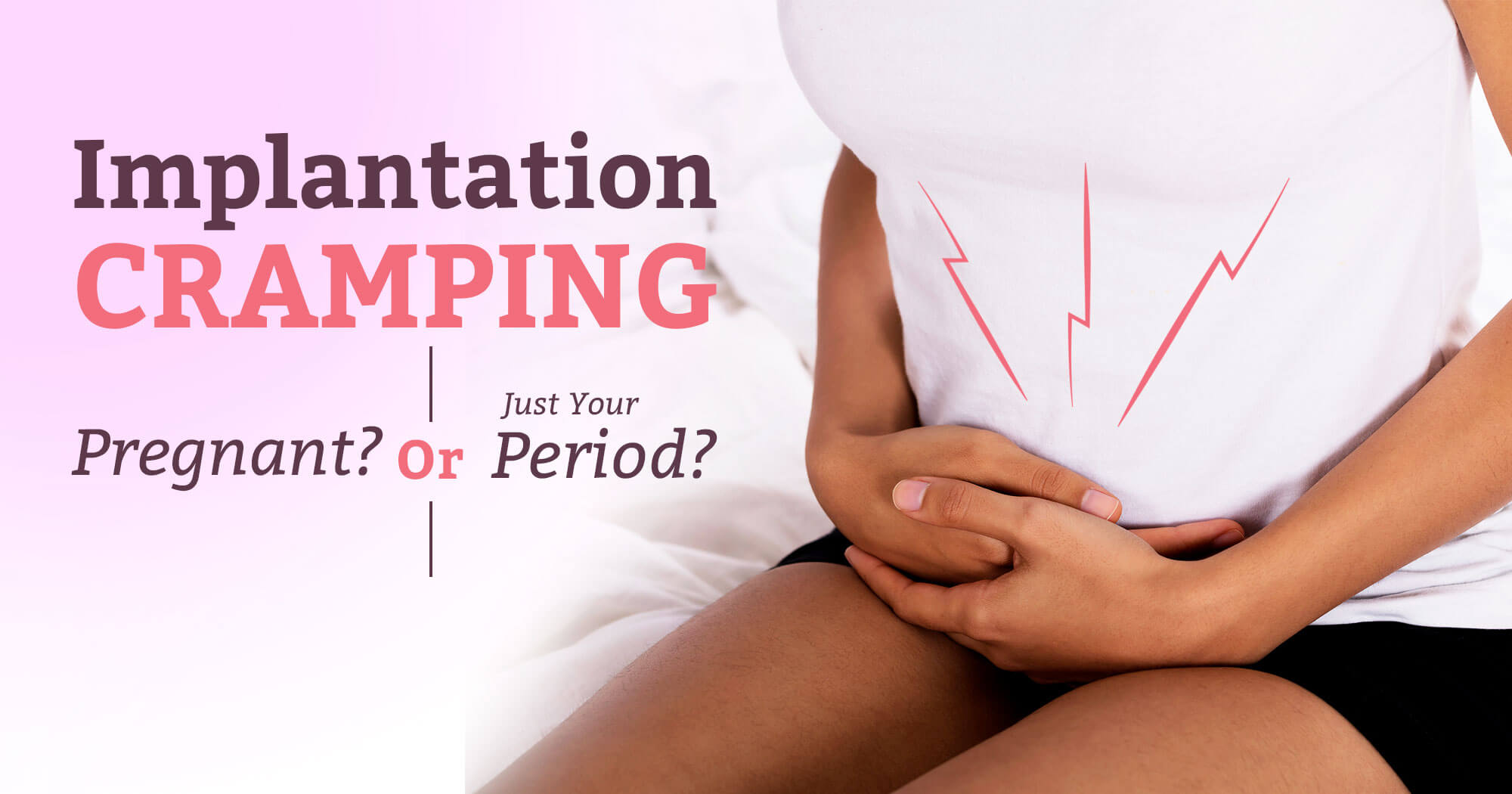
Understanding Cramps at 31 Weeks Pregnant: Causes, Symptoms, and When to Seek Care
Cramping at 31 weeks pregnant is frequently a result of Braxton Hicks "practice" contractions, the physical strain of carrying a growing fetus, or digestive changes. While often benign, persistent or rhythmic cramping at this stage can...
Cramping at 31 weeks pregnant is frequently a result of Braxton Hicks "practice" contractions, the physical strain of carrying a growing fetus, or digestive changes. While often benign, persistent or rhythmic cramping at this stage can signal preterm labor or underlying issues like a urinary tract infection.
Contents
As you enter the heart of the third trimester in 2026, your body undergoes significant physiological shifts to prepare for birth. At 31 weeks, your baby is roughly the size of a coconut, and the uterus is expanding upward, putting pressure on every surrounding organ and muscle group. This structural expansion naturally leads to various types of discomfort. However, distinguishing between the normal "stretching" pains of late pregnancy and signs of a potential complication is vital for the health of both the parent and the baby.
Understanding the Physiological Changes at 31 Weeks
By the 31st week of pregnancy, the uterus has risen several inches above the belly button. The musculoskeletal system is under immense stress as the center of gravity shifts forward. To accommodate this, the body produces a hormone called relaxin, which loosens the ligaments in the pelvis. While this is necessary for delivery, it often results in pelvic girdle pain and abdominal cramping that can be mistaken for uterine contractions.
Furthermore, the baby's movements are becoming more distinct. At 31 weeks, the fetus has less room to maneuver, so kicks and turns can feel more forceful, sometimes triggering a localized "cramp" or tightening of the uterine wall. Understanding these shifts helps contextualize why discomfort is so prevalent during this specific window of the third trimester.
Common Causes of Benign Cramping
Not all cramps are a cause for alarm. Most individuals experience some form of abdominal tightening during the third trimester that does not lead to labor.
Braxton Hicks Contractions
Braxton Hicks are often called "practice contractions." They are the body’s way of toning the uterine muscle in preparation for the work of labor. At 31 weeks, these may become more frequent. Unlike true labor, Braxton Hicks are typically:
- Irregular in timing: They do not occur at set intervals or get closer together.
- Variable in intensity: They may feel like a mild tightening or a more intense "squeeze," but they do not consistently increase in pain.
- Resolved by movement or hydration: Often, changing your position or drinking a large glass of water will cause them to stop.
Round Ligament Pain and Stretching
The round ligaments support the uterus, connecting the front of the womb to the groin. As the uterus grows rapidly in the third trimester, these ligaments stretch and thin. Sudden movements—such as coughing, sneezing, or rolling over in bed—can cause a sharp, jabbing cramp in the lower abdomen. This is a structural pain rather than a uterine contraction, though it can feel quite intense for several seconds.
Digestive Distress and Progesterone
Pregnancy hormones, particularly progesterone, slow down the digestive system to allow for maximum nutrient absorption. The byproduct of this is often constipation and trapped gas. In the third trimester, the physical pressure of the uterus on the intestines compounds this issue. Gas pains can be severe enough to mimic uterine cramping, often presenting as sharp, intermittent pains that shift locations in the abdomen.
When Cramping Indicates Preterm Labor
At 31 weeks, any birth would be considered preterm. Because the baby's lungs and brain are still in a critical stage of development, identifying preterm labor early is essential so that medical interventions—such as corticosteroids for lung maturation—can be administered.
Preterm labor contractions differ from Braxton Hicks because they cause the cervix to open (dilate). You should monitor for the following "red flag" patterns:
- Rhythmicity: Contractions that occur every 10 minutes or more frequently, and do not stop when you lie down.
- Backache: A dull, low backache that feels different from standard pregnancy back pain, often feeling rhythmic or constant.
- Pelvic Pressure: A sensation that the baby is pushing down or a feeling of heaviness in the pelvic floor.
- Changes in Discharge: Any sudden increase in vaginal discharge, or discharge that becomes watery, bloody, or mucus-like (the "bloody show").
If you experience more than four to six contractions in an hour that are accompanied by any of these symptoms, contact your obstetrician or midwife immediately. For more detailed information on identifying these signs, the American College of Obstetricians and Gynecologists (ACOG) provides extensive resources on preterm labor symptoms.
Other Medical Concerns Related to Cramping
Cramping is sometimes a secondary symptom of a different medical issue that requires treatment.
Urinary Tract Infections (UTIs)
UTIs are common in pregnancy because the enlarging uterus can prevent the bladder from emptying completely. A UTI can cause the uterus to become "irritable," leading to frequent cramping. If your cramps are accompanied by a burning sensation during urination, cloudy urine, or a frequent urge to go, a urine culture is necessary. Untreated UTIs are a known trigger for preterm labor.
Preeclampsia and Abdominal Pain
While preeclampsia (high blood pressure in pregnancy) is usually associated with swelling and headaches, severe pain in the upper right quadrant of the abdomen can be a sign of HELLP syndrome or liver involvement. This is an emergency and is often described as a deep, boring cramp or pressure just below the ribs.
Placental Abruption
Placental abruption occurs when the placenta begins to separate from the uterine wall before birth. This usually causes sudden, severe, and constant abdominal pain or cramping that does not let up, often (but not always) accompanied by vaginal bleeding. This is a life-threatening emergency for both parent and child.
Comparing Types of Abdominal Discomfort
The following table serves as a general guide to help differentiate the sensations you may feel at 31 weeks.
| Feature | Braxton Hicks | Preterm Labor | Round Ligament Pain |
|---|---|---|---|
| Frequency | Irregular; comes and goes. | Rhythmic; becomes more frequent. | Occurs with sudden movement. |
| Duration | Short (30–60 seconds). | Lasts 30–70 seconds and stabilizes. | Very brief, sharp "zing." |
| Intensity | Does not increase over time. | Increases steadily in strength. | Sharp but fades quickly to a dull ache. |
| Location | Front of the abdomen. | Wraps from back to front. | Lower abdomen or groin area. |
| Effect of Rest | Usually stops with rest/water. | Does not stop with rest. | Position changes may help or trigger it. |
Management and Relief Strategies
If your provider has confirmed that your cramping is not labor-related, you can employ several strategies to manage the discomfort of the third trimester.
- Hydration Protocol: Dehydration is a primary trigger for uterine irritability. Ensure you are drinking at least 8–10 glasses of water daily. If you experience cramping, drink 16 ounces of water and lie on your left side to improve blood flow to the uterus.
- Pelvic Support: Using a maternity support belt can alleviate the strain on the round ligaments and the pelvic floor, reducing the frequency of "pulling" cramps.
- Warmth: A warm (not hot) bath or a heating pad on a low setting applied to the lower back can soothe muscle tension. Avoid placing high heat directly on the uterus for extended periods.
- Magnesium and Nutrition: Some healthcare providers recommend magnesium supplements or Epsom salt baths to help with muscle relaxation, as magnesium deficiency can contribute to cramping. Always consult your doctor before starting new supplements.
When to Call the Doctor Immediately
Regardless of how "normal" you think the pain might be, certain symptoms require immediate medical evaluation at 31 weeks:
- Vaginal bleeding (bright red or spotting).
- A sudden gush or continuous leaking of fluid (possible rupture of membranes).
- A significant decrease in fetal movement (fewer than 10 kicks in two hours).
- Severe nausea or vomiting alongside abdominal pain.
- Fever over 100.4°F (38°C).
Medical professionals prefer that you call for a "false alarm" rather than ignore the early signs of a complication. Hospitals and birthing centers are equipped with fetal monitors and ultrasound technology to quickly determine if the cramping is affecting the cervix or the baby’s well-being.
Frequently Asked Questions
Is it normal to have period-like cramps at 31 weeks? Mild, occasional period-like cramps can be normal as the uterus prepares for labor or as the baby moves. However, if these cramps become rhythmic, persistent, or are accompanied by a backache, they could be a sign of preterm labor and should be reported to a healthcare provider.
How many Braxton Hicks contractions are "too many"? Most providers suggest that if you are having more than four to six contractions in one hour—and they do not stop with hydration or rest—you should seek a medical evaluation. Even if they are painless, the frequency alone can sometimes indicate cervical change.
Can stress cause cramping in the third trimester? Yes, high levels of physical or emotional stress can trigger the release of hormones like cortisol and oxytocin, which may lead to uterine tightening or Braxton Hicks. Managing stress through rest and breathing exercises is beneficial for maintaining a "quiet" uterus.
Does a baby's growth spurt cause more cramping? Yes. Around 31 weeks, the baby is gaining weight rapidly. This growth stretches the uterine muscle fibers and the abdominal wall, which can cause a dull, constant aching or intermittent sharp pains as the body adjusts to the new volume.
Summary of Next Actions
If you are currently experiencing cramps at 31 weeks, your first action should be to stop, hydrate, and rest. Sit or lie down on your left side and drink a large glass of water. Track the timing of the sensations for one hour. If the cramps dissipate, they were likely Braxton Hicks or related to physical activity. If they continue, intensify, or are accompanied by any fluid leakage or bleeding, contact your healthcare provider or visit the nearest labor and delivery triage unit immediately. Timely intervention is the most effective way to manage preterm symptoms and ensure a healthy outcome for your pregnancy in 2026.
Image Gallery