The Ballad of Youth by Richie Sambora: An In-Depth Legacy and Analysis
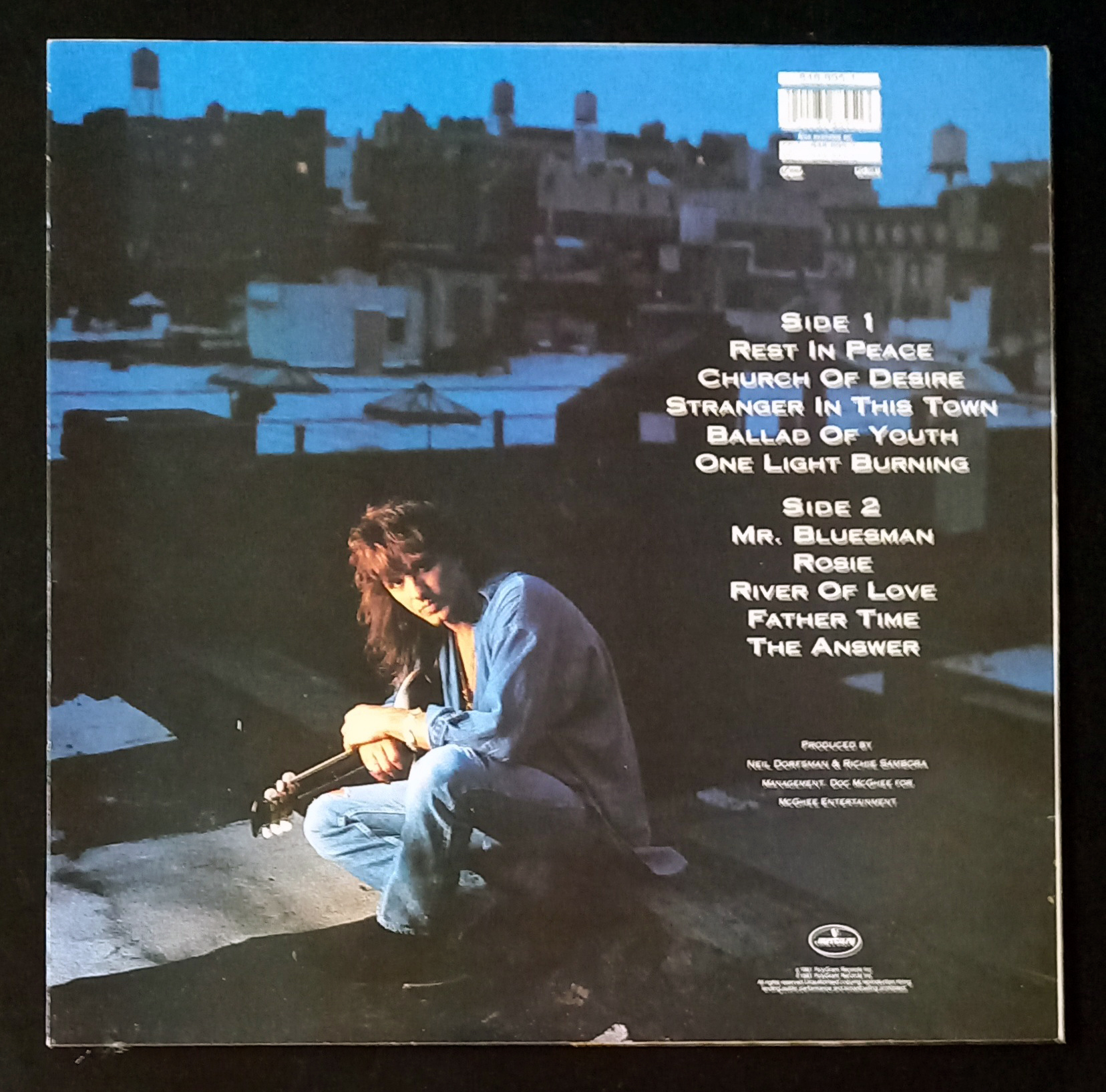
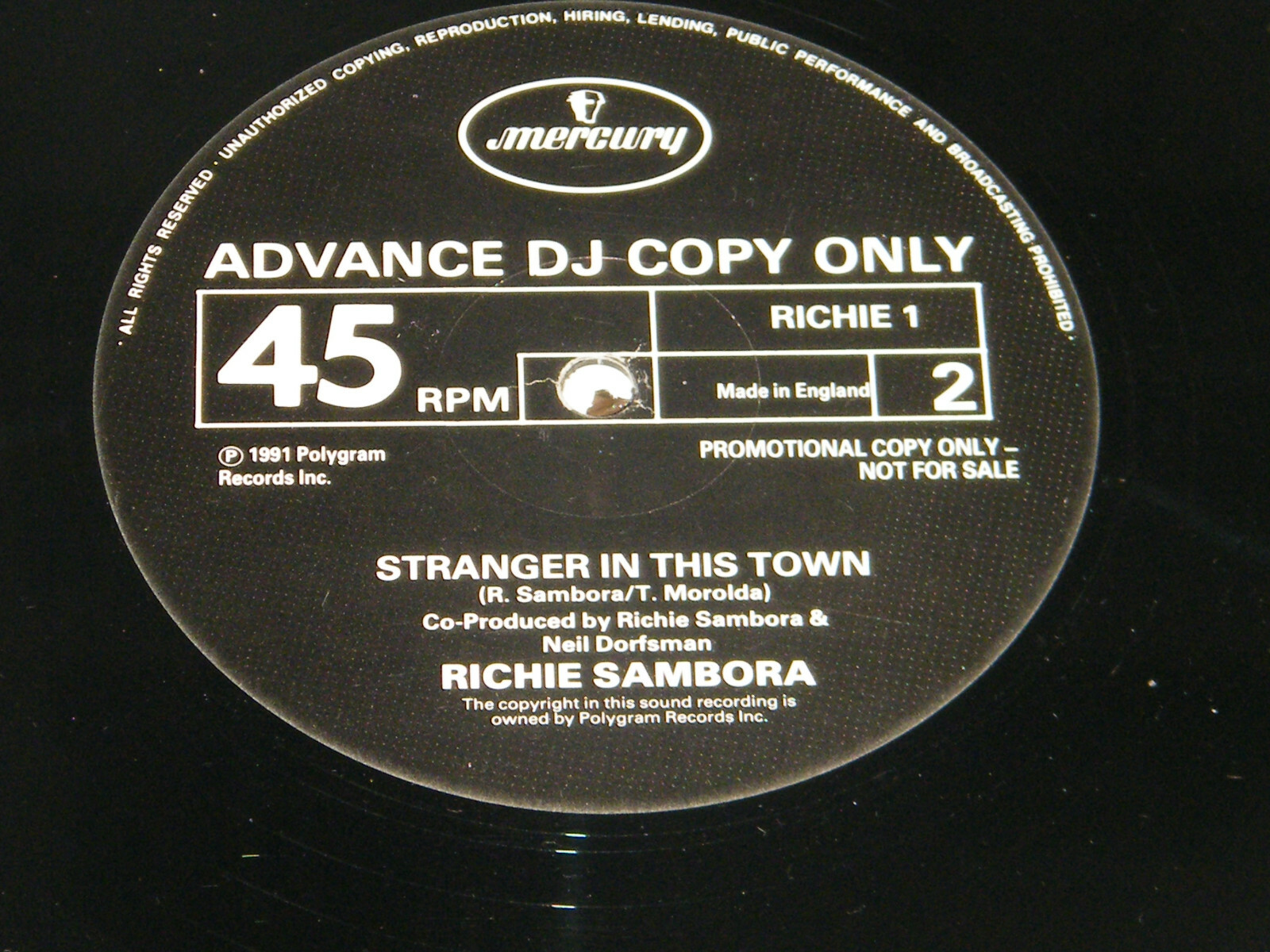
Ballad of Youth is the debut solo single by American guitarist and songwriter Richie Sambora, released in June 1991 as the lead track from his first solo album, Stranger in This Town. The song serves as an introspective blues-rock anth...
Ballad of Youth is the debut solo single by American guitarist and songwriter Richie Sambora, released in June 1991 as the lead track from his first solo album, Stranger in This Town. The song serves as an introspective blues-rock anthem exploring the transition from youthful idealism to the realities of adulthood and self-identity.
Contents
The early 1990s represented a pivotal crossroads for Richie Sambora. As the lead guitarist for Bon Jovi, he had already achieved global superstardom following the massive success of Slippery When Wet and New Jersey. However, the grueling "Jersey Syndicate" tour had left the band exhausted and on a self-imposed hiatus. During this period, Sambora stepped out from the shadow of the stadium-rock machine to craft a project that was deeply personal, musically grounded in the blues, and vocally distinct. "Ballad of Youth" was the world’s introduction to Sambora as a standalone artist, proving he possessed the vocal grit and songwriting maturity to lead a solo career.
Origins and Creative Context
By 1990, the landscape of popular music was shifting. The polished "hair metal" of the late 80s was beginning to give way to the raw sincerity of grunge and alternative rock. For Sambora, this shift coincided with a personal desire to return to his roots. While Bon Jovi’s music was characterized by anthemic choruses and high-energy production, Sambora’s solo inclinations leaned toward the soulful, guitar-driven blues of his idols—Eric Clapton, Jimi Hendrix, and B.B. King.
"Ballad of Youth" was co-written by Sambora alongside Tom Marolda and Bruce Turgon. The writing process was reportedly a cathartic experience for Sambora, who was navigating the complexities of his own fame. At the time of the song's release, Sambora was in his early 30s, a period often marked by a retrospective look at one’s "wilder" years. The song was not merely a rock track; it was a manifesto of his transition from a "kid with a guitar" to a seasoned musician with something to say.
The Recording Process at A&M Studios
The production of "Ballad of Youth" was handled by Sambora and Neil Dorfsman, a producer renowned for his work with Dire Straits and Sting. This choice was deliberate. Dorfsman brought a sophisticated, spacious sound to the recording that contrasted sharply with the dense, radio-friendly layering of 80s rock.
Recorded at the legendary A&M Studios in Los Angeles, the track benefited from a high-fidelity approach. Sambora wanted the listener to hear the "wood" in the instruments. Every strike of the snare and every vibrato on the guitar string was designed to feel immediate and authentic. This was the "Stranger in This Town" era, where Sambora was determined to be seen as a serious musician rather than just a pop-metal icon.
Lyrical Themes: The Weight of Growing Up
The lyrics of "Ballad of Youth" are conversational yet prophetic. The opening lines, "Hey, you're just a kid / And you're already missing," set a tone of concern and reflection. It addresses a younger generation—or perhaps a younger version of Sambora himself—warning against the traps of cynicism and the loss of wonder.
The central theme is the "Ballad of Youth" itself—a story that everyone writes as they age. Sambora explores several key concepts:
- The Loss of Innocence: The song acknowledges that the world can be "cold and gray," a departure from the "living on a prayer" optimism of his main band.
- Self-Reliance: There is a strong emphasis on finding one’s own way. The lyrics suggest that while others may offer advice, the individual must ultimately walk their own path.
- The Passage of Time: As of 2026, these lyrics resonate even more deeply. Looking back at a track written 35 years ago, the "youth" Sambora sang about has long since passed, but the core message—to keep your spirit alive despite the pressures of the world—remains evergreen.
Musical Composition and Technical Analysis
Musically, "Ballad of Youth" is a masterclass in mid-tempo blues-rock. It avoids the frantic pace of 80s shredding in favor of melody, pocket, and soul.
The Powerhouse Personnel
To ensure the track had the necessary depth, Sambora recruited a "dream team" of musicians. This wasn't a solo effort in the sense of a one-man show; it was a collaborative effort among masters of their craft:
- Tony Levin (Bass): Known for his work with Peter Gabriel and King Crimson, Levin provided a sophisticated, melodic bottom end that elevated the song beyond standard rock fare.
- Tico Torres (Drums): Sambora brought his Bon Jovi bandmate along, ensuring a powerful, rhythmic backbone that was both familiar and technically precise.
- David Paich (Keyboards): The Toto founder contributed subtle textures that filled the sonic space without overshadowing the guitar work.
Guitar Tone and Technique
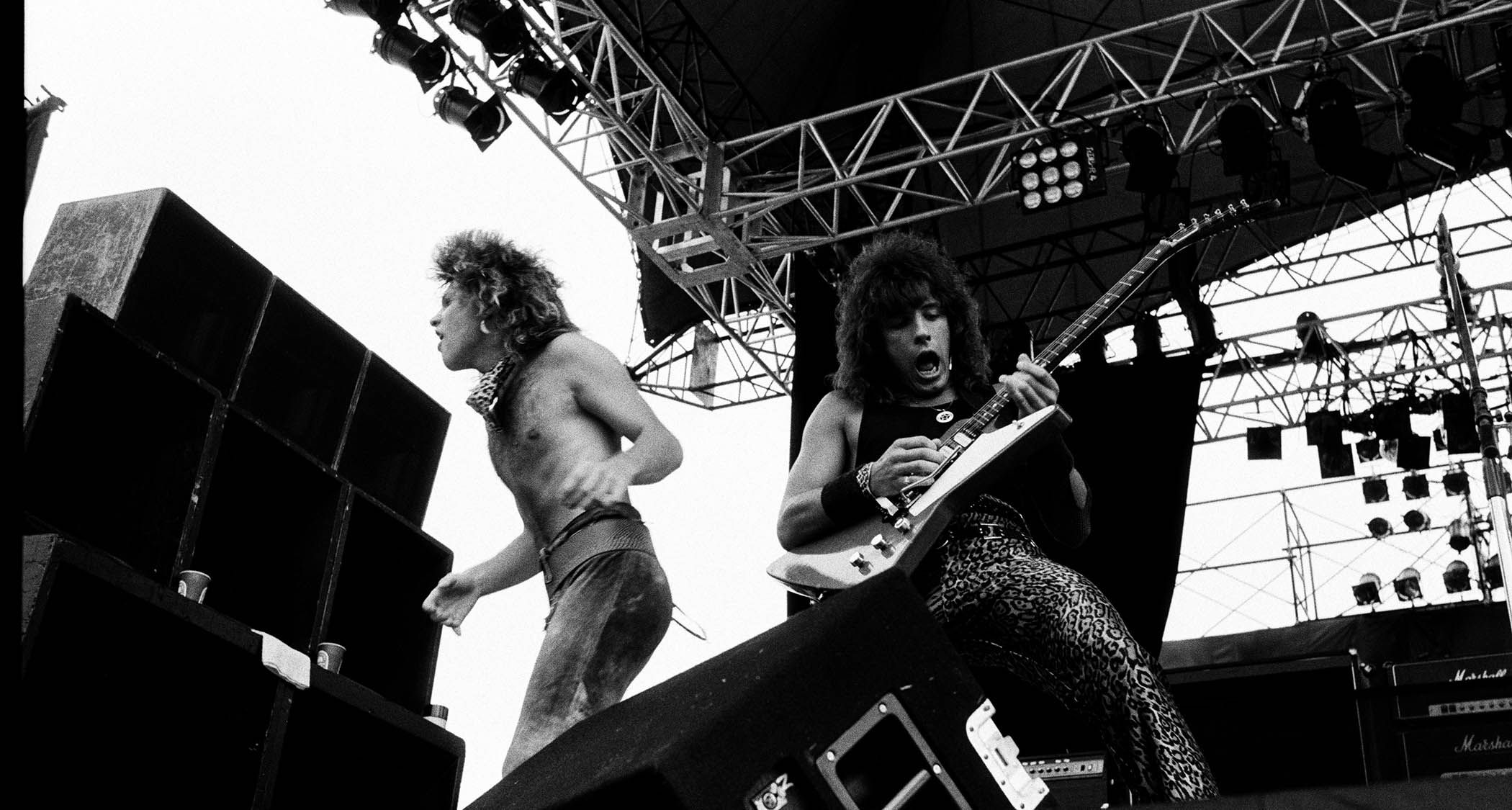
For the technical enthusiasts, the guitar work on "Ballad of Youth" is iconic. During this era, Richie was transitioning from his heavy use of Kramer guitars to a more vintage-focused sound, primarily utilizing his Fender Stratocaster signature models.
The solo in "Ballad of Youth" is a highlight of Sambora’s career. It doesn't rely on "flash for flash's sake." Instead, it follows a vocal-like phrasing. The tone is thick and saturated, likely achieved through a combination of Marshall plexi-style amplification and a subtle use of a wah-pedal or talk-box in certain sections of the album (though the talk-box is more prominent in other tracks like "Stranger in This Town"). The solo builds in intensity, mirroring the emotional arc of the lyrics, eventually resolving in a series of soulful bends and vibratos.
| Feature | Specification / Detail |
|---|---|
| Primary Guitar | Fender Richie Sambora Signature Stratocaster (First Prototype) |
| Pickups | DiMarzio PAF Pro (Bridge), Fender Texas Special (Neck/Middle) |
| Amplification | Marshall JCM800 / VHT Amplification |
| Tempo | Approximately 88 BPM |
| Key Signature | E Minor / G Major |
| Chart Peak (US) | #63 Billboard Hot 100 / #13 Mainstream Rock |
Commercial and Critical Reception
Upon its release in 1991, "Ballad of Youth" was a moderate success on the mainstream charts, but it was a massive success in terms of artistic credibility. It peaked at #13 on the Billboard Album Rock Tracks chart, proving that rock radio was eager to embrace Sambora’s solo voice.
Critics praised the song for its "unexpected" grit. Many reviewers who had dismissed Bon Jovi as a "teen idol" act were forced to reckon with Sambora’s genuine blues credentials. The song’s music video, which featured Sambora in a gritty, cinematic setting, further reinforced his image as a rugged, introspective singer-songwriter.
Legacy and Impact in 2026
Fast-forwarding to 2026, "Ballad of Youth" is viewed as a seminal moment in the "lead-guitarist-turned-solo-star" narrative. It paved the way for Sambora’s subsequent solo albums, Undiscovered Soul (1998) and Aftermath of the Lowdown (2012).
For fans, the song remains a staple of his live performances. It serves as a reminder of a time when rock music was undergoing a massive transformation. In a modern era dominated by digital production, the organic, "human" feel of "Ballad of Youth" stands out. It represents a time when a guitar solo wasn't just a technical display, but a piece of the storytelling.
Furthermore, the song established Richie Sambora as one of the few guitarists from the 80s era who could successfully transition into a respected blues-rock statesman. While many of his contemporaries struggled to find their footing as the decade turned, Sambora used "Ballad of Youth" to anchor himself in a timeless genre.
Common Questions About "Ballad of Youth"
Did Eric Clapton play on "Ballad of Youth"?
No, Eric Clapton did not play on "Ballad of Youth." However, he did contribute a guest solo to the title track of the same album, Stranger in This Town. Clapton’s involvement on the album was a major "seal of approval" for Sambora’s blues aspirations and likely influenced the overall tone of the "Ballad of Youth" single.
Why did Richie Sambora release a solo song while Bon Jovi was still popular?
In 1991, Bon Jovi was on a hiatus following the massive New Jersey tour. The band members were burnt out and dealing with internal tensions. Sambora used this time to explore musical styles that didn't necessarily fit the "Bon Jovi formula." It was a way for him to express his own artistic identity and prove his capabilities as a lead vocalist and songwriter.
What is the meaning of the music video?
The music video for "Ballad of Youth" reflects the song's themes of self-reflection and the journey of life. It features Sambora traveling through various landscapes, interspersed with high-energy performance shots. The visual style is more somber and "cinematic" than the colorful, high-glam videos of the late 80s, signaling a shift toward a more serious artistic persona.
Is "Ballad of Youth" considered a blues song?
While it is technically a rock song, it is heavily infused with blues elements. The structure, the phrasing of the guitar solos, and the vocal delivery all draw from the blues tradition. It is often categorized as "blues-rock" or "melodic rock with blues influences."
What gear did Richie use for the solo?
During the Stranger in This Town sessions, Richie utilized a variety of vintage and custom gear. The "Ballad of Youth" solo is noted for its "Fender-on-steroids" tone. He likely used his early signature Stratocaster through a cranked Marshall amp, possibly boosted by an overdrive pedal to achieve that specific sustain and harmonic richness.
Final Recommendation for Listeners
If you are a fan of guitar-driven rock or are exploring the solo careers of major band members, "Ballad of Youth" is an essential listen. To fully appreciate the track, it is recommended to listen to the remastered version included in the 20th-anniversary editions or high-fidelity streaming versions available in 2026. These versions preserve the dynamic range of Neil Dorfsman's original production, allowing the nuances of Tony Levin's bass lines and Sambora's intricate guitar work to shine through.
For musicians, studying the solo in "Ballad of Youth" offers valuable lessons in phrasing and "playing for the song." It is a reminder that the most powerful music often comes from looking inward and being honest about one's journey—a theme that remains as relevant today as it was in 1991.
Image Gallery