Personal Loan P2P: How Peer to Peer Lending Shapes Borrowing
Peer-to-peer (P2P) lending reshapes borrowing by connecting individuals directly with investors through digital marketplaces, bypassing traditional financial intermediaries. In 2026, this model offers personalized interest rates, faste...
Peer-to-peer (P2P) lending reshapes borrowing by connecting individuals directly with investors through digital marketplaces, bypassing traditional financial intermediaries. In 2026, this model offers personalized interest rates, faster approval times, and expanded access to credit for those underserved by conventional banks, fundamentally decentralizing the personal loan landscape.
Contents
The Structural Shift in Modern Credit Markets
The emergence and maturation of peer-to-peer (P2P) lending have fundamentally altered the architecture of the personal loan industry. Historically, borrowing was a centralized process controlled by commercial banks and credit unions. These institutions acted as the sole gatekeepers of capital, utilizing rigid underwriting criteria and maintaining high overhead costs that were often passed down to the consumer in the form of higher interest rates or limited access for those with non-traditional credit profiles.
By 2026, P2P lending—also known as marketplace lending—has moved from a disruptive fintech experiment to a cornerstone of the global credit market. This shift is driven by the "unbundling" of traditional banking services. Instead of a single institution holding a borrower's deposit, managing the risk, and providing the loan, P2P platforms act as sophisticated matching engines. They leverage technology to facilitate a direct transaction between a borrower who needs capital and an investor seeking a yield. This decentralization removes the need for physical branches and massive administrative layers, allowing for a more efficient allocation of capital.
The impact on borrowing is profound. It has introduced a level of price transparency and competition that was previously non-existent. When traditional banks must compete with lean, algorithm-driven platforms, the "credit gap" begins to close. Borrowers are no longer limited to the offerings of their local bank; they can now access a global pool of private and institutional capital, often at rates that more accurately reflect their specific risk level rather than a broad, generic credit tier.
How P2P Lending Works: The Mechanics of the Marketplace
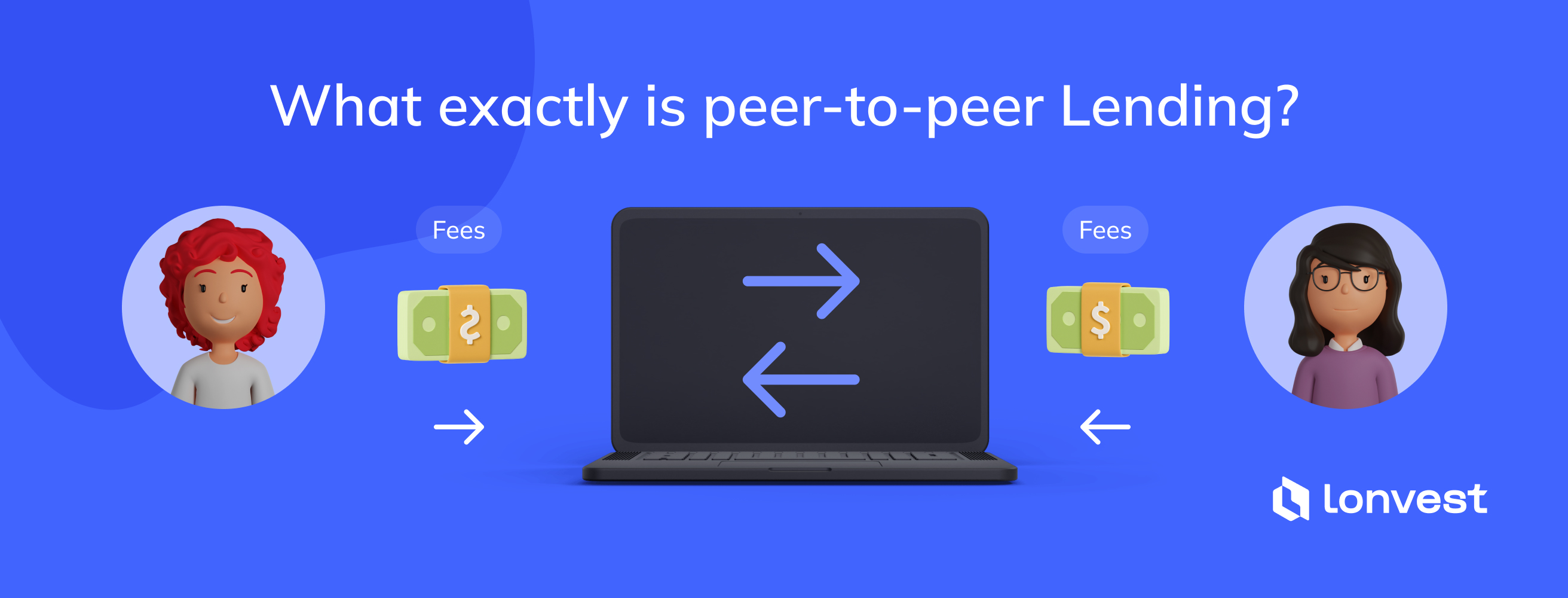
Understanding how P2P lending shapes borrowing requires a deep look at the underlying mechanics. Unlike a bank, a P2P platform generally does not lend its own money. Instead, it creates a digital environment where loans can be originated, funded, and serviced.
The Role of the Marketplace Operator
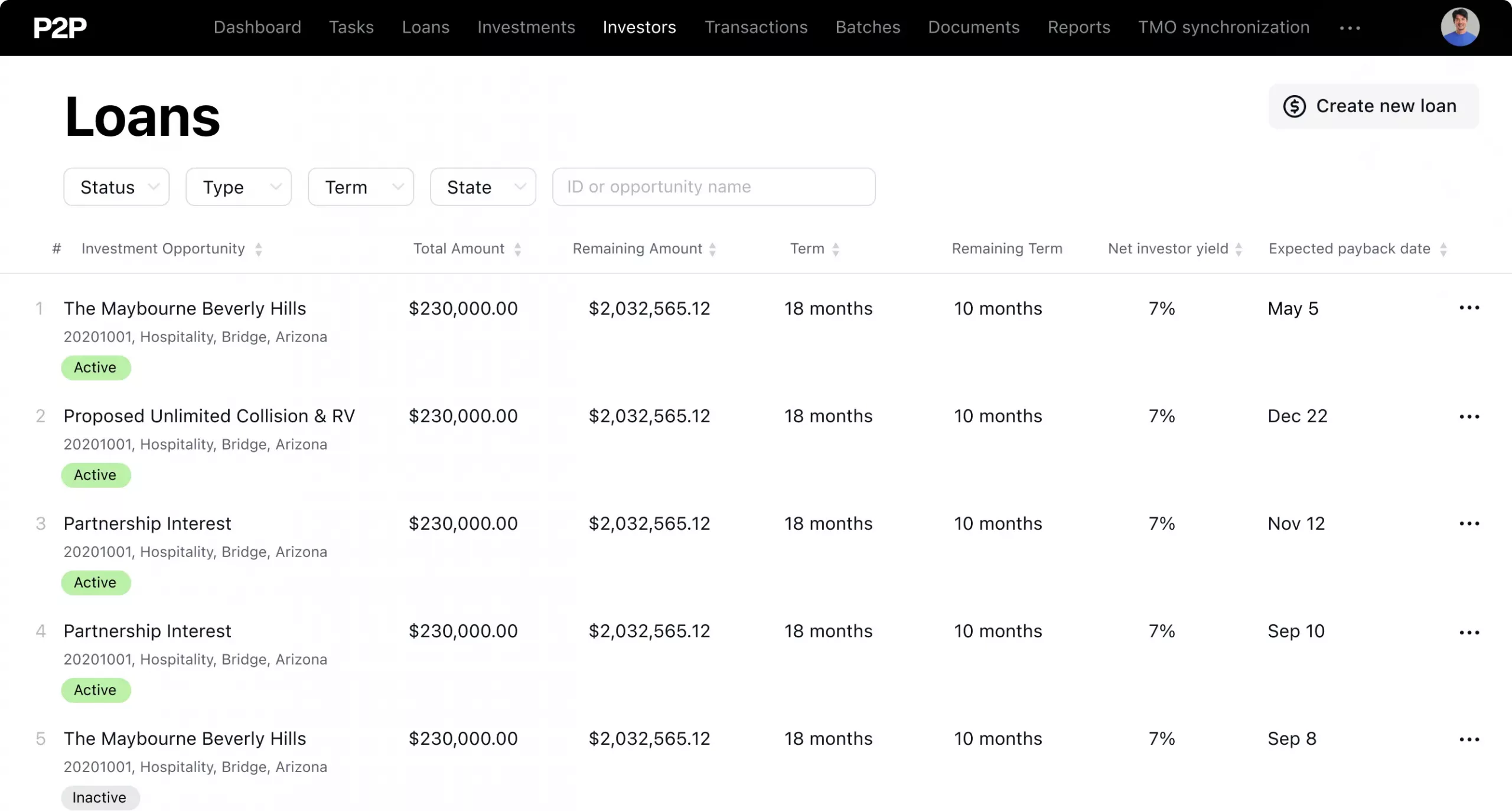
The platform's primary responsibility is to facilitate the ecosystem. This involves several critical functions: marketing to attract borrowers, conducting rigorous identity and fraud verification, and providing the technological interface for investors. In 2026, these platforms have integrated advanced Application Programming Interfaces (APIs) that allow for near-instantaneous verification of employment, income, and debt obligations, significantly reducing the "time to cash" for the borrower.
Algorithmic Underwriting and Risk Assessment
One of the most significant ways P2P lending shapes borrowing is through its approach to risk. Traditional lenders rely heavily on the FICO score, which, while useful, is a lagging indicator of financial health. P2P platforms often employ alternative data sets and machine learning algorithms to assess creditworthiness. This might include analyzing rent payment history, utility bill consistency, or even educational background and career trajectory.
Once a borrower is vetted, they are assigned a risk grade (e.g., Grade A through Grade E). This grade dictates the interest rate the borrower will pay and provides investors with a standardized metric to evaluate the risk of their investment. This granular approach allows for "precision pricing," where a borrower with a 680 credit score might get a better rate on a P2P platform than at a bank because the platform’s algorithm recognizes positive trends in their specific financial behavior that a standard FICO model might miss.
Key Advantages of P2P Personal Loans
The growth of the P2P sector is a direct result of the specific benefits it offers over legacy lending models. These advantages are not just incremental; they represent a different philosophy of financial service.
Competitive Interest Rates and Transparency
Because P2P platforms operate without the massive overhead of physical branches and the regulatory capital requirements of traditional banks, they can often offer lower Annual Percentage Rates (APRs). For borrowers with high credit scores, P2P loans frequently provide the lowest cost of capital available for unsecured debt. Furthermore, the fee structures are typically more transparent. Most P2P lenders charge a one-time origination fee (usually 1% to 8% of the loan amount) which is deducted from the loan proceeds, avoiding the "hidden" monthly maintenance fees often associated with bank personal loans.
Streamlined Digital Experience
Borrowers in 2026 expect a "mobile-first" experience. P2P platforms have pioneered the 100% digital loan application. A borrower can complete an entire application, upload necessary documentation, and receive a firm offer within minutes. The funding process is equally efficient; once a loan is fully funded by investors, the capital is typically transferred to the borrower's bank account via ACH within one to three business days. This speed is essential for borrowers looking to consolidate high-interest credit card debt or cover unexpected emergency expenses.
Fixed-Rate, Amortized Stability
Most P2P personal loans are structured as fixed-rate, fully amortizing installment loans. Unlike credit cards, which have variable rates and "minimum payment" traps that can keep a borrower in debt for decades, P2P loans have a clear end date (usually 3 to 5 years). This structure is a powerful tool for financial planning, as the borrower knows exactly when the debt will be extinguished and precisely how much they must pay each month.
Risks and Considerations for Borrowers
While the P2P model offers numerous benefits, it is not without risks. Borrowers must navigate this landscape with a clear understanding of the potential drawbacks.
- Credit Impact of Inquiries: Most platforms offer a "soft" credit pull to show you initial rates, which does not affect your score. However, once you proceed with a formal application, a "hard" inquiry is performed, which can temporarily lower your credit score.
- Origination Fees: While the APR might look low, the origination fee can be substantial. For example, on a $20,000 loan with a 5% origination fee, you only receive $19,000, but you are responsible for paying back the full $20,000 plus interest. Borrowers must factor this into their total funding needs.
- Strict Eligibility for Best Rates: The lowest advertised rates are often reserved for "prime" borrowers with high incomes and credit scores above 740. Borrowers in the "subprime" or "near-prime" categories may find that P2P rates are significantly higher, sometimes exceeding 30% APR.
- Limited Hardship Options: Traditional banks sometimes have more robust internal departments for loan modifications or "forbearance" during financial hardship. While P2P platforms have improved their servicing capabilities, their primary obligation is to the investors who funded the loan, which can sometimes make them less flexible in renegotiating terms compared to a community bank.
Comparison: P2P vs. Traditional and Digital Banks
The following table compares the primary characteristics of peer-to-peer loans against traditional commercial banks and modern digital-only "neo-banks" in the 2026 market.
| Feature | P2P Lending Platforms | Traditional Commercial Banks | Digital/Neo-Banks |
|---|---|---|---|
| Primary Funding Source | Private & Institutional Investors | Customer Deposits | Corporate Capital/Deposits |
| Underwriting Speed | Minutes to Hours | Days to Weeks | Minutes to Days |
| Credit Criteria | Holistic/AI-Driven | Primarily FICO-Based | Hybrid/Data-Integrated |
| Typical APR Range | 6.5% – 35.9% | 8% – 28% | 7% – 30% |
| Origination Fee | Common (1% - 8%) | Rare but possible | Occasional |
| Physical Branches | None | High Density | None |
| Best For | Debt Consolidation/Fast Cash | Existing Customers/Large Loans | Tech-Savvy/Low-Fee Seekers |
Step-by-Step Guide to Securing a P2P Loan
Navigating the P2P borrowing process requires a strategic approach to ensure you receive the best possible terms.
- Check Your Credit Report: Before applying, ensure your credit report is accurate. In 2026, the Consumer Financial Protection Bureau (CFPB) continues to emphasize the importance of identifying errors in credit reporting that could unfairly raise your interest rates.
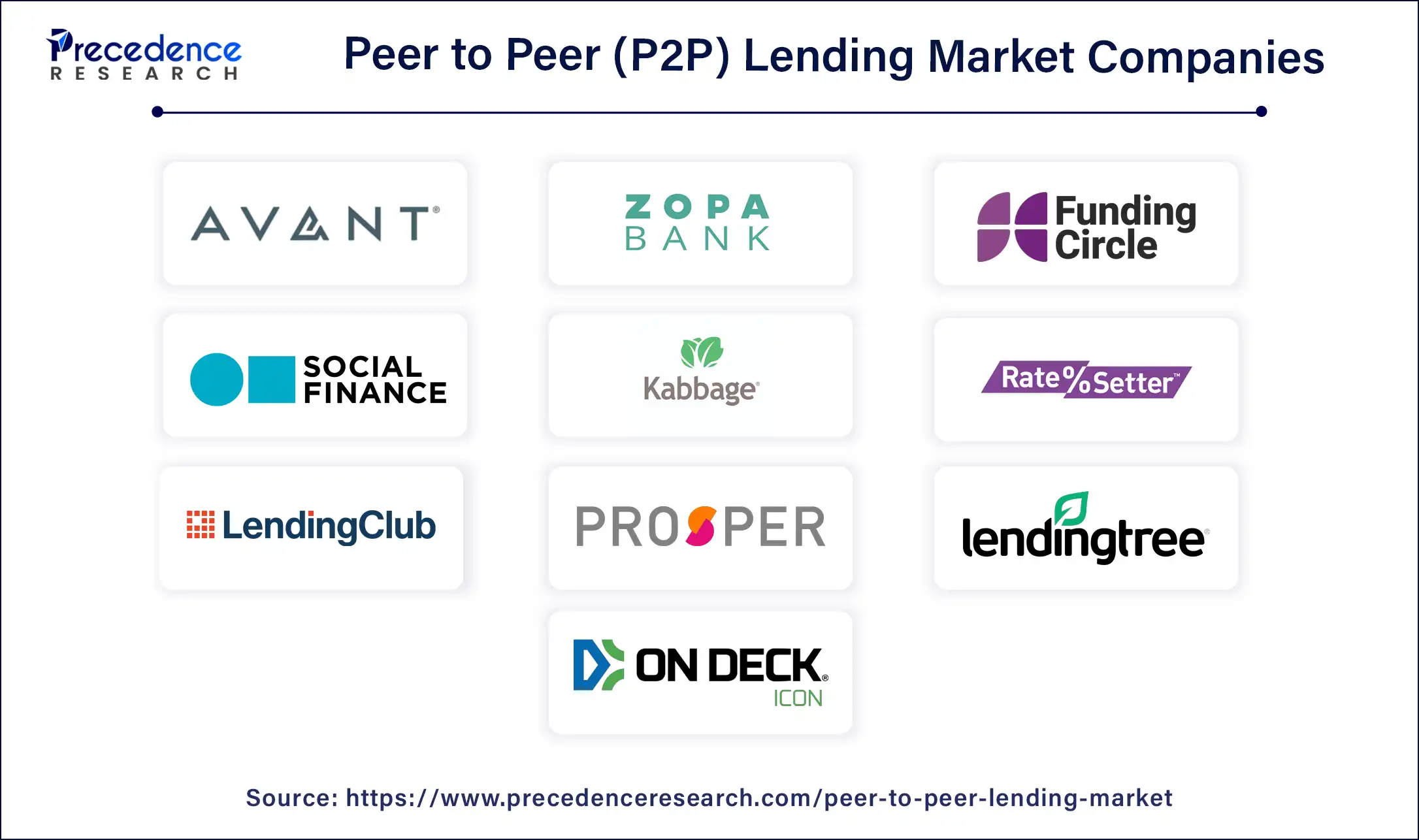
- Pre-Qualify with Multiple Platforms: Use the "soft pull" feature on several reputable sites (such as Prosper or Upstart) to compare rates. Do not settle for the first offer.
- Calculate the Effective Cost: Look beyond the monthly payment. Use the total cost of the loan (Total Interest + Origination Fee) to compare offers.
- Verify Information Promptly: P2P platforms often require digital verification of your bank account (via services like Plaid) or photo uploads of your ID. Responding quickly to these requests can shave days off the funding time.
- Review the Loan Agreement: Pay close attention to the "Truth in Lending" disclosure. Ensure there are no prepayment penalties, a standard feature of most high-quality P2P loans that allows you to save on interest by paying the loan off early.
The Regulatory Framework and Borrower Protections
As P2P lending has scaled, so has the regulatory oversight. In the United States, P2P platforms are subject to a complex web of state and federal regulations. The Securities and Exchange Commission (SEC) oversees the investor side of the marketplace, ensuring that the notes sold to fund loans are properly registered and disclosures are accurate.
On the borrower side, the Federal Trade Commission (FTC) and the CFPB enforce fair lending laws. These include the Truth in Lending Act (TILA), which requires clear disclosure of the APR and total loan costs, and the Equal Credit Opportunity Act (ECOA), which prohibits discrimination in lending. In 2026, regulators have also turned their focus toward "algorithmic bias," ensuring that the AI models used by P2P platforms do not inadvertently discriminate against protected classes through the use of proxy data.
Borrowers should always verify that a platform is licensed to operate in their specific state. Most reputable P2P sites will list their licenses and regulatory filings in the footer of their website. If a platform is not transparent about its regulatory status, it should be avoided.
Frequently Asked Questions
Does a P2P loan stay on my credit report?
Yes. P2P loans are installment loans and are reported to the major credit bureaus (Equifax, Experian, and TransUnion). Making on-time payments can help build your credit score by improving your payment history and diversifying your "credit mix." Conversely, late payments will negatively impact your score.
Can I get a P2P personal loan with bad credit?
While P2P lending is known for being more flexible, it is not a "guaranteed" loan. Most platforms have a minimum credit score requirement, often starting around 600. If your credit is poor, you may need a co-signer (offered by some platforms) or you may be limited to platforms that specifically cater to subprime borrowers, which will carry significantly higher interest rates.
How are P2P loans different from payday loans?
P2P loans are dramatically different and generally much safer than payday loans. Payday loans are short-term, high-interest (often 400%+ APR) loans designed to be repaid on your next payday. P2P loans are structured installment loans with much lower interest rates and repayment terms typically spanning three to five years.
What happens if I can't pay back my P2P loan?
If you default on a P2P loan, the platform will initiate collection efforts. Because these are unsecured loans, they cannot seize your car or home without a court order, but your credit score will be severely damaged. The platform may also sell your debt to a third-party collection agency.
Why do investors want to fund my loan?
Investors—ranging from individuals to large pension funds—fund P2P loans to earn a higher rate of return than they would get from a traditional savings account or government bonds. They are essentially taking on the risk of your potential default in exchange for the interest you pay.
Final Recommendation: Integrating P2P into Your Financial Strategy
P2P lending has matured into a sophisticated tool for personal financial management. For borrowers looking to consolidate high-interest credit card debt, P2P loans remain one of the most effective ways to lower interest costs and establish a fixed path to debt freedom. However, the key to success in the 2026 lending environment is comparison. Before committing to a P2P loan, use the digital tools at your disposal to compare their offers against those from neo-banks and traditional institutions. Always prioritize lenders that offer transparency, no prepayment penalties, and robust regulatory compliance to ensure your borrowing experience is both cost-effective and secure.
Image Gallery