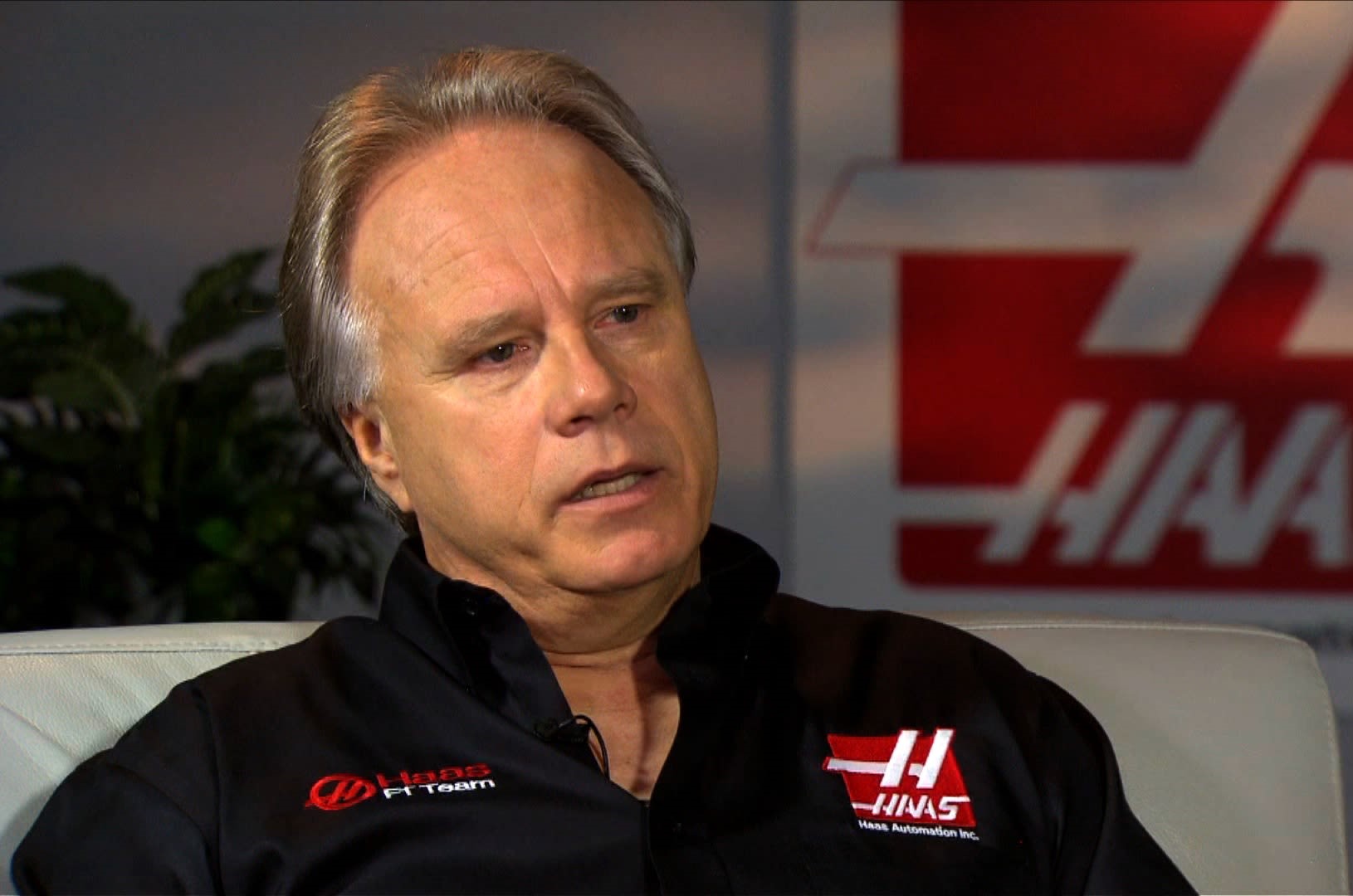
The Mr. Haas Net Worth Overview: Analyzing Financial Portfolios and Wealth Estimation
Estimating the net worth of an individual identified as "Mr. Haas" requires careful disambiguation, as the surname is associated with several prominent figures in finance, manufacturing, and entertainment. When evaluating wealth, analy...
Estimating the net worth of an individual identified as "Mr. Haas" requires careful disambiguation, as the surname is associated with several prominent figures in finance, manufacturing, and entertainment. When evaluating wealth, analysts look at liquid assets, real estate holdings, private equity stakes, and liabilities to reach a comprehensive valuation. Because "Mr. Haas" most commonly refers to Gene Haas, the founder of Haas Automation, this overview focuses on his verified financial status, the factors influencing his net worth, and the methodologies used to track such wealth in 2026.
Contents
Understanding Net Worth in a Private Enterprise Context
Net worth is fundamentally a snapshot of an individual’s financial health, calculated by subtracting total liabilities from total assets. For high-net-worth individuals like Gene Haas, this calculation is rarely straightforward. Unlike publicly traded entities where stock prices provide a real-time valuation, private business owners hold wealth tied to illiquid assets, including manufacturing infrastructure, intellectual property, and extensive capital equipment.
In the case of Haas Automation, the company is the world’s largest builder of CNC machine tools. As the sole owner, Gene Haas’s wealth is inherently tied to the valuation of this privately held company. Because private firms do not publish detailed financial statements to the same extent as public corporations, third-party estimates often rely on revenue multiples, industry benchmarks, and comparative analysis of publicly traded peers.
The Foundation of Wealth: Haas Automation
The core driver of the Haas financial profile is Haas Automation, headquartered in Oxnard, California. Founded in 1983, the company revolutionized the machine tool industry by introducing affordable, high-quality vertical machining centers.
Revenue Streams and Market Position
Haas Automation maintains a dominant market position by catering to aerospace, automotive, medical, and consumer electronics industries. Their business model relies on:
- High-Volume Manufacturing: Utilizing standardized parts across multiple models to keep production costs competitive.
- Global Distribution Network: Operating a network of "Haas Factory Outlets" that provide localized sales, service, and training.
- Intellectual Property: A vast portfolio of patents regarding machine precision and software integration.
For a wealth overview, the profitability of these revenue streams is critical. As the sole proprietor, Gene Haas reinvests a significant portion of earnings into research and development, which sustains the company’s valuation during periods of economic volatility.
Diversification: Motorsports and Beyond
While manufacturing is the primary anchor of his wealth, Gene Haas expanded his portfolio into the highly capital-intensive world of professional motorsports. The involvement in Formula 1 (MoneyGram Haas F1 Team) and NASCAR (Stewart-Haas Racing) represents both a marketing investment for the brand and a significant allocation of capital.
The Economics of Professional Racing
Motorsports participation involves massive overhead, including research and development of aerodynamic components, high-salaried engineering teams, and logistical costs. While these ventures often operate as independent entities, they serve to enhance the global visibility of the Haas brand.
Analysts evaluating the Mr. Haas net worth must consider that while the racing teams command significant sponsorships and broadcast revenues, the operational costs are substantial. Consequently, these ventures are often viewed as "passion assets" or brand-building vehicles rather than primary profit centers, influencing the total net worth assessment differently than core manufacturing holdings.
Methodologies for Wealth Estimation
Financial experts and researchers who track billionaire wealth utilize several standardized methodologies. When reviewing these reports, it is essential to understand the underlying mechanics:
| Methodology | Application to Private Wealth |
|---|---|
| Revenue Multiples | Compares company annual revenue against industry averages for public competitors. |
| Asset Valuation | Calculates the depreciated value of physical machinery, real estate, and global facilities. |
| Liquidity Analysis | Accounts for cash reserves, investment portfolios, and divestments from past holdings. |
| Liability Offsets | Subtracts corporate debt, personal loans, and potential litigation costs from total gross assets. |
In 2026, the volatility of global supply chains and shifts in manufacturing demand (such as the rise of additive manufacturing and automation robotics) have introduced new variables into these estimates. Investors often look at how a company adapts to these technological shifts as a proxy for long-term growth potential.
Challenges in Private Wealth Reporting
A recurring issue in determining the net worth of entrepreneurs is the lack of public disclosure. Estimates provided by financial publications are often described as "lower-bound" or "indicative" rather than precise figures. Several factors contribute to this ambiguity:
- Tax Planning and Trusts: Wealthy individuals often move assets into trusts, foundations, or family offices to optimize tax efficiency and estate planning, effectively shielding these assets from standard public calculations.
- Valuation Fluctuations: The valuation of private companies can vary significantly depending on which expert or analyst performs the assessment, as the lack of an active market price makes "fair market value" subjective.
- Excluded Liabilities: Information regarding personal debt or private leveraged buyouts is frequently withheld from public records, making it difficult to calculate true net worth.
Identifying and Verifying Information
For readers seeking to verify the status of financial figures, it is important to cross-reference data from reputable institutional sources. Official filings with the Securities and Exchange Commission (SEC)—when relevant to secondary investments—and regulatory disclosures provide the most accurate data. When consuming reports on private net worth, prioritize sources that clearly distinguish between documented holdings and speculative estimates.
Financial planning and investment strategies are complex. Individuals looking to understand wealth management or corporate valuation should seek guidance from professional financial advisors, tax attorneys, or estate planners. These professionals can explain the nuances of personal finance and risk management that apply to both high-net-worth individuals and corporate entities.
Frequently Asked Questions
Why do estimates of net worth vary between different sources?
Estimates vary because different organizations use different valuation models. Some may exclude private real estate holdings, while others might calculate assets based on current market trends versus historical acquisition costs. Since private individuals do not disclose their full balance sheets, these figures are inherently based on professional judgment rather than audited financial results.
Does the Haas F1 team contribute significantly to total net worth?
The F1 team is a major enterprise with global reach and high brand value. However, the costs associated with running a competitive F1 program are immense. While the team represents a significant asset, it must be balanced against its high operating expenses and the cyclical nature of racing sponsorships.
How does global manufacturing impact the value of Haas Automation?
As a global player, Haas Automation’s valuation is sensitive to international trade policy, raw material costs (such as steel and aluminum), and currency exchange rates. Economic stability in the manufacturing sector is a direct correlate to the health of the company and, by extension, its owner's personal wealth.
Is Gene Haas’s net worth tied to public stock market performance?
No, Haas Automation is a private company. Unlike CEOs of publicly traded companies, Gene Haas is not subject to the same public market scrutiny regarding stock prices or quarterly earnings calls. This makes his financial position more resilient to short-term stock market fluctuations but also more difficult to measure accurately.
What should an investor look for when gauging the health of a private company?
Investors should examine revenue growth consistency, capital investment into new technology, the stability of the distribution chain, and long-term debt-to-equity ratios. For a company like Haas, the primary indicator of health is their ability to maintain market share against global competitors in the CNC machine tool industry.
Next Actions and Conclusion
For those researching the financial history or net worth overview of business figures like Gene Haas, the most actionable step is to review annual reports from major industrial analysis firms or search for regulatory filings related to any secondary corporate interests. Understanding wealth in this context is best viewed through the lens of industrial performance and long-term infrastructure investment rather than short-term market speculation. As the manufacturing sector evolves through 2026, tracking how such established industry leaders adapt to new automated processes will provide the clearest insight into their ongoing financial trajectory.
Image Gallery