Understanding Shoes That Cause Plantar Fasciitis: Risks, Mechanics, and Prevention
Plantar fasciitis is a common, often debilitating condition caused by inflammation of the thick band of tissue that runs across the bottom of the foot. While anatomical factors and activity levels play significant roles, the footwear y...
Plantar fasciitis is a common, often debilitating condition caused by inflammation of the thick band of tissue that runs across the bottom of the foot. While anatomical factors and activity levels play significant roles, the footwear you choose can either provide critical support or become a primary driver of chronic heel pain. Shoes that lack proper arch support, offer insufficient cushioning, or force the foot into unnatural positions—such as high heels or completely flat, unsupportive sandals—are frequently identified as significant contributors to the development or aggravation of this condition.
Contents
The Biomechanics of Footwear and Heel Pain
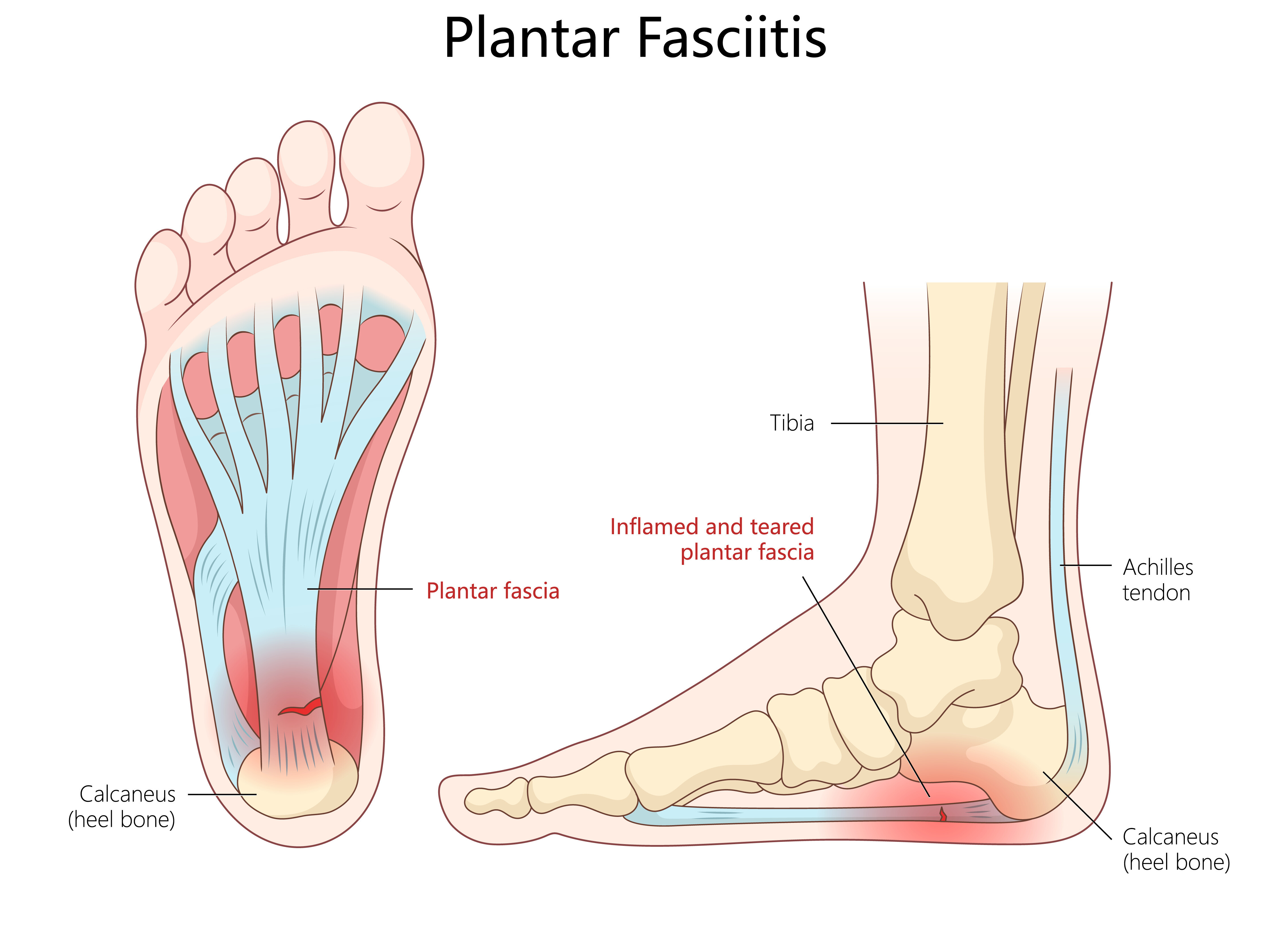
To understand how certain shoes contribute to plantar fasciitis, one must first consider the role of the plantar fascia. This ligamentous band acts as a shock absorber and supports the arch of the foot. When a shoe fails to distribute pressure evenly across the foot, the fascia is forced to compensate, often stretching beyond its capacity.
Footwear that contributes to this condition generally fails in one of three ways:
- Lack of Arch Support: The most common offender is the flat, thin-soled shoe. When the arch is unsupported, it collapses inward (over-pronation), which puts repetitive, uneven tension on the plantar fascia at its attachment point on the calcaneus (heel bone).
- Inadequate Cushioning: Shoes with rigid or worn-out midsoles do not absorb the ground reaction forces during walking or running. This impact is transferred directly into the foot structures, leading to micro-tears in the fascia.
- Structural Instability: Shoes that are too flexible, particularly those that can be bent in half easily, provide no torsional rigidity. A stable shoe should bend only at the toe box, where the foot naturally flexes.
Common Footwear Types That Increase Risk
Not all shoes are created equal, and some designs are inherently more likely to cause or exacerbate heel pain. Understanding these risks can help you make more informed decisions about your daily footwear.
Flat Sandals and Flip-Flops
While convenient for warm weather, cheap flip-flops and flat sandals are often devoid of any structural integrity. They provide zero arch support and zero shock absorption. Because these shoes require the toes to "grip" the sole to keep the shoe attached to the foot, they create abnormal mechanical tension that travels up the foot and into the heel.
High Heels and Stilettos
High heels create a cascade of biomechanical issues. By placing the foot in a constant state of plantarflexion (pointing the toes downward), the calf muscles eventually shorten and tighten. A tight calf muscle complex pulls on the Achilles tendon, which is connected to the heel bone, subsequently tugging on the plantar fascia. This chronic tension is a leading cause of tissue inflammation.
Worn-Out Athletic Shoes
Athletic shoes have a finite lifespan. Even high-quality running or walking shoes eventually lose their "rebound" properties. Once the midsole foam (typically EVA or polyurethane) has compressed and hardened, the shoe provides less cushioning than a barefoot surface. Wearing these shoes for daily activities long after their structural mileage has been exceeded is a frequent cause of sudden-onset plantar fasciitis in otherwise active individuals.
Comparison Table: Shoe Characteristics and Risk Factors
The following table categorizes common footwear features and their impact on foot health regarding plantar fasciitis.
| Shoe Type | Arch Support | Shock Absorption | Risk Level |
|---|---|---|---|
| Performance Running Shoes | High | High | Low |
| Stiff-soled Dress Shoes | Low/None | Low | High |
| Thin Flat Sandals | None | None | Very High |
| High Heels (> 2 inches) | Minimal | Low | Very High |
| Orthopedic/Supportive Loafers | High | Medium/High | Low |
Identifying the Right Footwear Features
If you are currently managing heel pain, or looking to prevent its onset, prioritize shoes that incorporate specific design elements aimed at protecting the plantar fascia.
- Rigid Midfoot: Hold the shoe by the heel and the toe box. It should be firm and resist twisting. If the shoe twists like a towel, it is likely too unstable for long-term wear.
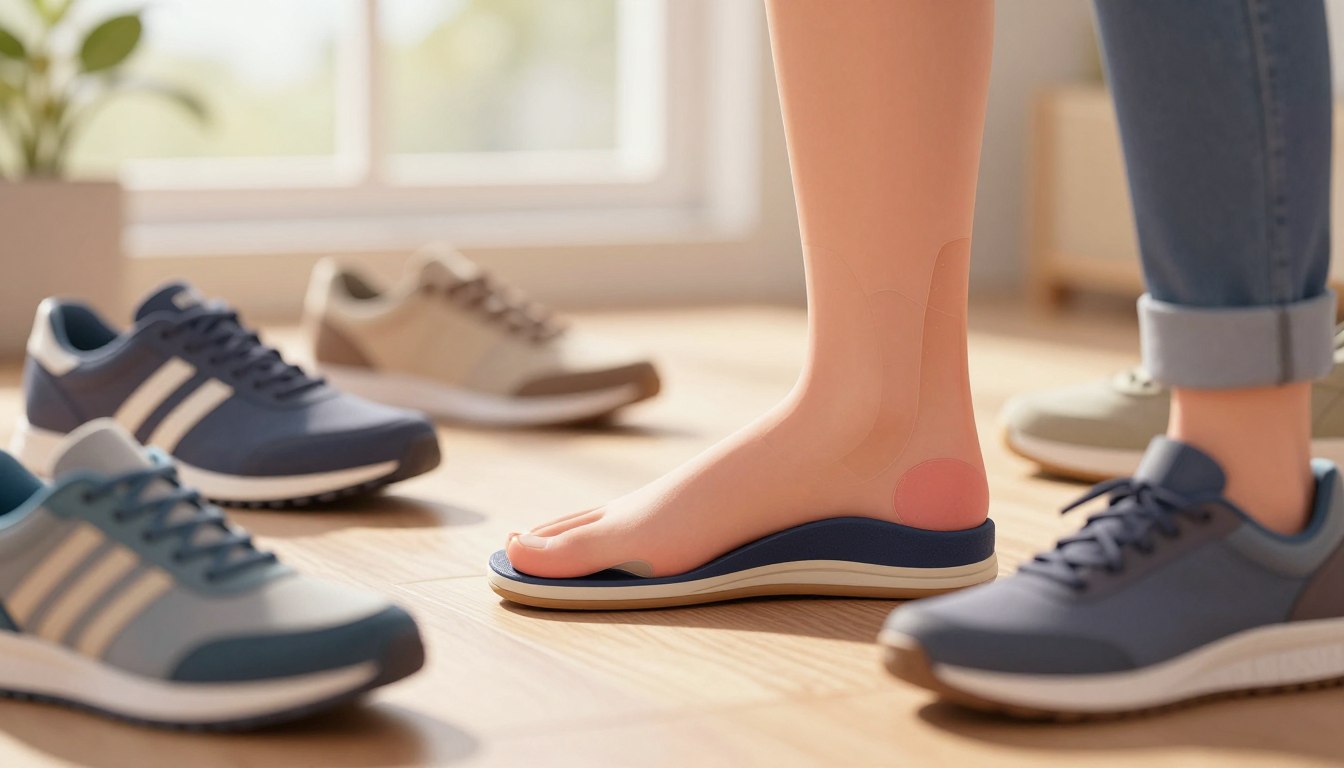
- Contoured Footbeds: Look for shoes with a molded arch that mimics the natural shape of the foot. This distributes weight away from the heel and onto the broader surface of the arch.
- Heel Cushioning: A slightly elevated heel—often called "heel drop"—is beneficial. A drop of 8mm to 12mm in athletic shoes helps take the tension off the calf muscles and the plantar fascia, reducing the mechanical stress that triggers inflammation.
- Removable Insoles: Shoes that allow you to remove the factory insole enable you to replace it with a custom orthotic or a high-quality over-the-counter arch support insert if the original shoe support proves insufficient.
Addressing the Role of Gait and Surface
It is important to note that shoes interact with both your gait and the surface you walk on. Even a supportive shoe can be rendered ineffective if your gait cycle involves extreme over-pronation. If you suspect your footwear is causing pain, consider an evaluation by a podiatrist or a physical therapist. They can perform a gait analysis to determine if you require motion-control shoes or specific orthotic interventions to correct inward rolling.
Furthermore, consider the surfaces you encounter daily. Standing for eight hours on concrete floors in unsupportive footwear is significantly more damaging than walking on varied, softer surfaces. In industrial or retail environments, the requirement for safety footwear often necessitates the use of heavy, rigid boots. In such cases, replacing the standard liners with industrial-grade fatigue mats or orthotic insoles is a mandatory step to mitigate the risk of injury.
FAQ: Questions Regarding Footwear and Heel Pain
Can barefoot walking cause plantar fasciitis? For many, walking barefoot on hard surfaces like tile or hardwood flooring removes necessary cushioning and support. While "barefoot" training has proponents, those with existing foot conditions or structural weaknesses often find that walking barefoot increases pain by allowing the arch to flatten excessively against hard surfaces.
How often should I replace my shoes to prevent pain? Generally, athletic shoes should be replaced every 300 to 500 miles. For daily walking shoes, if you notice the heel counter has collapsed or the midsole foam feels "dead" or compressed, it is time to replace them, regardless of how the outsole treads look.
Do orthotics really help, or are they just expensive inserts? High-quality orthotics, particularly those custom-molded to your foot, help maintain the structural integrity of the arch. They are not merely "cushioning" but rather functional tools that correct alignment. For most, medical-grade, pre-fabricated orthotics are sufficient to support the arch and offload the heel.
Is there a specific "cure" shoe for plantar fasciitis? There is no "cure-all" shoe. Because every individual's foot shape, arch height, and biomechanics are unique, the best approach is to find a shoe that matches your specific foot type—whether you are flat-footed, have high arches, or have a neutral gait.
Can I wear high heels if I have a history of plantar fasciitis? It is not recommended to wear high heels frequently if you are prone to plantar fasciitis. If you must wear them for social occasions, try to limit the duration, use silicone heel inserts, and perform calf stretches immediately after removing them to counteract the shortening of the posterior chain muscles.
Next Steps for Foot Health
If you are experiencing persistent heel pain, the first step is to evaluate your current footwear rotation. Identify which shoes are older than one year or lack structural support, and consider removing them from your daily rotation immediately. For those who cannot avoid standing on hard surfaces for long periods, investing in orthotic insoles or high-quality supportive footwear is an essential maintenance task.
Should pain persist despite changing your footwear, consult a healthcare professional. Plantar fasciitis, when left untreated, can lead to chronic changes in the tissue or gait compensations that cause secondary issues in the knees, hips, and lower back. Footwear is a tool for prevention and comfort; it is not a replacement for medical diagnosis when injury occurs.
Image Gallery