Navigating Property Roots Search for a Tenant: A Comprehensive 2026 Landlord Guide
Property Roots search for a tenant streamlines the landlord-tenant matching process by utilizing modern PropTech integrations, targeted digital marketing, and rigorous screening frameworks to minimize vacancy rates and secure reliable...
Property Roots search for a tenant streamlines the landlord-tenant matching process by utilizing modern PropTech integrations, targeted digital marketing, and rigorous screening frameworks to minimize vacancy rates and secure reliable occupants in 2026. Successfully executing this tenant search requires a strategic balance of compliance, digital visibility, and financial verification to protect your real estate investment.
Contents
Understanding the Tenant Search Framework within Property Roots Ecosystems
The modern real estate landscape demands structured workflows for landlords seeking qualified tenants. Property Roots functions as a comprehensive property management and leasing ecosystem designed to bridge the gap between independent landlords, property portfolios, and prospective renters. When initiating a tenant search through this framework, property owners must understand the operational mechanics that govern listing syndication, lead generation, and initial prospect filtering.
Achieving success in a tenant search starts with proper positioning. Properties must be priced accurately based on current 2026 localized rental market data, factoring in supply, demand, and municipal adjustments. Furthermore, property presentation dictates the quality of inbound inquiries. Utilizing professional photography, transparent lease terms, and detailed property descriptions ensures that the initial search phase attracts high-intent applicants rather than unqualified inquiries.
Core Prerequisites and Legal Compliance for 2026 Landlord Operations
Before launching any tenant search, landlords must ensure their properties meet all habitability standards and regulatory requirements. Operating a rental property involves strict adherence to local, state, and federal housing laws, which have seen updated compliance mandates for 2026.
Fair housing laws represent the cornerstone of legal compliance during a tenant search. Landlords must evaluate every applicant using identical, objective criteria. Discriminatory advertising practices, whether explicit or implicit, carry severe regulatory penalties.
- Habitability Standards: Properties must possess functional heating, plumbing, electrical systems, and structural integrity that comply with local municipal codes.
- Fair Housing Compliance: All marketing materials, communication logs, and screening thresholds must strictly align with the Fair Housing Act, prohibiting discrimination based on race, color, national origin, religion, sex, familial status, or disability.
- Documentation Readiness: Landlords need standardized application forms, disclosure templates (such as lead-based paint disclosures for older homes), and clear criteria sheets ready before publishing listings.
- Security Deposit Regulations: Ensure compliance with state-specific statutory limits on security deposit collection amounts and holding account mandates.
Step-by-Step Guide to Executing a Tenant Search
Executing a systematic search process minimizes vacancy duration and prevents costly leasing mistakes. Follow this step-by-step workflow to transition a vacant property into an occupied, revenue-generating asset.
- Property Audit and Valuation: Conduct a thorough inspection of the rental unit, address maintenance deficiencies, and determine the optimal monthly rental rate using comparative market analysis.
- Multi-Channel Listing Syndication: Deploy optimized listings across major rental platforms, real estate portals, and specialized property management software networks to maximize digital exposure.
- Inquiry Management and Pre-Screening: Respond promptly to prospective tenant inquiries by deploying automated or manual pre-screening questionnaires to verify basic qualifications like income thresholds and move-in timelines.
- Property Showings: Host structured open houses or private appointments, ensuring safety protocols and thorough documentation of attendee interest.
- Formal Application Collection: Require all interested parties to complete a standardized, legally compliant rental application detailing employment history, rental background, and personal references.
- Comprehensive Screening Execution: Run credit reports, criminal background checks, eviction history searches, and income verification protocols on top-tier applicants.
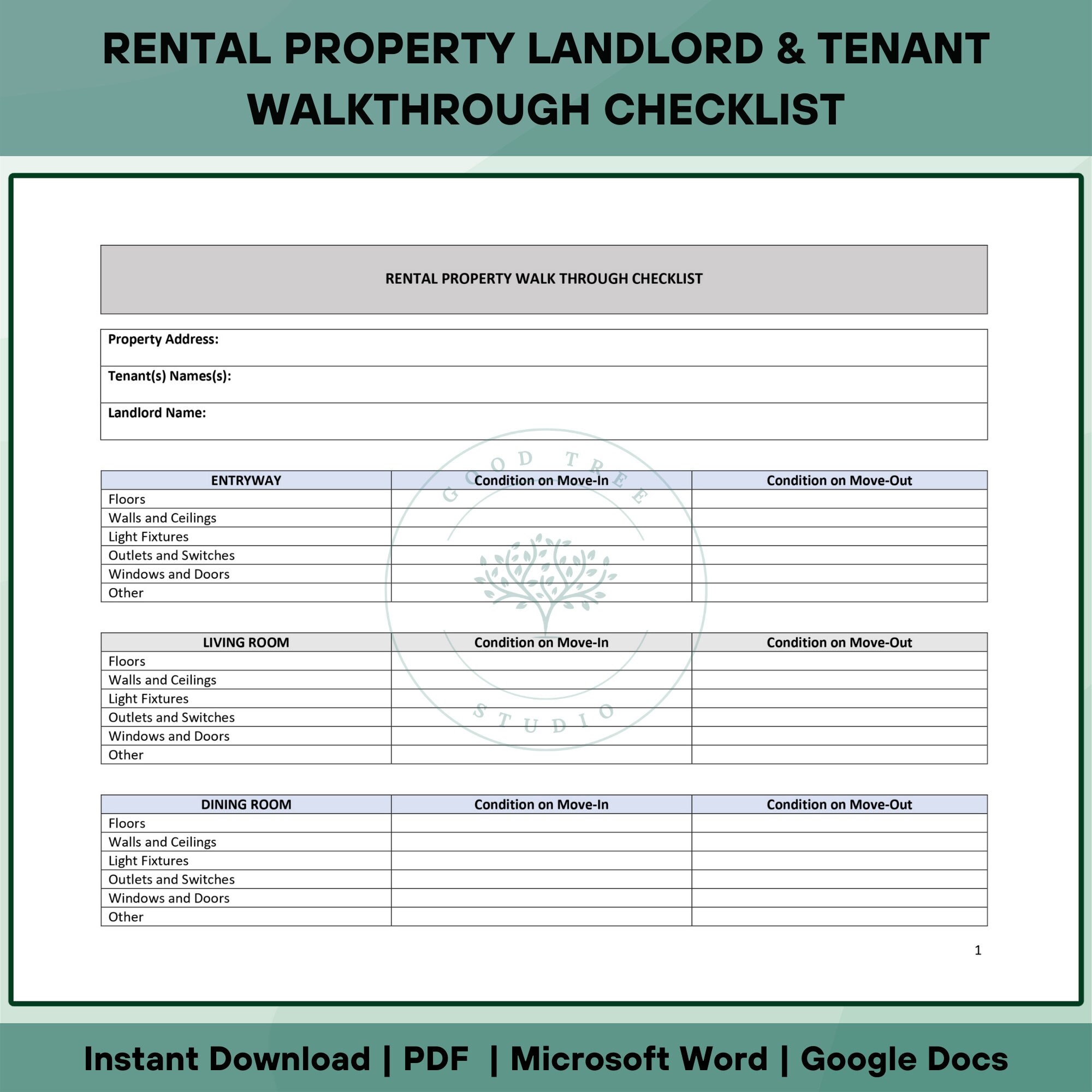
- Lease Execution and Move-In Inspection: Draft a legally binding lease agreement, collect the required security deposits and first month's rent, and complete a detailed move-in condition report signed by both parties.
Evaluating Screening Tools and Methods for Tenant Selection
Choosing the right screening approach dictates the long-term profitability and peace of mind associated with your investment property. Landlords generally choose between self-managed screening suites and outsourced property management platforms.
| Screening Dimension | Self-Managed Digital Platforms | Full-Service PropTech Management | Traditional Manual Verification |
|---|---|---|---|
| Cost to Landlord | Low to Moderate (per-report fees) | High (percentage of monthly rent) | Low (time-intensive) |
| Speed of Results | Instant to 24 hours | 2 to 5 business days | 3 to 7 business days |
| Legal Compliance Risk | Moderate (landlord ensures adherence) | Low (managed by licensed professionals) | High (easy to miss disclosures) |
| Income Verification Accuracy | Automated bank connections & paystub analysis | Direct employer and tax document audits | Manual paystub review only |
| Eviction & Criminal Depth | Statewide and national database sweeps | Comprehensive courthouse and database searches | Basic public record checks |
Financial Analysis: Weighing Vacancy Costs Against Proper Tenant Placement
A common pitfall during a tenant search is rushing the selection process to eliminate vacancy loss. However, placing an unqualified tenant frequently results in exponentially higher costs through unpaid rent, legal eviction proceedings, property damage, and turnover expenses.
Strategic financial planning requires calculating your property's "break-even" vacancy threshold. Spending an additional two weeks marketing a property to secure an applicant with an exceptional credit score and verified stable income is statistically superior to accepting a high-risk applicant immediately. Landlords must factor in the following financial components when budgeting for tenant turnover:
- Marketing and Advertising Expenses: Costs associated with professional photography, premium listing placements, and signage.
- Turnover Maintenance: Painting, deep cleaning, carpet shampooing, and addressing deferred maintenance items between tenants.
- Carrying Costs: Ongoing mortgage payments, property taxes, insurance, and utilities accrued while the unit remains vacant.
- Default Risk Mitigation: The financial buffer provided by robust security deposits and rigorous credit screening against future default.
Common Tenant Search Pitfalls and Troubleshooting Strategies
Even seasoned landlords encounter obstacles during a tenant search. Identifying these challenges early allows for rapid course correction and protects the leasing pipeline.
If a listing generates high view volumes but zero completed applications, the issue typically points to pricing misalignment, unclear pet policies, or subpar visual presentation. Conversely, if an influx of applications arrives from unqualified prospects, the marketing copy may be too broad or fail to state minimum income and credit requirements upfront.
Pricing Adjustments: If a property remains vacant after fourteen days on the market with active inquiries, review comparable local listings and consider a modest rental rate reduction to capture active market demand.
Communication Bottlenecks: Implement CRM-backed automated scheduling tools to eliminate friction in booking property showings, ensuring prospective tenants receive immediate engagement.
Verification Failures: Never rely solely on documents provided directly by the applicant. Always utilize independent third-party verification services to confirm employment and past landlord references.
Frequently Asked Questions About Property Roots Search for a Tenant
How long does a typical property tenant search take?
A standard tenant search takes between two to four weeks from initial listing creation to lease execution. The exact timeline depends on local market inventory, pricing accuracy, and the thoroughness of your marketing campaign.
What are the standard income requirements to look for in a tenant?
Industry standard practice dictates that a prospective tenant's gross monthly income should be at least three times the monthly rental rate. This ensures the household maintains adequate disposable income for living expenses beyond housing costs.
Can landlords legally charge application fees?
Yes, landlords can typically charge application fees to cover the direct hard costs of running credit and background checks. However, statutory limits and regulations regarding these fees vary significantly by state and municipality.
What documents should be included in a complete rental application?
A complete rental application package should include a signed application form, government-issued photo identification, recent paystubs or tax returns for income verification, and contact information for previous landlords and personal references.
How do I handle multiple qualified applicants for a single property?
When multiple applicants meet all published screening criteria objectively, landlords generally select the first applicant who submitted a complete application package or utilize a transparent, predetermined backup system while maintaining strict fair housing compliance.
Maximizing Your Rental Investment Success
Executing an effective tenant search requires combining structured digital workflows, strict adherence to legal standards, and uncompromising screening criteria. By treating the tenant selection process as a vital risk-management procedure rather than a mere administrative hurdle, landlords safeguard their rental assets, optimize cash flow, and cultivate long-term, positive tenancy relationships.
Image Gallery