Wounded Warrior Support Systems and Comprehensive Care Frameworks in 2026
The Wounded Warrior Project and associated advocacy networks provide vital health, mental health, and economic support services to post-9/11 veterans. These organizations coordinate specialized medical care, career counseling, and legi...
The Wounded Warrior Project and associated advocacy networks provide vital health, mental health, and economic support services to post-9/11 veterans. These organizations coordinate specialized medical care, career counseling, and legislative advocacy to address the complex physical and psychological injuries sustained during military service.
Contents
Understanding the Scope of Modern Combat Injuries
The nature of military deployments over the past two decades has fundamentally reshaped veteran care requirements. Modern combat environments produce complex injury profiles that demand integrated medical and psychosocial interventions. Unlike historical conflicts, advancements in battlefield medicine and personal protective equipment ensure higher survival rates for severe trauma, resulting in a growing population of veterans managing polytrauma.
Veterans frequently present with intersecting conditions that require coordinated specialist oversight rather than isolated treatments. The primary clinical challenges span both physical and neurological spectra:
- Traumatic Brain Injury (TBI): Ranging from mild concussions to severe penetrating trauma, TBI often co-occurs with post-traumatic stress disorder (PTSD), creating diagnostic and therapeutic overlap.
- Polytrauma and Limb Loss: Advanced prosthetic engineering and targeted physical rehabilitation allow amputees to regain significant mobility, though lifelong maintenance and chronic pain management remain critical.
- Invisible Wounds of War: Post-Traumatic Stress Disorder (PTSD), Military Sexual Trauma (MST), and major depression require evidence-based psychotherapeutic modalities.
- Chronic Pain and Musculoskeletal Degeneration: Years of carrying heavy equipment lead to premature joint wear, spinal injuries, and chronic pain syndromes requiring multimodal pain management.
Core Pillars of Veteran Assistance and Rehabilitation Services
Comprehensive support infrastructure depends on multi-tiered programming designed to transition wounded service members from acute military medical facilities back into civilian society. Organizations operating in this space structure their service delivery models around distinct operational pillars.
Mental Health and Psychological Resilience
Addressing psychological trauma requires specialized clinical environments. Programs such as the Wounded Warrior Project's Project Odyssey utilize multi-day adventure-based mental health workshops to help veterans process combat stress in peer-supported settings. These initiatives complement traditional clinical psychotherapy by reducing isolation and teaching emotional regulation techniques.
Physical Health and Adaptive Sports
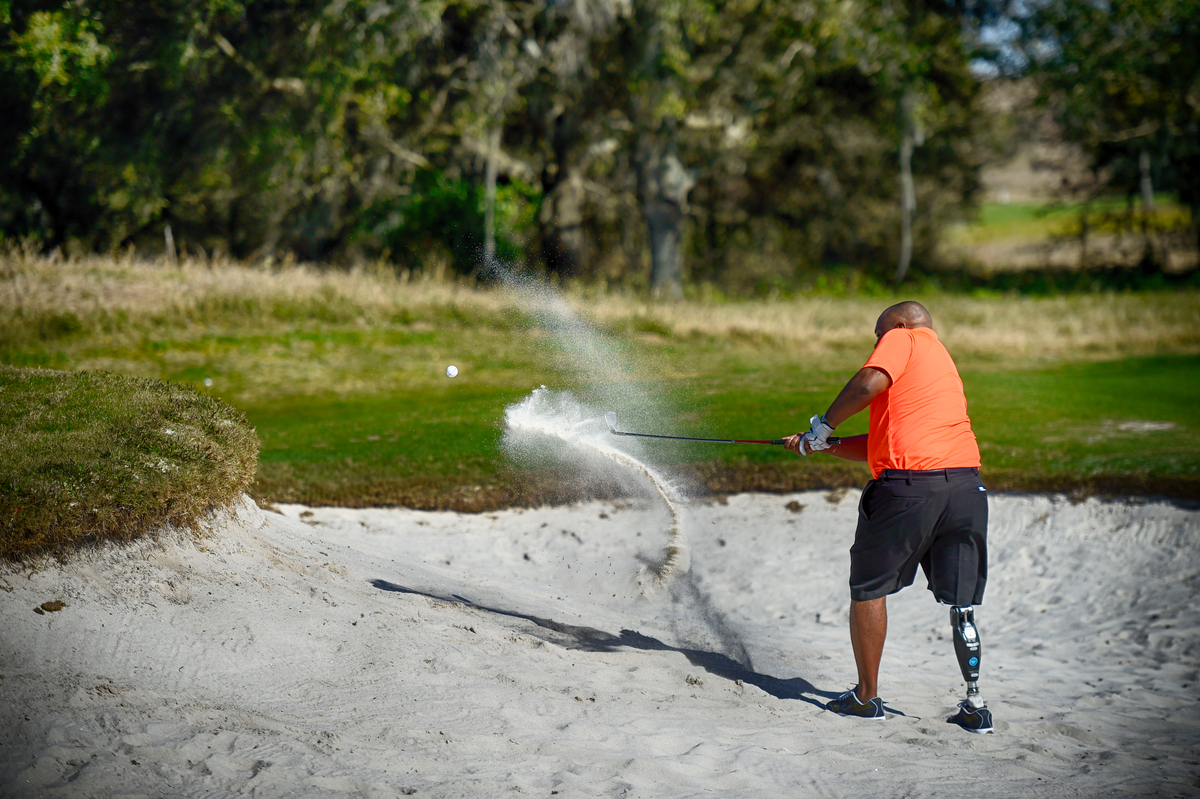
Rehabilitation extends far beyond clinical walls. Adaptive sports programs utilize physical activity to accelerate physical recovery, rebuild self-confidence, and foster camaraderie. Structured athletic regimens help veterans adapt to physical limitations, improve cardiovascular health, and lower reliance on pharmaceutical interventions for pain and mood management.
Economic Empowerment and Career Transition
Financial stability serves as a primary social determinant of health for transitioning veterans. Economic assistance frameworks focus on removing barriers to long-term employment through targeted interventions:
- Resume Translation: Converting military occupational specialties (MOS) into civilian corporate terminology.
- Vocational Training: Sponsoring certifications in high-demand sectors such as information technology, logistics, and project management.
- Direct Employer Partnerships: Collaborating with Fortune 500 companies committed to hiring veterans and military spouses.
- Emergency Financial Assistance: Providing immediate grants to prevent homelessness, utility shutoffs, and food insecurity during critical transition gaps.
Comparative Overview of Veteran Support Programs
Navigating the landscape of veteran assistance requires understanding the distinct scopes, funding models, and primary objectives of major supporting organizations. The table below outlines the primary entities providing care within the 2026 ecosystem.
| Organization / Program | Primary Focus Area | Target Demographic | Key Service Delivery Mechanism |
|---|---|---|---|
| Wounded Warrior Project (WWP) | Comprehensive health, mental health, and policy advocacy | Post-9/11 combat-injured veterans and service members | Direct grant programs, peer support groups, and legislative lobbying |
| Department of Veterans Affairs (VA) | Healthcare delivery and statutory disability benefits | All honorably discharged veterans meeting active-duty criteria | National hospital and clinic networks, VA disability compensation |
| Semper Fi & America's Fund | Financial assistance and bedside support | Critically ill and injured service members from all branches | Direct financial grants, family support housing, specialized equipment |
| DAV (Disabled American Veterans) | Benefits advocacy and transportation | Veterans with service-connected disabilities | Free claims representation, nationwide veteran transportation networks |
Step-by-Step Guide to Accessing Specialized Support Services
Securing assistance requires navigating specific administrative pathways. Meeting eligibility criteria and preparing documentation in advance streamlines the intake process across both governmental and non-profit systems.
- Verify Eligibility Status: Confirm that discharge documentation (DD-214) reflects service dates and injury classifications aligning with specific program mandates, particularly the post-9/11 service window required by certain non-profit entities.
- Gather Medical and Service Records: Collect Line of Duty determinations, medical separation documents, and current treatment notes detailing physical or psychological conditions.
- Initiate Intake Assessment: Contact the intake department of the chosen organization via secure online portals or dedicated veteran service officer (VSO) networks to schedule an initial psychosocial evaluation.
- Develop a Personalized Care Plan: Collaborate with case managers to map out immediate financial needs, mental health referrals, and long-term vocational goals.
- Engage Peer Support Networks: Connect with local alumni groups or mentorship programs to ensure continuous community engagement throughout the recovery journey.
Operational Limitations, Costs, and Policy Realities
While robust support systems exist, wounded veterans frequently encounter structural challenges. Recognizing these limitations helps families prepare for potential administrative bottlenecks and financial gaps.
- Jurisdictional and Eligibility Silos: Non-profit assistance programs often maintain strict criteria based on the date and nature of injury, leaving some pre-9/11 veterans or peacetime injured personnel ineligible for specific grants.
- VA Processing Backlogs: Despite modernization efforts, statutory disability claims and appeal processes can experience extended wait times, necessitating interim financial or medical support.
- Geographic Disparities in Care: Veterans residing in rural areas may face significant travel burdens to access specialized polytrauma centers or certified mental health clinicians.
Frequently Asked Questions
What specific criteria determine eligibility for Wounded Warrior support programs?
Eligibility generally requires post-9/11 active-duty service with an injury, illness, or wound incurred or aggravated on or after September 11, 2001. Certain programs extend support to family members and caregivers of qualifying veterans.
How do non-profit veteran organizations coordinate with the Department of Veterans Affairs?
Non-profits operate independently of the VA to provide supplementary financial, social, and mental health programs that fill gaps in government services. They often assist veterans in navigating VA claims processes but do not replace official VA healthcare or disability determinations.
Are family members and caregivers eligible for assistance?
Yes, many comprehensive support frameworks offer dedicated mental health counseling, respite care grants, and educational support specifically designed for primary caregivers and family members of severely wounded veterans.
What immediate financial assistance is available for transitioning veterans facing crisis?
Emergency financial assistance programs provide short-term grants for basic needs such as housing, utilities, and food to prevent immediate destitution while long-term benefit claims are processed.
How can a veteran access specialized PTSD and TBI treatment outside traditional VA channels?
Organizations like the WWP fund specialized clinical networks, such as the Warrior Care Network, which partner with academic medical centers to deliver intensive outpatient mental health care programs.
Strategic Recommendations for Veterans and Caregivers
Navigating the recovery ecosystem requires proactive engagement and utilization of available advocacy resources. Veterans and their families should establish relationships with accredited VSOs early in the transition process to maximize statutory benefits. Combining federal healthcare resources with specialized non-profit mental health and career programs ensures a holistic approach to long-term well-being and civilian reintegration.
Image Gallery