Adidas Apologizes for Controversial Ad Campaign: Analysis, Impact, and Crisis Lessons
Adidas issued an official public apology and revised a major global marketing campaign after facing intense criticism over its relaunch of the retro SL 72 sneaker. The controversy arose because the campaign drew unintended parallels to...
Adidas issued an official public apology and revised a major global marketing campaign after facing intense criticism over its relaunch of the retro SL 72 sneaker. The controversy arose because the campaign drew unintended parallels to the tragic 1972 Munich Olympics, prompting Adidas to pull campaign assets, apologize to public stakeholders and brand ambassadors, and re-evaluate its internal risk-assessment protocols.
Contents
The SL 72 Campaign and Historical Context
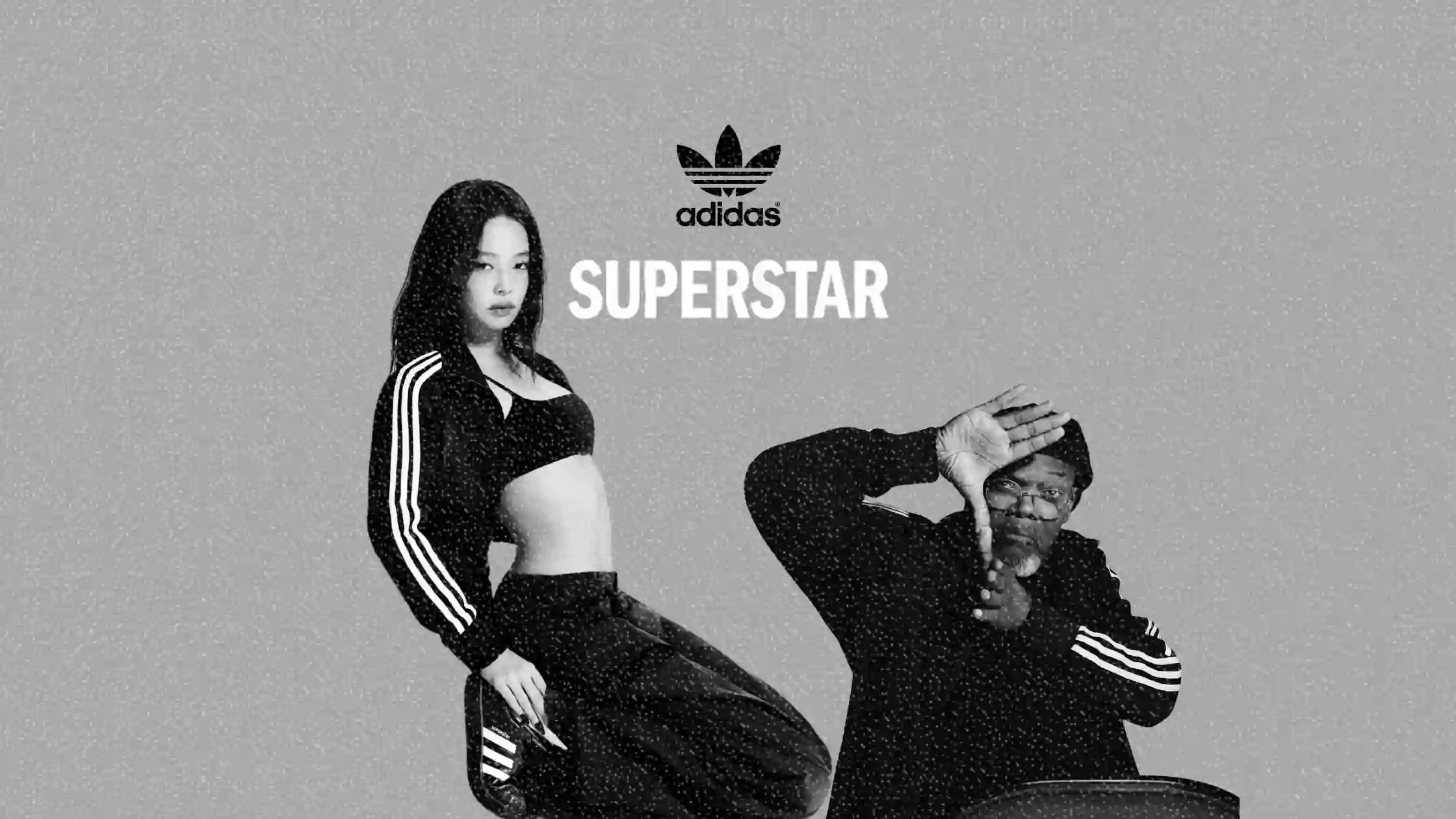
In mid-2024, Adidas launched a promotional campaign celebrating the re-release of its SL 72 sneaker. Originally introduced for the 1972 Summer Olympics in Munich, Germany, the "Super Light 72" was a landmark design in performance running gear. To highlight the shoe's heritage, Adidas designed a retro-themed marketing effort featuring high-profile cultural figures, including supermodel Bella Hadid, musician A$AP Nast, and footballer Jules Koundé.
However, the historical context of the 1972 Munich Olympics carries deep geopolitical and humanitarian significance. During those Games, eleven members of the Israeli Olympic team and a West German police officer were taken hostage and murdered by the Palestinian militant group Black September.
The decision to feature Bella Hadid—a prominent model of Palestinian heritage who has been openly vocal on Middle Eastern politics—in a campaign referencing the 1972 Munich Games ignited immediate outcry from civil rights organizations, advocacy groups, and public commentators. Critics argued that pairing an ambassador associated with Palestinian activism with a footwear line explicitly linked to the 1972 Munich Games demonstrated severe historical insensitivity and an absence of corporate oversight.
| SL 72 Campaign Controversy Overview | |
|---|---|
| Historical Event | 1972 Munich Summer Olympics (Black September Attack) |
| Product Line | Adidas SL 72 Retro Sneaker Relaunch |
| Key Controversy | Casting choice and historical framing in global promotional assets |
| Corporate Action | Campaign withdrawal, public apology, internal audit |
Chronology of the Backlash and Corporate Response
The campaign quickly drew public scrutiny across digital channels and mainstream news outlets. Within days of the media launch, organizations such as the American Jewish Committee (AJC) and official diplomatic social media accounts called attention to the campaign's historical overlap, urging Adidas to address the issue.
Immediate Corporate Apology and Asset Withdrawal
Adidas responded by halting the distribution of the campaign imagery featuring Hadid and issuing a public statement acknowledging the lapse in judgment:
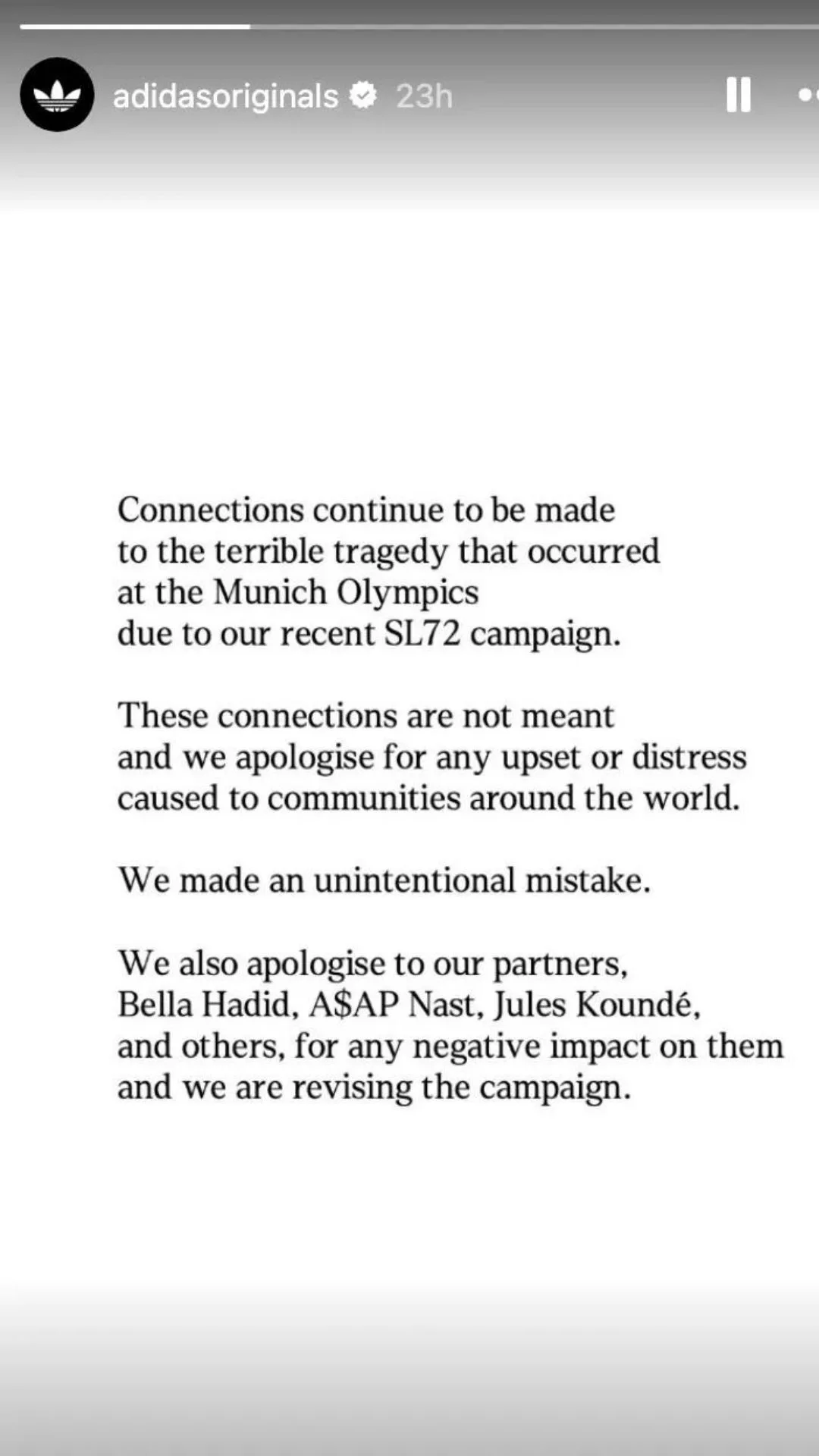
"We are conscious that connections have been made to tragic historical events — though these were completely unintentional — and we apologize for any upset or distress caused. As a result, we are revising the remainder of the campaign."
Following the initial statement, Adidas issued a second public clarification to directly address the impact on its commercial partners and brand ambassadors. The company acknowledged that the public oversight subjected campaign talent—including Hadid, Asia Chowdhury, and others—to unintended public fallout and online harassment.
Legal and Contractual Fallout
The execution of the campaign withdrawal brought additional scrutiny regarding contractual obligations and talent management:
- Ambassador Retention of Legal Counsel: Following her removal from the active promotional push, media reports indicated that Hadid engaged legal representation to address potential breach of contract and damages to professional reputation resulting from how the campaign's crisis response was executed.
- Morality Clauses and Corporate Risk: The incident highlighted how standard corporate morality clauses—traditionally used by brands to sever ties with ambassadors involved in personal scandals—can become complicated when public backlash stems from the brand’s own creative framing rather than the talent's individual conduct.
Comparative Case Studies: Adidas's Public Relations Crises
This event was not the first instance of Adidas navigating high-stakes public relations challenges. Analyzing how the company handled previous marketing and endorsement crises reveals evolving patterns in enterprise crisis management and public communication.
| Incident Year | Incident Context | Core Vulnerability | Primary Corporate Response | Long-Term Operational Outcome |
|---|---|---|---|---|
| 2017 | Boston Marathon Email | Automated subject line stated: "You survived the Boston Marathon!" four years after the 2013 bombing. | Immediate public apology within 24 hours acknowledging severe oversight. | Implemented strict context-checking protocols for automated digital marketing channels. |
| 2022 | Yeezy Partnership Termination | Anti-Semitic public remarks by partner Ye (Kanye West). | Immediate suspension of product lines, contract termination, and reallocation of inventory. | Substantial write-down of inventory; established structured charity donation models for remaining stock sales. |
| 2024 | SL 72 Retro Campaign | Launch of 1972 Munich sneaker featuring talent tied to sensitive political discourse. | Partial withdrawal of campaign assets, public apology to stakeholders and talent, creative redesign. | Enhanced historical and geopolitical review frameworks within global creative teams. |
Structural Failure Points in Global Marketing Approval Chains
When global enterprises face public backlash over marketing campaigns, the root cause is rarely a single employee's mistake. Instead, it typically points to systemic breakdowns across multi-tiered approval chains.
1. Compartmentalized Creative and Compliance Teams
In large corporations, creative direction, influencer procurement, and legal risk management often operate in silos. Creative teams prioritize aesthetic resonance and cultural relevance, while legal compliance teams focus primarily on intellectual property, trademark clearance, and basic contract enforcement. Historical vetting frequently falls into a operational gap where no single department bears clear responsibility for contextual risk assessment.
2. Failure of Global Localization Vetting
Campaigns designed at corporate headquarters may pass domestic legal checks but fail to evaluate regional, historical, or geopolitical sensitivities. What appears to a regional creative team as a straightforward retro product line can carry deep trauma or political friction in specific international markets.
3. Misalignment of Endorsement Risk Assessment
Modern influencer strategies rely on casting figures with strong cultural identities. However, when corporate teams fail to map an ambassador's public persona against the specific historical theme of a product line, the brand exposes both itself and the ambassador to severe public criticism.
Crisis Management Protocols for Enterprise Brands
To prevent similar failures, multinational corporations use structured governance frameworks that integrate historical, geopolitical, and cultural audits into their standard product launch workflows.
- Product Concept & Heritage Vetting
- Geopolitical & Historical Context Audit
- Talent Alignment & Contractual Review
- Multi-Regional Compliance Sign-Off
- Campaign Execution & Crisis Preparedness
Stage 1: Historical and Geopolitical Auditing
Before greenlighting retro product launches or thematic campaigns, brands must conduct independent contextual audits. This involves checking:
- Historical Event Alignment: Are there tragic, sensitive, or politically charged events connected to the launch date, location, or original product era?
- Cultural Sensitivity Mapping: How might different demographic groups or international regions interpret the combined elements of the campaign?
Stage 2: Independent Casting Audits
Endorsement decisions must be reviewed independently from campaign concepts. Casting directors and brand safety officers must evaluate whether an ambassador's public background creates unintended juxtapositions when paired with specific products, slogans, or historical backdrops.
Stage 3: Stakeholder Protection in Public Statements
When a crisis occurs, corporate communications must balance addressing public concerns with protecting commercial partners. Terminating an asset run without acknowledging the brand's own role in the misstep can expose the organization to legal challenges from talent legal teams and alienate consumer bases.
Frequently Asked Questions
Why did Adidas apologize for the SL 72 sneaker ad campaign?
Adidas apologized because the campaign promoted a sneaker originally introduced at the 1972 Munich Olympics—where 11 Israeli team members were killed in a terror attack—while featuring Bella Hadid, a model of Palestinian descent who actively advocates for Palestinian political causes. Critics argued the combination demonstrated a severe lack of historical awareness and sensitivity.
Did Adidas cancel the SL 72 shoe line entirely?
No. Adidas did not cancel the production or retail distribution of the SL 72 sneaker line itself. Instead, the company revised the promotional materials, pulled specific advertisement assets featuring certain ambassadors, and reshaped the broader marketing narrative surrounding the product.
How did the talent react to the campaign changes?
Following the campaign's withdrawal, reports indicated that Bella Hadid retained legal counsel to address the handling of her removal from the campaign, emphasizing potential reputational impact and contractual issues resulting from the company's public rollout and subsequent pivot.
What steps do companies take after a major advertising crisis?
After a high-profile marketing misstep, enterprise brands typically institute internal governance reviews, restructure multi-tiered approval processes to include independent historical and cultural risk assessments, adjust ambassador contract frameworks, and update stakeholder communication protocols.
What legal protections exist in celebrity endorsement contracts during a crisis?
Endorsement contracts typically include morality clauses that define when either party can terminate an agreement due to reputational damage. However, when the controversy stems from the brand's campaign design rather than the ambassador's independent conduct, general contract terms, non-disparagement covenants, and indemnification clauses dictate the legal and financial remedies available to the ambassador.
Actionable Takeaways for Marketing and Brand Governance Leaders
Corporate leadership, chief marketing officers, and legal teams can apply several concrete risk-mitigation strategies to prevent governance failures in global advertising campaigns:
- Establish an Independent Context Review Board: Introduce a mandatory sign-off phase for all global campaigns that evaluates political, historical, and demographic sensitivities independently from the creative marketing team.
- Standardize Ambassador Alignment Reviews: Ensure celebrity and influencer casting choices are cross-referenced against product heritage, launch themes, and historical contexts prior to contract execution.
- Draft Balanced Contractual Morality Clauses: Structure talent agreements to address scenarios where public controversy arises from corporate creative decisions rather than ambassador misconduct, protecting both the brand and the individual.
- Prepare Multi-Stage Crisis Response Plans: Develop crisis communication frameworks that address all affected parties—including consumers, legal advocacy groups, internal staff, and commercial partners—simultaneously to minimize collateral legal and reputational damage.
Image Gallery