Navigating Pacific Life Insurance Donation Requests: Foundation Grants and Policy Gifting Guidelines
A Pacific Life insurance donation request typically refers to two distinct philanthropic processes: non-profit organizations requesting grant funding or corporate sponsorships directly from the Pacific Life Foundation, or policyholders...
A Pacific Life insurance donation request typically refers to two distinct philanthropic processes: non-profit organizations requesting grant funding or corporate sponsorships directly from the Pacific Life Foundation, or policyholders seeking to donate a Pacific Life insurance policy to a qualified charitable organization. Both avenues require specific documentation, strict eligibility adherence, and precise execution to ensure compliance with financial regulations and corporate giving guidelines.
Contents
Understanding Pacific Life Donation Requests: Two Main Paths
Searching for a "Pacific Life insurance donation request" usually stems from one of two needs. Non-profit fundraising managers often seek corporate charitable grants or event sponsorships from the Pacific Life Foundation. Alternatively, individual policyholders or estate planners aim to gift an existing Pacific Life term, whole, or universal life policy to a registered 501(c)(3) charity.
- Pacific Life Donation Request
- Institutional Grants & Sponsorships
- Pacific Life Foundation
- Regional Focus Areas
- 501(c)(3) Verification
- Individual Policy Gifting
- Absolute Assignment
- Beneficiary Designation
- Tax Deductions (IRS)
- Institutional Grants & Sponsorships
Distinguishing between institutional financial support and personal policy assignment ensures that applications and policy changes land with the correct department. Submitting grant requests through individual policy service lines or submitting policy assignment forms to the philanthropic foundation causes administrative delays.
Pacific Life Foundation Grants and Corporate Sponsorships
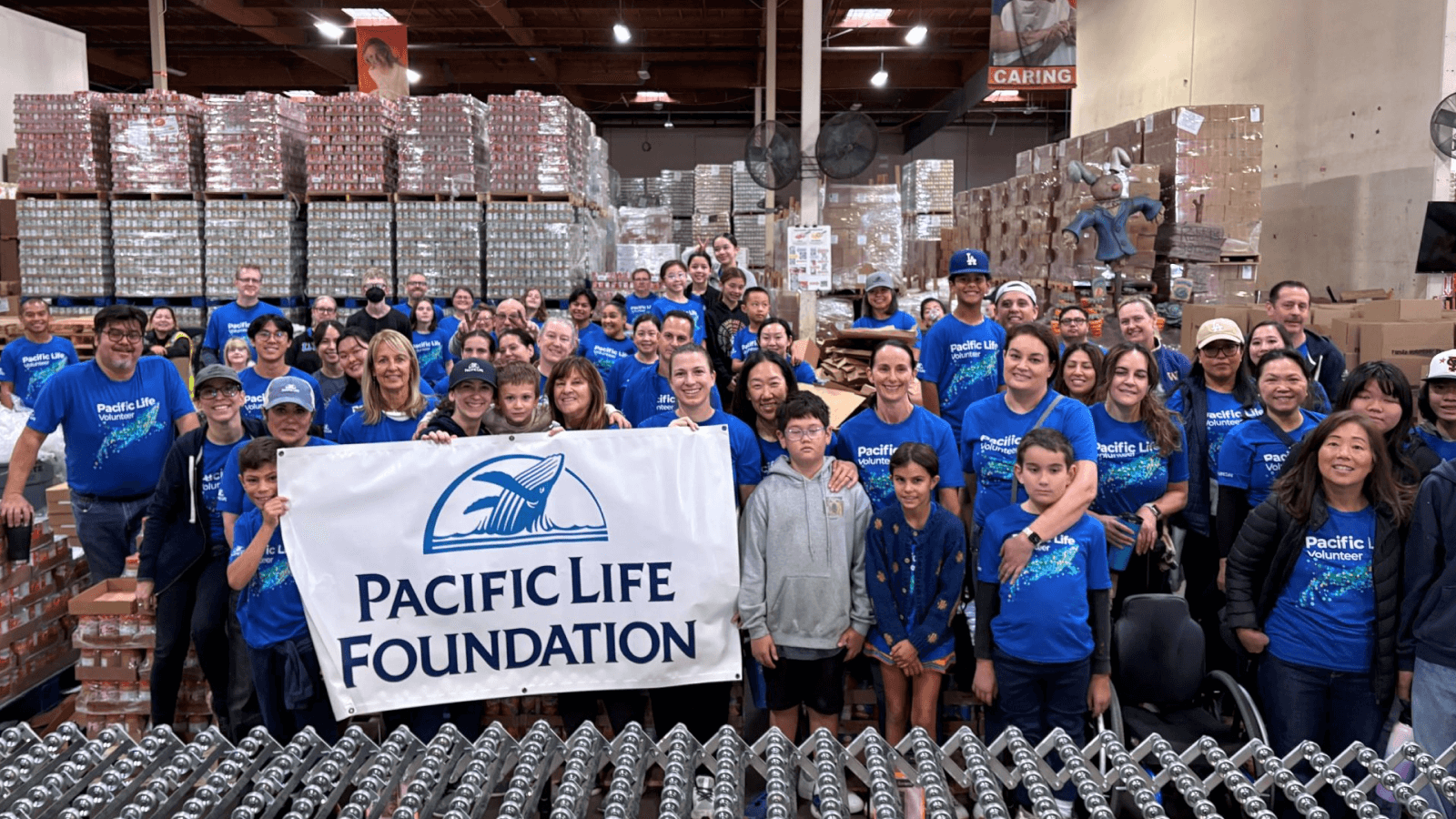
The Pacific Life Foundation, established in 1984, functions as the primary charitable giving arm of the Pacific Life Insurance Company. The foundation directs community outreach, financial grants, and local event sponsorships to non-profit agencies operating within specific geographic areas and programmatic categories.
Target Focus Areas and Funding Priorities
The foundation allocates funding across structured strategic focus areas designed to strengthen local communities:
- Health and Human Services: Programs addressing basic human needs, emergency shelter, food security, youth development, and support for vulnerable populations.
- Education: K-12 educational initiatives, literacy projects, and higher education assistance, often emphasizing science, technology, engineering, and mathematics (STEM) curricula.
- Arts and Culture: Regional performing arts, museums, cultural institutions, and community arts access programs.
- Environment and Ocean Conservation: Initiatives focused on marine research, coastal protection, and environmental stewardship, aligning with Pacific Life’s corporate identity and historical commitment to ocean wildlife protection.
Geographic Eligibility and Operational Requirements
The Pacific Life Foundation concentrates its philanthropic giving in areas where Pacific Life maintains a significant operational footprint and employee concentration. Primary focus communities include:
- Orange County, California: Surrounding the corporate headquarters in Newport Beach.
- Greater Omaha, Nebraska: Supporting regional operations and underwriting centers.
- Lynchburg, Virginia: Assisting operational and customer support hubs.
- Selected Regional Field Offices: Specific funding allocations for communities housing major regional sales offices.
To qualify for community grants, organizations must hold an active 501(c)(3) public charity status from the Internal Revenue Service (IRS). Private foundations, political organizations, individuals, religious groups seeking funding for sectarian purposes, and organizations operating outside designated service areas are generally ineligible for traditional community grants.
Application Timelines and Submission Process
The Pacific Life Foundation operates structured annual grant cycles rather than rolling open applications for all categories. Understanding these windows prevents missed opportunities:
| Timeline | Stage |
|---|---|
| January – March | Grant portal opens for initial agency registration |
| April – June | Formal proposal review and site visits |
| July – September | Foundation board evaluations |
| October – December | Grant distribution and public announcements |
Applicants must submit proposals through the foundation’s online portal. Submissions require:
- Proof of IRS 501(c)(3) tax-exempt status.
- Detailed project budgets and organizational financial statements (audited Form 990).
- Measurable performance metrics demonstrating impact within targeted geographic regions.
- A comprehensive project narrative detailing how the grant fulfills a specific community need.
Donating a Pacific Life Insurance Policy to a Nonprofit
For policyholders, donating a life insurance policy offers a tax-efficient way to make a major philanthropic gift. Gifting an existing or new Pacific Life insurance policy allows donors to leverage relatively modest premium payments into a substantial future charitable legacy.
Ways to Gift a Life Insurance Policy
Donors can structure a Pacific Life policy contribution in several ways, depending on their financial goals, liquidity needs, and tax strategy:
1. Transfer of Ownership (Absolute Assignment)
The donor transfers complete ownership of the policy to the 501(c)(3) charity. The charity becomes both the owner and sole beneficiary.
- Financial Impact: The donor relinquishes all rights to the policy, including cash surrender values and policy loan options.
- Tax Benefits: The donor typically qualifies for an immediate income tax charitable deduction based on the policy’s fair market value or cost basis. Future premium payments made by the donor are also tax-deductible as charitable contributions.
2. Beneficiary Designation
The donor retains ownership of the Pacific Life policy but designates the charity as a primary or contingent beneficiary.
- Financial Impact: The donor maintains full control over the policy, retaining access to cash values and the right to change beneficiaries if family financial needs evolve.
- Tax Benefits: No immediate income tax deduction is available during the donor's lifetime. However, the policy proceeds payable to the charity upon the insured's death qualify for an estate tax charitable deduction, reducing the overall gross estate.
3. Policy Dividend Donation
For participating permanent policies that earn dividends, policyholders can direct Pacific Life to pay annual dividends directly to a designated charity without transferring underlying policy ownership.
Tax Deductions and Valuation Guidelines
When executing an absolute assignment of a life insurance policy, federal tax law governs the allowable charitable deduction:
- Valuation Basis: If the policy’s value exceeds $5,000, the IRS requires a qualified appraisal by a certified independent appraiser to establish the policy's fair market value (FMV). For paid-up policies, FMV often equals the replacement cost (interpolated terminal reserve value plus unearned premiums). For un-paid-up policies, it is generally the lower of the cost basis (total premiums paid minus prior withdrawals) or FMV.
- Form 8283: Donors claiming an income tax deduction greater than $5,000 for non-cash charitable contributions must complete IRS Form 8283 and attach it to their tax return, signed by both the appraiser and an authorized officer of the recipient charity.
- AOCI Limits: Cash contributions for ongoing policy premiums made directly to a public charity are subject to standard adjusted gross income (AGI) contribution limits (typically up to 60% of AGI for cash gifts), while direct gifts of appreciated property or policy assignments may be capped at 30% of AGI, with a 5-year carryover for unused deductions.
Disclaimer: Tax laws are subject to change and vary by personal financial situation. Consult a certified financial planner (CFP) or tax professional before modifying policy ownership.
Pacific Life Charitable Program and Request Options
Comparing institutional foundation grants with individual policy donations highlights the operational differences across eligibility, timing, and administration:
| Feature / Criteria | Pacific Life Foundation Grants | Individual Policy Absolute Assignment | Beneficiary Designation Gift |
|---|---|---|---|
| Primary Initiator | Non-profit organization applying for funds | Individual policyholder / donor | Individual policyholder / donor |
| Recipient | 501(c)(3) public charity | 501(c)(3) public charity | 501(c)(3) public charity |
| Geographic Restriction | Strict (OC, Omaha, Lynchburg regions) | Nationwide (where Pacific Life operates) | Nationwide |
| Primary Documentation | Online grant application, Form 990 | Pacific Life Absolute Assignment Form, IRS Form 8283 | Pacific Life Beneficiary Change Request Form |
| Tax Impact for Donor | Corporate foundation tax accounting | Immediate income tax deduction + premium deduction | Estate tax deduction upon donor's death |
| Control Retained | Subject to grant agreement terms | None (charity owns the asset) | Full (donor can alter beneficiary anytime) |
| Processing Dept. | Community Relations / Pacific Life Foundation | Policyholder Services / Client Services | Policyholder Services / Client Services |
Step-by-Step Guide: Executing Your Request
Whether submitting a grant application or gifting a policy, taking an organized approach minimizes delays.
GRANT REQUEST PROCESS:
- Verify Eligibility & Geographic Area
- Draft Proposal & Form 990 Data
- Submit Portal Application
POLICY GIFTING PROCESS:
- Consult Tax/Legal Advisors
- Complete Ownership Assignment Forms
- File IRS Form 8283 (if >$5k)
For Non-Profits Seeking Foundation Grants
- Verify Regional Alignment: Confirm that project activities take place within an approved geographic funding area (e.g., Orange County, CA; Greater Omaha, NE; Lynchburg, VA).
- Review Grant Cycles: Access the official Pacific Life Foundation portal during the active application window to verify open program categories.
- Gather Required Documentation: Prepare IRS determination letters, audited financials, board list descriptions, and clear performance metrics.
- Submit Portal Application: Complete all narrative sections online before the published deadline. Late physical or email submissions are generally rejected.
- Track Reporting Metrics: If awarded, fulfill all mid-year and end-of-year grant reporting requirements to maintain good standing for future cycles.
For Policyholders Gifting a Pacific Life Policy
- Contact Pacific Life Client Services: Request current policy status statements, including net cash surrender value, basis calculations, and an Absolute Assignment Form (or Change of Beneficiary form).
- Coordinate with the Non-Profit: Ensure the recipient 501(c)(3) organization is willing to accept the policy and can manage future premium obligations if the policy is not fully paid up.
- Complete Assignment Forms: Execute the ownership transfer paperwork with notarized signatures from all existing owners and irrevocable beneficiaries.
- Obtain Qualified Appraisal: For policies valued over $5,000 where an income tax deduction is claimed, hire a qualified independent appraiser prior to filing tax returns.
- Deliver Executed Documents: Send original signed forms to Pacific Life Policyholder Services for official recording. Request written confirmation once ownership records reflect the charity as the new owner.
Common Mistakes to Avoid
Avoiding administrative and legal oversights protects tax benefits and grant eligibility:
- Submitting Grant Requests Outside Geographic Zones: The Pacific Life Foundation declines unsolicited proposals from organizations outside designated operational regions.
- Failing to Track Policy Basis: Claiming an improper income tax deduction on a donated policy without documenting total premiums paid minus withdrawals can trigger IRS audit adjustments.
- Neglecting Unpaid Premium Responsibilities: Donating a policy with ongoing premium payments without establishing a donor gift agreement can cause the policy to lapse if the charity cannot cover annual costs.
- Sending Foundation Inquiries to General Policyholder Support: Foundation staff and life insurance customer service representatives handle completely different operational branches. Directing requests to the wrong division adds processing delays.
- Overlooking Irrevocable Beneficiary Signatures: If an existing Pacific Life policy has an irrevocable beneficiary named, ownership cannot be transferred to a charity without that beneficiary's explicit written consent.
Frequently Asked Questions
Can an individual request a direct monetary donation from Pacific Life Insurance Company?
No. Pacific Life Insurance Company and the Pacific Life Foundation do not provide direct monetary donations, personal loans, or financial grants to individuals. Charitable funding is restricted strictly to qualified 501(c)(3) public non-profit organizations operating within target geographic communities.
What is the difference between naming a charity as beneficiary versus transferring policy ownership?
Naming a charity as a beneficiary allows the policyholder to retain ownership, cash value access, and the flexibility to change beneficiaries. However, it yields no immediate income tax deduction. Transferring policy ownership via absolute assignment completely transfers all policy rights to the charity, which can trigger an immediate income tax deduction but permanently surrenders control of the asset.
Does Pacific Life charge fees to change policy ownership to a charitable non-profit?
Pacific Life typically does not charge administrative fees to process ownership assignments or beneficiary designations on its life insurance policies. However, policyholders may incur independent expenses for qualified appraisals, legal counsel, or tax advice.
Are all Pacific Life insurance policies eligible for charitable donation?
Most permanent policies (such as Whole Life or Universal Life) with accumulated cash values or paid-up status are eligible for charitable assignment. Term life policies can also be assigned or designated to a charity, though their tax deduction value during the donor's lifetime is limited since term policies generally do not build cash surrender value.
How long does it take Pacific Life to process a charitable assignment or grant application?
Grant application review cycles through the Pacific Life Foundation usually take two to four months from the submission deadline date. Policy ownership assignments processed through Pacific Life Policyholder Services typically take two to four weeks once all signed, notarized forms are received.
Next Steps for Applicants and Donors
To proceed efficiently with a Pacific Life donation request:
- For Non-Profit Grant Seekers: Visit the official Pacific Life Foundation web page via the main corporate site (
pacificlife.com) to confirm current application deadlines, funding priorities, and regional eligibility criteria before drafting a proposal. - For Policy Donors: Contact your Pacific Life Financial Professional or phone Client Services directly to request policy surrender value reports and ownership assignment documentation. Consult your CPA or estate planning attorney to confirm valuation rules, appraisal requirements, and tax deduction caps before finalizing the transfer.
Image Gallery