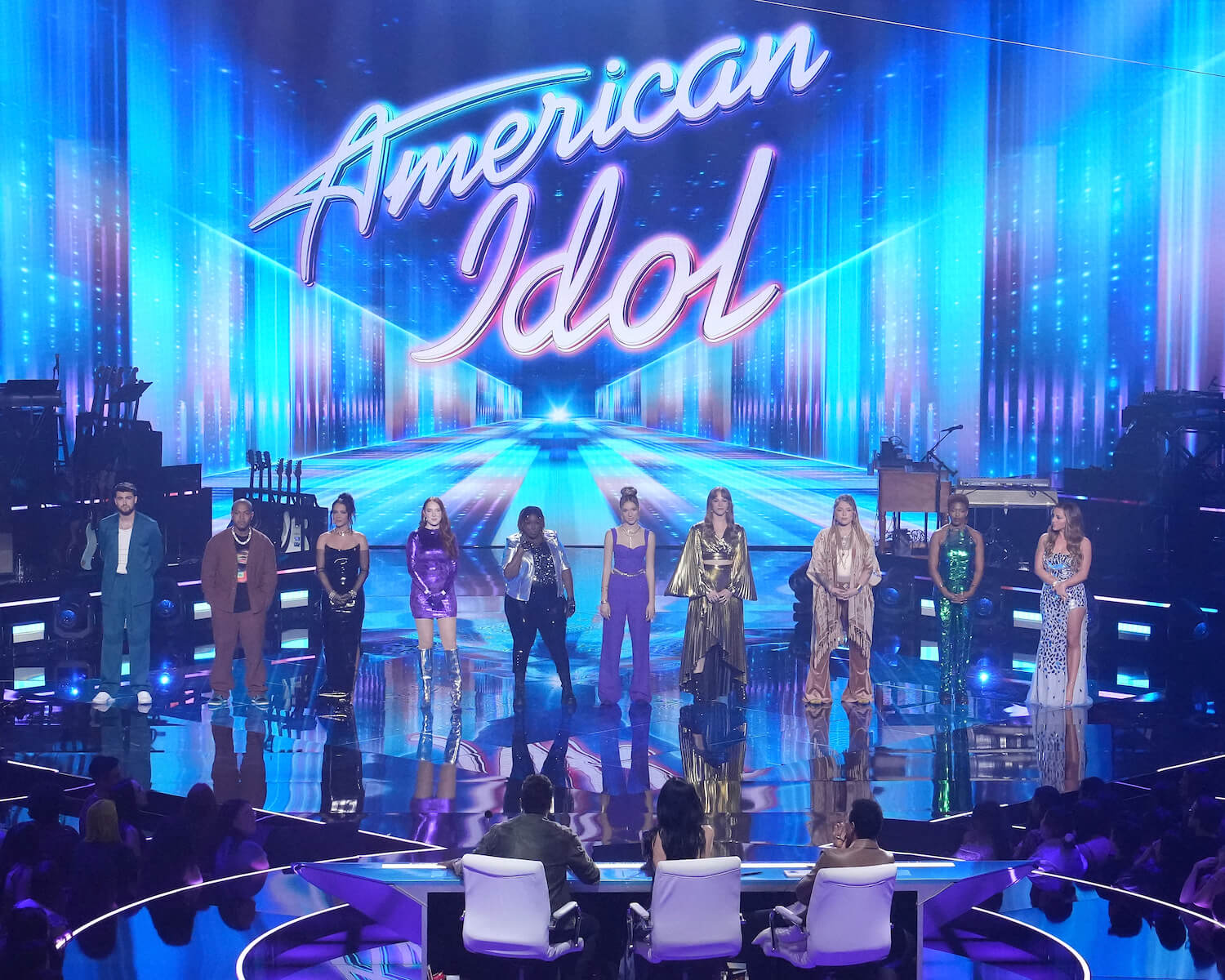
Ken Warwick and the Rise of American Idol: Architecting a Cultural Phenomenon
Ken Warwick served as the executive producer of American Idol during its most transformative and influential years, shaping the series from its humble 2002 origins into a global television juggernaut. His leadership style, grounded in...
Ken Warwick served as the executive producer of American Idol during its most transformative and influential years, shaping the series from its humble 2002 origins into a global television juggernaut. His leadership style, grounded in a deep understanding of live production mechanics and talent development, turned a singing competition into a foundational pillar of modern reality television, permanently altering how audiences engage with celebrity discovery and voting-based entertainment.
Contents
The Foundations of a Format: Adapting Pop Idol for America
The ascent of American Idol was not a guaranteed success. When the concept was brought to the United States from the British series Pop Idol, created by Simon Fuller, the American television landscape was dominated by scripted sitcoms and procedurals. The task of translating the format for an American audience required a producer who could balance the grit of reality television with the polish of a primetime variety show. Ken Warwick, an experienced producer with deep roots in British television, was tasked with this transition.
Warwick’s approach focused on the "theatricality of the audition." By highlighting both exceptional talent and the humorous, often cringeworthy failures during the regional audition rounds, he created a narrative arc that invited viewers into the selection process. This democratized the path to stardom; the audience wasn't just watching a performance, they were participating in the judgment. This engagement strategy—the "interactive talent quest"—became the primary engine driving the show’s growth from a summer replacement series to the most-watched program in the United States for eight consecutive seasons.
Operational Strategy: Scaling the Live Spectacle
Scaling American Idol from a regional audition circuit to a high-production live finale required immense operational precision. Warwick implemented a structure that emphasized high-stakes decision-making. By maintaining a balance between the judges' raw, unscripted critiques and the technical perfection of the stage performances, he ensured that the show remained unpredictable.
The "rise" of the show, specifically during the mid-2000s, was characterized by several key operational pillars that Warwick and his production team mastered:
- Regional Audition Circuitry: Leveraging local markets to generate national interest.
- The Voting Ecosystem: Transitioning from phone-in tallying to SMS and early web-based voting integration, which created real-time psychological investment from the viewer.
- Narrative Consistency: Ensuring that each contestant had a "story"—a background that allowed the audience to form an emotional connection before they ever reached the microphone.
- Technical Polish: Transitioning from the raw, handheld-style aesthetic of the auditions to a high-definition, multi-camera concert production for the live shows.
The Role of Creative Tension and Talent Management
A significant aspect of Warwick’s tenure involved the management of the judges’ panel. The chemistry between Simon Cowell, Paula Abdul, and Randy Jackson was, in many ways, the show's secret weapon. Warwick navigated this dynamic by allowing the judges enough creative freedom to express genuine conflict, which served as a precursor to the modern "social media discourse" cycle.
When a contestant delivered a subpar performance, the tension between the judges provided the dramatic stakes necessary for the program to thrive in a landscape where scripted drama was the alternative. By treating the judges as characters within the show's broader narrative, Warwick transformed a technical search for a singer into a study of interpersonal dynamics and critique.
Table: Key Phases in the Evolution of American Idol under Warwick
| Phase | Focus | Strategic Output |
|---|---|---|
| Launch (2002) | Establishing the format | Building viewer trust and understanding the voting mechanics. |
| Growth (2003–2005) | Expanding the brand | Normalizing the show as a primetime household staple. |
| Peak (2006–2010) | Cultural saturation | Transitioning winners into music industry chart-toppers. |
| Sustainability (2011+) | Format evolution | Integrating new judging panels and multi-platform media engagement. |
The Impact on Television Production Standards
Ken Warwick’s influence extended beyond the specific success of American Idol. He established a blueprint for live-voting competition series that influenced everything from The X Factor to Dancing with the Stars. His understanding of the technical requirements—such as managing high-volume, concurrent telephone voting systems and the logistics of national touring—set a new industry standard for reality television production.
For production companies, the lessons from the Warwick era of American Idol remain relevant today: the importance of the audition, the necessity of a compelling narrative arc, and the integration of the viewer as an active stakeholder. He demonstrated that viewers are more likely to support a product, service, or media entity if they feel their input has a measurable impact on the outcome.
Challenges and Evolution
As the television landscape evolved toward streaming and non-linear consumption, the live-event model faced challenges. Warwick’s role during the later years of his tenure involved adapting the show’s rigid structure to a more fragmented media environment. The transition of the show into a global franchise, where local iterations were mirrored after the U.S. success, further solidified the format's durability. Despite the decline in traditional linear ratings, the underlying mechanics established by Warwick provided a framework that allowed the show to pivot, change networks, and maintain a core audience through the 2020s.
Frequently Asked Questions
What was Ken Warwick’s primary role in the success of American Idol?
Ken Warwick acted as the executive producer, overseeing the creative and operational transition of the British Pop Idol format into the American market. His primary contribution was standardizing the audition process and refining the live-voting narrative that transformed the show into a cultural phenomenon.
How did Warwick influence the "audition" format seen on TV today?
Warwick emphasized the human-interest aspect of auditions. By intercutting professional talent with comedic or controversial segments, he created a balanced, high-energy pace that forced viewers to invest in the outcome of the competition. This technique remains a staple of talent-based reality television.
Why was the voting mechanism critical to the show's growth?
The voting mechanism gave viewers a sense of agency. By making the audience the "judges," Warwick turned passive spectators into active participants. This psychological investment was the primary driver for high ratings and sustained audience loyalty.
Did Ken Warwick manage the transition between judging panels?
Yes. Managing the changing chemistry between judges was a significant part of his leadership. As the panel evolved, his production team adjusted the narrative focus to ensure the show remained centered on the contestants rather than the personalities of the judges.
Is the format established by Warwick still relevant in 2026?
The core mechanics—auditions, public voting, and contestant storytelling—remain the backbone of the talent competition genre. While delivery methods have shifted toward streaming and social media interaction, the foundational structure of the "American Idol" experience remains largely intact.
Recommendation for Future Productions
For those interested in the mechanics of large-scale audience engagement, the work of Ken Warwick highlights that success in reality media is rarely about the talent alone; it is about the system of validation. If you are developing a project that relies on user participation, prioritize a transparent, high-stakes feedback loop. The audience must believe their contribution has a material impact on the final result for the engagement to remain sustainable. Ensure that the technical infrastructure, such as voting systems or digital polling, is as robust as the content itself to maintain viewer trust.
Image Gallery