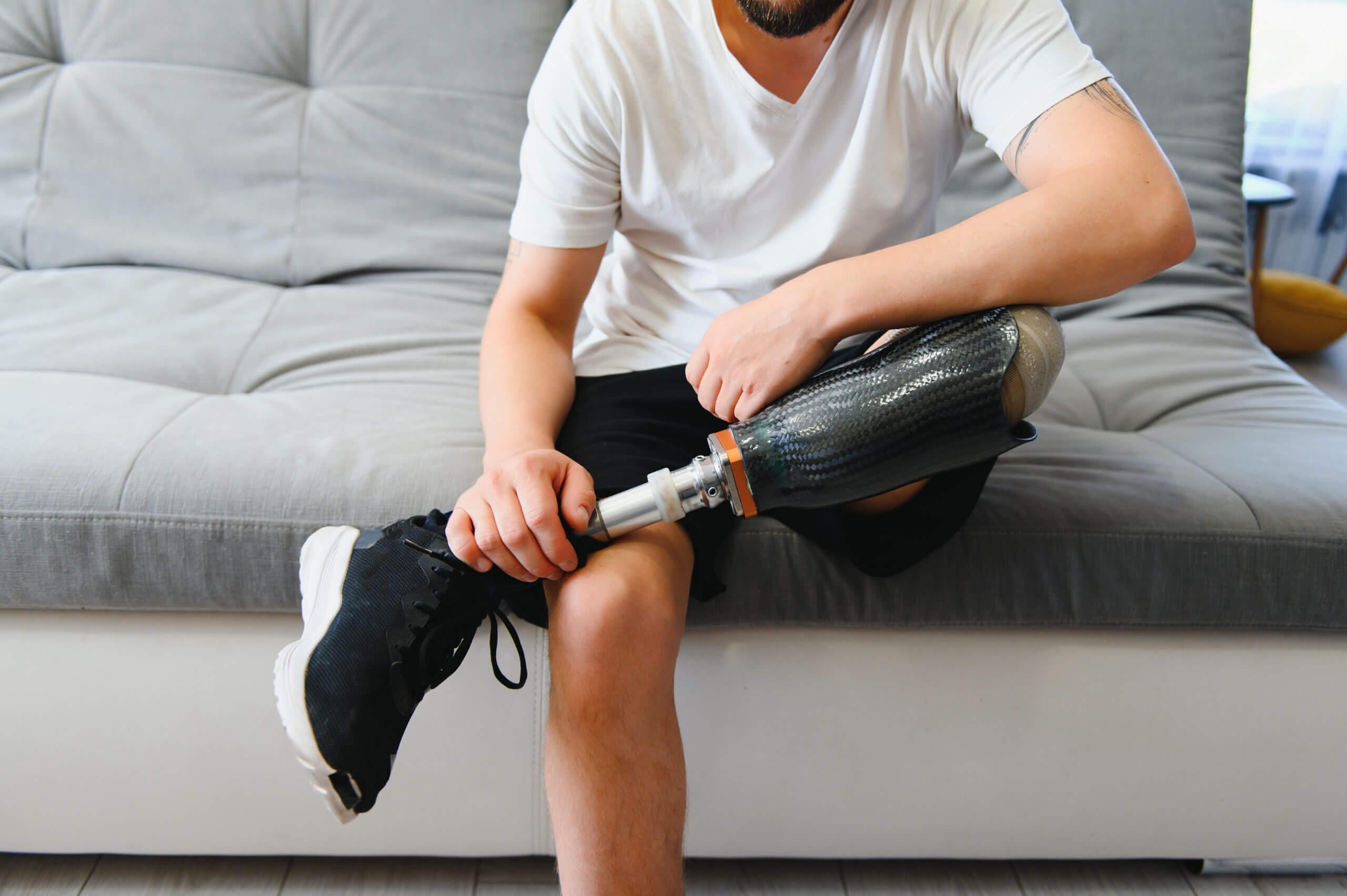
How Physical Therapy Amputee Rehabilitation Changes Outcomes
Physical therapy amputee rehabilitation changes outcomes by transforming a patient’s trajectory from passive recovery to active functional independence. It optimizes the physical integration of prosthetic technology, prevents debilitat...
Physical therapy amputee rehabilitation changes outcomes by transforming a patient’s trajectory from passive recovery to active functional independence. It optimizes the physical integration of prosthetic technology, prevents debilitating secondary complications like contractures or skin breakdown, and addresses the neurological challenges of phantom limb pain. Through structured gait training and strength conditioning, rehabilitation significantly reduces the metabolic cost of movement and improves long-term quality of life.
Contents
The Foundation of Post-Amputation Success
Amputation is a life-altering surgical intervention, but the surgery itself is only the beginning of the journey. In 2026, the medical community recognizes that the success of an amputation—defined by the patient’s ability to return to their previous life roles—is heavily dependent on the quality and timing of physical therapy (PT). Without intervention, the body naturally adopts compensatory movements that lead to chronic pain, joint degeneration, and decreased mobility.
Physical therapy serves as the bridge between the operating room and the community. It is a multi-phase process that begins, ideally, before the surgery occurs and continues well after the patient has received their definitive prosthesis. By addressing the physiological, biomechanical, and neurological shifts that follow limb loss, PT ensures that the patient does not merely "survive" the amputation but thrives in its aftermath.
Medical Disclaimer: This information is for educational purposes and does not replace professional medical advice. Outcomes vary based on individual health status, amputation level, and adherence to clinical protocols.
Pre-habilitation and the Immediate Post-Operative Phase
The impact of physical therapy on outcomes starts with "pre-habilitation." When an amputation is elective—often due to chronic vascular disease or non-healing wounds—a physical therapist works with the patient to build upper-body strength and cardiovascular endurance. This early intervention shortens the recovery timeline significantly because the patient is already familiar with the assistive devices they will use immediately after surgery.
In the immediate post-operative phase, the primary goals shift to wound healing and edema (swelling) management. PTs utilize specialized compression dressings and "shrinkers" to shape the residual limb. This shaping is critical; a poorly shaped limb cannot be properly fitted for a prosthetic socket later. By managing edema aggressively, therapists accelerate the timeline for prosthetic fitting, reducing the period of inactivity that often leads to depression and physical decline.
Preventing Secondary Complications through Targeted Exercise
One of the most significant ways physical therapy changes outcomes is through the prevention of secondary musculoskeletal issues. When a limb is lost, the surrounding muscles often tighten, leading to contractures. For a transtibial (below-knee) amputee, the knee tends to stay flexed; for a transfemoral (above-knee) amputee, the hip often stays flexed and abducted.
If these contractures become permanent, prosthetic use may become impossible. Physical therapists employ manual therapy and specific stretching protocols to maintain a full range of motion. Furthermore, PT addresses the "sound" limb—the remaining leg. Amputees place immense stress on their intact limb, which frequently leads to premature osteoarthritis or further vascular issues. A structured PT program balances the workload across the entire body, preserving the health of the remaining joints.
Neurological Outcomes: Managing Phantom Limb Pain
Phantom Limb Pain (PLP)—the sensation of pain in the part of the body that is no longer there—affects a vast majority of amputees. Physical therapy changes outcomes here through graded motor imagery and mirror therapy. These techniques use visual feedback to "trick" the brain into believing the missing limb is moving comfortably.
By rewiring the primary somatosensory cortex through these exercises, therapists can reduce the intensity and frequency of PLP without relying solely on heavy pharmaceutical intervention (such as opioids or gabapentinoids). This neurological "reset" is vital for the patient’s mental health and their ability to focus on the physical demands of prosthetic training.
The Biomechanics of Prosthetic Integration
The arrival of a prosthesis is a major milestone, but it is not a "plug and play" solution. Walking with a prosthetic limb requires significantly more energy than natural gait—up to 60% more for above-knee amputees. Physical therapy changes the metabolic outcome by teaching efficient gait mechanics.
Gait Training and Symmetry
Without PT, most amputees develop a "limp" or vaulting motion to move the prosthetic forward. This asymmetry leads to lower back pain and hip issues. Therapists use real-time biofeedback and video analysis to ensure the patient achieves a symmetrical gait. They focus on:
- Stance Phase: Ensuring the patient trusts the prosthesis enough to put full weight on it.
- Swing Phase: Teaching the patient how to "advance" the prosthetic limb using their core and residual hip/knee muscles.
- Balance and Proprioception: Training the body to sense where the prosthetic foot is in space, which is essential for walking on uneven surfaces or in the dark.
Comparative Outcomes of Rehabilitation
The following table illustrates the typical differences in outcomes between patients who undergo comprehensive physical therapy and those who receive minimal or no structured rehabilitation.
| Outcome Metric | With Structured Physical Therapy | Without Structured Physical Therapy |
|---|---|---|
| Time to Independent Mobility | 3–6 months (typical for K3 level) | 12+ months or never achieved |
| Contracture Risk | Minimal; managed through stretching | High risk of permanent joint flexion |
| Prosthetic Fit Success | High; limb is shaped and desensitized | Poor; frequent socket adjustments needed |
| Secondary Pain (Back/Hip) | Low; due to symmetrical gait training | High; due to compensatory mechanics |
| Fall Risk | Significantly reduced via balance training | High; lack of proprioceptive awareness |
| Metabolic Efficiency | Improved; lower oxygen cost of walking | Poor; high fatigue and low endurance |
Advancing Functional Levels (K-Levels)
In the healthcare and insurance landscape of 2026, prosthetic components are often prescribed based on K-Levels, which range from K0 (non-ambulatory) to K4 (high-impact/athletic). Physical therapy is the primary vehicle for moving a patient up these levels.
A patient may start at a K1 or K2 level, limited to walking within their home on level surfaces. However, through progressive resistance training and agility drills, a physical therapist can help that patient reach K3 status—allowing them to navigate community obstacles like curbs, stairs, and uneven terrain. This transition is life-changing, as it dictates the type of advanced prosthetic technology (such as microprocessor knees or hydraulic ankles) the patient is eligible to receive.
Technology in 2026 Rehabilitation
Current rehabilitation protocols in 2026 integrate high-tech tools that have redefined what is possible. Virtual Reality (VR) is now a standard tool for gait training, allowing patients to practice walking in "crowded malls" or "nature trails" within the safety of the clinic. These environments challenge the patient’s vestibular system and improve their reaction time.
Additionally, wearable sensors are frequently used to track a patient’s progress outside of the clinic. These sensors monitor step count, gait symmetry, and weight distribution, providing the physical therapist with data to adjust the rehabilitation plan in real-time. This data-driven approach ensures that the therapy is always evolving to meet the patient’s current capabilities.
Long-Term Maintenance and Health
The role of physical therapy does not end once the patient can walk. Amputees face a higher risk of cardiovascular disease due to the increased effort required for movement, which often leads to a sedentary lifestyle. PTs provide long-term wellness programs that include adaptive sports, swimming, or cycling.
By fostering a lifestyle of movement, physical therapy reduces the risk of long-term comorbidities such as obesity, Type 2 diabetes, and heart disease. The outcome is not just a person who can walk with a prosthetic, but a person who maintains their systemic health for decades following their amputation.
Frequently Asked Questions
How soon after surgery should physical therapy begin?
Physical therapy usually begins within 24 to 48 hours after surgery. The initial focus is on bed mobility, gentle range-of-motion exercises for the unaffected joints, and learning how to safely transfer from a bed to a wheelchair. Early movement is essential for preventing blood clots and pneumonia.
Can physical therapy help if I had my amputation years ago?
Yes. Many long-term amputees develop "overuse injuries" in their sound limb or back pain due to years of compensatory walking. A physical therapist can perform a gait analysis, recommend prosthetic adjustments, and provide a strengthening program to correct these issues and reduce pain, even years after the initial surgery.
Is physical therapy necessary if I have a high-tech microprocessor limb?
Actually, the more advanced the technology, the more important physical therapy becomes. Microprocessor knees and ankles have various modes and "stumble recovery" features that require specific training to use effectively. Without PT, you may not be utilizing the expensive features of your device that are designed to keep you safe.
How long does the rehabilitation process take?
The intensive phase of rehabilitation typically lasts between 3 and 12 months. However, many patients benefit from "check-up" sessions once or twice a year. These sessions allow the therapist to check for gait deviations, ensure the prosthetic still fits correctly as the residual limb changes shape, and update the patient’s exercise routine.
Does physical therapy help with the emotional aspects of amputation?
While physical therapists are not mental health counselors, the physical progress made in PT is deeply linked to emotional well-being. Achieving milestones—like taking the first steps or returning to a hobby—builds confidence and reduces the sense of loss. Many clinics also facilitate peer-support groups where patients can share their experiences.
What are the most important exercises for a new amputee?
Core strengthening and hip/knee extension are paramount. The "core" (abdominals and back) provides the stability needed to balance on a prosthetic, while strong hip and knee extensors provide the power to move the limb forward. Stretching the hip flexors is also vital to prevent the "forward lean" often seen in new prosthetic users.
Practical Recommendation for Patients
If you or a loved one is facing an amputation, the most effective action you can take is to request a pre-operative consultation with a physical therapist. Establishing this relationship early allows for baseline measurements of your strength and sets clear expectations for the recovery timeline. Once the surgery is complete, ensure that your rehabilitation team includes a physical therapist who specializes in amputee care or gait analysis, as this specific expertise is the most significant predictor of your eventual functional independence.
Image Gallery