Understanding Family Health Insurance Premiums in 2024: A Comprehensive Guide
In 2024, family health insurance premiums were primarily determined by the selected plan’s "metal level," the ages of family members, and geographic location. For those in the individual Marketplace, costs were heavily mitigated by enh...
In 2024, family health insurance premiums were primarily determined by the selected plan’s "metal level," the ages of family members, and geographic location. For those in the individual Marketplace, costs were heavily mitigated by enhanced federal subsidies, while employer-sponsored family coverage reached an average annual total premium of approximately $23,968, split between employers and employees.
Contents
While we are currently navigating the 2026 insurance cycle, analyzing the 2024 premium landscape remains essential for understanding long-term cost trajectories and reconciling historical medical expenses. The 2024 plan year was a pivotal period marked by the continued expansion of the Affordable Care Act (ACA) subsidies and a significant correction in provider pricing following the inflationary pressures of previous years.
The 2024 Economic Context of Health Insurance
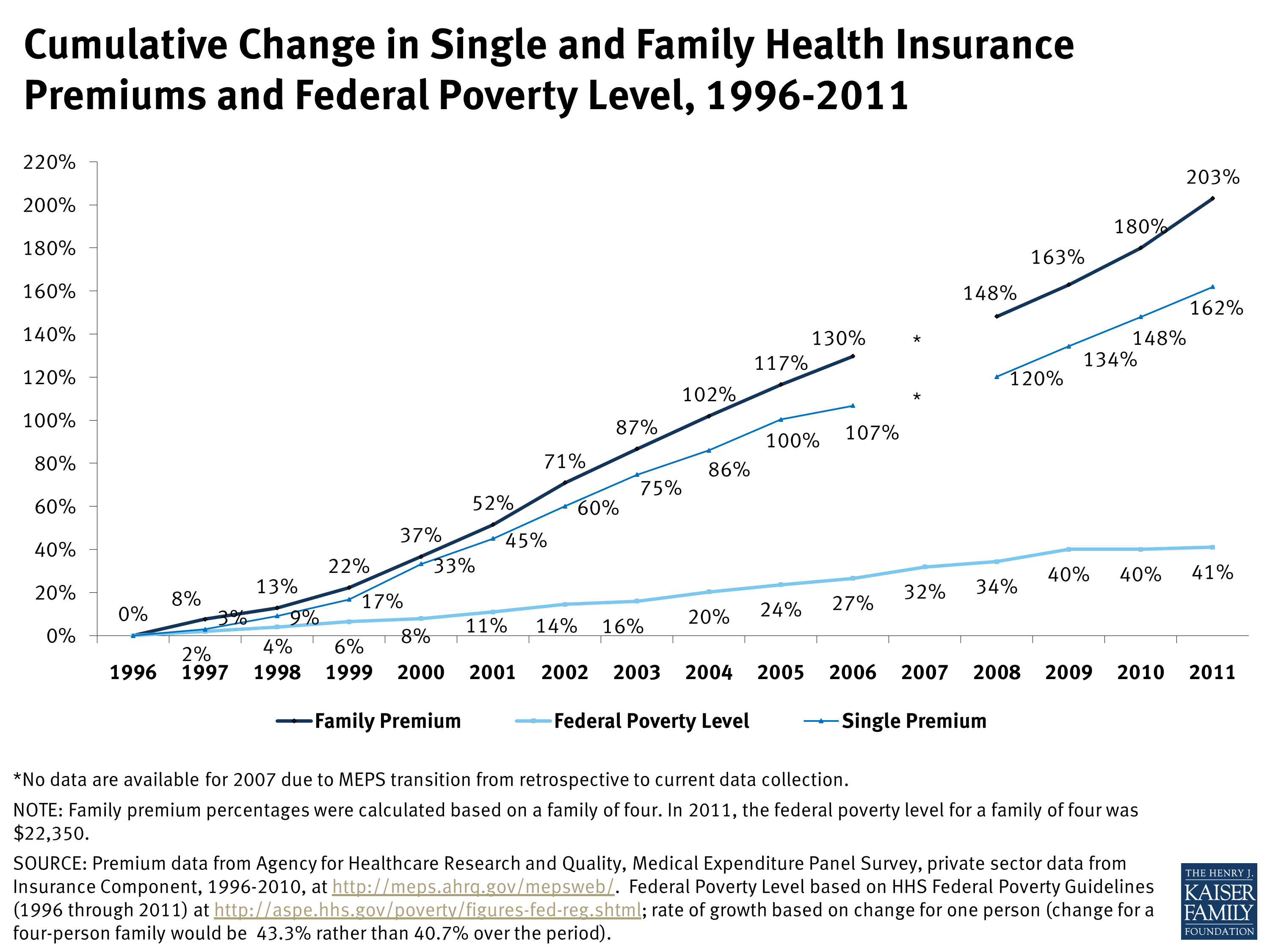
To understand the premiums of 2024, one must look at the healthcare climate that preceded it. By the start of 2024, insurers were adjusting to several "new normals," including the rising cost of labor in the medical sector and the high demand for expensive specialty drugs, such as GLP-1 agonists. These factors led to a general upward trend in premiums across both private and public markets.
For families, 2024 represented a year where the total cost of ownership for a health plan—combining premiums, deductibles, and out-of-pocket maximums—became a central focus of household budgeting. Unlike previous decades where premiums remained relatively stagnant, the mid-2020s saw mid-to-high single-digit percentage increases. This forced many households to reconsider their "metal level" selections during the Open Enrollment period that occurred in late 2023.
The Two Main Avenues: Employer-Sponsored vs. Marketplace
The source of a family's health insurance was the single greatest factor in how much they paid out-of-pocket for premiums in 2024.
Employer-Sponsored Insurance (ESI)
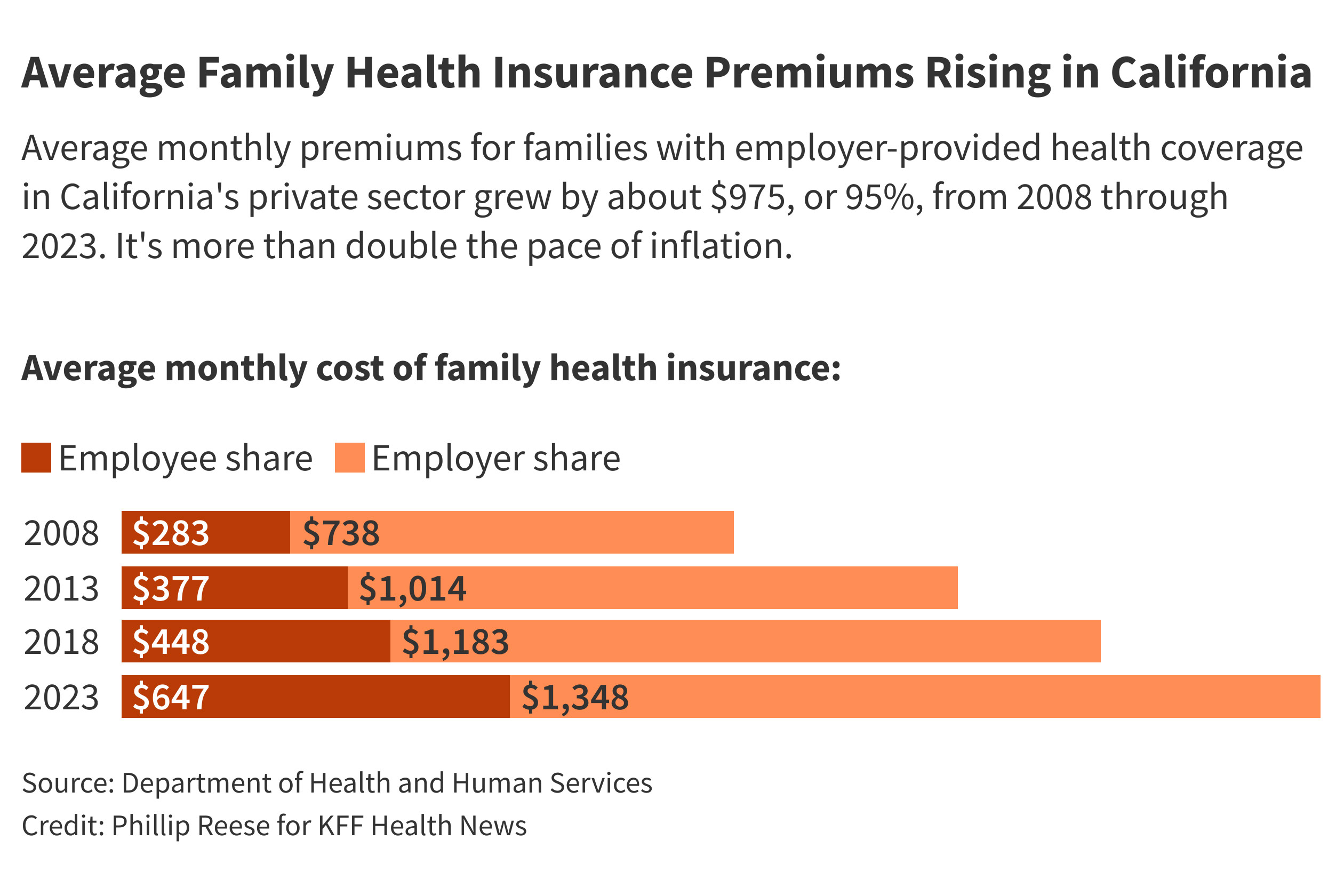
In 2024, the majority of American families received coverage through an employer. According to historical data from the Kaiser Family Foundation (KFF), the average total premium for family coverage was roughly $23,968. However, employees rarely paid the full amount. On average, workers contributed about 27% of the total premium (approximately $6,500 per year), with the employer covering the remaining 73%.
The 2024 ESI market was also characterized by a shift toward High Deductible Health Plans (HDHPs) paired with Health Savings Accounts (HSAs). Employers utilized these structures to keep monthly premiums lower for families while shifting more "first-dollar" responsibility to the employees.
The ACA Marketplace (Individual and Family Plans)
For families without access to employer-based coverage, the Marketplace (Healthcare.gov or state-based exchanges) was the primary option. In 2024, the "Silver" plan remained the benchmark for calculating subsidies. Because of the Inflation Reduction Act (IRA), which was active throughout 2024, the "subsidy cliff" remained eliminated. This meant that no family had to pay more than 8.5% of their household income for a benchmark Silver plan, regardless of how high their income was.
The Five Primary Factors Influencing 2024 Premiums
When insurers calculated 2024 premiums, they were legally restricted by the ACA to use only a few specific data points. Understanding these factors helps explain why a family in one state might have paid hundreds of dollars more than an identical family elsewhere.
1. Geographic Rating Areas
Your zip code was a major driver of cost in 2024. Health insurance is priced based on rating areas defined by each state. These areas account for the local cost of living, the number of competing hospitals in the area, and the general health of the local population. Families in rural areas often saw higher premiums due to a lack of provider competition, whereas those in major metropolitan hubs benefited from a denser network of hospitals negotiating with insurers.
2. The Age of Family Members
The ACA allows insurers to charge older individuals up to three times more than younger individuals (a 3:1 ratio). In 2024, for a family plan, the premium was generally the sum of the premiums for each individual family member. Usually, the three oldest children under the age of 21 were charged, but additional children beyond the third did not increase the premium. This "per-member" rating meant that as children aged out of the "under-21" bracket, family premiums saw a scheduled increase.
3. Tobacco Use
In most states, insurers in 2024 could charge tobacco users up to 50% more than non-tobacco users. It is important to note that federal subsidies (Premium Tax Credits) do not cover the "tobacco surcharge." Therefore, a family with even one tobacco-using parent could see their net monthly cost rise significantly compared to a non-tobacco-using household.
4. Plan Tier (Metal Levels)
The 2024 market was divided into Bronze, Silver, Gold, and Platinum tiers. These tiers do not reflect the quality of care, but rather the actuarial value of the plan—the split of costs between the insurer and the policyholder.
- Bronze: Lowest premiums, highest deductibles. Best for healthy families who want "catastrophic" protection.
- Silver: Moderate premiums. These were unique in 2024 because they were the only plans eligible for Cost-Sharing Reductions (CSRs).
- Gold/Platinum: Highest premiums, lowest out-of-pocket costs at the point of care.
5. Family Size and Composition
As mentioned, 2024 premiums were "additive." If a family consisted of two parents aged 40 and two children aged 10, the total premium was the sum of those four specific risk profiles. This differed from pre-ACA years where "family rates" were often flat regardless of the number of children.
2024 Estimated Monthly Premiums by Plan Tier
The following table provides a representative look at the average monthly premiums for a family of four (two 40-year-old adults and two children) across the different metal tiers before any subsidies were applied.
| Plan Tier | Avg. Monthly Premium (National) | Actuarial Value | Best Use Case for 2024 |
|---|---|---|---|
| Bronze | $1,150 – $1,350 | 60% | Families seeking lowest monthly overhead. |
| Silver | $1,450 – $1,700 | 70% | Families eligible for cost-sharing subsidies. |
| Gold | $1,800 – $2,100 | 80% | Families with chronic conditions or regular care. |
| Platinum | $2,200+ | 90% | Families expecting high medical usage (e.g., surgery). |
Note: These figures represent gross premiums. Most families on the Marketplace in 2024 received subsidies that reduced these costs by 60% to 100%.
The Impact of the "Family Glitch" Fix in 2024
One of the most significant regulatory shifts impacting 2024 premiums was the continued implementation of the "Family Glitch" fix. Previously, if an employee's "self-only" coverage was affordable, their entire family was ineligible for Marketplace subsidies, even if the "family" plan offered by the employer cost 20% of their income.
By 2024, the IRS rule change allowed families to bypass expensive employer-sponsored family plans and move to the Marketplace with subsidies if the employer's family premium exceeded a specific percentage of their household income (roughly 8.39% in 2024). This provided a crucial safety valve for middle-income families who were previously priced out of quality coverage.
Strategies That Defined 2024 Premium Management
Looking back at how families successfully managed their 2024 insurance costs, several key strategies emerged:
- Silver Loading: Insurers often loaded the cost of certain federal requirements onto Silver plans. In many states in 2024, this resulted in "Gold" plans being priced nearly the same as, or even lower than, "Silver" plans for families who did not qualify for cost-sharing reductions.
- HSA Utilization: Families on Bronze or Silver HDHPs utilized Health Savings Accounts to pay for their premiums indirectly by reducing their taxable income, effectively creating a "discount" on their healthcare spend through tax savings.
- Network Narrowing: To keep premiums lower in 2024, many families opted for HMO or EPO networks rather than PPOs. By restricting themselves to a specific network of doctors, they were able to reduce their monthly premium by 10-20%.
Professional Advice Limitation
This article is for informational purposes only and analyzes historical health insurance data from 2024. It does not constitute legal, financial, or medical advice. Health insurance regulations and costs vary significantly by jurisdiction and individual circumstances. For current 2026 coverage or specific 2024 tax reconciliation issues, consult with a licensed insurance broker, tax professional, or a qualified benefits counselor.
Frequently Asked Questions (FAQ)
How did 2024 premiums compare to 2023?
Generally, 2024 premiums saw an average increase of 5% to 7%. This was largely due to the rising cost of medical supplies and the administrative costs associated with new federal transparency requirements. While some regions saw flat rates, the national trend was upward, reflecting the broader inflationary environment of the time.
Could I change my 2024 premium mid-year?
No, premiums are typically locked in for the calendar year. The only way to change your premium mid-year in 2024 was through a Qualifying Life Event (such as marriage, birth of a child, or loss of other coverage) which triggered a Special Enrollment Period. Additionally, if your income changed, you could update your Marketplace application to adjust your subsidy amount, which would change your "net" premium.
Did all 2024 family plans include dental and vision?
No. Under the ACA, pediatric dental and vision are "essential health benefits" that must be available for children, but they are often sold as stand-alone policies rather than being bundled into the medical premium. For adults, dental and vision were almost always separate premiums in 2024.
Why was my 2024 Silver plan premium so much higher than a Gold plan?
This was likely due to "Silver Loading." Because insurers are required to provide cost-sharing reductions on Silver plans but aren't reimbursed by the government, they often raise the premium of Silver plans to cover the cost. In 2024, this frequently made Gold plans a better value for families who did not qualify for low-income subsidies.
Was there a penalty for not paying premiums in 2024?
While the federal individual mandate penalty was effectively zero, failing to pay your premium resulted in a loss of coverage. For those on the Marketplace, there was a 90-day grace period for those receiving subsidies, but for everyone else, the grace period was usually only 30 days before the policy was terminated.
Final Recommendation for Analyzing 2024 Costs
If you are reviewing your 2024 family health insurance premiums for tax purposes or long-term financial planning, ensure you have your Form 1095-A, 1095-B, or 1095-C. These documents provide the definitive record of what was paid and by whom. Understanding the relationship between your 2024 premium and your actual medical usage can help you make more informed decisions for the current 2026 plan year and beyond.
Image Gallery