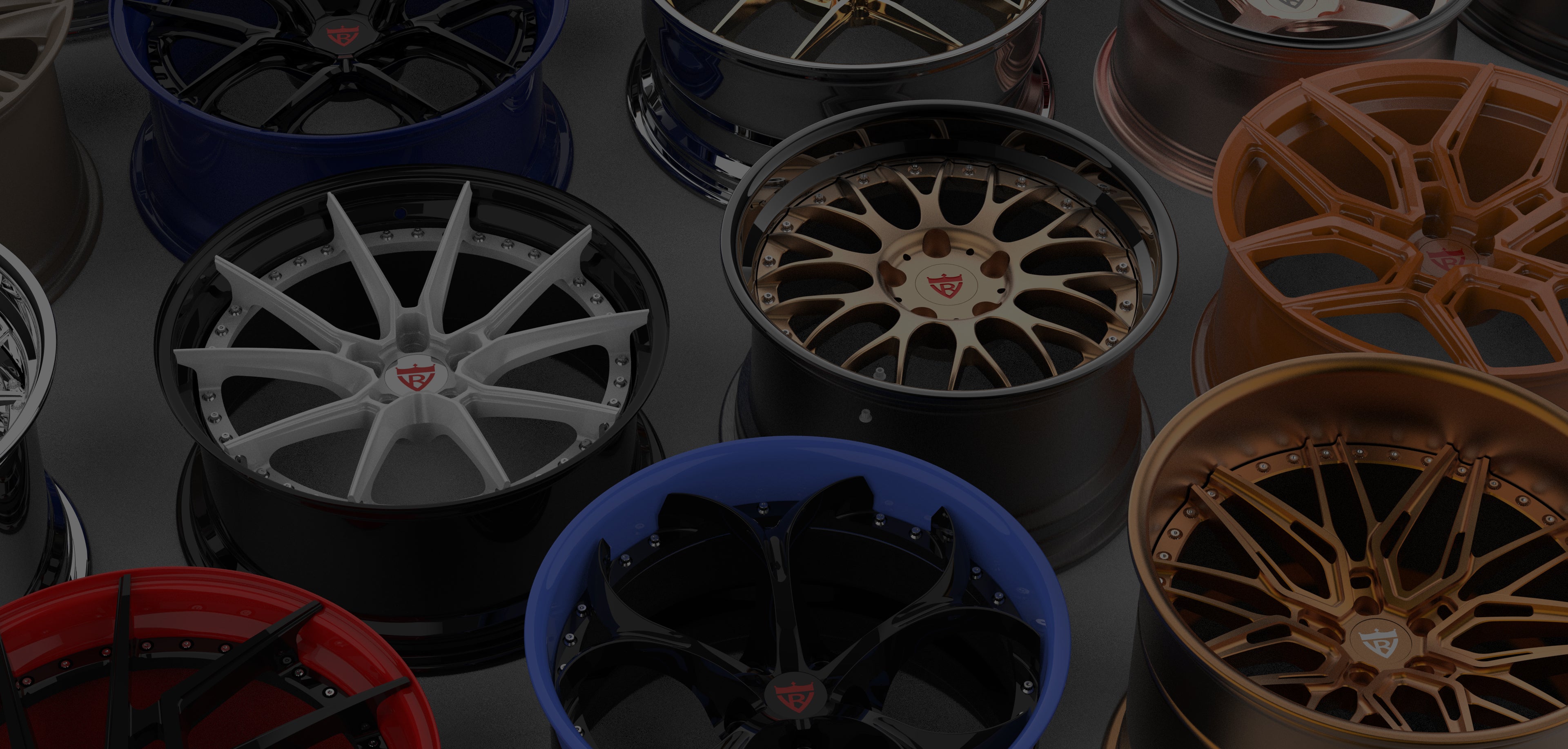
The Ultimate Guide to Working with a Custom Wheel Maker in 2026
Working with a custom wheel maker allows automotive enthusiasts, racers, and restoration specialists to design bespoke wheels tailored precisely to unique vehicle specifications, performance demands, and aesthetic visions. This process...
Working with a custom wheel maker allows automotive enthusiasts, racers, and restoration specialists to design bespoke wheels tailored precisely to unique vehicle specifications, performance demands, and aesthetic visions. This process involves engineering lightweight forged aluminum alloys, selecting exact offsets, and ensuring structural compliance with modern vehicular weight loads and braking systems.
Contents
Understanding the Custom Wheel Manufacturing Ecosystem
Navigating the landscape of bespoke wheel production requires understanding the distinct stages of engineering, metallurgy, and design that transform raw aluminum billets into load-bearing automotive art. Modern manufacturing has evolved significantly, incorporating advanced computer-aided engineering (CAE) and finite element analysis (FEA) to simulate structural stress before a single gram of metal is cut.
When you collaborate with a dedicated wheel designer, you bypass the generic off-the-shelf fitments found in standard retail shops. Factory production wheels are engineered for mass-market compromises, balancing cost, average load capacity, and generalized styling. In contrast, a bespoke approach customizes every millimeter of the wheel architecture. This level of precision is vital for modified vehicles with widebody kits, big brake kit (BBK) upgrades, or customized suspension geometry that pushes past factory offsets.
The Metallurgy and Forging Process
The structural integrity of a custom wheel begins with the raw material. Reputable fabricators utilize aerospace-grade 6061-T6 aluminum due to its exceptional strength-to-weight ratio and corrosion resistance.
Material Integrity Standards Premium custom wheels are typically forged from a single solid block of aluminum under massive hydraulic pressure, often ranging from 8,000 to 10,000 tons. This high-pressure forging process aligns the grain structure of the metal radially outward toward the rim flange, eliminating internal voids and significantly increasing impact resistance compared to traditional gravity casting methods.
Determining Specifications: Measurements and Fitment Engineering
Before designing the visual face of a custom wheel, you must establish precise dimensional data. Miscalculations by even a few millimeters can cause catastrophic rubbing against suspension struts, inner fender liners, or brake calipers.
Professional wheel fabricators require a comprehensive data set known as the vehicle's fitment profile. Gathering this data demands careful measurement using specialized tools like wheel fitment gauges and digital calipers.
- PCD (Pitch Circle Diameter): The bolt pattern, defined by the number of lug holes and the diameter of the imaginary circle passing through their centers (e.g., 5x120 or 5x114.3).
- Center Bore (CB): The exact machined opening in the back of the wheel that centers it on the vehicle's wheel hub. Hub-centric designs are mandatory for high-performance applications to eliminate high-speed vibrations.
- Offset (ET): The distance in millimeters from the centerline of the wheel to the mounting surface of the hub. Positive offsets tuck the wheel inward, while negative offsets push the wheel outward toward the fender.
- Backspacing: The distance from the back edge of the rim to the inner mounting pad, which dictates clearance for suspension arms and anti-roll bars.
- Load Rating: The certified weight capacity per wheel, calculated by dividing the gross vehicle weight rating (GVWR) by the number of wheels, plus a safety margin for dynamic cornering loads.
Comparing Wheel Construction Methods
Choosing the right construction style impacts both performance and budget. The market generally divides custom offerings into three primary methodologies, each serving distinct use cases.
| Construction Type | Primary Material & Build | Key Performance Advantage | Ideal Application |
|---|---|---|---|
| Monoblock Forged | Single-piece 6061-T6 aluminum forging. | Maximum strength-to-weight ratio, zero potential air leaks at joints. | Track days, time attack racing, high-horsepower supercars. |
| Two-Piece Welded/Bolted | Forged center disc mated to a spun-forged outer rim barrel. | Modular versatility, custom widths and offsets achievable with standard tooling. | Stanced street cars, luxury sedans, custom hot rods. |
| Three-Piece Modular | Inner barrel, outer lip, and center face bolted together with hardware. | Fully repairable; damaged lips or barrels can be replaced individually without buying a new wheel. | Exotic vehicles, deep-dish fitments, classic restorations. |
Step-by-Step Workflow for Ordering Bespoke Wheels
Commissioning a set of custom wheels is an interactive engineering project. Knowing what to expect at each stage ensures a smooth process from concept to delivery.
- Initial Consultation and Vehicle Profiling: Provide the fabricator with exact vehicle make, model, year, and any modifications such as upgraded coilovers, air suspension, or aftermarket big brake kits.
- CAD Rendering and Finite Element Analysis: The engineering team generates a 3D computer-aided design (CAD) model of the wheel. They run FEA simulations to test simulated cornering loads, potholes, and rotational stress.
- Design Approval and Fitment Sign-Off: You receive digital renderings showing the wheel from multiple angles, alongside a technical specification sheet confirming offsets and brake clearances. You must review and sign off on these drawings.
- CNC Machining: The approved specifications are fed into multi-axis CNC milling machines that carve the design out of the raw forged aluminum block over many hours of precise cutting.
- Surface Finishing and Coating: The raw machined aluminum undergoes chemical treatment, hand-polishing, brushing, or powder coating based on your aesthetic preferences (e.g., anodized bronze, gloss black, or diamond-cut faces).
- Final Assembly and Quality Control: Multi-piece wheels are hand-assembled with high-strength aerospace fasteners torqued to exact specifications, sealed against air leakage, and balance-checked for runout tolerances.
Pros and Cons of Going the Custom Route
While bespoke manufacturing delivers unmatched visual appeal and performance optimization, it involves trade-offs that every buyer should weigh carefully.
Advantages
- Perfect Fitment: Eliminates the need for generic wheel spacers or hub adapter rings, sitting flush with the vehicle fenders.
- Brake Clearance: Engineered specifically around oversized aftermarket brake calipers, avoiding costly clearance failures.
- Uniqueness: Allows total creative control over spoke design, window pockets, milling accents, and custom color finishes.
- Unsprung Weight Reduction: Lighter forged wheels improve acceleration, braking responsiveness, and suspension articulation.
Disadvantages
- Higher Cost: Bespoke engineering, individual programming, and hand-finishing result in a significantly higher price tag than mass-produced cast wheels.
- Extended Lead Times: Production schedules often range from 4 to 12 weeks depending on current factory workload and complex finishing requirements.
- Difficult Replacement: If a custom outer lip is severely damaged on a unique three-piece wheel, replacement parts may require custom re-machining rather than off-the-shelf buying.
Frequently Asked Questions About Custom Wheel Manufacturing
How long does it take a custom wheel maker to build a set of wheels?
Production timelines typically range from 4 to 12 weeks. This timeframe accounts for CAD engineering validation, CNC machining, specialized finishing processes (such as brushing or custom powder coating), and quality control inspections.
Can custom wheels be designed to clear big brake kits?
Yes, clearing aftermarket big brake kits is one of the primary reasons enthusiasts choose custom wheel makers. By providing the fabricator with a precise cardboard or digital template of your brake caliper profile, the engineering team can contour the inner spokes to maintain safe clearance.
Are forged custom wheels stronger than cast wheels?
Forged wheels are structurally superior and significantly stronger than cast wheels. The immense hydraulic pressure used during the forging process eliminates internal air pockets within the aluminum, creating a dense, directional grain structure that resists bending under severe impact.
What information do I need to provide for a custom wheel order?
You must provide your vehicle's exact make, model, year, hub bore diameter, bolt pattern (PCD), desired wheel diameters and widths, target offsets, and detailed measurements of any aftermarket suspension or brake modifications.
Can multi-piece custom wheels be repaired if damaged?
Three-piece modular wheels are fully repairable. If an outer rim lip bends after hitting a pothole, the fabricator can unbolt the damaged component, replace it with a new outer barrel, and reseal the assembly without requiring an entirely new wheel.
Professional Recommendation for Your Project
When selecting a custom wheel maker, prioritize companies that provide transparent engineering documentation, rigorous load-rating certifications (such as JWL, VIA, or TUV standards), and direct communication with their design engineers. Never compromise on brake clearance measurements or hub-centric tolerances to achieve an aggressive aesthetic. Taking the time to measure your vehicle accurately ensures your investment delivers exceptional performance, safety, and visual impact for years to come.
Image Gallery