Why People Dislike Guy Fieri: A Closer Look at Cultural Elitism, Image, and Culinary Backlash
People who dislike Guy Fieri primarily point to his bombastic early-2000s aesthetic, corporate restaurant licensing, and initial rejection by fine-dining critics. While food purists once dismissed his loud persona and high-calorie menu...
People who dislike Guy Fieri primarily point to his bombastic early-2000s aesthetic, corporate restaurant licensing, and initial rejection by fine-dining critics. While food purists once dismissed his loud persona and high-calorie menus as tacky, public perception has softened significantly due to his extensive philanthropy and support for small-business owners.
Contents
The Roots of the Backlash: Aesthetic and Persona
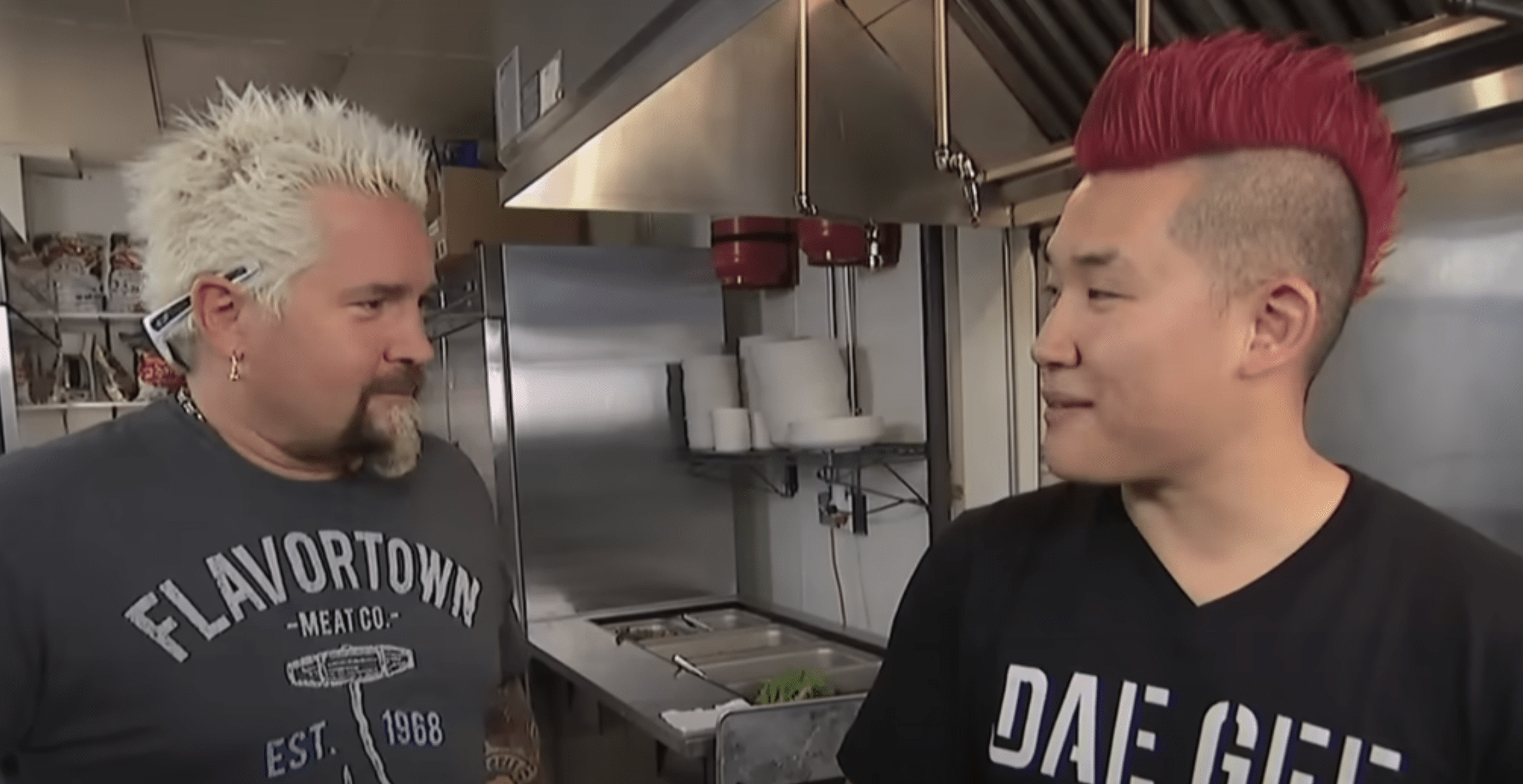
To understand why Guy Fieri became one of the most polarizing figures in modern food television, one must examine the late 2000s cable landscape. After winning the second season of The Next Food Network Star in 2006, Fieri brought a radically different energy to food media. At a time when television cooking was dominated by refined technique, calm instructional formats, and French-inspired culinary standards, Fieri arrived with frosted hair tips, bowling shirts, backward sunglasses, and rock-and-roll slang.
For traditional epicureans and culture critics, this visual identity felt manufactured and abrasive. His catchphrases—such as "Out of Bounds," "Righteous," and references to "Flavortown"—were viewed by detractors as aggressive marketing gimmicks rather than authentic culinary commentary. The aesthetic clashed sharply with the aspirational, upper-middle-class aesthetic long cultivated by food networks. Instead of teaching technique or showcasing provenance, Fieri celebrated hyper-palatable, oversized comfort foods, leading critics to label his brand as anti-intellectual or tacky.
Furthermore, as his flagship show Diners, Drive-Ins and Dives (often referred to as Triple D) grew into a dominant TV franchise, Fieri’s image became ubiquitous. Overexposure on cable television intensified viewer fatigue. Critics began to view the persona not as a genuine passion for regional American dining, but as a commercial caricature optimized for maximum syndication.
The Culinary Elite vs. Populist Food Media
The divide over Guy Fieri reflects a broader cultural friction between fine-dining establishment figures and populist food entertainment. For decades, culinary media rewarded formal training, delicate presentation, and adherence to European traditions. Fieri, despite having a degree in hospitality management from the University of Nevada, Las Vegas, and early industry experience, deliberately positioned himself outside the fine-dining hierarchy.
High-profile chefs often targeted Fieri as a symbol of the decline of culinary television. The late Anthony Bourdain was among his most vocal public critics, frequently using interviews and stand-up appearances to lampoon Fieri’s style and menus. Bourdain argued that Fieri’s restaurants and televised persona turned dining into a theme-park experience, stripping away the nuance, culture, and discipline inherent to gastronomy.
[Traditional Epicureanism] [Populist Food Media] • French technique & restraint • High-energy comfort food • Minimalist, refined aesthetics • Loud, over-the-top branding • Focus on luxury ingredients • Accessible, regional comfort fare
This tension reached its peak in November 2012 when The New York Times published a scathing review of Fieri's 500-seat Times Square establishment, Guy's American Kitchen & Bar. Written by chief restaurant critic Pete Wells, the review was framed entirely as a series of direct questions to Fieri, criticizing everything from cold roasted garlic fondue to poorly executed cocktails.
The Pete Wells New York Times review became a viral cultural moment. Detractors cited it as definitive proof that Fieri lacked culinary substance, while defenders argued that an elite newspaper was unfairly penalizing a high-volume tourist attraction meant to deliver accessible comfort food rather than Michelin-starred dining.
Business Licensing and Corporate Expansion
Beyond aesthetic clashes and critical reviews, a major source of skepticism surrounding Fieri involves his extensive corporate licensing model. As his fame expanded, Fieri lent his name to dozens of restaurant concepts across airports, cruise ships, casinos, and entertainment venues worldwide.
Critics point out a glaring paradox in Fieri's brand identity:
- The Triple D Promise: On television, Fieri champions small, family-owned mom-and-pop eateries, highlighting independent cooks who put care into local dishes.
- The Commercial Expansion: Off-screen, his corporate empire relied heavily on licensed chain concepts with standardized, factory-prepped ingredients designed for mass output.
When diners visited these corporate outposts, many reported inconsistent food quality, high pricing, and subpar service—outcomes often associated with aggressive franchising. Consumers who felt let down by these physical locations transferred their disappointment directly onto Fieri himself, accusing him of prioritizing rapid monetization over quality control.
Evolving Perceptions: A Historical Comparison
Public sentiment regarding Guy Fieri has undergone a significant shift over the past two decades. What was once near-universal disdain from mainstream media has evolved into a more nuanced, often appreciative view of his industry contributions.
| Factor / Epoch | Early Criticism Era (2006–2015) | Modern Perspective | Core Underlying Reality |
|---|---|---|---|
| Visual Aesthetic | Dismissed as loud, dated, and tacky. | Embraced as nostalgic and unapologetically authentic. | Signature personal style that resisted corporate smoothing. |
| Culinary Legitimacy | Panned by fine-dining critics and elite food publications. | Recognized as an effective populist advocate for regional food. | Focuses on hospitality and flavor rather than haute cuisine. |
| Small-Business Impact | Seen as exploiting local joints for television ratings. | Credited with saving hundreds of independent diners from closure. | A feature on Triple D often boosts restaurant revenue by 200%–500%. |
| Philanthropic Work | Rarely covered in mainstream culinary media. | Widely praised for crisis relief and industry fundraising. | Raised tens of millions for out-of-work hospitality staff. |
The Shift: Philanthropy and Small-Business Advocacy
The narrative surrounding Guy Fieri began to change dramatically as the long-term impact of his work became undeniable. Rather than altering his personality to appease critics, Fieri leveraged his platform to support the very communities he featured on television.
Real Impact on Local Restaurants
While elite critics dismissed Diners, Drive-Ins and Dives, small-business owners reported life-changing outcomes after appearing on the show. The "Triple D Effect" frequently resulted in immediate spikes in foot traffic, allowing family-run establishments to expand, hire additional staff, and survive economic downturns. Fieri’s genuine warmth toward cooks, line workers, and family owners demonstrated an authentic commitment to the hospitality workforce that earned him grassroots respect.
Emergency Relief Efforts
Fieri’s reputation as an industry champion was further solidified during crisis events:
- California Wildfire Relief: Fieri repeatedly deployed commercial mobile kitchens directly to disaster zones in California, cooking thousands of hot meals for first responders and displaced residents.
- COVID-19 Pandemic Relief: In 2020, Fieri partnered with the National Restaurant Association Educational Foundation to launch the Restaurant Employee Relief Fund (RERF). The initiative raised over $21.5 million, delivering direct $500 grants to more than 43,000 restaurant workers who lost income during nationwide closures.
These tangible contributions forced many former critics to reassess their stance. His actions highlighted a dedicated advocate who used his commercial leverage to sustain the food service industry during severe hardship.
Why Dislike Persists Among Certain Viewers
Despite his philanthropic track record and industry support, Fieri continues to face skepticism from specific audiences. Understanding these remaining objections requires looking at current media consumption and branding trends.
Overexposure and Formatting Fatigue
Food Network continues to rely heavily on Fieri to anchor its prime-time programming. Shows like Tournament of Champions, Guy's Grocery Games, and continuous reruns of Diners, Drive-Ins and Dives mean Fieri occupies a dominant percentage of network airtime. For viewers seeking diverse culinary styles or educational cooking tutorials, this high density of Fieri-hosted content can lead to viewer fatigue.
Resistance to Hyper-Commercialization
Some diners remain uncomfortable with the sheer scale of Fieri's commercial endorsements. From branded grocery store sauces and frozen meals to partnerships with major gaming and resort conglomerates, his brand remains heavily commercialized. For consumers who value minimalist, farm-to-table, or artisanal dining ethics, Fieri’s corporate footprint remains fundamental antithetical to their personal values.
Frequently Asked Questions
Why was Pete Wells' review of Guy Fieri's restaurant so famous?
Pete Wells' 2012 review of Guy's American Kitchen & Bar in The New York Times gained widespread attention because it was written entirely as a series of sarcastic, rhetorical questions addressed to Fieri. It highlighted the vast disconnect between celebrity-branded tourist restaurants and the quality standards expected by institutional food critics.
Did Anthony Bourdain have a personal feud with Guy Fieri?
Anthony Bourdain frequently criticized Guy Fieri in public appearances and interviews, mocking his aesthetic and questioning the authenticity of his culinary brand. Fieri generally avoided direct retaliation for years, though he later stated in interviews that he found Bourdain's persistent commentary uncalled for, noting that real chefs should support one another rather than tear each other down.
Is Guy Fieri a formally trained chef?
Yes, Guy Fieri holds a Bachelor of Science in Hospitality Management from the University of Nevada, Las Vegas (UNLV), earned in 1990. Prior to his television career, he studied culinary arts in France as a teenager, worked as a line cook, and opened several successful local restaurants in California, including Johnny Garlic's.
How much money did Guy Fieri raise for restaurant workers during the pandemic?
Fieri raised more than $21.5 million through the Restaurant Employee Relief Fund (RERF) in 2020. The funds were distributed as direct financial assistance grants to over 43,000 restaurant employees across the United States who faced unemployment or lost wages due to pandemic-related dining restrictions.
What is the "Triple D Effect" on small businesses?
The "Triple D Effect" refers to the massive increase in sales and customer volume experienced by small, independent restaurants after being featured on Diners, Drive-Ins and Dives. Featured owners routinely report immediate revenue increases ranging from 200% to 500%, often helping struggling mom-and-pop shops achieve long-term financial stability.
Evaluating Media Personas Beyond the Surface
When evaluating controversial public figures like Guy Fieri, it is helpful to distinguish between personal branding choices and real-world impact. While his loud early-2000s image and corporate restaurant licensing alienated high-brow culinary critics, his tangible support for independent business owners and hospitality relief efforts paints a far more complex picture.
To form an objective view of Fieri's legacy:
- Separate Style from Substance: Distinguish between television-tailored personas and practical industry contributions.
- Examine Local Impact: Look at how independent culinary features affect small-business sustainability across regional America.
- Assess Philanthropic Outcomes: Measure public figures by verified crisis response initiatives and direct workforce assistance rather than media feuds.
Guy Fieri remains a polarizing icon precisely because he straddles the line between mass entertainment and industry advocacy. Whether one enjoys his catchphrases or avoids his branded eateries, his lasting footprint on American food culture and hospitality relief remains undeniable.
Image Gallery