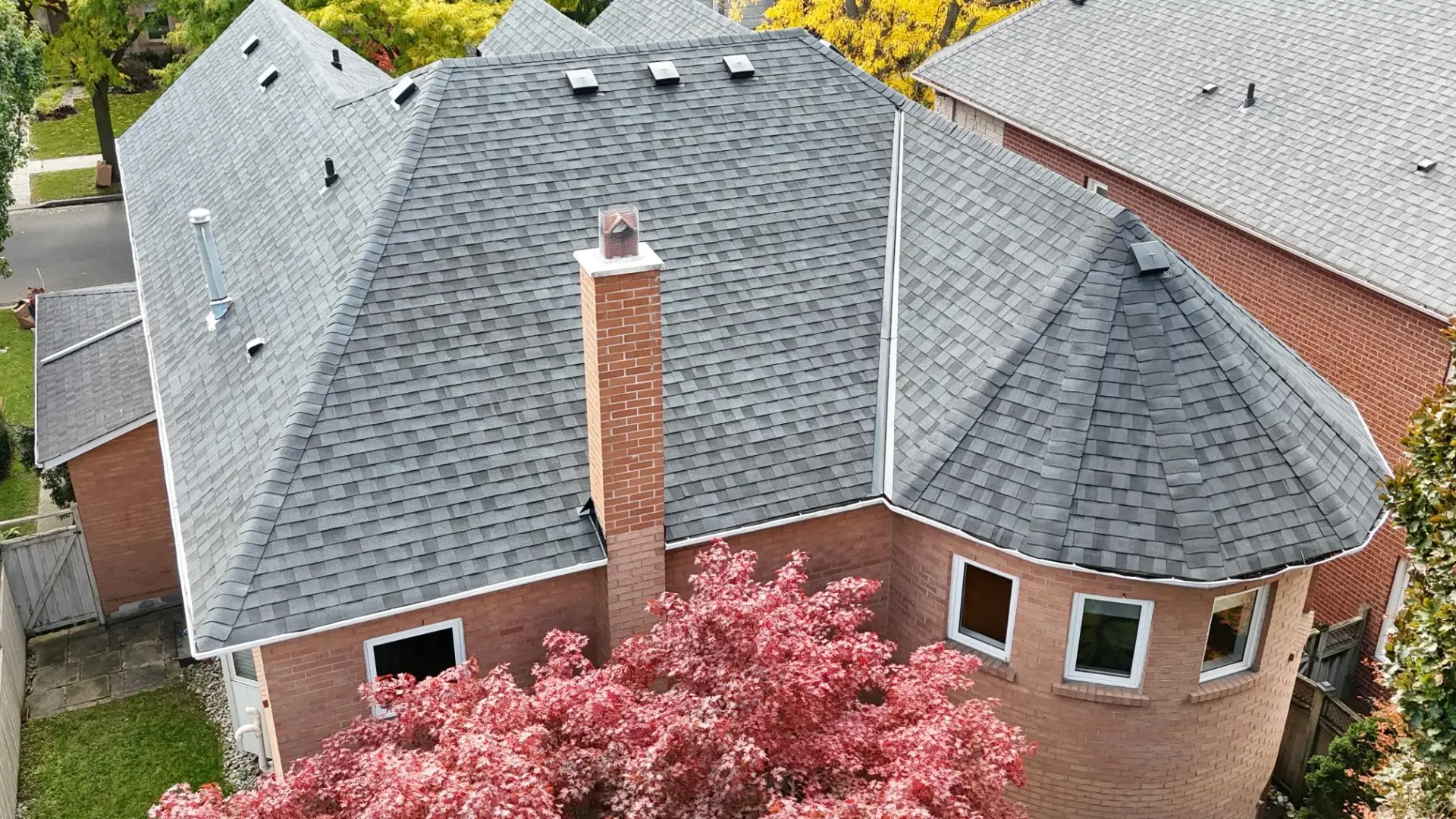
Selecting a Reliable Roofing Contractor: Insights for Maryland Property Owners
Finding a reputable roofing company in Maryland requires balancing local regulatory compliance, material suitability for the mid-Atlantic climate, and professional vetting processes. Property owners must verify licensure through the Ma...
Finding a reputable roofing company in Maryland requires balancing local regulatory compliance, material suitability for the mid-Atlantic climate, and professional vetting processes. Property owners must verify licensure through the Maryland Home Improvement Commission, assess insurance coverage, and ensure the contractor has documented experience with specific roofing systems—such as asphalt shingles, metal, or flat roofing—to protect their long-term investment.
Contents
Understanding the Maryland Roofing Landscape
The climate in Maryland presents specific challenges for residential and commercial roofing systems. Between heavy seasonal rainfall, high humidity, and the occasional freeze-thaw cycles of the winter months, roofs in the region are subject to significant expansion and contraction. Choosing a roofing company that understands these environmental stressors is the first step in ensuring the longevity of your building envelope.
When researching firms such as Dominion Roofing or similar providers operating within the state, it is essential to distinguish between local expertise and national franchises. A localized company is often more familiar with the specific building codes enforced by jurisdictions like Montgomery, Prince George’s, or Baltimore County. These codes often dictate the types of underlayment, ice and water shields, and ventilation requirements necessary to meet local building standards.
The Verification Checklist for Contractors
Before signing a contract for roof replacement or repair, property owners must perform due diligence. In Maryland, any contractor performing home improvement work must be licensed by the Maryland Home Improvement Commission (MHIC).
Essential Verification Steps
- MHIC License Verification: Visit the official Maryland Department of Labor website to confirm that the contractor’s license is active and in good standing. This database will also indicate if any formal complaints have been filed against the company.
- Insurance Documentation: A professional roofer must carry both General Liability and Workers' Compensation insurance. Request a Certificate of Insurance (COI) and verify it directly with their insurance carrier if the project is significant.
- Manufacturer Certifications: Top-tier manufacturers, such as GAF, CertainTeed, or Owens Corning, offer tiered certification programs. Contractors who hold "Master Elite" or "Select ShingleMaster" status have been vetted by the manufacturer, often allowing them to offer extended labor and material warranties that non-certified installers cannot provide.
- Physical Presence: Confirm the company maintains a permanent local office. This ensures that you have a point of contact should you experience issues with workmanship years after the project is completed.
Comparing Roofing Material Suitability
Selecting the right roofing material depends on the slope of your roof, your budget, and the architectural style of your home. Maryland homeowners frequently choose from a variety of materials, each with distinct installation requirements.
| Material Type | Estimated Lifespan | Primary Benefit | Best Use Case |
|---|---|---|---|
| Asphalt Shingles | 20–30 Years | Cost-effectiveness | Standard residential homes |
| Metal Roofing | 40–70 Years | Durability/Fire resistance | Modern homes or steep slopes |
| EPDM/TPO | 15–25 Years | Watertight integrity | Flat or low-slope commercial |
| Synthetic Slate | 40–50 Years | Aesthetic appeal | Historic or high-end properties |
The Mechanics of a Roofing Quote
A professional quote from a reputable roofing company should not be a single-page document with a total price. It should be an itemized proposal that outlines the scope of work clearly. If a quote lacks specific details, it creates a risk of "change orders," where the contractor identifies "unforeseen issues" once the old roof is removed, leading to significant price increases mid-project.
Ensure your proposal includes:
- Removal and Disposal: The cost of stripping the old roofing material and disposing of it in accordance with local environmental regulations.
- Decking Inspection: An agreement on the cost per sheet of plywood or OSB if the underlying wooden deck is found to be rotten or structurally compromised.
- Flashing and Ventilation: Specifics on replacing step flashing, apron flashing, and ridge vents. These are the most common areas where leaks occur.
- Warranty Terms: A clear distinction between the manufacturer’s product warranty and the contractor’s workmanship warranty.
Addressing Common Roofing Failures
Many roofing issues in Maryland result from improper installation rather than defective materials. Common errors include the failure to install an adequate ice and water shield in roof valleys or the improper nailing of shingles, which can lead to blow-offs during high-wind events.
When interviewing potential contractors, ask how they handle flashing around chimneys and skylights. A professional company will use high-quality ice and water shield membrane around these penetrations to create a redundant waterproof layer. If a contractor suggests simply applying roofing tar or caulk to repair existing leaks, this is often a sign of a temporary patch rather than a long-term solution.
Managing Your Roofing Project: A Timeline
A successful roofing project moves through several distinct phases. Property owners should plan for these to ensure minimal disruption to their daily lives.
- The Planning Phase (Weeks 1-2): Obtain three separate quotes. Evaluate these based on the scope of work rather than the final price.
- The Contracting Phase (Week 3): Review the contract for payment terms. A standard practice is a deposit of one-third, with the final payment due upon completion and inspection.
- The Installation Phase (Days 1-3): Most residential roof replacements are completed in one to three days. Ensure the contractor has a plan for site cleanup, including the use of magnetic sweepers to collect stray roofing nails.
- The Final Inspection (Post-Completion): Conduct a walk-through with the project manager. Verify that ventilation caps are installed, no shingles are lifting, and the worksite has been cleared of debris.
Frequently Asked Questions
Does the Maryland Home Improvement Commission protect homeowners if a project goes wrong? The MHIC operates a Guaranty Fund to compensate homeowners for actual losses resulting from the acts or omissions of a licensed contractor. Using an unlicensed contractor disqualifies you from this legal protection.
What is the best time of year to replace a roof in Maryland? Late spring and early autumn are generally ideal due to moderate temperatures. Extremely high summer heat can make shingles brittle, while freezing winter temperatures can make it difficult for the adhesive strips on shingles to seal properly.
How do I know if my roof needs a repair or a full replacement? If the damage is localized—such as a few missing shingles or minor flashing leaks—a repair may suffice. If the shingles are curling, losing significant granules, or if there is visible sagging in the roof deck, a full replacement is usually the more cost-effective long-term choice.
Do I need a building permit for a roof replacement? Yes. In almost every jurisdiction in Maryland, a roof replacement requires a permit. Your contractor should handle the application process, and the permit must be displayed on the property during the construction phase.
How long should a workmanship warranty last? Reputable Maryland roofing companies typically offer a workmanship warranty ranging from two to ten years. Read the fine print to see if this covers leak repairs or strictly structural installation defects.
Moving Forward With Your Roof Project
Selecting a roofing company is an investment in your home’s structural integrity. Prioritize firms that are transparent about their licensing, provide detailed written estimates, and demonstrate a deep understanding of Maryland’s specific climate requirements. Before proceeding, request a list of three local references for work completed in your county within the last two years. Contacting these references can provide the final assurance needed to move forward with confidence.
Image Gallery