Nancy Kerrigan: An Examination of Her Athletic Legacy and Media Presence
Nancy Kerrigan remains one of the most recognizable figures in the history of competitive figure skating, known for her technical prowess, silver-medal performance at the 1994 Winter Olympics, and the intense media scrutiny that define...
Nancy Kerrigan remains one of the most recognizable figures in the history of competitive figure skating, known for her technical prowess, silver-medal performance at the 1994 Winter Olympics, and the intense media scrutiny that defined her career. While the phrasing "Nancy Kerrigan hot" often reflects common search behavior seeking visual archives or aesthetic appreciation of celebrities during their prime, the enduring fascination with Kerrigan is primarily anchored in her status as a cultural icon whose professional life and personal appearance became focal points for a captivated global audience throughout the 1990s.
Contents
The Rise of a Skating Icon
Nancy Kerrigan began her ascent in the figure skating world in the late 1980s, eventually securing her position as one of the top athletes in the United States. Her rise coincided with a period where figure skating transformed from a niche winter sport into a primetime television spectacle. Kerrigan’s athletic aesthetic—defined by grace, precision, and an iconic wardrobe designed by Vera Wang—played a significant role in her public image. During the early 1990s, she was not only a gold-medal contender but also a prominent figure in commercial endorsements, moving beyond the ice to become a recognizable face in magazines and televised segments.
For audiences searching for imagery or information regarding her status as a cultural "star" or "hot" topic, it is important to contextualize this through the lens of 1990s celebrity culture. During this decade, the media often focused on the intersection of athletic performance and physical presentation, with Kerrigan’s classic style and athletic silhouette serving as a template for the archetypal skater of her generation.
The 1994 Olympic Season and Media Scrutiny
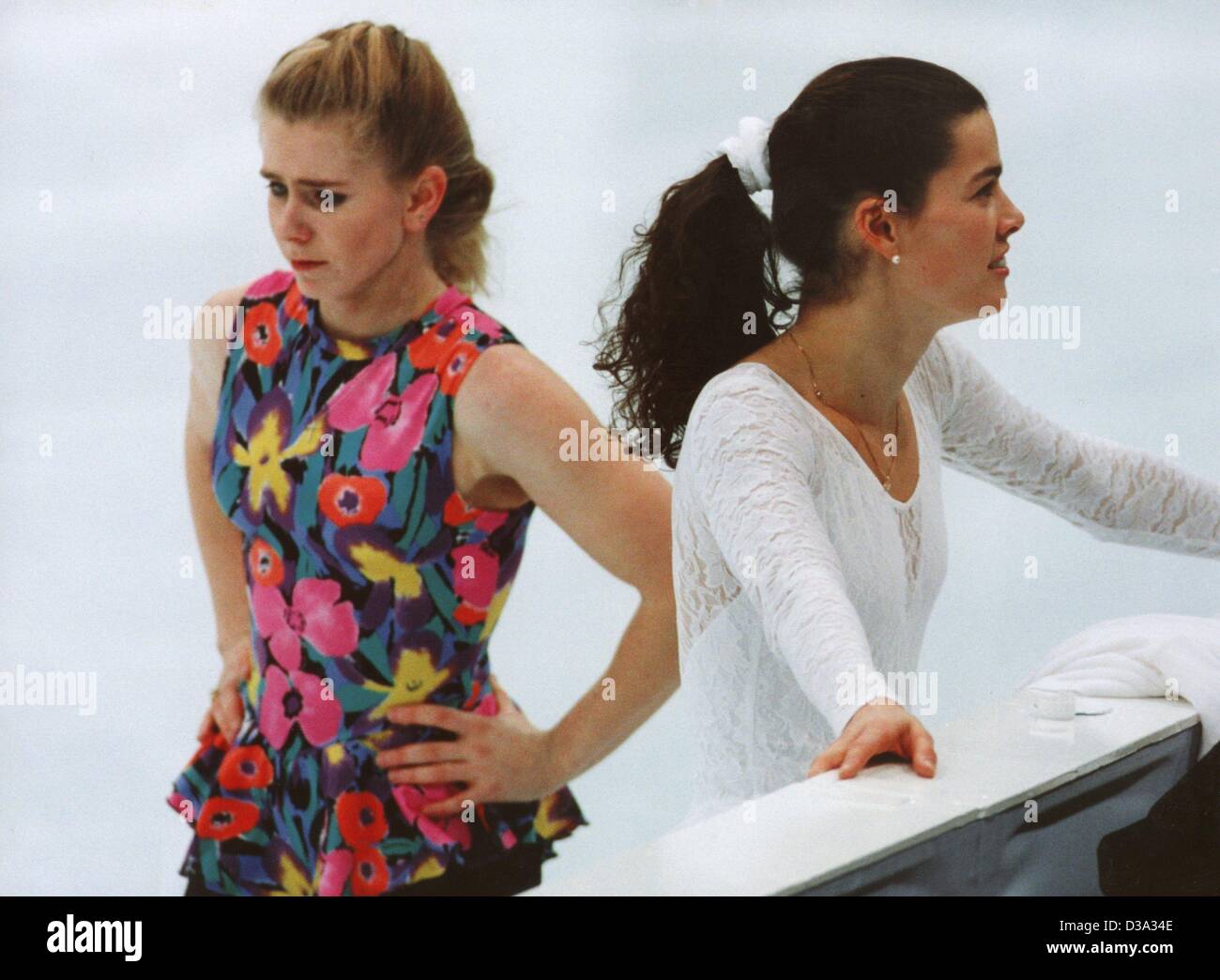
The 1994 Winter Olympics in Lillehammer remains the most defining moment of Kerrigan’s public life. Following the infamous assault on her knee in January 1994—an act orchestrated by associates of her rival, Tonya Harding—the media narrative surrounding Kerrigan shifted from pure athletic analysis to a complex mixture of public sympathy and intense aesthetic evaluation.
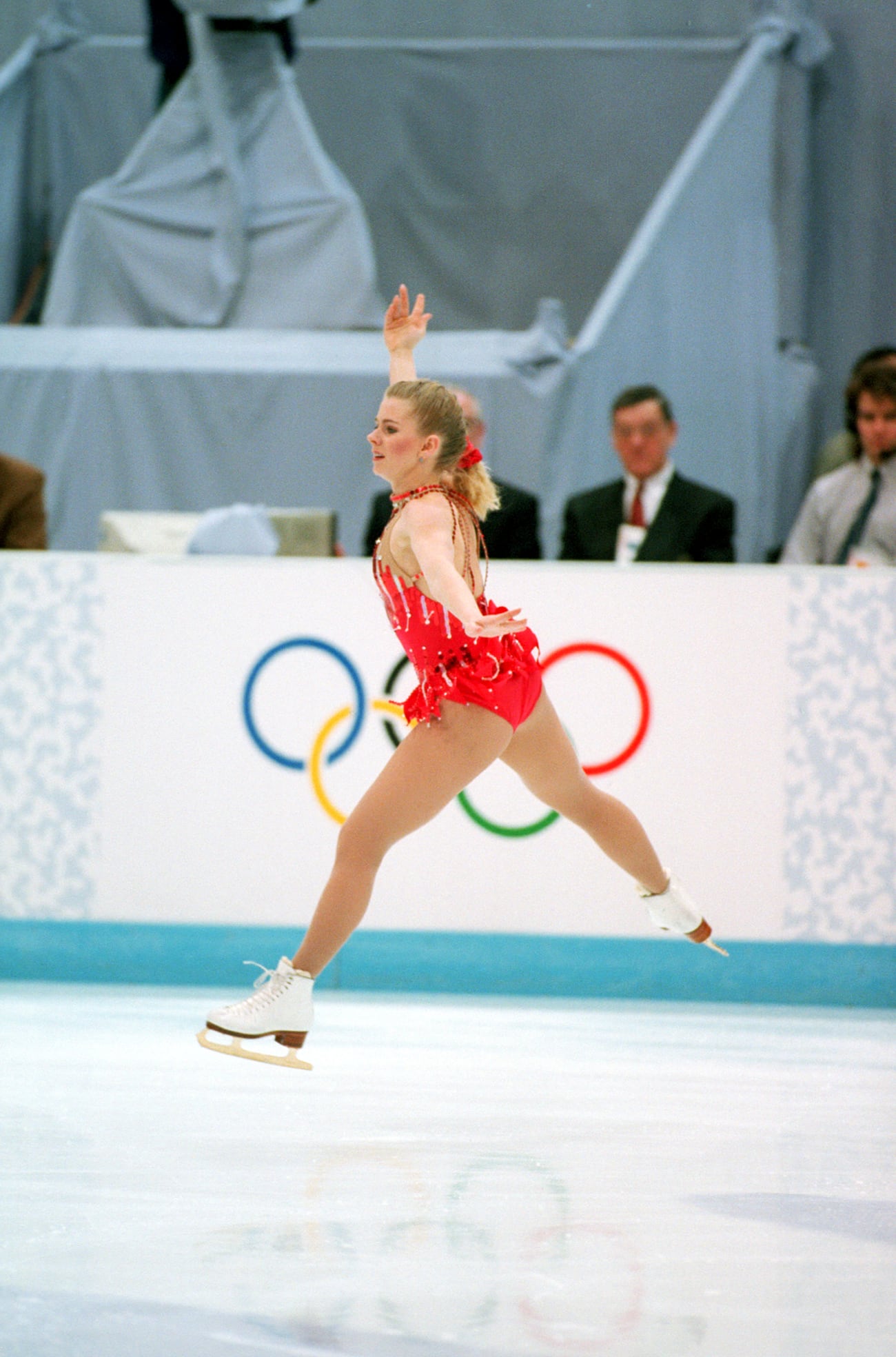
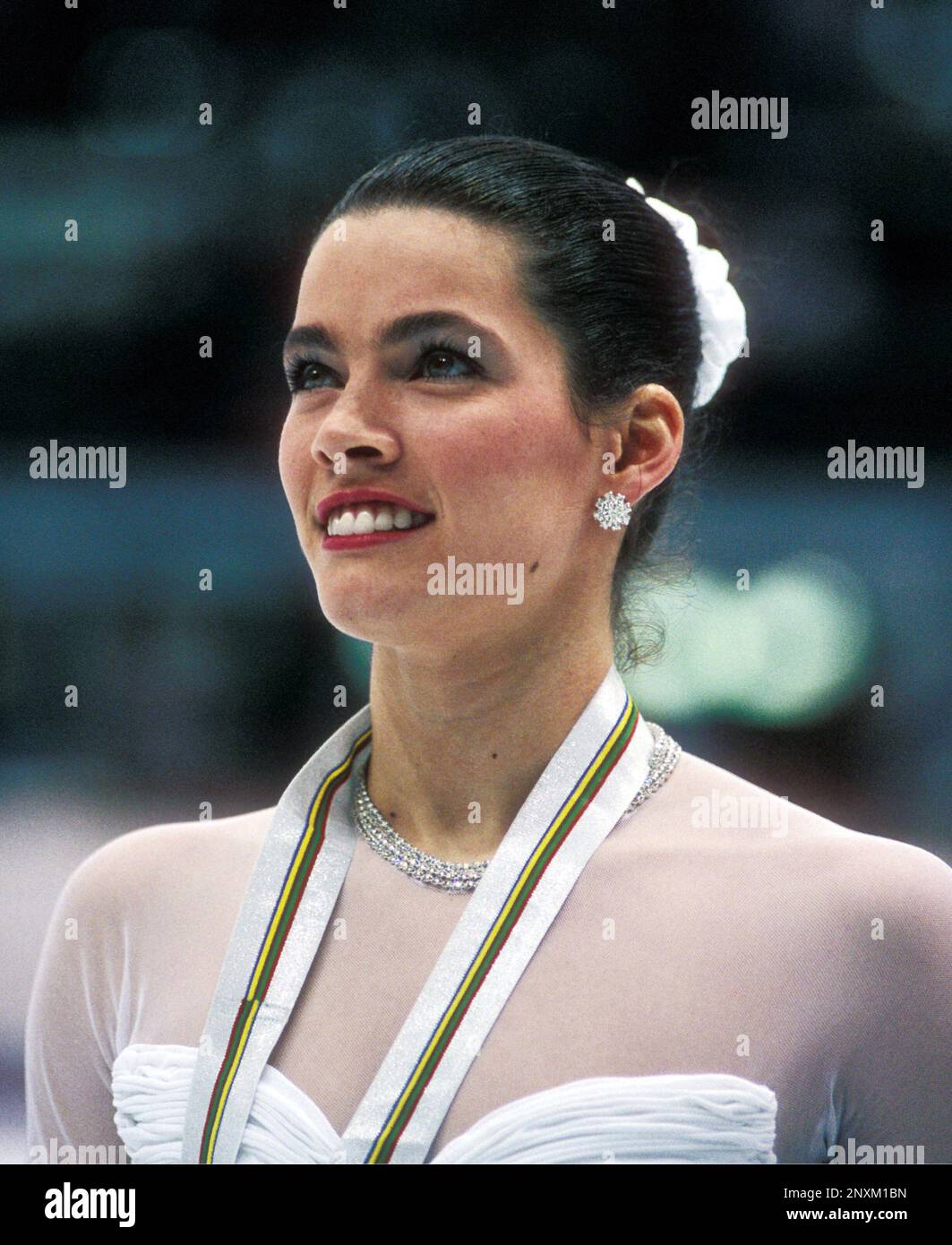
Throughout the 1994 games, the world watched not only for the skating results but for the evolving image of the athlete. Magazines and news outlets frequently utilized high-production photography to document her progress. This specific period generated the vast majority of visual archives that users often look for when querying the athlete’s appearance. Her presence at the Olympics, marked by refined skating costumes and a poised, professional demeanor, solidified her status as a household name.
Technical Evolution of Figure Skating Presentation
Kerrigan’s career was pivotal in changing how female skaters were presented in media. Before the 1990s, skating attire was largely functional. By the mid-90s, the "look" of an athlete became a deliberate component of their marketability. Kerrigan collaborated with high-end designers, most notably Vera Wang, to ensure her outfits on the ice were both aerodynamic and visually arresting.
| Aspect | 1990s Skating Context | Modern Impact |
|---|---|---|
| Costuming | Introduction of designer, high-fashion elements | Standard for elite competitive skating |
| Media Focus | Primary focus on rivalry and appearance | Diversified across personality and social media |
| Endorsement | Focused on traditional print and TV ads | Shift toward digital branding and sponsorships |
| Aesthetic | Emphasized "classic" and elegant presentation | Broader range of self-expression allowed |
Beyond the Ice: The Post-Olympic Career
Following her retirement from competitive skating, Kerrigan maintained a public presence, participating in ice shows, professional exhibitions, and television commentary. Her transition from competitive athlete to celebrity icon allowed her to maintain relevance well into the 2000s and 2010s. For researchers and fans interested in her evolution, the archives of these later performances demonstrate a continued dedication to the discipline of skating, while the media’s approach to her image shifted toward that of a seasoned veteran and sportswoman.
Frequently Asked Questions
Why is Nancy Kerrigan so frequently associated with search terms regarding her physical appearance? The association stems from her peak visibility during the 1994 Olympic cycle. As a major media star, her image was heavily promoted across global television and print media, cementing her status as an icon of the 1990s.
Did Nancy Kerrigan have a specific impact on skating fashion? Yes. Her partnership with Vera Wang elevated the standard for skating costumes, shifting the focus toward haute couture and high-end aesthetic presentation that continues to influence contemporary skaters.
Are there archives of her competitive years available for review? Major archives of her performances, including the 1992 Albertville Olympics and the 1994 Lillehammer Games, are held by international sports broadcasting networks and the United States Figure Skating Association.
How is the "Nancy Kerrigan" story currently perceived in sports history? In 2026, her career is viewed primarily as a masterclass in resilience, balancing the immense pressure of the 1994 scandal with a high-performance career that saw her win two Olympic medals.
Does she still perform in professional skating exhibitions? While she transitioned away from intense competition decades ago, she has occasionally appeared in professional showcases and television specials celebrating the history of the sport.
Next Steps for Fans and Researchers
If you are looking to explore the professional history of Nancy Kerrigan, the most reliable resources are the official archives of the U.S. Figure Skating organization and the digital libraries of major news outlets that covered the 1994 Winter Olympics. These sources provide a clear, factual look at her athletic accomplishments, costume evolution, and the historical context of her career, stripping away the tabloid-heavy narratives of the past to reveal the work of a world-class athlete.
Image Gallery