Fattoush in Mediterranean Cuisine Explained: History, Authentic Ingredients, and Preparation
Fattoush is a cornerstone of Levantine and Eastern Mediterranean cuisine, famed for its bright, astringent flavor profile and textural contrast. Originating in Lebanon and Syria, this traditional garden salad combines crisp seasonal ve...
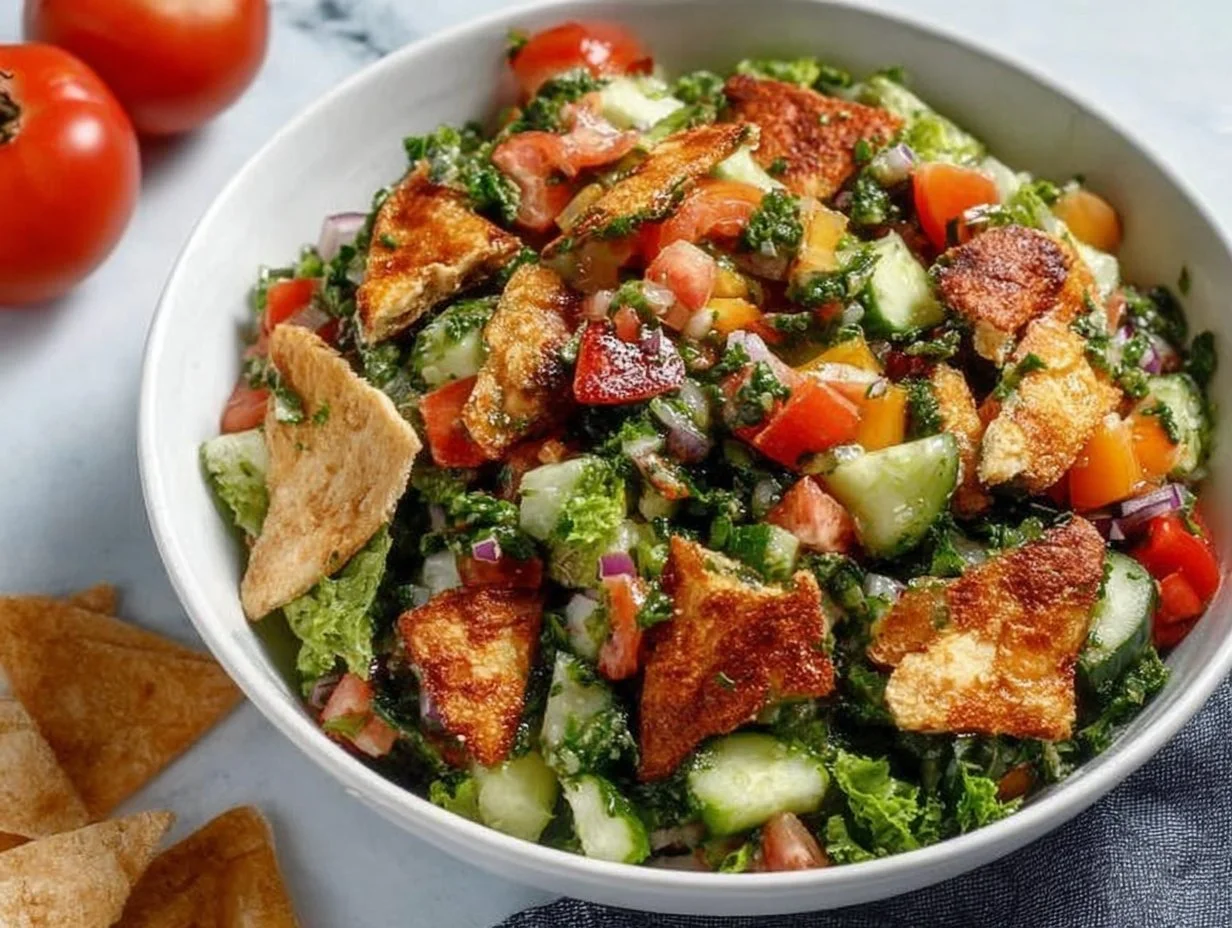
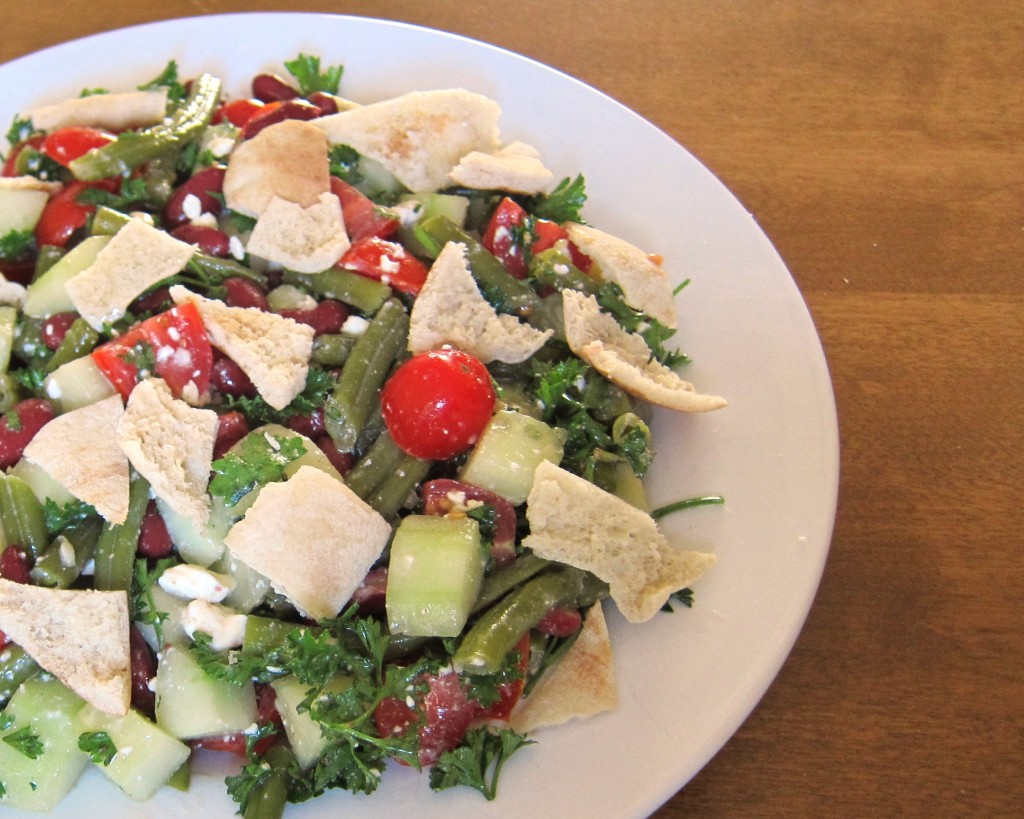
Fattoush is a cornerstone of Levantine and Eastern Mediterranean cuisine, famed for its bright, astringent flavor profile and textural contrast. Originating in Lebanon and Syria, this traditional garden salad combines crisp seasonal vegetables, tender fresh herbs, toasted or fried pita bread, and a signature dressing driven by tart sumac berries and pomegranate molasses.
Contents
Historical Origins and Cultural Significance of Fattoush
Fattoush belongs to an ancient category of Middle Eastern dishes known as fatteh (literally meaning "crushed" or "crumbs"), which historically centered around repurposing stale flatbread. In the agricultural communities of Northern Lebanon and Syria, farm families (fellahin) harvested fresh garden greens and paired them with leftover unleavened bread that had dried out in the arid heat. Rather than discarding hardened khubz (Arabic pita bread), cooks crisped the bread in olive oil or over an open flame, transforming a potential waste product into the crunchy foundation of a refreshing meal.
Unlike many Mediterranean salads that rely on wine vinegars or simple citrus squeezes, Fattoush was shaped by the natural flora of the Mount Lebanon range and the fertile Bekaa Valley. Wild purslane, mint, and sumac bushes grew abundantly in these regions, establishing the distinct herbal and sour note that distinguishes authentic Levantine cooking from Western Mediterranean styles.
Over centuries, Fattoush evolved from a humble peasant bowl into a central element of the mezze—the small-plate dining tradition popular across Lebanon, Syria, Jordan, and Palestine. It remains a staple during the holy month of Ramadan, where its high water content from fresh cucumbers and tomatoes, combined with the digestive properties of mint and sumac, makes it an ideal dish for breaking the daily fast (iftar).
The Essential Components of an Authentic Fattoush
Achieving the correct balance in Fattoush requires understanding how each ingredient contributes to the salad's signature taste—a harmony of earthy, herbaceous, sharp, and savory elements.
- Authentic Fattoush
- Textural Base
- Toasted/Fried Flatbread (Khubz)
- Crisp Greens (Purslane/Romaine)
- Acidic & Herbal Layer
- Sumac, Pomegranate Molasses, Lemon, Mint, Parsley, Garlic
- Textural Base
1. The Bread (Khubz)
The defining element of Fattoush is crisp flatbread. Authentic recipes use thin, Lebanese two-layer pita bread rather than thick Western-style pita pockets. The bread is either torn into rustic hand-sized shards or cut into neat squares.
- Fried Method: Deep-frying or shallow-frying the pita in high-quality extra virgin olive oil yields a blistered, golden crust with a rich texture that resists softening when dressed.
- Toasted Method: Baking the bread at high temperature (400°F / 200°C) with a light brush of olive oil creates a lighter, drier crunch with lower overall fat content.
2. The Greens and Vegetables
Fattoush is fundamentally a farmer's salad, meaning vegetable choices traditionally followed seasonal harvests. However, specific core items provide the necessary structure:
- Purslane (Baqleh): The most traditional leaf used in Levantine Fattoush. Purslane (Portulaca oleracea) offers a succulent, slightly mucilaginous texture and a mild lemon-like taste. When purslane is unavailable, crisp Romaine lettuce or tender butter lettuce is used as a base.
- Radishes: Thinly sliced red radishes supply a peppery bite and vivid color contrast.
- Cucumbers: Small Persian or Levantine cucumbers are preferred over thick-skinned English or field cucumbers. They have minimal seeds, thin skins, and a dense, crunchy flesh that stays firm.
- Tomatoes: Firm, ripe vine tomatoes contribute sweetness and natural juices that blend into the dressing base.
- Green Onions (Scallions): Provide a sharp, allium punch without the overwhelming intensity of raw yellow or red onions.
3. Fresh Herbs
Herbs in Fattoush are treated as primary salad leaves rather than mere garnishes.
- Flat-Leaf Parsley: Chopped coarse (unlike the fine chiffonade required for Tabbouleh).
- Fresh Mint: Whole small leaves or roughly torn larger leaves add cooling aromatics that counter the sharp acids in the dressing.
4. The Dressing Architecture
The defining hallmark of Fattoush is its astringent, citrusy dressing. It relies on two non-negotiable ingredients:
- Sumac (Rhus coriaria): A deep red spice made from coarsely ground wild sumac berries. Sumac delivers a sharp, fruity tartness reminiscent of fresh lemon juice, but with an earthy undertone.
- Pomegranate Molasses (Dibs Raman): A thick, dark syrup produced by reducing pure pomegranate juice. It provides a dense, tangy sweetness and complex fruit acid that binds the olive oil to the salad leaves.
- Extra Virgin Olive Oil: Cold-pressed olive oil acts as the emulsifying vehicle, smoothing out the harsh edges of the fruit acids.
- Garlic and Lemon: Freshly crushed garlic clove pastes and real lemon juice form the sharp aromatic base of the vinaigrette.
Step-by-Step Culinary Preparation
Creating an authentic Levantine Fattoush involves specific prep techniques to ensure the bread remains crisp and the leaves do not wilt under the acidic dressing.
- Bread Prep: Fry or bake flatbread until golden brown; cool.
- Veggie Cuts: Chop greens medium-coarse; slice radish & cucumber.
- Herb Prep: Tear fresh mint and parsley leaves coarsely.
- Dressing Mix: Whisk olive oil, sumac, pomegranate molasses, garlic, lemon, and sea salt into a smooth emulsion.
- Final Toss: Combine veggies, dress lightly, fold in bread immediately before serving.
Step 1: Prepare the Bread Base
Cut 2 rounds of thin Lebanese pita bread into 1-inch squares. Heat 3 tablespoons of extra virgin olive oil in a skillet over medium heat. Fry the pita pieces, turning continuously for 3 to 4 minutes until light golden-brown. Transfer to a paper-towel-lined plate and dust immediately with a pinch of sea salt and ground sumac. Allow the bread to cool completely before assembly; hot bread will steam and soften the fresh greens.
Step 2: Wash and Dry the Produce
Excess water is the primary cause of a soggy Fattoush. Wash all greens, herbs, cucumbers, and radishes thoroughly. Run the leaves through a salad spinner until completely dry.
Step 3: Chop with Rustic Precision
Unlike Tabbouleh, which demands meticulous, micro-diced knife work, Fattoush features bite-sized, rustic cuts:
- Chop Romaine lettuce into 1-inch ribbons.
- Pick purslane leaves off their thickest stems, leaving small clusters intact.
- Quarter Persian cucumbers lengthwise, then slice into 1/4-inch triangles.
- Slice radishes into thin discs.
- Dice tomatoes into medium 1/2-inch cubes, draining any excess seed water.
- Coarsely chop mint and parsley.
Step 4: Emulsify the Dressing
In a small glass bowl or stone mortar, crush 1 clove of garlic with a pinch of coarse sea salt until a smooth paste forms. Whisk in:
- 3 tablespoons extra virgin olive oil
- 2 tablespoons freshly squeezed lemon juice
- 1.5 tablespoons quality pomegranate molasses
- 1 tablespoon ground wild sumac
- 1/2 teaspoon dried mint (optional, for added depth)
Whisk vigorously until the dark molasses and olive oil form a glossy, unified dressing.
Step 5: Toss and Serve Immediately
Place the chopped vegetables and fresh herbs in a large wooden or ceramic bowl. Pour two-thirds of the dressing over the greens and toss gently until every leaf is lightly coated. Add three-quarters of the toasted bread chips and the remaining dressing, giving the salad one final, light toss. Garnish the top with the remaining bread chips and a generous sprinkle of dry sumac. Serve immediately.
Comparative Analysis: Fattoush vs. Other Mediterranean Salads
The Mediterranean basin features numerous regional salads that combine bread, seasonal vegetables, and acid. The following table highlights how Levantine Fattoush differs from its regional counterparts:
| Salad Name | Region / Origin | Primary Starch / Crust | Key Acid / Dressing Agent | Primary Herbs / Greens | Signature Texture Profile |
|---|---|---|---|---|---|
| Fattoush | Lebanon / Syria | Toasted/Fried Pita (Khubz) | Pomegranate Molasses & Sumac | Purslane, Mint, Parsley | Crisp, snappy, light, tart |
| Tabbouleh | Lebanon | Fine Fine-Grain Bulgur | Lemon Juice & Olive Oil | Flat-Leaf Parsley (Dominant) | Herbaceous, fine, light grain |
| Cretan Dakos | Greece (Crete) | Twice-baked Barley Rusk (Paximadia) | Red Wine Vinegar & Tomato Juices | Wild Oregano | Hard, soaked, chewy, rich |
| Horiatiki | Greece | None (Served with crusty loaf) | Red Wine Vinegar & Olive Oil | Oregano | Chunky, juicy, creamy (Feta) |
| Shirazi | Iran | None | Verjuice (Ab-Ghoora) or Lime | Mint, Dill | Finely diced, crisp, juicy |
| Panzanella | Italy (Tuscany) | Stale Tuscan Bread | Red Wine Vinegar & Olive Oil | Fresh Basil | Soft, bread-soaked, savory |
Regional Variations and Modern Adaptations
While the traditional Lebanese formula remains the standard benchmark in Mediterranean gastronomy, regional nuances exist across the Levant and modern culinary installations.
- Regional Styles
- Lebanese Style
- Heavy purslane
- Toasted/fried pita
- Broad leaf cuts
- Syrian Style
- Darker dressing
- Higher molasses ratio
- Added radishes & spices
- Lebanese Style
1. Syrian Style (Damascene)
Syrian variations often incorporate a higher proportion of pomegranate molasses, resulting in a slightly darker dressing with a pronounced sour-sweet edge. Syrian cooks also frequently include dried mint (na'na yabis) mixed directly into the sumac blend for an intensified herbaceous aroma.
2. Palestinian Style
In Palestinian home cooking, the salad frequently incorporates chopped bell peppers (red or green) alongside cucumbers and tomatoes. The bread is almost exclusively wood-oven toasted flatbread broken by hand, emphasizing a smoky taste profile rather than the rich flavor of oil-fried pita.
3. Protein Accompaniment Variations
In modern Mediterranean restaurants across North America and Europe, Fattoush is frequently transformed from a side dish into an entree salad. Common authentic additions include:
- Grilled Halloumi Cheese: The salty, squeaky cheese balances the tartness of the sumac dressing.
- Shish Taouk (Marinated Chicken Skewers): Garlic-lemon marinated chicken pairs seamlessly with the crisp, cooling salad leaves.
Common Mistakes and Culinary Troubleshooting
Achieving restaurant-quality Fattoush requires avoiding a few common prep errors that ruin its textural balance and flavor dynamics.
Issue 1: Soggy Pita Bread
- Cause: Adding the bread too early, using soggy bread, or over-dressing the salad.
- Solution: Always add fried or toasted flatbread to the bowl as the absolute final step right before bringing the dish to the table. Never let dressed Fattoush sit in the refrigerator; the salt in the dressing draws moisture from tomatoes and cucumbers, rendering the toasted bread soft and mushy within 15 minutes.
Issue 2: Harsh Bitter or Excessive Sourness
- Cause: Low-quality commercial pomegranate molasses diluted with citric acid and corn syrup, or over-using raw garlic.
- Solution: Check the ingredients on your pomegranate molasses jar. It should ideally contain only 100% pure pomegranate juice concentrate (or juice, sugar, and lemon juice). If using a highly concentrated traditional molasses, adjust the lemon juice downward to maintain balance. Mince or crush garlic into a fine paste with salt to avoid harsh chunks of raw garlic.
Issue 3: Watery Dressing Pooling at the Bottom
- Cause: Freshly washed vegetables carrying excess rinse water into the bowl, or seeded tomatoes releasing juices.
- Solution: Thoroughly dry all greens in a salad spinner. Deseed high-water tomatoes before dicing, or gently toss the diced tomatoes with a pinch of salt in a colander for 5 minutes to drain excess liquid prior to mixing.
Frequently Asked Questions
What can I substitute if I cannot find purslane?
If fresh purslane is unavailable at your local market, the best substitutes are fresh watercress, baby spinach mixed with arugula, or crisp butter lettuce. Watercress successfully mirrors the slight peppery tang and succulent leaf structure of traditional purslane.
Is sumac mandatory for an authentic Fattoush?
Yes. Sumac is the essential ingredient that defines Fattoush's flavor identity. Without ground sumac berries, the salad loses its characteristic astringency and earthy citrus profile. Red wine vinegar or lemon juice alone cannot replicate sumac's distinctive taste profile.
Should the pita bread for Fattoush be fried or baked?
Both methods are authentic, though they yield different results. Frying small pieces of pita flatbread in extra virgin olive oil produces a golden, crispy bite that resists moisture longer once mixed into the salad. Baking or dry-toasting offers a lighter, lower-calorie alternative with a drier crunch.
Can Fattoush be prepared ahead of time for meal planning?
You can prepare the individual elements up to 24 hours in advance. Chop the dry vegetables and keep them stored in an airtight container lined with a damp paper towel. Whisk the dressing separately in a jar, and store the toasted pita chips at room temperature in a sealed bag. Toss the vegetables, dressing, and bread together immediately before serving.
What is the difference between Fattoush and Tabbouleh?
While both are iconic Levantine salads, Tabbouleh is primarily a fine herb salad dominated by finely chopped flat-leaf parsley, fresh mint, diced tomatoes, and a tiny amount of soaked fine bulgur, dressed simply with lemon juice and olive oil. Fattoush is a chunky vegetable and green salad featuring purslane, radishes, cucumbers, toasted pita bread, and a dressing powered by sumac and pomegranate molasses.
Final Culinary Recommendations
To master authentic Levantine Fattoush, focus on ingredient freshness and proper assembly timing:
- Source Authentic Spices: Purchase bright crimson ground sumac from Mediterranean or Middle Eastern specialty markets rather than dull, brown commercial spices, which lack tart oils.
- Prioritize Dry Greens: Ensure every green leaf and herb is completely dry before introducing oil and acid to preserve leaf crispness.
- Dress at the Table: Keep toasted bread separate until the moment of service to preserve the signature textural contrast between crisp khubz and cold vegetables.
Image Gallery