Understanding the Pre-Ovulation Phase in Cycle Management
The pre-ovulation phase, often referred to as the follicular phase, is the period starting from the first day of menstruation and continuing until ovulation occurs. Mastering this phase involves tracking hormonal shifts, physiological...
The pre-ovulation phase, often referred to as the follicular phase, is the period starting from the first day of menstruation and continuing until ovulation occurs. Mastering this phase involves tracking hormonal shifts, physiological indicators, and cycle length to better predict the fertile window, supporting either reproductive health goals or general physiological awareness.
Contents
Defining the Pre-Ovulation Phase
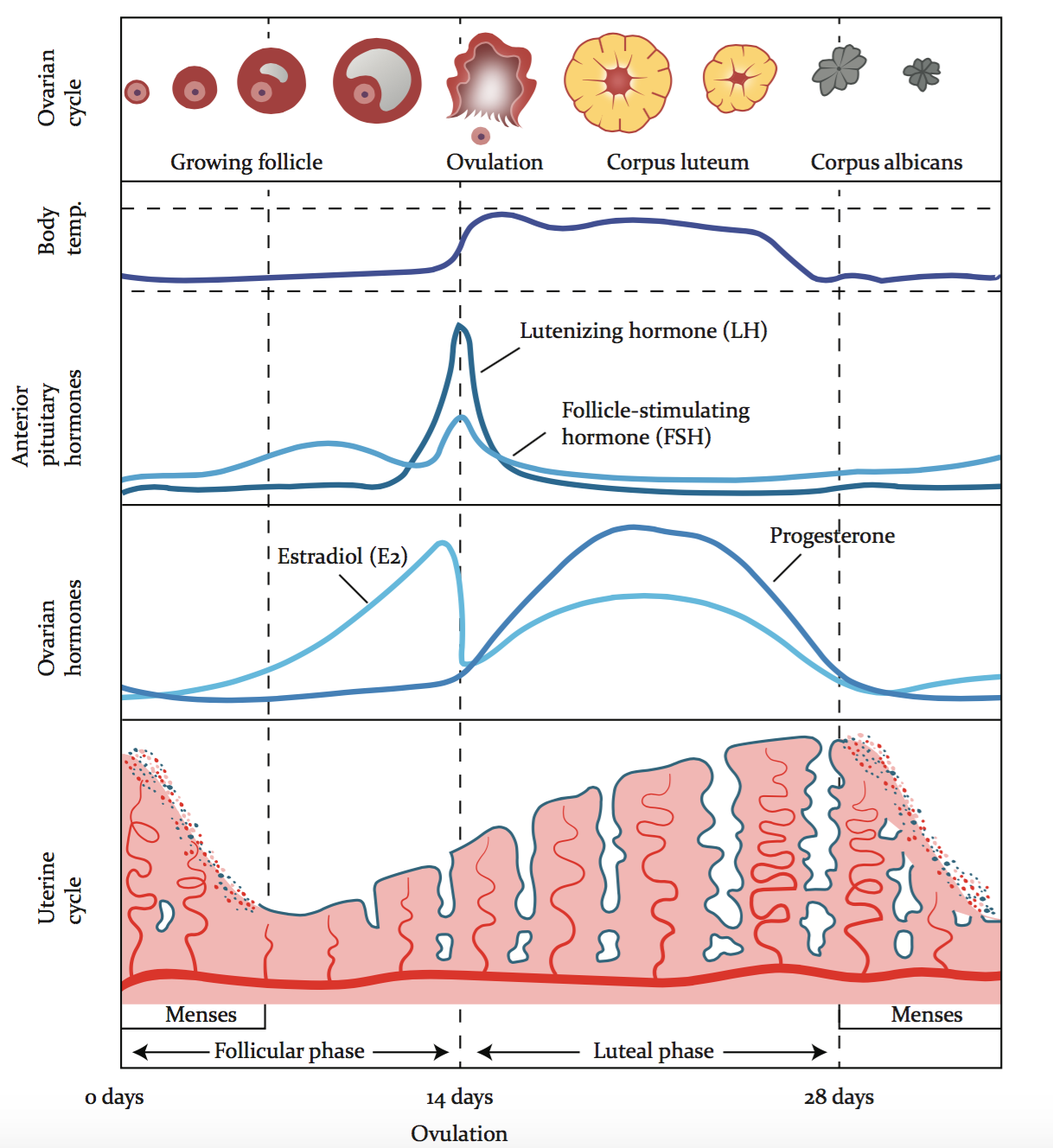
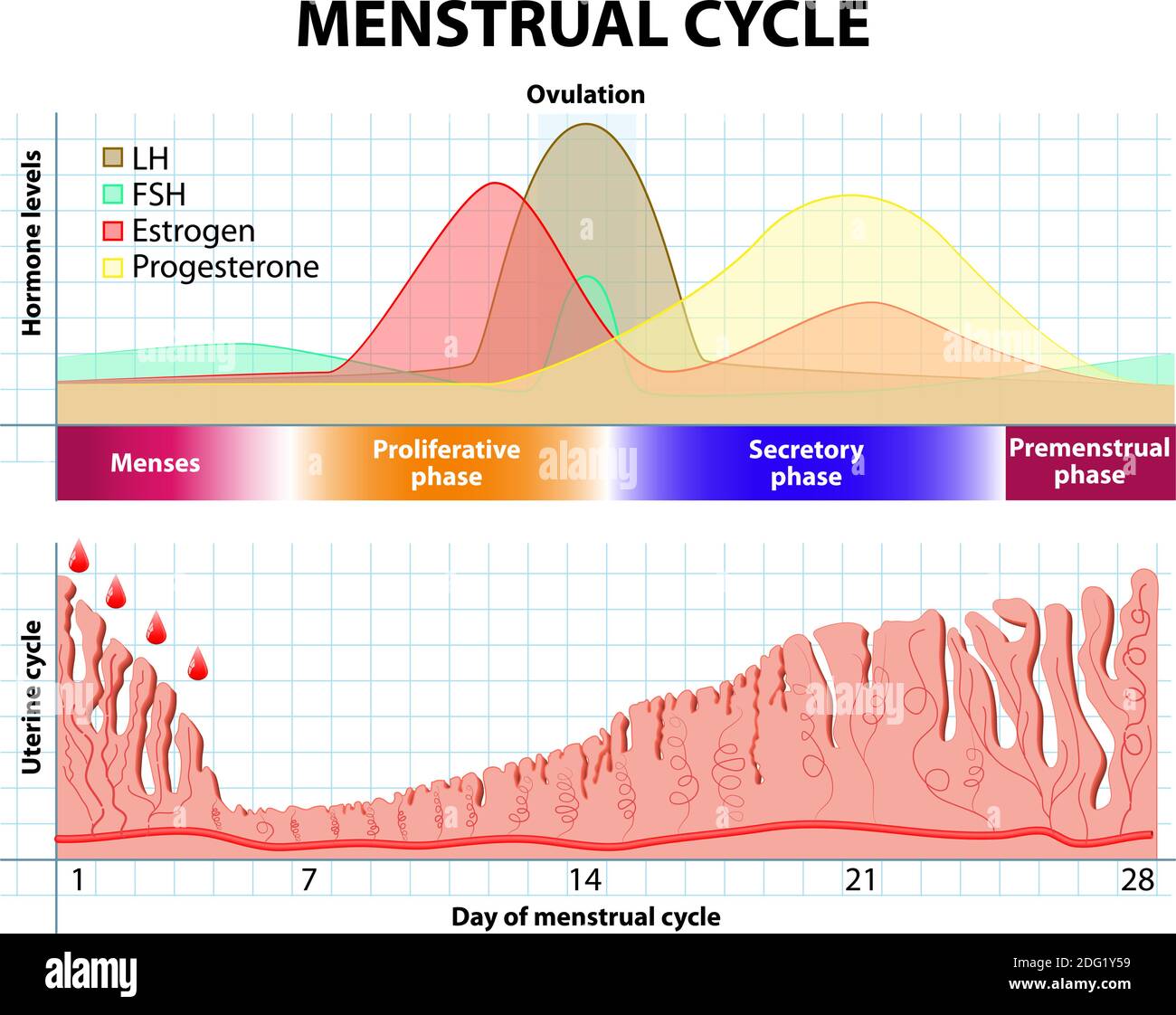
The menstrual cycle is a complex biological rhythm regulated by the interplay of the hypothalamus, the pituitary gland, and the ovaries. The pre-ovulation phase is scientifically known as the follicular phase. It begins on Day 1 of the cycle—the first day of full menstrual flow—and concludes just before the surge of luteinizing hormone (LH) triggers the release of an egg.
During this time, the body’s primary objective is to select and mature a dominant follicle. Under the influence of Follicle-Stimulating Hormone (FSH), several follicles begin to grow. Eventually, one follicle becomes dominant, secreting increasing amounts of estrogen. This rise in estrogen serves several purposes: it thickens the endometrial lining of the uterus to prepare for a potential pregnancy and prepares the reproductive tract by altering cervical mucus consistency.
Physiological Markers and Data Tracking
Effective cycle management relies on the consistent observation and recording of biomarkers. Because the follicular phase can vary significantly in length even among individuals with regular cycles, relying solely on calendar calculations is often insufficient.
Cervical Mucus Monitoring
Cervical mucus is arguably the most reliable non-invasive indicator of the approaching fertile window. During the early follicular phase (immediately following menstruation), many people experience "dry" days where little to no discharge is present. As estrogen levels rise toward the middle of the phase, the mucus transitions from a sticky or pasty consistency to a texture often described as "egg-white"—stretchy, clear, and lubricative. This fluid is designed to protect sperm and facilitate its movement through the cervix.
Basal Body Temperature (BBT)
While BBT is most useful for confirming that ovulation has already occurred (by showing a post-ovulatory temperature shift), tracking it during the pre-ovulation phase is useful for establishing a baseline. During the follicular phase, temperatures typically remain at a lower, stable range. Significant fluctuations here may indicate environmental factors, illness, or sleep disturbances, providing a clearer context for the post-ovulatory rise.
Hormonal Testing
For those seeking higher precision, home-use ovulation predictor kits (OPKs) or hormone-tracking monitors are available. These devices measure the concentration of LH in the urine. While the LH surge happens at the end of the pre-ovulation phase, testing early in the cycle allows the user to identify the "high fertility" window that precedes the "peak" day of ovulation.
Comparative Overview of Cycle Phases
| Phase | Duration (Average) | Dominant Hormone | Primary Physiological Goal |
|---|---|---|---|
| Menstrual | 3–7 days | Low Estrogen/Progesterone | Shedding of uterine lining |
| Follicular (Pre-Ovulatory) | 7–14+ days | Rising Estrogen | Follicular growth and lining repair |
| Ovulation | 12–36 hours | LH Surge | Release of the oocyte |
| Luteal | 12–14 days | Progesterone | Maintenance of uterine lining |
Managing Cycle Variability
One of the most common challenges in cycle management is the inherent variability of the follicular phase. Factors such as physical stress, travel, illness, or changes in nutrition can delay the development of the dominant follicle, effectively lengthening the pre-ovulation phase.
If you are using cycle management to identify fertile days, it is critical to treat every cycle as an independent event. If a cycle is delayed, the "safe" or "fertile" days calculated based on previous cycle lengths will be inaccurate. In these instances, relying on secondary signs like cervical mucus quality becomes the primary method for verification, as the body’s physical response remains a more accurate indicator than historical averages.
Prerequisites for Reliable Tracking
To successfully manage the pre-ovulation phase, you must implement a consistent routine:
- Consistency in Timing: If measuring BBT, record it at the same time each morning after at least three hours of continuous sleep.
- Standardized Observation: Check for cervical mucus at the same time during your daily hygiene routine to ensure consistent results.
- Data Recording: Use a dedicated app or paper chart to store daily inputs. This allows for the identification of patterns over multiple months.
- Contextual Notes: Note external factors such as alcohol consumption, late nights, or high-stress events, as these can impact metabolic indicators.
Troubleshooting Common Observations
When tracking this phase, you may encounter results that do not align with typical textbook descriptions.
- "Dry" to "Peak" without transition: If you notice sudden transitions from dry to egg-white mucus, this suggests that the estrogen rise was rapid. It is essential to treat this as a high-fertility sign.
- Irregular Cycles: If your follicular phase consistently lasts longer than 21 days or varies by more than a week, it is advisable to consult with a healthcare professional to rule out hormonal imbalances, such as those associated with Polycystic Ovary Syndrome (PCOS).
- Spotting: Light spotting during the transition from the menstrual to the early follicular phase is generally considered normal, but persistent bleeding throughout the phase should be evaluated by a medical provider.
Professional Considerations
While cycle tracking is an empowering tool for personal health management, it should not replace medical consultation when persistent issues arise. Cycle management methods are not a replacement for clinical diagnosis regarding hormonal health, thyroid function, or fertility issues. If you are using these methods for pregnancy prevention, be aware that the efficacy of Natural Family Planning (NFP) or Fertility Awareness-Based Methods (FABMs) depends on strict adherence to a chosen protocol, such as the Symptothermal Method.
Always consult with a primary care physician or a gynecologist if you experience severe pelvic pain, irregular bleeding, or if you are attempting to conceive for more than 12 months (or 6 months if over age 35) without success.
Frequently Asked Questions
Can I skip tracking during my period?
It is not necessary to track cervical mucus during heavy menstruation because the blood obscures the sensation and texture. However, continuing to track BBT and noting the start/end of your period is vital for calculating the total cycle length, which informs your understanding of the follicular phase’s duration.
Does the pre-ovulation phase always last 14 days?
No. The follicular phase is the most variable part of the menstrual cycle. While a "textbook" cycle assumes a 14-day follicular phase followed by 14 days of the luteal phase, most individuals experience significant fluctuation. The luteal phase is typically stable in duration, while the follicular phase is the portion that fluctuates in response to life events.
Can stress delay ovulation?
Yes, high levels of cortisol (the stress hormone) can interfere with the signals sent from the brain to the ovaries. This can delay the selection and maturation of the follicle, effectively lengthening your pre-ovulation phase and pushing back your day of ovulation.
What should I do if I miss a day of tracking?
Do not attempt to guess or backfill data. Simply mark the day as "missed" or "unknown" and resume tracking the following day. Missing a single day usually does not invalidate the entire cycle's data, provided you have enough consistent data points surrounding the gap to make an informed observation.
Next Steps for Cycle Mastery
To begin effectively managing your cycle, select one primary tracking method—such as daily cervical mucus observation—and commit to it for three full cycles. Pair this with a secondary method, like daily temperature recording, to add a layer of verification. By collecting three months of data, you will have a sufficient baseline to understand your unique follicular rhythm. Use this data to identify your own personal "fertile window" and observe how your body communicates its readiness throughout the month.
Image Gallery