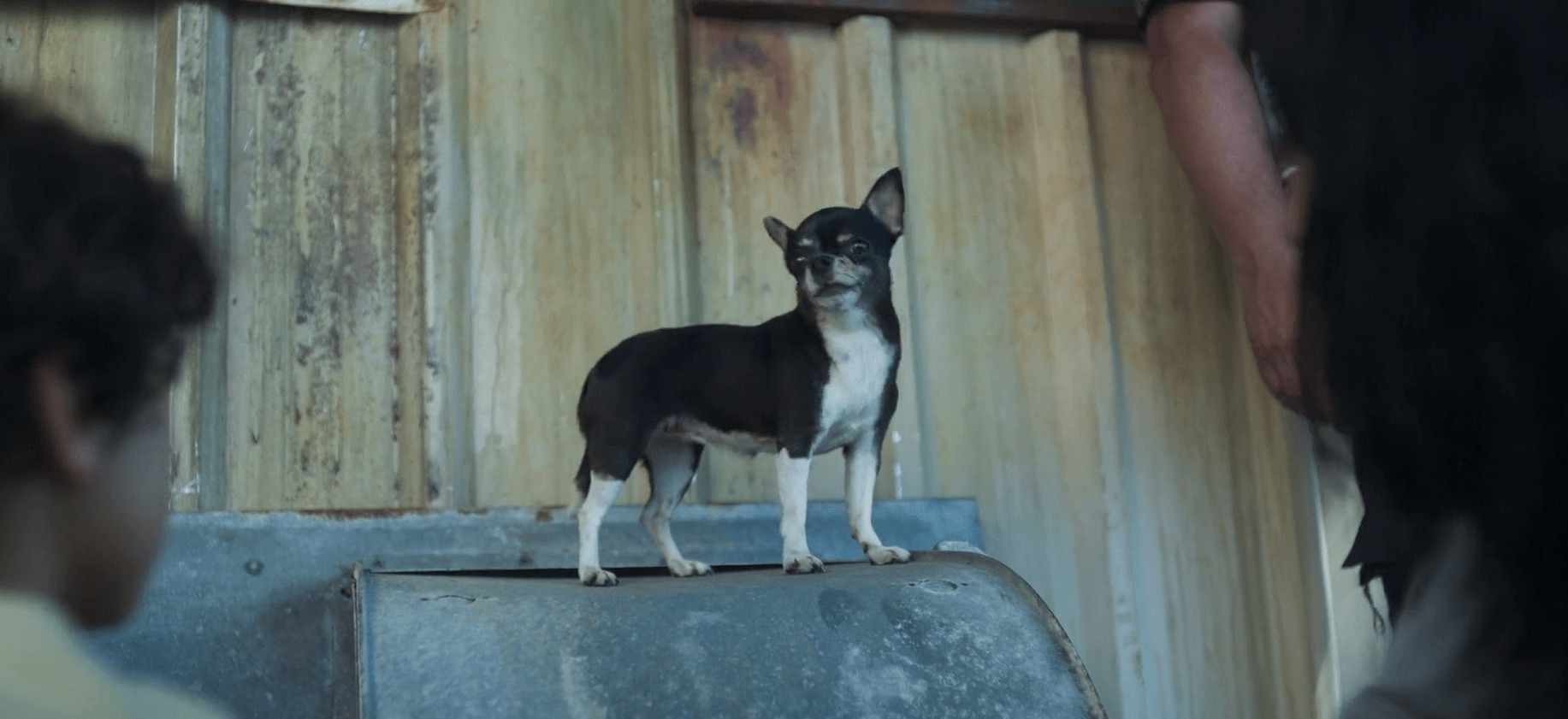
Why the Dog Dies and the Narrative Mechanics of Bringing Her Back
In speculative fiction and horror, the death and subsequent resurrection of a pet—often a dog—serves as a narrative "proof of concept" for the supernatural rules of the story's world. This trope establishes that while life can be resto...
In speculative fiction and horror, the death and subsequent resurrection of a pet—often a dog—serves as a narrative "proof of concept" for the supernatural rules of the story's world. This trope establishes that while life can be restored, the process is fundamentally corrupted, providing a grim warning before characters attempt to bring back a human loved one.
Contents
The Narrative Function of the Sacrificial Pet
The "why" behind the death of a dog or cat in a resurrection-themed story is rarely about cruelty and almost always about structural storytelling. In literary and cinematic tradition, pets represent innocence and unconditional love. When a pet dies, it creates an immediate emotional vacuum for the characters and the audience. However, in the context of "bringing her back"—whether "her" refers to the pet itself or a human character who dies later—the pet’s death serves several technical functions in a script.
Establishing the "Rules of the Grave"
Before a protagonist can make the catastrophic decision to resurrect a human, the audience must understand the mechanics and the costs. The pet is the experimental subject. By bringing a dog back first, the story demonstrates the "How" (e.g., burial in ancient ground, lightning-strike reanimation, or chemical serums) and the "Consequence" (e.g., the animal returns aggressive, "wrong," or devoid of its former personality).
The Catalyst for Human Resurrection
In many narratives, specifically the 2019 adaptation of Stephen King's Pet Sematary (where the central child figure was changed to a daughter, Ellie), the resurrection of the pet is the "gateway drug." The character witnesses the pet’s return and, despite noticing that the animal is changed, the raw desire to conquer grief overrides their judgment. When the daughter ("her") eventually dies, the precedent has already been set. The pet’s return proves it can be done, which makes the temptation of bringing back a human impossible to resist.
The "Bring Her Back" Motivation: Grief vs. Morality
The primary search intent behind "why does the dog die bring her back" often stems from a misunderstanding of the character’s logic. Why would someone bring back a pet if they know it might come back "wrong"?
As of 2026, psychological studies on "narrative empathy" suggest that audiences often find the death of a pet more distressing than that of a human character because pets are viewed as lacking agency; they are perpetual victims of their environment. Writers exploit this. The decision to "bring her back" is an exploration of the five stages of grief, specifically bargaining.
- Denial: The character cannot accept the suddenness of the pet's death (often a car accident or sudden illness).
- Bargaining: If a supernatural method exists, the character "bargains" with nature to reverse the event.
- The Result: The resurrection is never a true restoration. It is a biological or spiritual mimicry.
In stories like Frankenweenie or Pet Sematary, the dog dies to force the protagonist into a position of god-like responsibility. Bringing the pet back is an act of selfishness disguised as love. The story uses the pet to show that "dead is better" because the resurrected entity lacks the soul of the original.
Comparative Analysis of Pet Resurrection Tropes
Resurrection narratives vary in their technical execution. Some focus on scientific "Re-Animation," while others focus on "Supernatural Curses."
| Movie/Book Entity | Resurrected Subject | Method of Resurrection | Narrative Result |
|---|---|---|---|
| Pet Sematary | Church (Cat) / Ellie (Daughter) | Micmac Burial Ground | Returns malicious and murderous; "sour ground" logic. |
| Frankenweenie | Sparky (Dog) | Galvanism (Electricity) | Successfully resurrected but causes a chain reaction of monstrosities. |
| The Lazarus Effect | Rocky (Dog) | Neural Serum | Returns with telekinetic powers and extreme aggression. |
| A Dog's Purpose | Bailey (Dog) | Reincarnation | Positive/Spiritually focused; "bringing back" the soul in new bodies. |
The "Sour Ground" Logic: Why They Come Back "Wrong"
A common question is why the resurrected pet or person cannot simply be themselves. In technical horror writing, this is known as the "Monkey's Paw" trope. For a wish to be granted (life restored), a price must be paid.
The Loss of the Soul
In supernatural thrillers, the body is treated as a vessel. When the dog dies, the "soul" or the "essence" of the pet is perceived to have moved on. Bringing "her" back only reanimates the physical matter. Without the original spirit, the void is filled by something else—often described as a primal, predatory instinct or a demonic entity. This is why, in Pet Sematary, the character Jud Crandall warns that "the person you put in that ground ain't the person that comes out."
The Physical Decay
Even in sci-fi-based resurrections, the "why" of the horror often relates to the brain's lack of oxygen. If the dog is dead for a significant period before the character tries to "bring her back," the resulting brain damage or cellular decay ensures that the resurrected creature is a husk of its former self. This adds a layer of biological realism to the horror.
Why the Audience Experiences "Resurrection Regret"
As a reader or viewer, you may ask why the plot doesn't just let the dog stay dead. This is a tool used by directors to create dread. Dread is the feeling that something terrible is going to happen, and there is nothing you can do to stop it.
When the dog dies, the audience feels sadness. When the character decides to bring the dog back, the emotion shifts from sadness to anxiety. You know it is a mistake, but you are forced to watch the character succumb to their grief. This transition is essential for building tension in the second act of a film or novel. By the time the story moves to "bring her back" (referring to the human character), the audience is in a state of high-alert horror.
Common Mistakes in Interpreting the "Bring Her Back" Intent
Many viewers confuse the reason for the death with the mechanism of the return.
- Mistake 1: Assuming the dog’s death is the "End": In these specific stories, the dog’s death is actually the Inciting Incident. It is the start of the plot, not a subplot.
- Mistake 2: Thinking the resurrection is a "Fix": Within the genre of "Tragedy," resurrection is never a solution. It is always the "Complication" that leads to the climax.
- Mistake 3: Misidentifying the "Her": In many searches, users refer to "bringing her back" in the context of the dog. However, if the dog is male (like Church or Sparky), "her" almost always refers to the female lead or daughter whose death follows the pet's.
FAQ: Understanding Pet Death and Resurrection in Media
Does the pet always come back evil in these stories?
In the horror genre, yes. The narrative requirement of horror is that the subversion of nature must have negative consequences. However, in children's media or fantasy (like Frankenweenie or certain myths), the pet may return as a "lovable zombie" or a guardian spirit, though this is less common.
Why is the 2019 version of Pet Sematary different regarding "bringing her back"?
In the original 1983 novel and 1989 film, a young son (Gage) dies and is brought back. The 2019 film changed this to the older daughter (Ellie). This change was made to allow the "resurrected" character to have more dialogue and psychological agency, making the act of "bringing her back" more terrifying because she can articulate her own state of being.
Is there a way to tell if a dog dies in a movie before watching?
Yes. As of 2026, the primary resource for this remains "DoesTheDogDie.com." This crowdsourced database tracks animal deaths, which helps viewers who have trauma or high sensitivity to animal cruelty avoid specific triggers.
What is the psychological term for wanting to "bring her back"?
This is often related to "Pathological Grief" or "Complicated Grief." It is a state where the bereaved person is unable to move through the stages of mourning and instead becomes obsessed with the idea of reversing the loss, a concept frequently explored in gothic literature.
Recommendation for Viewers and Readers
If you are struggling with the "why" of a dog dying in a story, focus on the Protagonist's Flaw. The dog’s death is a test of the protagonist's character. If they accept the death, the story ends as a drama about healing. If they attempt to "bring her back," the story becomes a horror about the dangers of not letting go.
To better understand this trope, compare the themes of Pet Sematary with The Monkey's Paw. Both serve as cautionary tales: the tragedy isn't the death itself, but the refusal to accept it.
Image Gallery