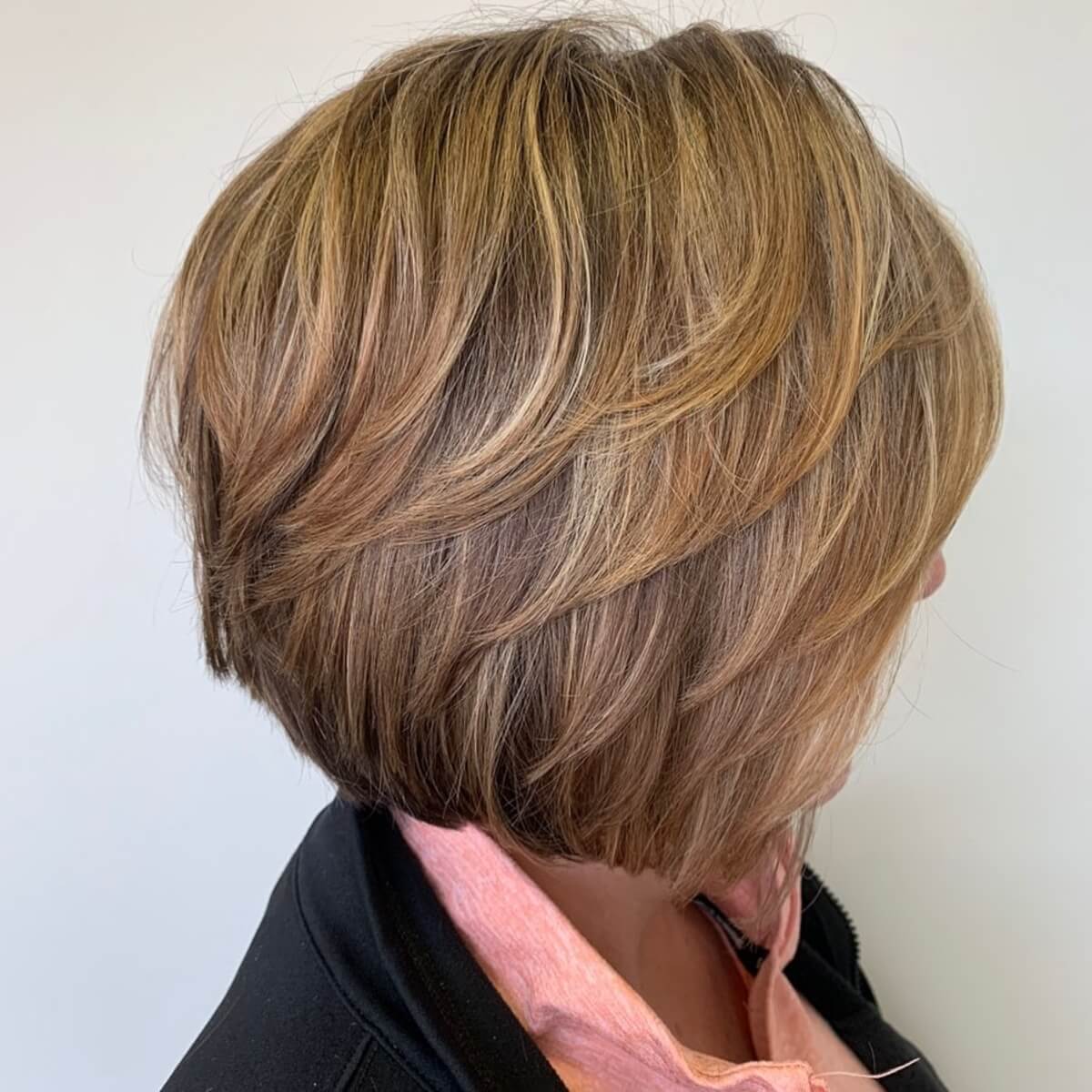
The Complete Guide to the Layered Shoulder Length Bob Haircut
The layered shoulder length bob haircut is a versatile, mid-length hairstyle featuring graduated or stacked layers that add natural volume, movement, and texture. Sitting right at the collarbone, this cut suits a wide variety of face s...
The layered shoulder length bob haircut is a versatile, mid-length hairstyle featuring graduated or stacked layers that add natural volume, movement, and texture. Sitting right at the collarbone, this cut suits a wide variety of face shapes and hair textures by balancing structure with effortless, modern styling.
Contents
Achieving a flawless layered shoulder length bob requires understanding foundational haircutting geometry, hair texture compatibility, and daily maintenance routines. Whether you are transitioning from a shorter crop or cutting off damaged long locks, this mid-length style offers the ideal compromise between manageable upkeep and styling versatility. Master stylists rely on specific weight-removal techniques and precision cutting angles to ensure the layers enhance your natural bone structure rather than creating unwanted bulk or frizz.
Anatomical Breakdown of a Shoulder-Length Layered Bob
A traditional bob sits at a uniform length around the chin or shoulders, but introducing layers transforms the silhouette into a dynamic, multi-dimensional style. The shoulder-length variation—often referred to as a lob (long bob)—hits right at the clavicle, offering enough length to tie back while maintaining the signature sharp perimeter of a classic bob.
Layers are integrated into the interior and ends of the hair to manipulate weight and movement. Short layers near the crown boost volume for fine hair, while long, graduated layers near the bottom prevent thick hair from expanding into an unwanted triangle shape.
- The Perimeter: Typically cut straight across or with a slight forward angle, grazing the collarbone.
- The Interior Layers: Sculpted to add lift at the roots and eliminate dead weight.
- The Face-Framing Pieces: Softer, shorter strands around the jawline that accentuate cheekbones and soften the jaw.
- The Crown: Kept slightly fuller to provide natural elevation and prevent the style from looking flat.
Determining Your Face Shape and Hair Texture Compatibility
Before committing to a layered shoulder length bob, you must evaluate your unique hair texture, density, and facial geometry. While this haircut is notoriously adaptable, minor adjustments to the layer placement and parting can mean the difference between a high-fashion look and a styling nightmare.
Different hair types react uniquely to internal texturizing and layering techniques. Reviewing these mechanical interactions helps prevent styling frustration after your salon visit.
| Hair Type / Texture | Layering Strategy | Primary Benefit | Potential Challenge |
|---|---|---|---|
| Fine & Straight | Long, subtle layers with blunt ends | Creates the illusion of thicker, denser hair | Over-layering can make ends look stringy and sparse |
| Thick & Coarse | Deeply textured internal layers | Removes bulk and prevents triangle hair | Requires frequent thinning to maintain shape |
| Wavy | Long, cascading layers | Enhances natural wave pattern and bounce | Frizz susceptibility if moisture isn't locked in |
| Curly | Step-cut or sliding layers | Prevents excessive bulk and encourages ringlets | Improper cutting can disrupt curl groupings |
Oval and heart-shaped faces can pull off virtually any variation of this cut. If you have a round face shape, ask your stylist to keep the front pieces longer than your chin to elongate your features. Square face shapes benefit greatly from wispy, textured layers that soften strong jawlines.
Step-by-Step Cutting and Styling Methodology
Executing a professional-grade layered shoulder length bob demands precision, sharp shears, and a methodical workflow. Stylists follow a structured process to ensure symmetry and balanced weight distribution throughout the head.
- Sectioning the Hair: Cleanly divide damp hair into four distinct quadrants—two front sections from ear to ear passing over the crown, and two back sections divided by a center part down to the nape of the neck.
- Establishing the Baseline Length: Release the back bottom sections and cut straight across to the desired shoulder-grazing length, maintaining zero elevation for a crisp, clean perimeter.
- Cutting the Back Layers: Elevate the interior sections at a 45-degree to 90-degree angle depending on the desired volume, and use point-cutting techniques to soften the ends and prevent harsh lines.
- Sculpting the Front and Face-Framing Pieces: Pull the front sections forward at a slight downward angle, cutting graduated layers that begin around the chin and blend seamlessly into the back perimeter.
- Texturizing and Detailing: Dry the hair completely before performing a dry-cut pass. Use thinning shears or slide-cutting techniques sparingly to remove excess bulk and ensure seamless movement.
Professional Styling Tip: When blow-drying your layered bob, use a medium round brush to gently bevel the ends inward. This prevents the layers from flipping outward awkwardly and preserves the sophisticated, polished silhouette of the cut.
Daily Maintenance, Maintenance Schedules, and Product Selection
Maintaining the crisp, clean lines of a shoulder-length layered bob requires a dedicated upkeep routine. Because the ends rest directly on your shoulders or collarbones, friction can cause them to flip or fray over time.
To protect your investment, incorporate these foundational care practices into your weekly schedule:
- Salon Trims: Visit your stylist every 6 to 8 weeks to dust the ends and maintain the precise shoulder-grazing angle.
- Heat Protection: Always apply a thermal styling spray before using blow dryers, curling wands, or flat irons to prevent split ends along the layered edges.
- Moisture Balance: Use a lightweight hydrating conditioner or weekly hair mask to keep the ends supple without weighing down the crown layers.
- Anti-Frizz Serums: Apply a dime-sized amount of smoothing oil to dry ends to define the layers and eliminate flyaways.
Comprehensive Pros and Cons Comparison
Every haircut carries distinct advantages and drawbacks depending on your lifestyle, styling habits, and hair maintenance tolerance. A balanced assessment ensures you choose a style that aligns with your daily routine.
Advantages
- Versatility: Easy to wear sleek and straight, styled in loose beach waves, or pulled back into a half-up style.
- Volume Enhancement: Strategic layering provides natural lift for fine, flat hair types.
- Youthful Appeal: The collarbone-grazing length flatters the neck and draws attention to the collarbones and jawline.
- Manageability: Dries much faster than long hair and requires less physical effort to style.
Drawbacks
- Upkeep Frequency: Requires regular salon visits every couple of months to keep the layers from losing their shape.
- Shoulder Friction: Hair hitting the shoulders can naturally flip out, requiring deliberate styling to control.
- Styling Dependency: Fine hair types may require daily blow-drying and root-lifting products to maintain body.
- Growing Out Pains: Transitioning from a layered bob back to a uniform length involves an awkward mid-length growing phase.
Frequently Asked Questions
How often should a layered shoulder length bob be trimmed?
You should schedule a maintenance trim every 6 to 8 weeks to keep the ends sharp, prevent split ends, and preserve the intended shape of the layers. Waiting longer than three months can cause the bottom weight line to collapse.
Can fine hair pull off a layered shoulder length bob?
Yes, fine hair looks fantastic with a layered bob as long as the layers are kept subtle and long. Avoid heavy thinning or excessive short crown layers, which can make fine hair appear sparse and stringy.
Will a shoulder-length layered bob work with curly hair?
Curly hair looks exceptionally vibrant with a layered bob, provided the cut is tailored to your specific curl pattern. Stylists often cut curly hair dry to ensure the layers fall naturally within your curl groupings without creating unwanted bulk.
How do I style a layered bob to prevent it from flipping out?
Use a round brush while blow-drying, directing the airflow downward from roots to ends while gently curling the ends inward. Finishing with a lightweight smoothing cream helps anchor the hair into place.
Is a lob the same thing as a layered shoulder length bob?
A lob (long bob) generally refers to any bob that falls between the chin and the collarbone. Adding layers transforms a standard blunt lob into a textured, dimensional layered shoulder length bob.
Professional Recommendation
If you are ready to transition to a layered shoulder length bob, consult with your stylist by bringing reference photos that match your exact hair texture and density. Emphasize whether you prefer a sleek, modern finish or a relaxed, beach-wave aesthetic so your stylist can customize the layer weight and face-framing angles to suit your daily lifestyle.
Image Gallery