Why Is My Home Value Dropping on Zillow
Your home value on Zillow is likely dropping because the platform updates its Zestimate algorithm using recent local market comps, shifting mortgage interest rates, and changing buyer demand. Because Zillow relies on automated public d...
Your home value on Zillow is likely dropping because the platform updates its Zestimate algorithm using recent local market comps, shifting mortgage interest rates, and changing buyer demand. Because Zillow relies on automated public data rather than an interior inspection, macroeconomic shifts and localized neighborhood price adjustments can cause rapid downward fluctuations.
Contents
Understanding the Mechanics Behind the Zillow Zestimate
To understand why your Zestimate is dropping, it helps to look at how Zillow calculates property values. The Zestimate is an automated valuation model (AVM) that estimates a home’s market value based on public records, user-submitted data, and a vast database of comparable market sales (comps). It is not an official appraisal, nor does it factor in private upgrades you have made unless those improvements have been officially recorded through municipal building permits and tax assessments.
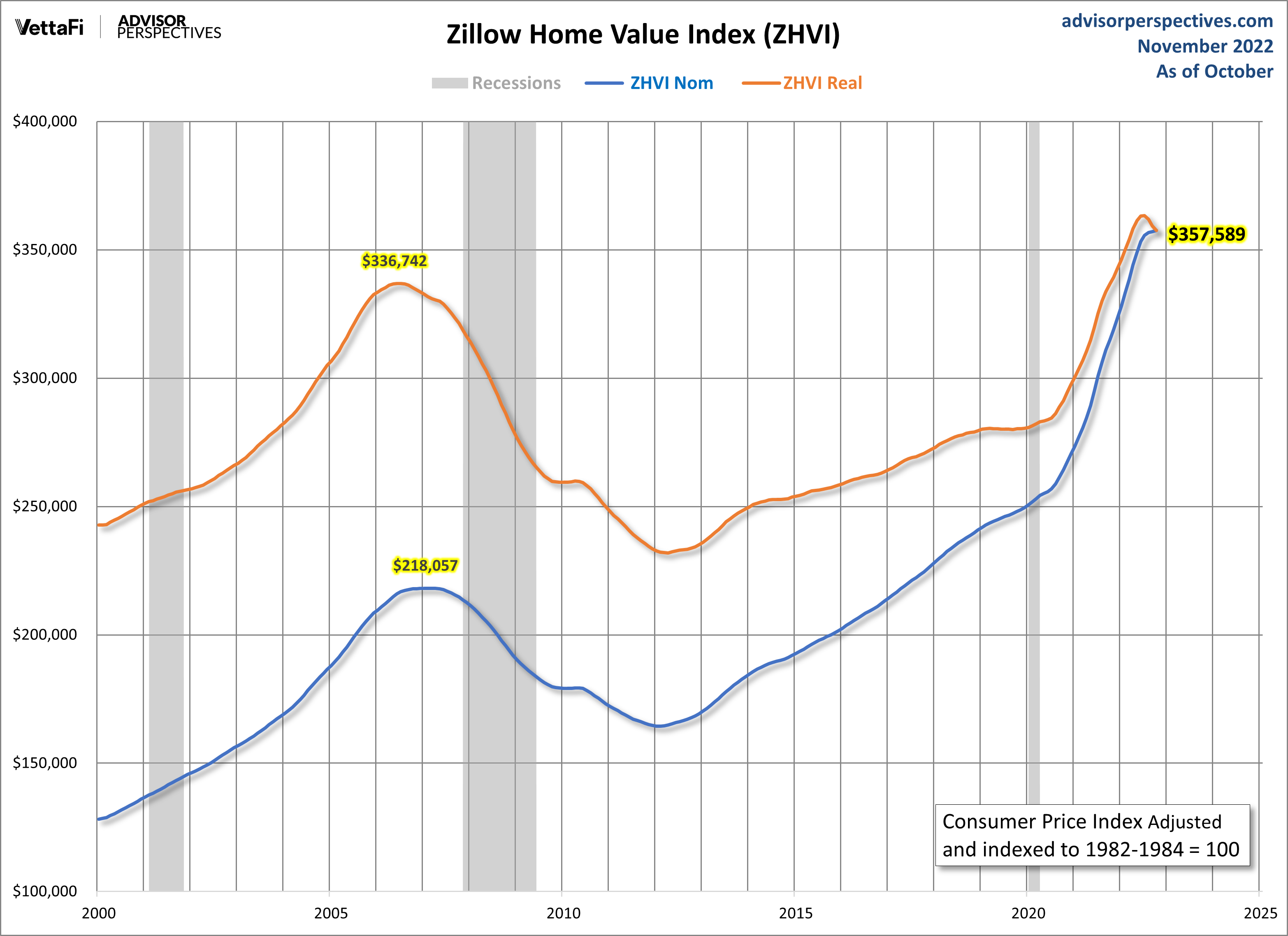
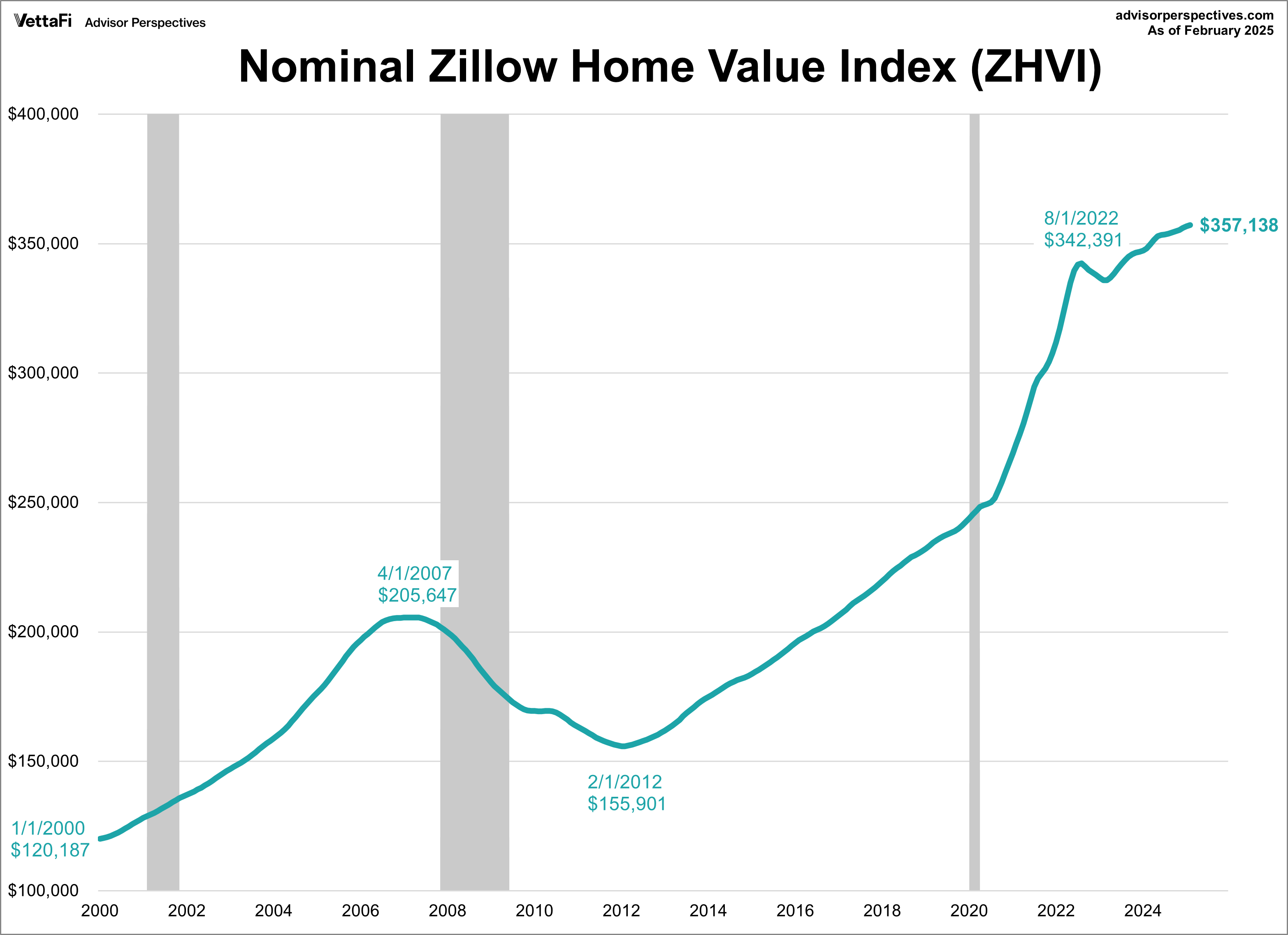
As real estate market dynamics evolve, the algorithm continuously ingests new data points. If neighboring homes sell for less than expected, or if inventory levels rise while buyer traffic slows, the software automatically recalibrates. Real estate tech platforms prioritize algorithmic consistency over localized nuance, which frequently results in sudden valuation swings that can distress homeowners.
Key Drivers Behind a Falling Zillow Home Value
A downward trend in your Zestimate rarely happens in a vacuum. Several distinct market forces, data lag issues, and platform updates dictate how the algorithm views your property at any given time.
1. Shifts in Recent Local Comparable Sales (Comps)
The single biggest weight in any AVM algorithm is recent sales data from your immediate neighborhood.
- Distressed Sales: If a nearby home sells via foreclosure, short sale, or significant price reduction, the Zestimate algorithm treats it as a baseline indicator of declining neighborhood value.
- Lower PSPA Metrics: Price-per-square-foot metrics in your immediate ZIP code dictate how your property is valued. If three homes within a half-mile radius sell below historical averages, your valuation will adjust downward to match that trajectory.
2. Macroeconomic Factors and Interest Rate Pressures
Interest rates heavily influence national and local purchasing power. When borrowing costs rise, buyer pools shrink, and housing turnover slows down.
- Reduced Buyer Competition: Higher mortgage rates mean buyers qualify for smaller loan amounts, forcing sellers to drop asking prices.
- Algorithmic Sensitivity: Zillow's algorithm reacts to these broader market cool-downs in real time, adjusting values downward to reflect a shifting buyer’s market where homes sit on the market longer.
3. Outdated or Inaccurate Public Records
Zillow relies heavily on county assessor data. If public records contain errors regarding your home's specifications, your Zestimate will suffer.
- Incorrect Square Footage: If an unfinished basement or an enclosed patio is miscategorized in county records, the algorithm undervalues the usable space.
- Delayed Tax Assessments: Municipal reassessments often lag behind real market conditions, providing the algorithm with stale or inaccurate baseline valuations.
4. Seasonality and Market Cycles
Real estate markets are inherently cyclical. Values frequently peak during the spring and summer buying seasons and cool off during late autumn and winter. If your Zestimate drops between October and February, it often reflects seasonal market sluggishness rather than a permanent loss of home equity.
Comparing Automated Valuations vs. Professional Appraisals
Homeowners often panic when they see a falling Zestimate, mistaking it for an official loss of wealth. Understanding the structural differences between an algorithmic AVM and a professional appraisal clarifies why Zillow's numbers should be taken with a grain of salt.
| Feature / Metric | Zillow Zestimate (AVM) | Professional Appraisals (USPAP Compliant) | Comparative Market Analysis (CMA) |
|---|---|---|---|
| Data Source | Public records, tax assessor data, user-submitted info, and algorithm-selected comps | Physical interior/exterior inspection, county records, hyper-local verified MLS sales | Local Multiple Listing Service (MLS) active, pending, and sold listings |
| Human Oversight | Zero human oversight; entirely automated computer modeling | Licensed, certified appraiser with local market expertise | Licensed real estate agent or broker |
| Condition Adjustments | Cannot evaluate interior finishes, deferred maintenance, or custom upgrades | Accounts for exact physical condition, upgrades, layout, and functional utility | Accounts for property condition based on visual walkthrough and agent knowledge |
| Update Frequency | Frequently updated (sometimes weekly or monthly) as new data arrives | Static report valid for a specific transaction date (usually 90–120 days) | Created on-demand for a specific listing or purchasing decision |
Step-by-Step Guide: How to Correct and Update Your Zillow Home Data
If you notice your Zestimate is dropping due to inaccurate information or missing home improvements, you can take direct action to update your profile on Zillow. Claiming your home on the platform allows you to supply accurate data directly to the ecosystem.
- Claim Your Property on Zillow: Navigate to Zillow, search for your home address, and click the "Owners" tab to claim ownership of the property via email verification or phone confirmation.
- Audit Public Tax Records: Check your county assessor's website to ensure your square footage, bedroom count, bathroom count, and lot size match your actual home specifications. File a correction with the county if discrepancies exist.
- Update Home Details and Upgrades: Log into your Zillow owner dashboard and update the interior and exterior features. Input recent kitchen remodeling, roof replacements, HVAC upgrades, or square footage additions that may not be reflected in public records.
- Submit Permit Documentation: Ensure that major home renovations have corresponding municipal building permits closed out. Zillow and county assessors pull permit data to validate structural improvements.
- Monitor Competitor Comps: Keep an eye on recent sales directly adjacent to your property. If an inaccurate comp is dragging down your value, understanding your neighborhood sales data will help you contextualize the drop.
Pros and Cons of Relying on Zillow for Home Valuations
While Zillow provides a convenient, instant snapshot of real estate trends, depending on it for financial planning or listing strategies comes with notable drawbacks.
Advantages of Zillow
- Instant Accessibility: Provides free, 24/7 estimations for millions of homes across the country without requiring an appointment.
- Macro Trend Tracking: Excellent for observing broad market directions, seasonal shifts, and ZIP code-level appreciation or depreciation rates over multi-year periods.
- User Empowerment: Allows homeowners to directly manage their property details and upload improvement data to influence the algorithm.
Disadvantages of Zillow
- Lack of Contextual Nuance: Algorithms cannot smell smoke damage, see water stains, or appreciate custom high-end architectural craftsmanship.
- Volatility: Can experience erratic swings based on a single distressed sale down the street, causing unnecessary panic for homeowners.
- Accuracy Variance: Zillow publishes its own median error rates, which can skew significantly higher in rural areas or unique architectural markets with low transaction volume.
Frequently Asked Questions About Dropping Zillow Values
Does a dropping Zestimate mean my home is actually worth less?
Not necessarily. A falling Zestimate reflects algorithmic calculations based on public data and nearby sales, whereas true market value is determined only by what a verified buyer is willing to pay in an active market transaction.
Can I manually change or delete my Zillow Zestimate?
You cannot manually type in a desired dollar amount to change your Zestimate. However, you can update your home facts, square footage, and property features in your owner dashboard to help the algorithm calculate a more accurate valuation.
Why is my Zestimate dropping while my neighbors' values are rising?
This discrepancy usually occurs because of differences in square footage, recorded bedroom counts, or because public tax records for your specific parcel contain outdated or inaccurate information.
Do real estate agents use Zillow values to price homes?
Professional real estate agents rarely rely on Zestimates for listing pricing; instead, they perform a rigorous Comparative Market Analysis (CMA) using verified active and sold listings directly from the local Multiple Listing Service (MLS).
How often does Zillow update its home values?
Zillow updates its Zestimates multiple times a month as new public records, tax assessments, and market sales data flow into its automated valuation database.
Practical Recommendation for Homeowners
Do not panic if you see your Zillow home value drop. Treat the Zestimate as a rough, automated gauge of broader market trends rather than an absolute measure of your financial equity. If you are preparing to refinance, sell, or secure a home equity line of credit, bypass the algorithm entirely and request a professional appraisal or a comprehensive market analysis from a licensed local real estate expert.
Image Gallery