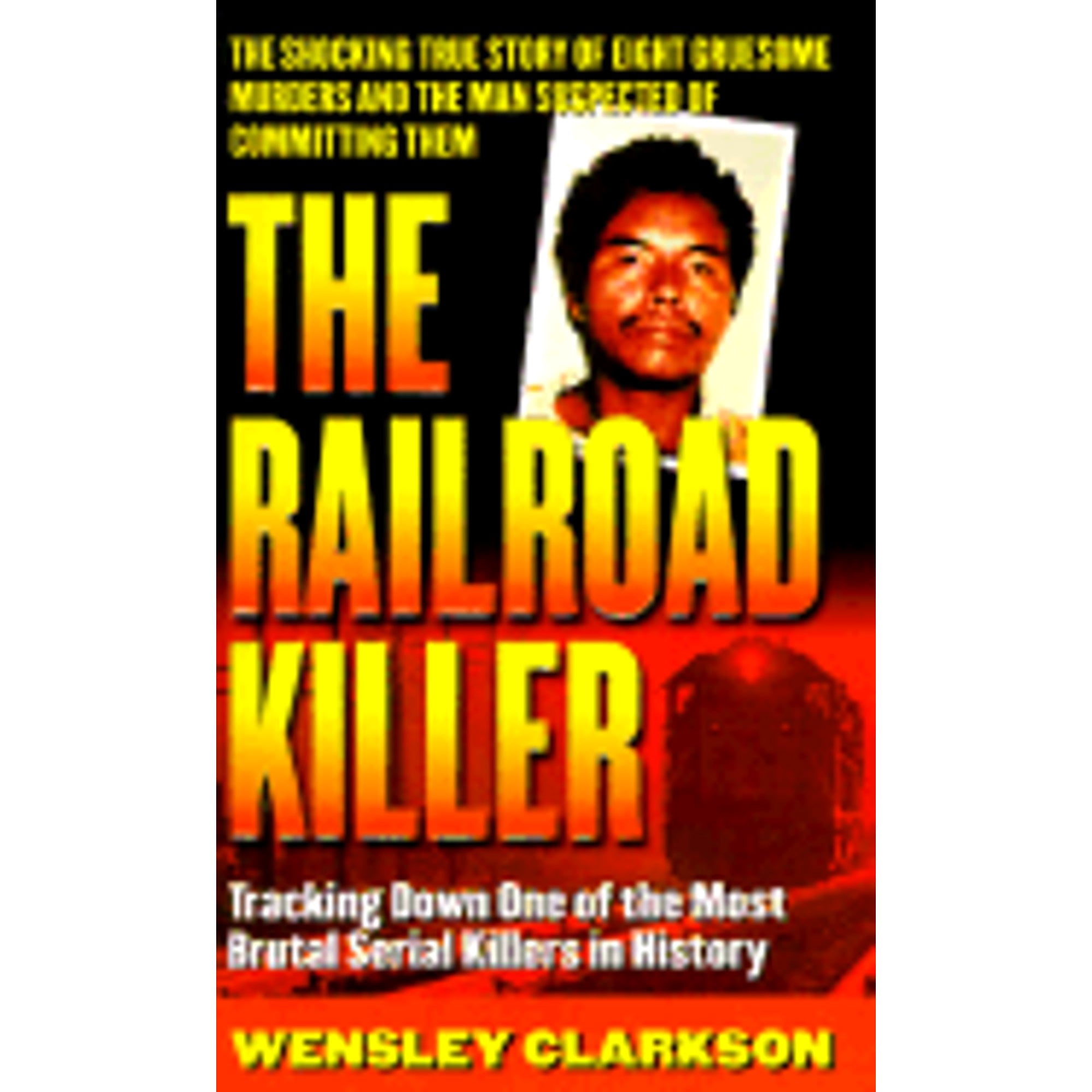
Understanding the Railroad Serial Killer: A Historical and Criminological Profile
The term "railroad serial killer" refers to a specific pattern of criminal activity where offenders utilize the nation's expansive freight rail network to commit violent crimes and evade law enforcement. These perpetrators exploit the...
The term "railroad serial killer" refers to a specific pattern of criminal activity where offenders utilize the nation's expansive freight rail network to commit violent crimes and evade law enforcement. These perpetrators exploit the anonymity offered by the transient nature of rail transit, often targeting vulnerable populations near railyards or along transit corridors, creating unique challenges for cross-jurisdictional police investigations.
Contents
The Evolution of Rail-Based Serial Crime
The history of serial murder in the United States is intrinsically linked to the development of the national rail infrastructure. In the late 19th and early 20th centuries, the rise of the "hobo" subculture—transient workers who hopped freight trains to find seasonal labor—created a high-density, low-visibility environment. During this era, law enforcement often lacked the communication infrastructure to track offenders who moved rapidly between disparate jurisdictions.
Unlike serial killers who operate within a fixed geographic "comfort zone," railroad serial killers utilize the rail system as a mobility vector. This behavior shifts the traditional "geographic profiling" models, which often assume that an offender lives and works near their crime scenes. For the railroad offender, the track is the conduit, and the railyards or rural transit stops serve as opportunistic staging grounds.
Modus Operandi and Tactical Advantage
The effectiveness of the railroad serial killer as an evasion strategy relies on three primary tactical advantages:
- Transience and Anonymity: Freight trains do not require passengers to present identification or ticketed boarding passes. An offender can board in one state and disembark hundreds of miles away in another, rendering standard witness testimony and localized surveillance ineffective.
- Jurisdictional Fragmentation: Criminal investigations in the United States are traditionally handled by local police departments or county sheriff's offices. When a murder occurs on or near a remote rail line, the incident may fall into a jurisdictional gap. Coordinating evidence across multiple states—a necessity when tracking a mobile offender—historically faced bureaucratic and data-sharing delays.
- Target Selection: Perpetrators often target transient individuals, homeless populations, or marginalized groups living near industrial railyards. These victims are sometimes reported missing days or weeks after the event, providing the offender with a significant lead time to move to the next territory.
Investigative Hurdles for Law Enforcement
Modern forensic science and investigative techniques have evolved, yet the railroad-based offender remains difficult to apprehend. In the contemporary era, the challenge is no longer a lack of communication technology, but rather the sheer scale of the rail network.
- Evidence Collection: Crime scenes situated along rail lines are often remote and exposed to the elements, leading to the rapid degradation of biological evidence.
- The "Linkage Blindness" Problem: Investigators in one jurisdiction may be unaware that a homicide in their area matches the profile of an event in a neighboring state. Because the perpetrator never develops a static connection to a location, it is difficult to build a "signature" that points toward a specific home base or workplace.
- Database Integration: While agencies such as the Federal Bureau of Investigation (FBI) manage centralized databases, these systems rely on accurate, timely input from local agencies. When a murder is misclassified as an accidental death or a missing person case, it fails to trigger the cross-jurisdictional red flags necessary to identify a serial pattern.
Comparing Traditional vs. Mobile Serial Offenders
The following table outlines the distinct operational differences between stationary serial killers and those utilizing transit systems as a weapon of evasion.
| Feature | Stationary Offender | Railroad Serial Killer |
|---|---|---|
| Primary Base | Fixed residence or workplace | Transient (freight cars, camps) |
| Victim Pool | Local community | Transients, vulnerable populations |
| Law Enforcement Response | Localized task forces | Multi-jurisdictional collaboration |
| Evidence Scarcity | High (forensics at residence) | Low (transient scenes) |
| Mobility Strategy | Controlled travel | Opportunistic, long-range transit |
Data and Forensic Verification
In recent decades, investigators have used the "railroad killer" profile to re-examine cold cases. Significant advancements include:
- Genetic Genealogy: The use of DNA testing on cold-case evidence has allowed authorities to link crimes across decades and states, effectively closing gaps where physical records were insufficient.
- Freight Rail Security: Railroad police—a specialized branch of law enforcement employed by private rail companies—have increased their presence in high-traffic railyards, utilizing motion-sensor cameras and drone surveillance to deter illegal boarding.
- Collaborative Task Forces: The formation of inter-agency task forces has become the standard for addressing crimes that span multiple state lines, ensuring that data is centralized and analyzed for patterns that local departments might miss.
Frequently Asked Questions
What distinguishes a railroad serial killer from other types of offenders? The distinction lies in the use of freight transportation as a core component of the crime cycle. While most serial killers remain within a specific city or region, the railroad serial killer uses the rail network to facilitate movement, choosing victims in diverse locations to avoid building a recognizable geographic profile.
Are these offenders usually employees of the railroad? Contrary to common misconceptions, most identified serial killers who used rail networks were not employed by railroad companies. They were typically civilians or transient individuals who exploited the vulnerability of the freight system. Railroad employees are strictly vetted and subject to federal background checks.
How does law enforcement link crimes that happen in different states? Linking occurs through the FBI’s Violent Criminal Apprehension Program (ViCAP). By comparing the victimology, the cause of death, and the method of disposal, analysts can identify serial patterns even when the murders occur hundreds of miles apart.
Is it possible to predict where a railroad serial killer will strike next? Predictive modeling is difficult due to the opportunistic nature of these crimes. However, rail security and local law enforcement prioritize high-density transition points, such as major freight interchange yards, where foot traffic and transient presence are highest.
What is the current status of investigative technology regarding these crimes? As of 2026, authorities rely heavily on digitized evidence and cross-agency data integration. Improvements in the speed of DNA analysis and the digitalization of older crime scene reports have allowed investigators to solve cases that were stagnant for years by finding connections in the electronic paper trail.
Next Steps for Historical Researchers
For those researching this subject from a historical or criminological perspective, focus on primary source documents from state police departments and regional transit authorities. Because serial cases involving rail networks often involve complex, multi-jurisdictional litigation, court transcripts from high-profile trials often provide the most accurate account of the offender's movements and the specific police strategies used to track them. Prioritize findings from federal databases and documented forensic histories rather than anecdotal reports.
Image Gallery